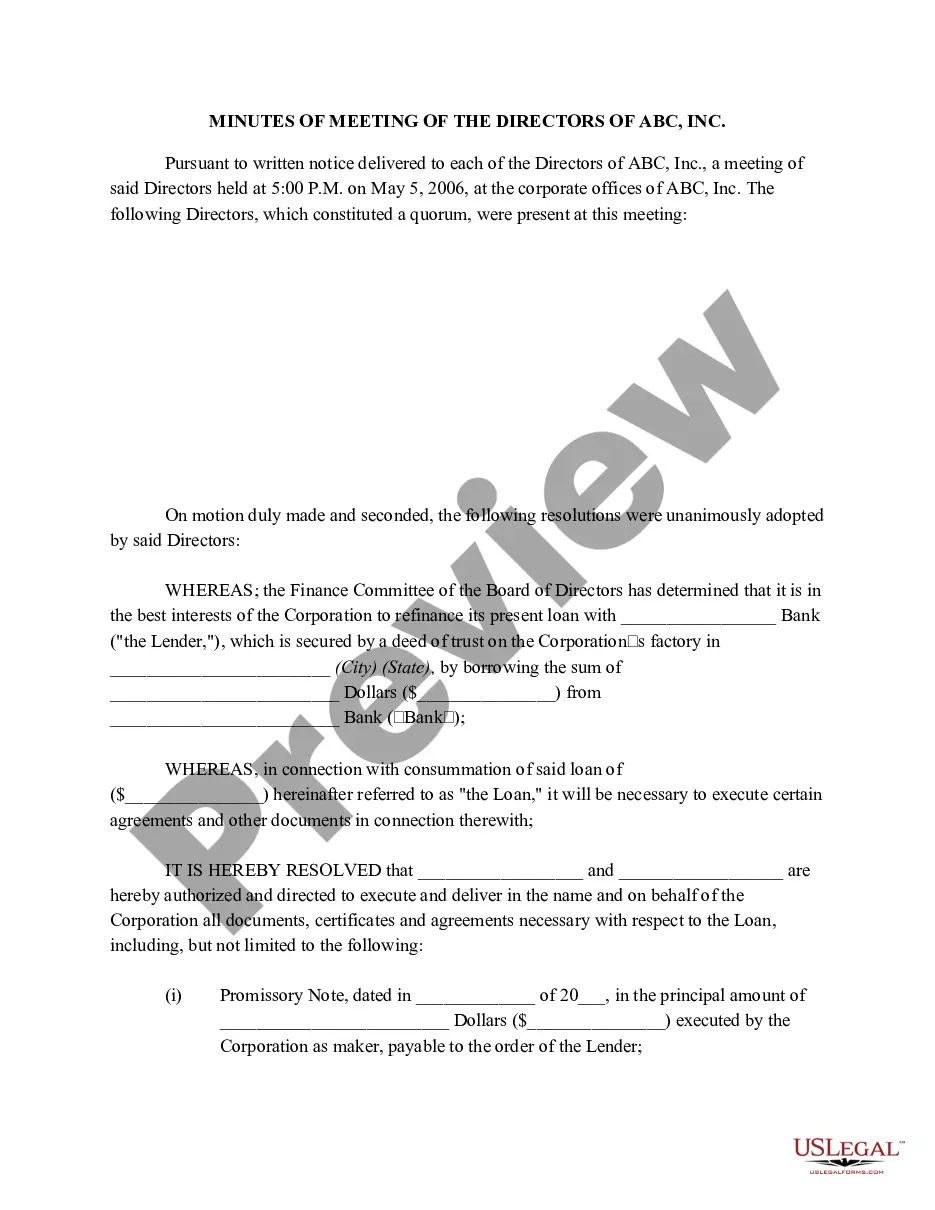
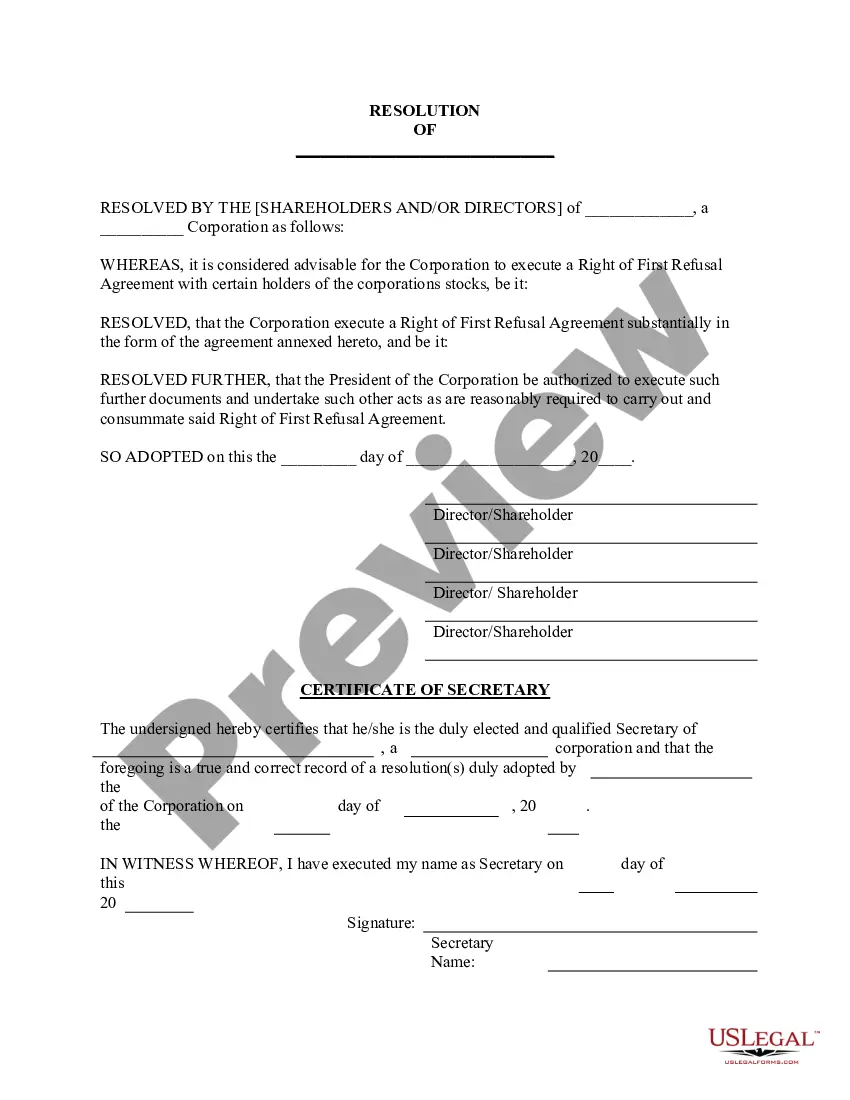
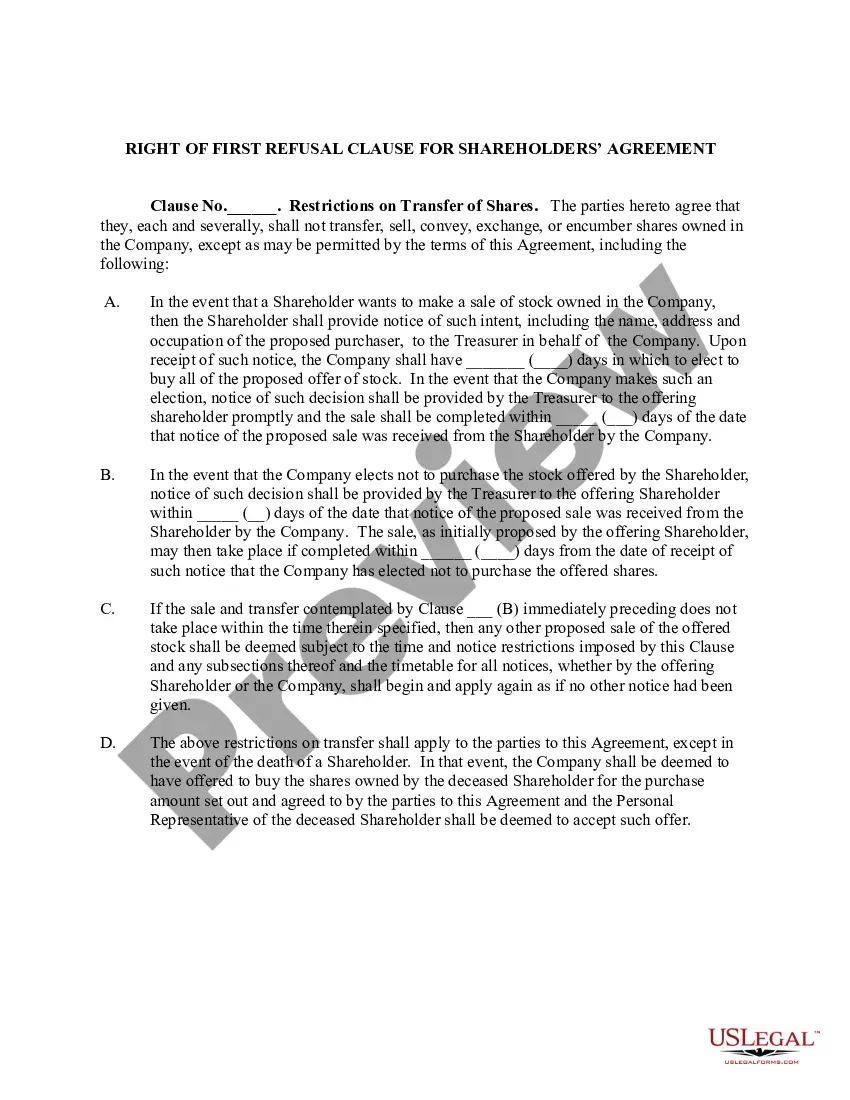
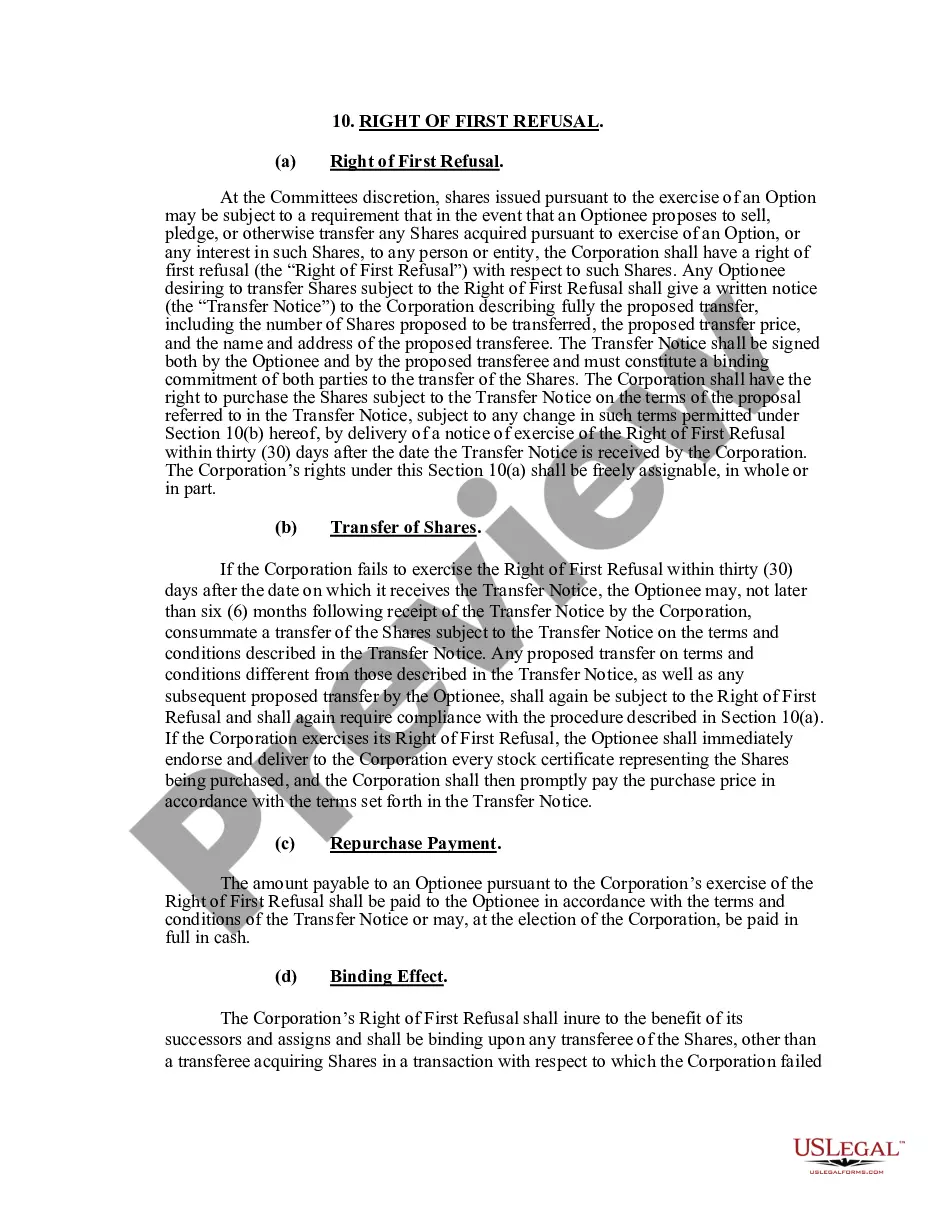
Corporate Refusal For 401 In Clark
Description
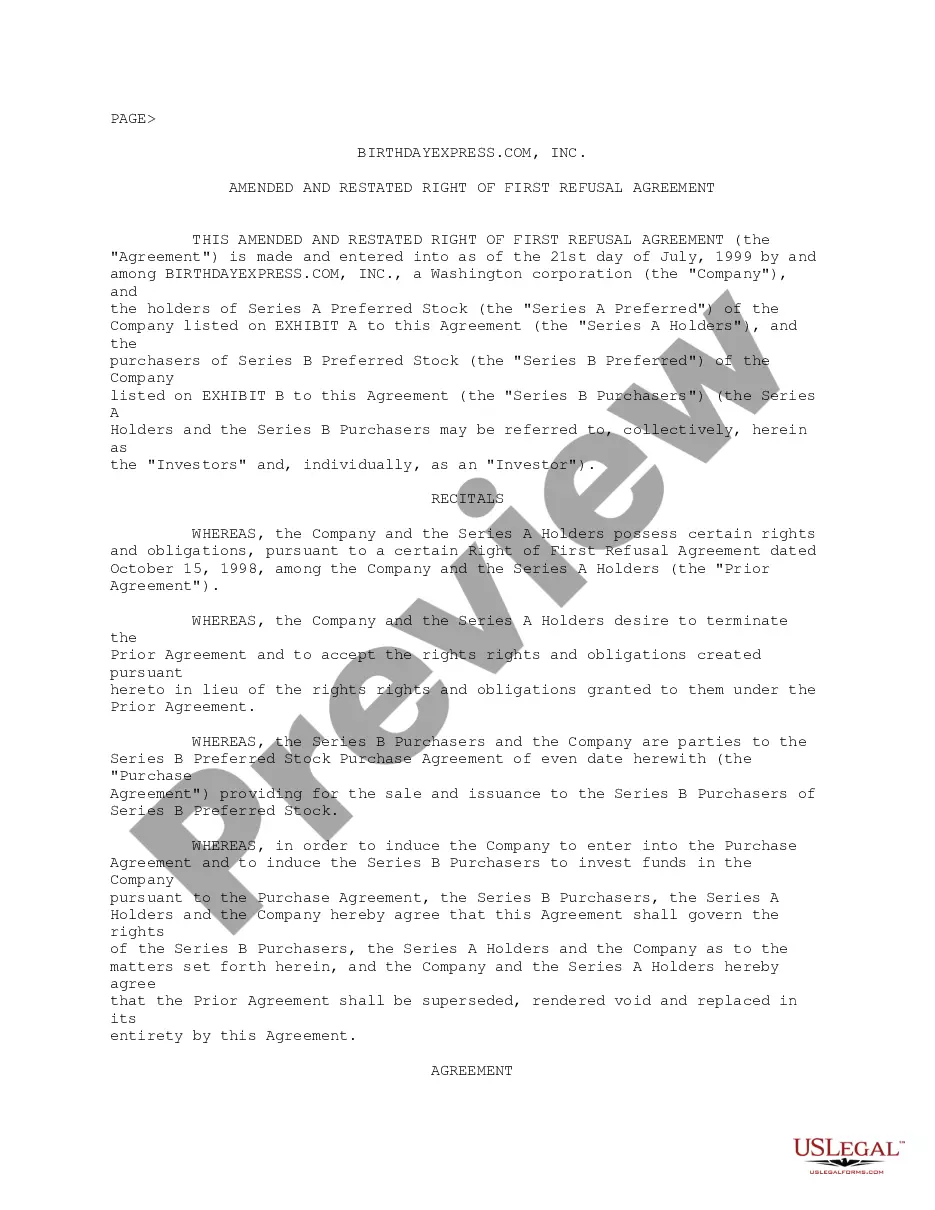
Get your form ready online
Our built-in tools help you complete, sign, share, and store your documents in one place.
Make edits, fill in missing information, and update formatting in US Legal Forms—just like you would in MS Word.
Download a copy, print it, send it by email, or mail it via USPS—whatever works best for your next step.
Sign and collect signatures with our SignNow integration. Send to multiple recipients, set reminders, and more. Go Premium to unlock E-Sign.
If this form requires notarization, complete it online through a secure video call—no need to meet a notary in person or wait for an appointment.
We protect your documents and personal data by following strict security and privacy standards.

Make edits, fill in missing information, and update formatting in US Legal Forms—just like you would in MS Word.

Download a copy, print it, send it by email, or mail it via USPS—whatever works best for your next step.

Sign and collect signatures with our SignNow integration. Send to multiple recipients, set reminders, and more. Go Premium to unlock E-Sign.

If this form requires notarization, complete it online through a secure video call—no need to meet a notary in person or wait for an appointment.

We protect your documents and personal data by following strict security and privacy standards.
Looking for another form?







Form popularity
FAQ
2 options designed for all investors Consider contributing to a traditional or Roth IRA. Both types of accounts offer long-term tax advantages. Anyone who has earned income can contribute up to $7,000 ($8,000 if you're age 50 or older) for 2025 contributions. You can also choose to save in a taxable account.
Employers often offer 401(k) plans to help attract and retain talented staff. However, there is no legal obligation for employers to have one, and many companies—particularly smaller ones—do not. If a company does offer a 401(k) plan, it must follow certain rules regarding when employees become eligible to participate.
If your company does not offer a 401-K plan or does not have a defined pension benefit plan then the employee can open their own retirement account which is called an IRA or individual retirement account.
Yes, you can generally decline a 401(k) offer when you start a new job. Employers typically provide options for retirement plans, but participation is usually voluntary. If you choose not to enroll in the 401(k) plan, you can simply inform your HR department or the plan administrator of your decision.
If your company does not offer a 401-K plan or does not have a defined pension benefit plan then the employee can open their own retirement account which is called an IRA or individual retirement account.
If your company does not offer a 401-K plan or does not have a defined pension benefit plan then the employee can open their own retirement account which is called an IRA or individual retirement account.