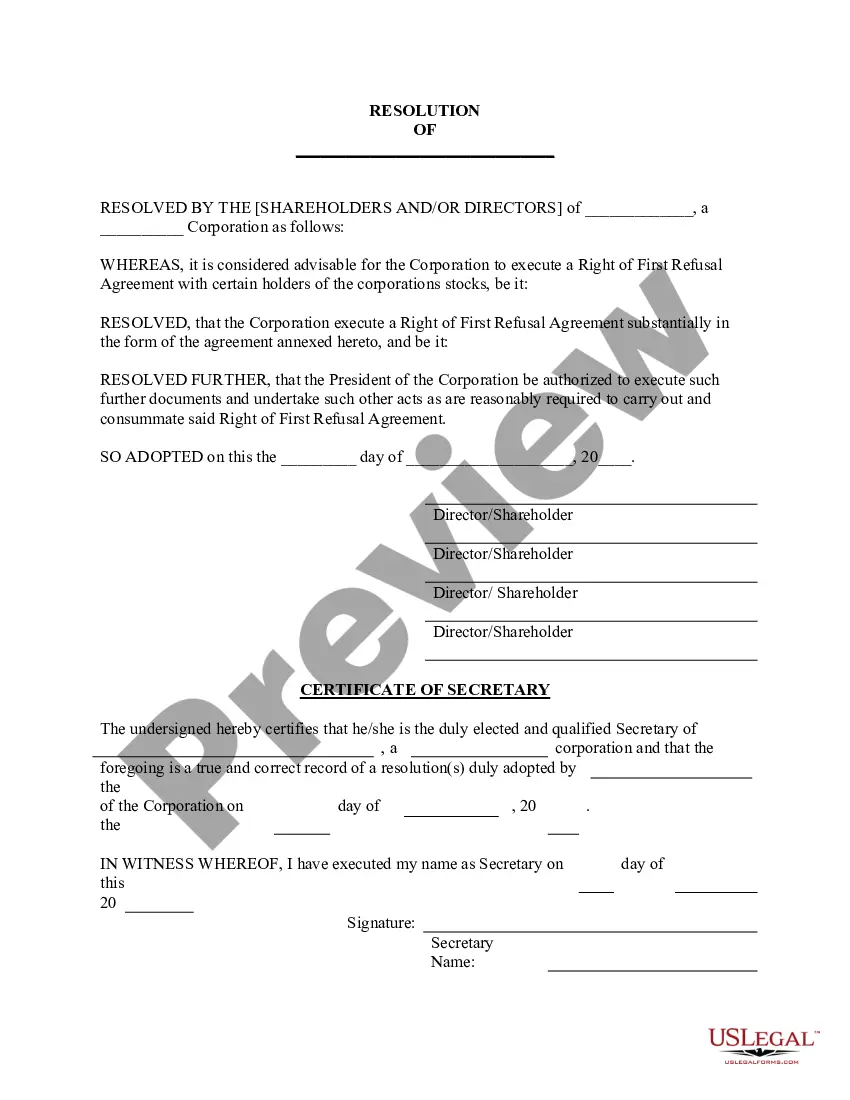
Corporate Refusal Form Dental In Bexar
Description
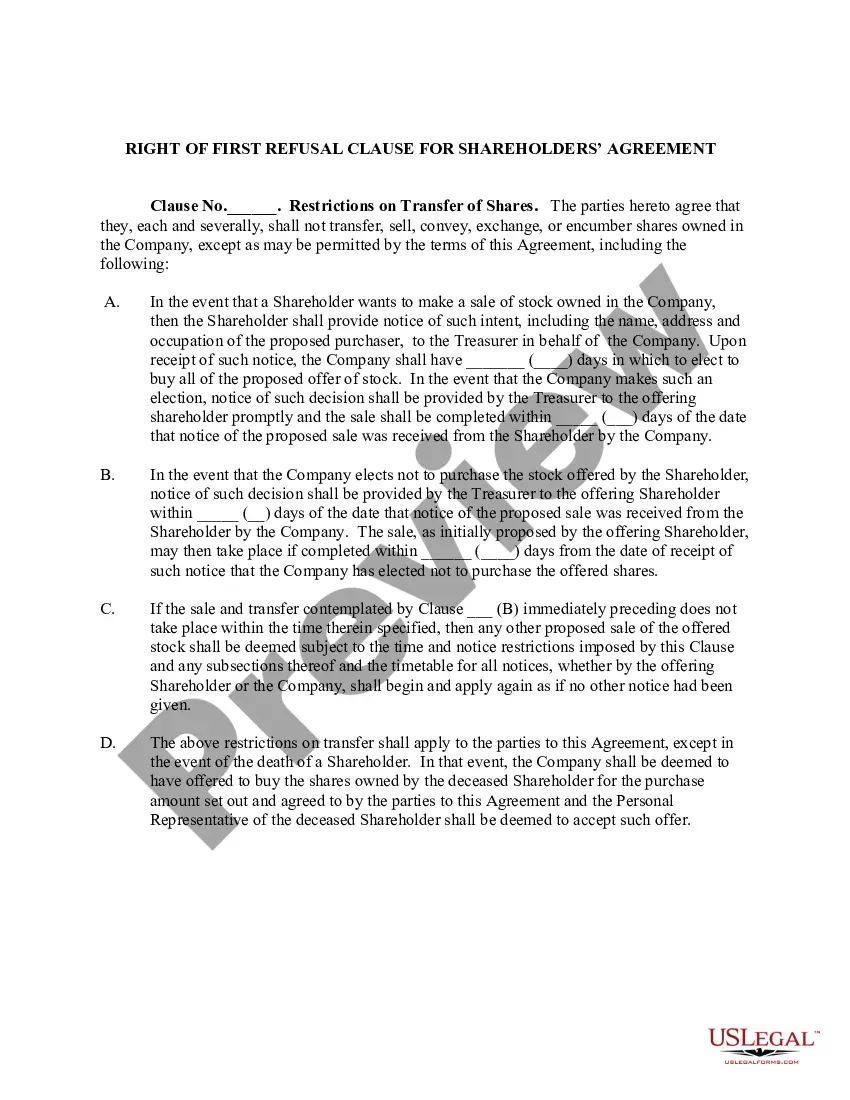
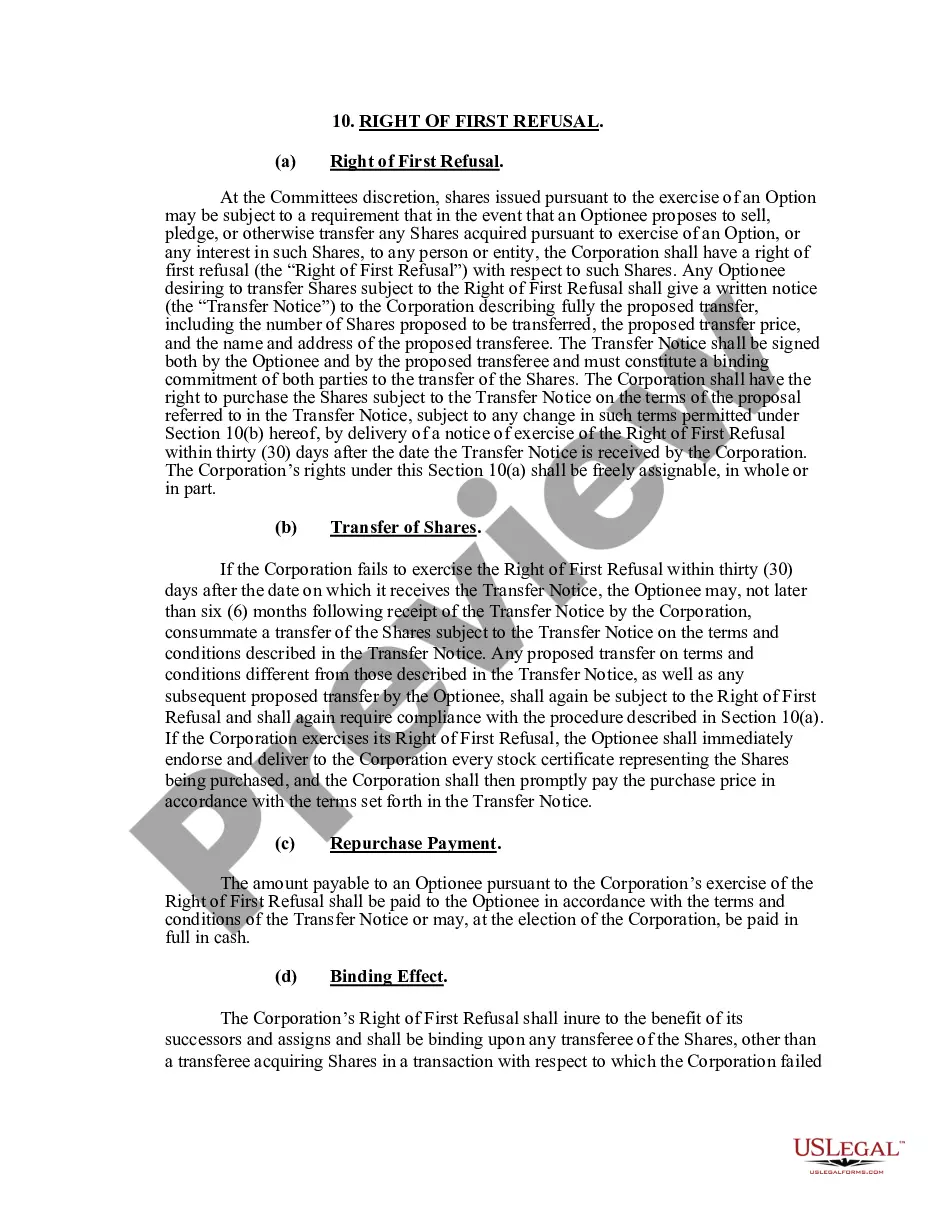
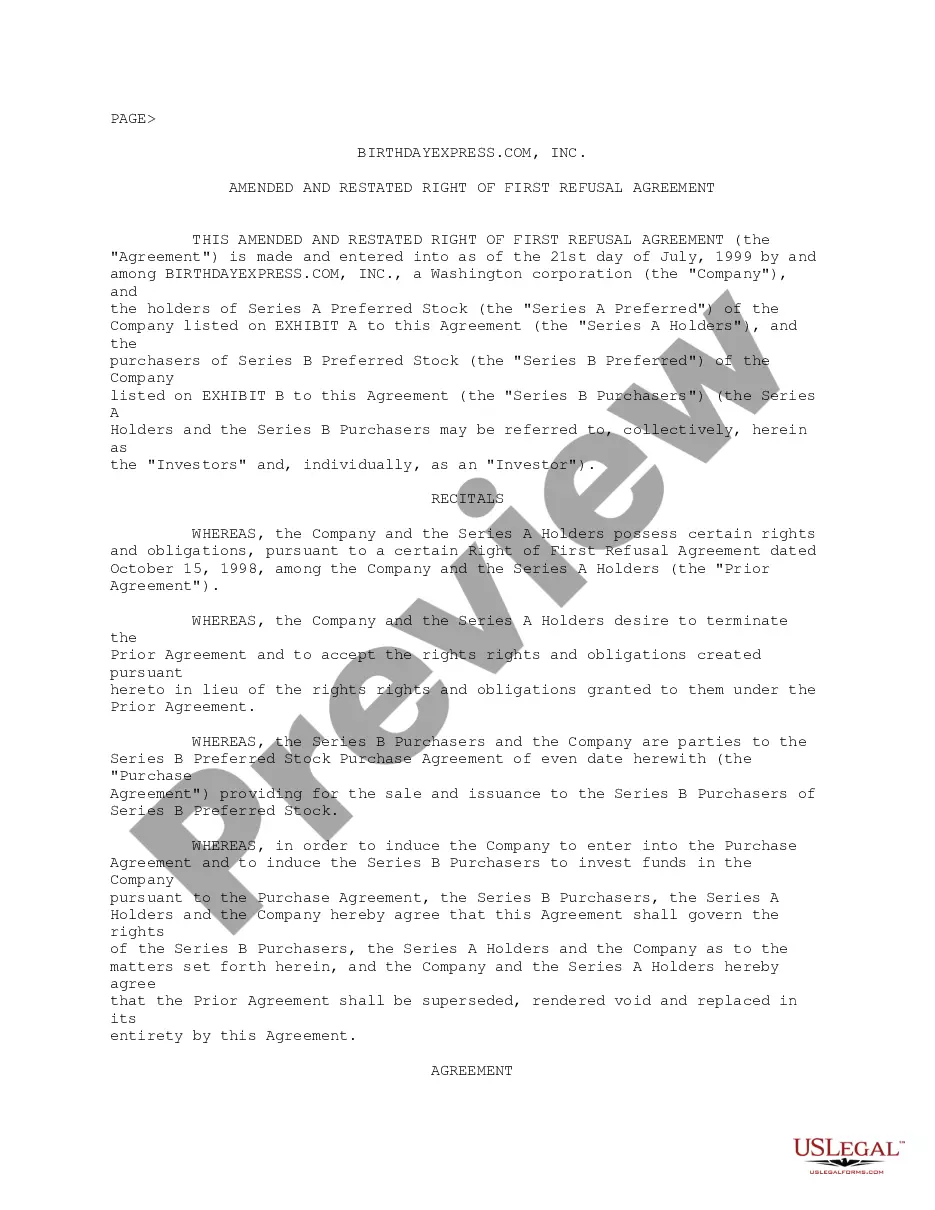
Get your form ready online
Our built-in tools help you complete, sign, share, and store your documents in one place.
Make edits, fill in missing information, and update formatting in US Legal Forms—just like you would in MS Word.
Download a copy, print it, send it by email, or mail it via USPS—whatever works best for your next step.
Sign and collect signatures with our SignNow integration. Send to multiple recipients, set reminders, and more. Go Premium to unlock E-Sign.
If this form requires notarization, complete it online through a secure video call—no need to meet a notary in person or wait for an appointment.
We protect your documents and personal data by following strict security and privacy standards.

Make edits, fill in missing information, and update formatting in US Legal Forms—just like you would in MS Word.

Download a copy, print it, send it by email, or mail it via USPS—whatever works best for your next step.

Sign and collect signatures with our SignNow integration. Send to multiple recipients, set reminders, and more. Go Premium to unlock E-Sign.

If this form requires notarization, complete it online through a secure video call—no need to meet a notary in person or wait for an appointment.

We protect your documents and personal data by following strict security and privacy standards.
Looking for another form?






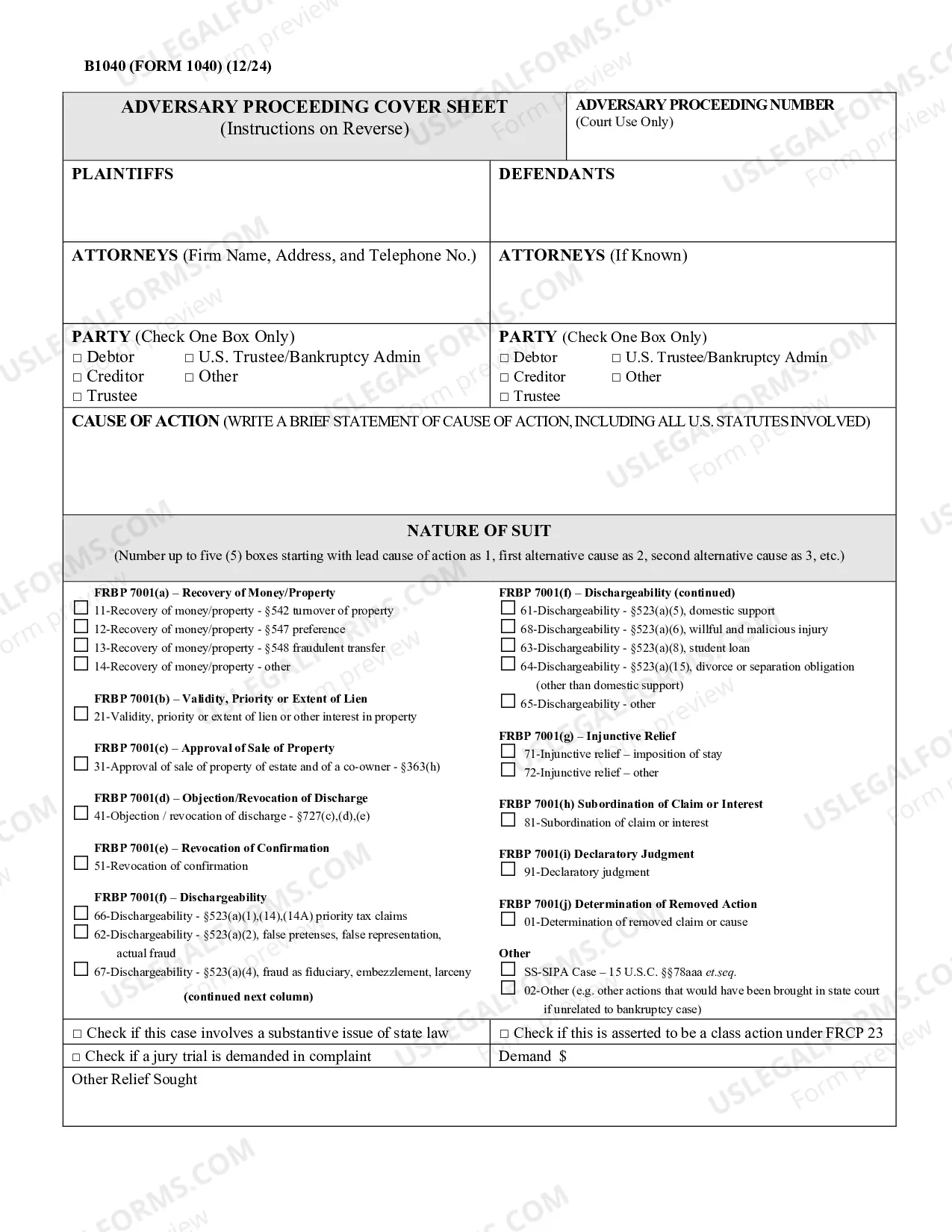

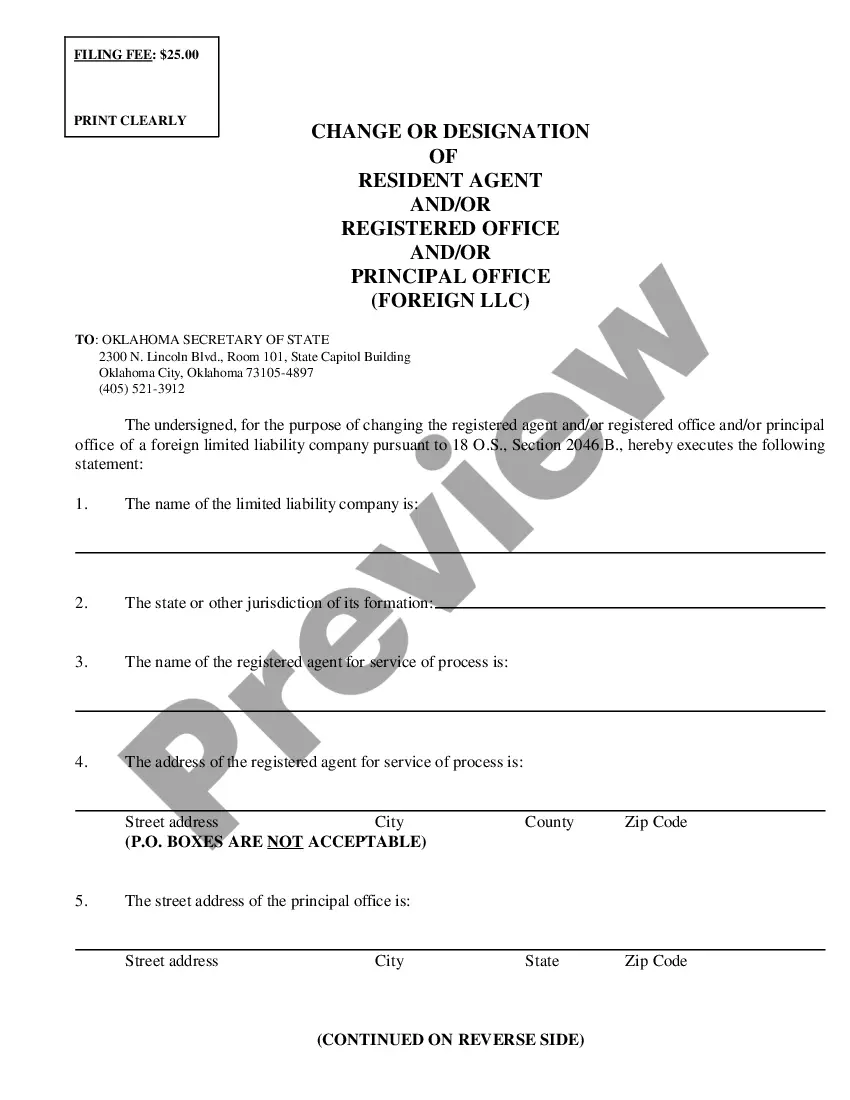

Form popularity
FAQ
Dental clearance is communication between a healthcare provider and a patient's dentist to validate that planned medical/surgical treatment is safe for the patient and to review the potential need for dental treatment before the medical/surgical treatment.
The consent form should describe if/when identifiable data will be destroyed and how such data will be protected and how it will be used or shared. Language - Consent forms should be written in the 2nd person (i.e., "you are") and in a language that is clear, concise, and understandable to the subject population.
Simply put, this means that you always have the right to refuse recommended treatment. When your dentist explains treatment options to you, they should also give you the option of “no treatment at all.” There are usually consequences with this option, all of which will be explained to you during your appointment.
The key elements of dental consent forms include information about the patient such as; name, email, phone number, address, date of birth, etc. Occasionally, these forms ask for insurance details.
Your dentist cover letter must immediately highlight your most relevant qualifications. Start with your dental degree and any special certifications you hold. Demonstrate your hands-on experience in patient care and dental procedures. Provide examples of your interpersonal skills and your ability to work in a team.
Every patient has the right to accept or refuse recommended treatment from their dentist, known as informed consent or refusal. Dentists must comply with the informed consent law1 by thoroughly explaining treatment options to patients so they can make the best medical decisions possible for their needs.
To inactivate procedures (denied treatment): In the treatment plans grid, double-click the active treatment plan. Using the left and right arrows, move denied treatment to the Available Procedures column on the right. This will mark the procedures with a TPi status (Treatment Plan Inactive).
One of the main reasons why people ignore their dental health is that they are often embarrassed about their teeth. People sometimes feel embarrassed that their lack of regular dental care has led to decayed, stained as well as chipped teeth. As a result of this, they prevent to face a dental professional's judgments.
Simply put, this means that you always have the right to refuse recommended treatment. When your dentist explains treatment options to you, they should also give you the option of “no treatment at all.” There are usually consequences with this option, all of which will be explained to you during your appointment.