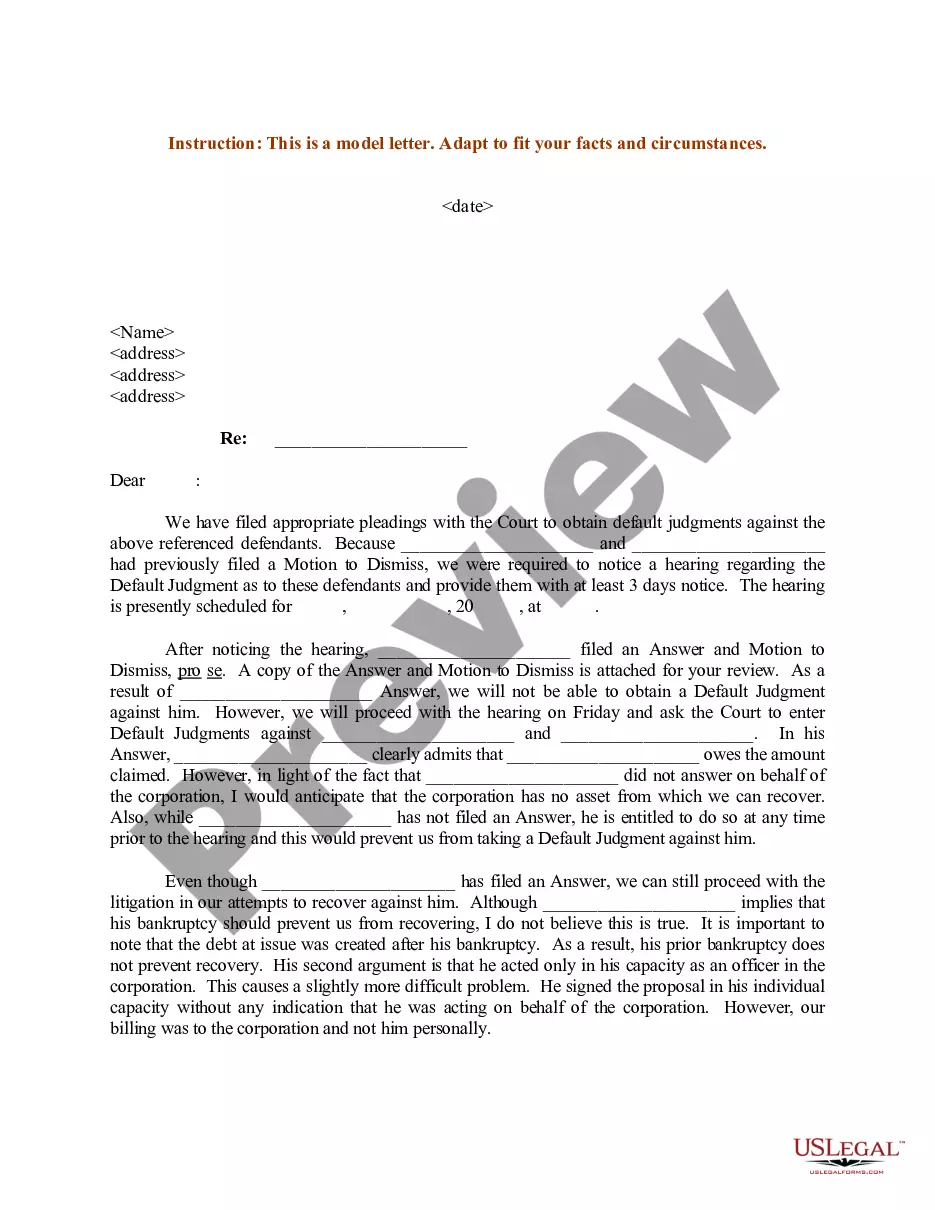
Letter For Judgment In Utah
Description




Get your form ready online
Our built-in tools help you complete, sign, share, and store your documents in one place.
Make edits, fill in missing information, and update formatting in US Legal Forms—just like you would in MS Word.
Download a copy, print it, send it by email, or mail it via USPS—whatever works best for your next step.
Sign and collect signatures with our SignNow integration. Send to multiple recipients, set reminders, and more. Go Premium to unlock E-Sign.
If this form requires notarization, complete it online through a secure video call—no need to meet a notary in person or wait for an appointment.
We protect your documents and personal data by following strict security and privacy standards.

Make edits, fill in missing information, and update formatting in US Legal Forms—just like you would in MS Word.

Download a copy, print it, send it by email, or mail it via USPS—whatever works best for your next step.

Sign and collect signatures with our SignNow integration. Send to multiple recipients, set reminders, and more. Go Premium to unlock E-Sign.

If this form requires notarization, complete it online through a secure video call—no need to meet a notary in person or wait for an appointment.

We protect your documents and personal data by following strict security and privacy standards.
Looking for another form?
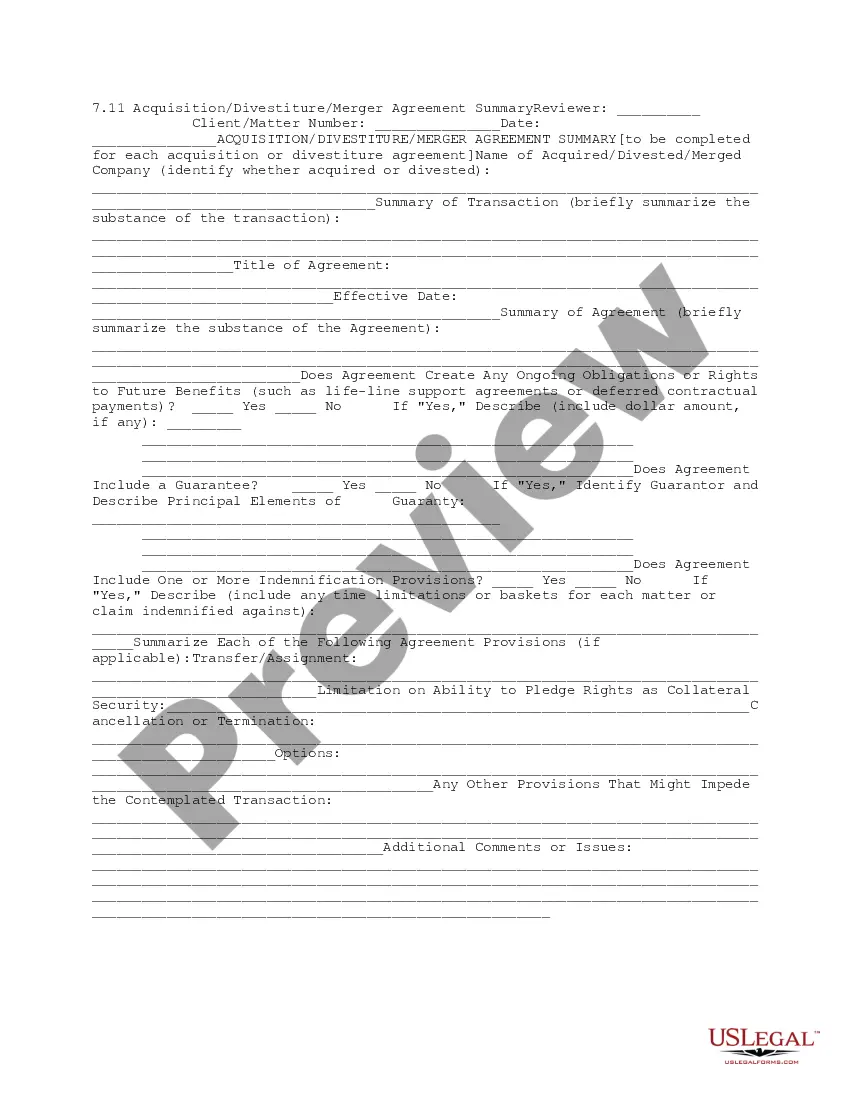







Form popularity
FAQ
Go to the clerk's office during regular business hours. Give the clerk your name, the name of the case, or the docket number. They'll look up the case and retrieve the record for you. If you don't know whether you have a judgment against you, the clerk can look up this information for you.
You can look at your credit report at .annualcreditreport or you can go to the local clerk for the courts and search the county database. If there are judgments in other jurisdictions you would have to look there as well.
Judgments shall continue for eight years from the date of entry in a court unless previously satisfied or unless enforcement of the judgment is stayed in ance with law.
Do I Have A Judgment Against Me? As noted above, you're not supposed to wake up one day to find a judgment against you. You're supposed to receive notice of a lawsuit, followed by a period of time during which you can choose to respond to the Complaint.
The judgment becomes a matter of public record, and is indexed with the clerk of the court. It shows up on your credit report as well as on any background checks. The judgment is considered a lien against your property, including any real estate that you have, in the state in which the judgment is filed.
File the judgment or Abstract of Judgment in the office of the County Recorder in the county in which the debtor's real property is located. If the debtor has real property in more than one county, file in each county. Also file with the County Recorder a Judgment Information Statement.
A “set aside” in simple terms means that a court vacates or voids a prior order, as if the order never existed. Before a court will “set aside” a judgment or order, there must be a clear statutory basis for the set aside, and facts that warrant the order vacated.
In law, a motion to set aside judgment is an application to overturn or set aside a court's judgment, verdict or other final ruling in a case. Such a motion is proposed by a party who is dissatisfied with the result of a case.
When a court renders a decision of another court to be invalid , that verdict or decision is set aside; see also annul or vacate . The phrase is often used in the context of appeals , when an appellate court invalidates the judgment of a lower court. For example, in Eckenrode v.
There is no substantive difference between "setting aside" and "vacating" any judgment, including one obtained by default. However, there is a difference between a default, and a default judgment, and both would need to be set aside, or vacated, in order to undo the final default.

