Letter Of Judgment Meaning In Phoenix
Description
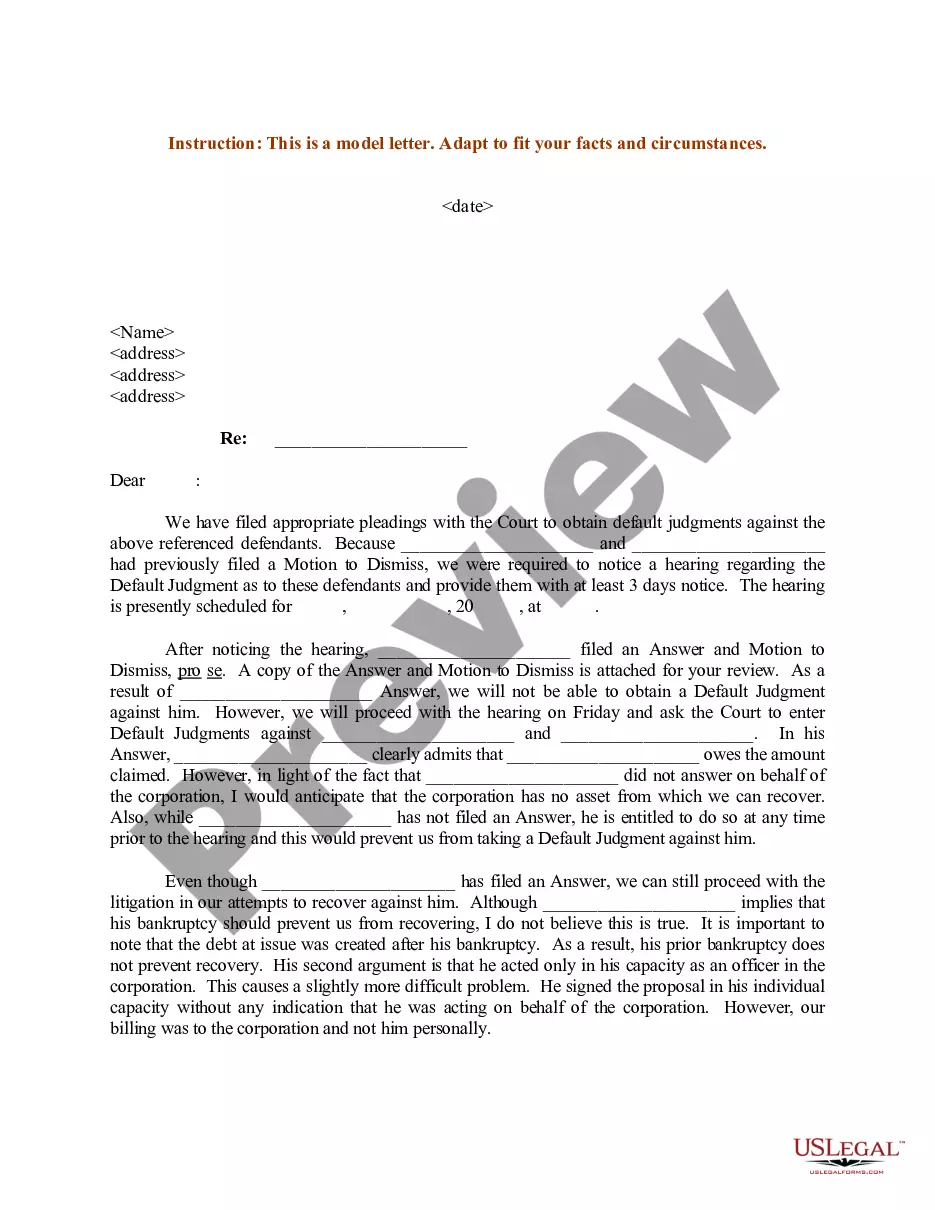


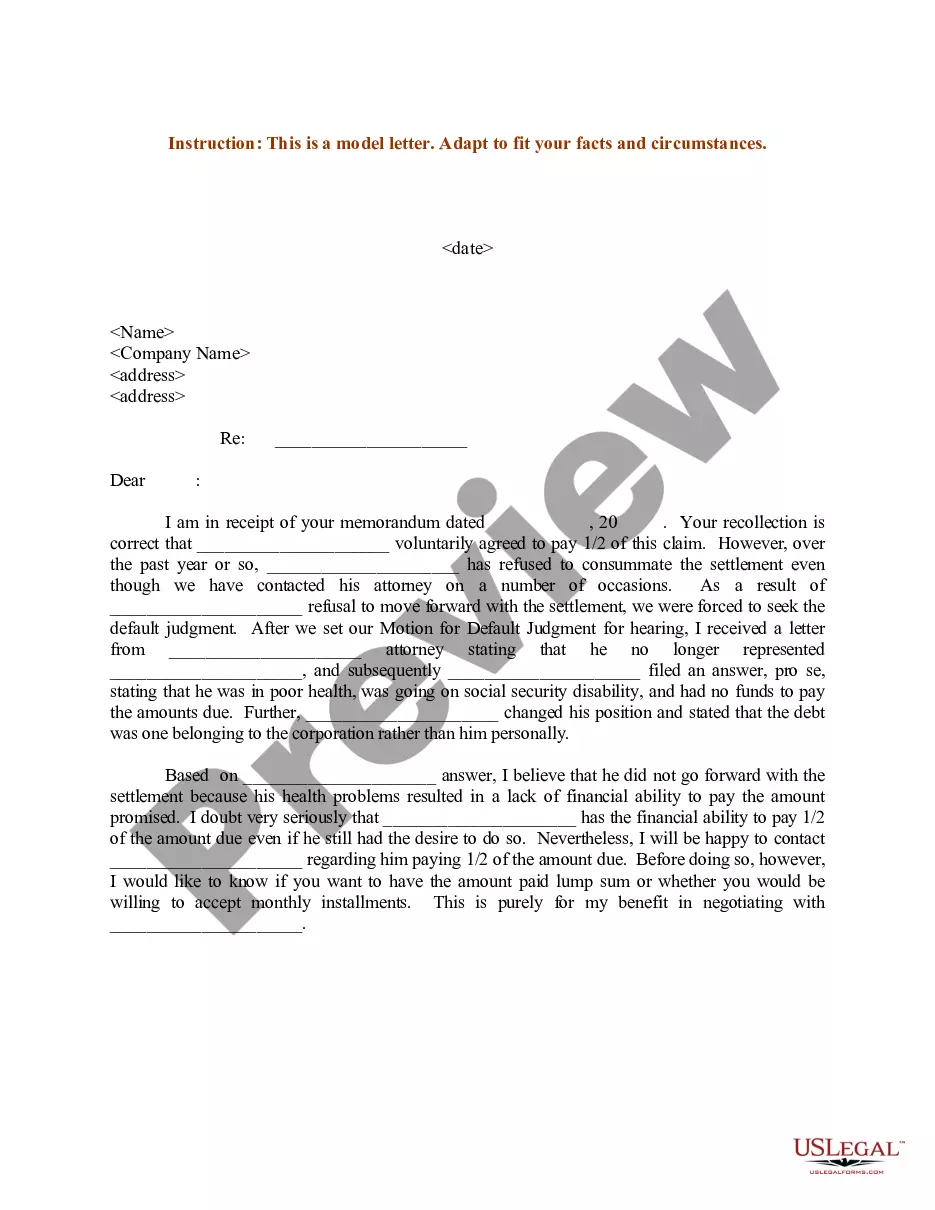

Get your form ready online
Our built-in tools help you complete, sign, share, and store your documents in one place.
Make edits, fill in missing information, and update formatting in US Legal Forms—just like you would in MS Word.
Download a copy, print it, send it by email, or mail it via USPS—whatever works best for your next step.
Sign and collect signatures with our SignNow integration. Send to multiple recipients, set reminders, and more. Go Premium to unlock E-Sign.
If this form requires notarization, complete it online through a secure video call—no need to meet a notary in person or wait for an appointment.
We protect your documents and personal data by following strict security and privacy standards.

Make edits, fill in missing information, and update formatting in US Legal Forms—just like you would in MS Word.

Download a copy, print it, send it by email, or mail it via USPS—whatever works best for your next step.

Sign and collect signatures with our SignNow integration. Send to multiple recipients, set reminders, and more. Go Premium to unlock E-Sign.

If this form requires notarization, complete it online through a secure video call—no need to meet a notary in person or wait for an appointment.

We protect your documents and personal data by following strict security and privacy standards.
Looking for another form?


Form popularity
FAQ
Take the certified copy to the county Recorder's Office where the Judgment Debtor has real estate property. If the Judgment Debtor has property in different counties, you can record your judgment with each county. NOTE: Fees apply.
All judgments must be in writing, and the court must mail copies to all parties. The judgment must clearly state the determination of the rights of the parties. The judgment is due and payable immediately after the judgment is rendered by the justice of the peace or a hearing officer in small claims court.
Enter a judgment means to make a final recording of the decision and the opinion, if the court made one. When the entry is complete depends on the jurisdiction, but entering a judgment usually either occurs after the decision is inserted into the docket or sent to a specified official.
A plaintiff representing herself may obtain and fill out a prepared Complaint form from the Clerk of the Court at the courthouse or online at each county court website or by visiting . The Complaint must be filed with the Clerk of the appropriate court.
Judgments can have a long-lasting, negative impact on your credit report. The fallout from a judgment means you could have trouble getting approved for a future line of credit, an apartment, or even have trouble getting a job.
A judgment record is a formal record kept by a court clerk that notes all the proceedings and filings in a court case. It can also refer to a book that records judgments and gives official notice of existing judgment liens to interested parties.
How does a creditor go about getting a judgment lien in Arizona? To attach the lien, the creditor files and records a judgment with the county recorder in any Arizona county where the debtor owns property now or where they may own property in the future.
The judgment becomes a matter of public record, and is indexed with the clerk of the court. It shows up on your credit report as well as on any background checks. The judgment is considered a lien against your property, including any real estate that you have, in the state in which the judgment is filed.
Take the certified copy to the county Recorder's Office where the Judgment Debtor has real estate property. If the Judgment Debtor has property in different counties, you can record your judgment with each county. NOTE: Fees apply.
Arizona Judgments are Enforceable for at Least Ten Years The ten years starts running from the when the Clerk of the Court enters in the judgment. This is important to understand because the date the Clerk of the Court enters the judgment can (and often is) different from the date the judge signed the judgment.

