Judgment Letter Of Administration In Maricopa
Description
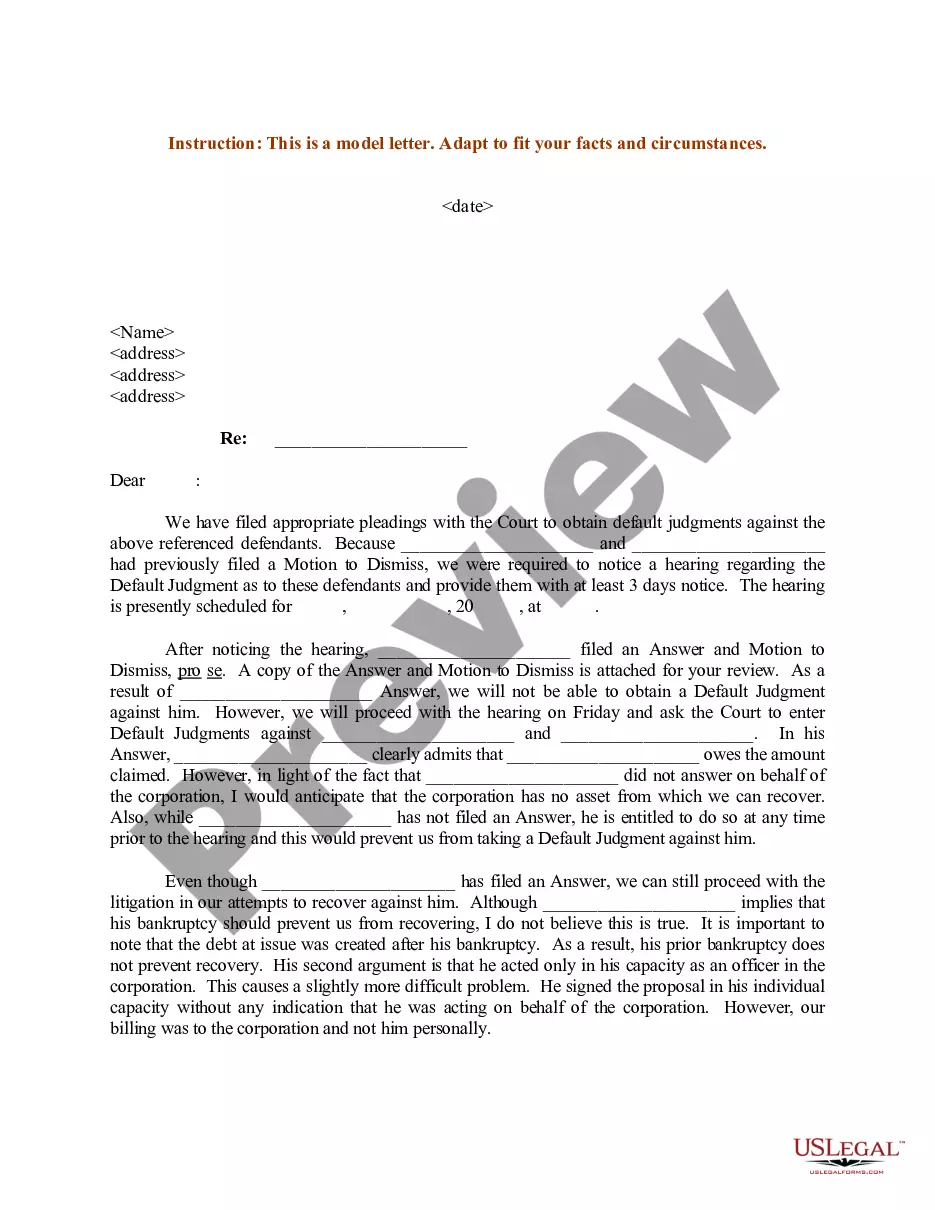




Get your form ready online
Our built-in tools help you complete, sign, share, and store your documents in one place.
Make edits, fill in missing information, and update formatting in US Legal Forms—just like you would in MS Word.
Download a copy, print it, send it by email, or mail it via USPS—whatever works best for your next step.
Sign and collect signatures with our SignNow integration. Send to multiple recipients, set reminders, and more. Go Premium to unlock E-Sign.
If this form requires notarization, complete it online through a secure video call—no need to meet a notary in person or wait for an appointment.
We protect your documents and personal data by following strict security and privacy standards.

Make edits, fill in missing information, and update formatting in US Legal Forms—just like you would in MS Word.

Download a copy, print it, send it by email, or mail it via USPS—whatever works best for your next step.

Sign and collect signatures with our SignNow integration. Send to multiple recipients, set reminders, and more. Go Premium to unlock E-Sign.

If this form requires notarization, complete it online through a secure video call—no need to meet a notary in person or wait for an appointment.

We protect your documents and personal data by following strict security and privacy standards.
Looking for another form?

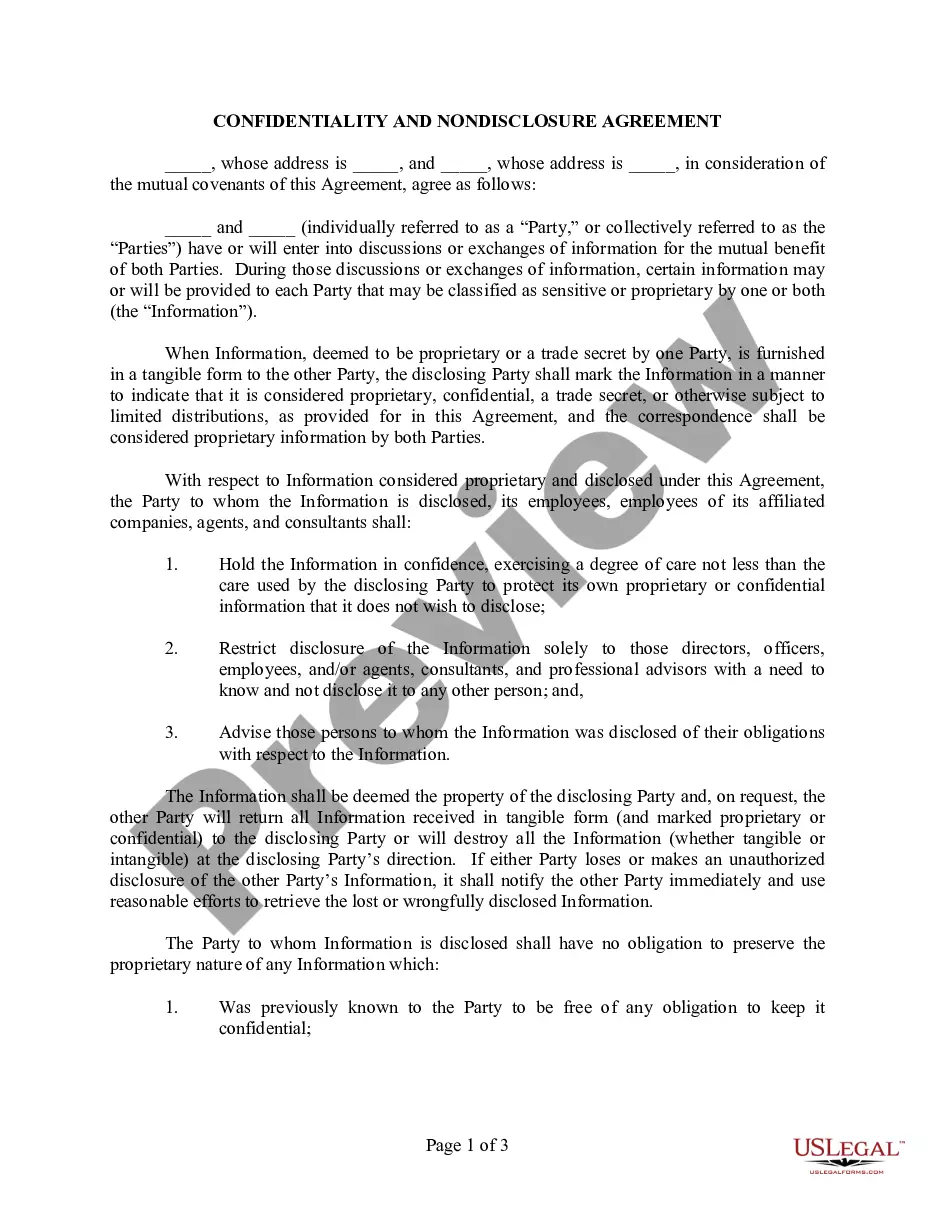

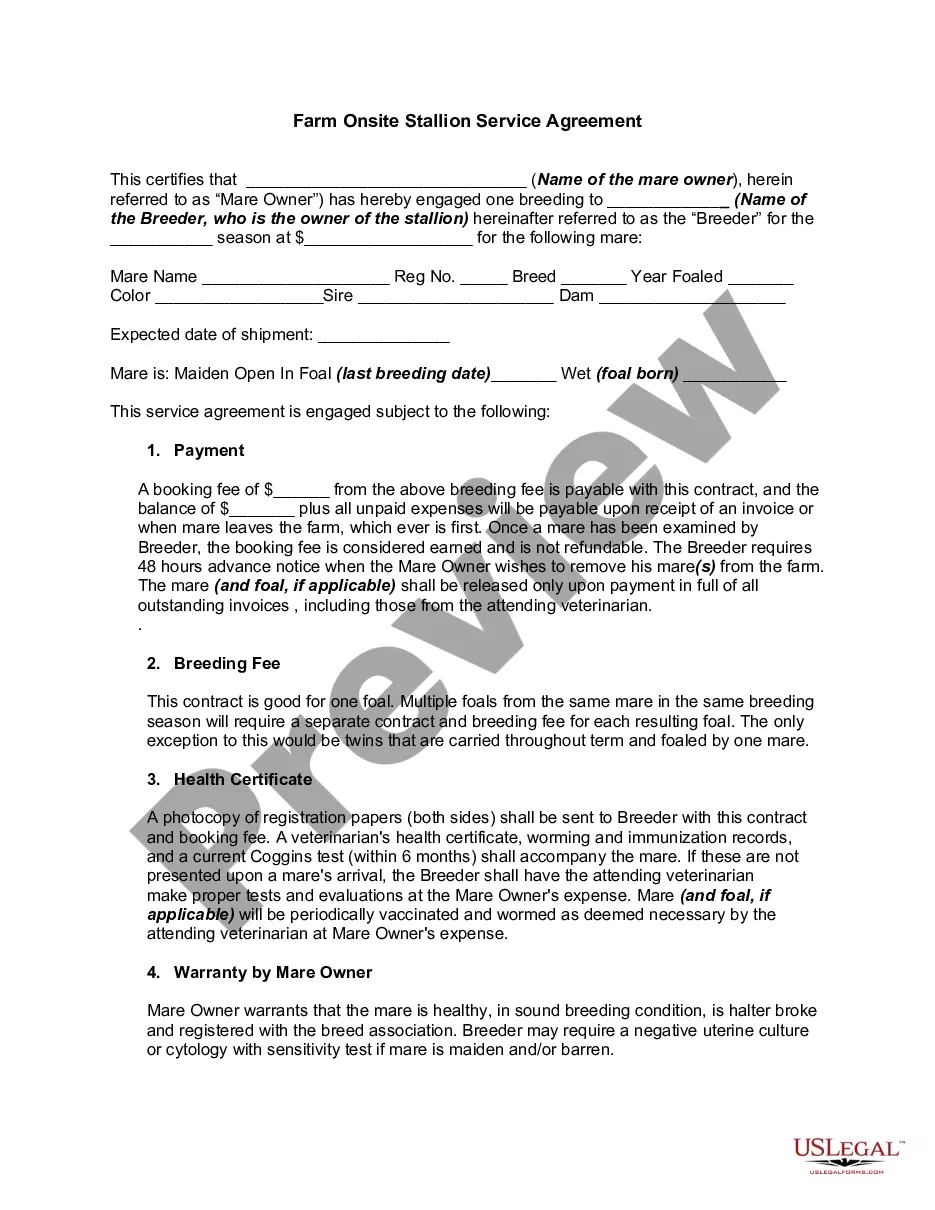

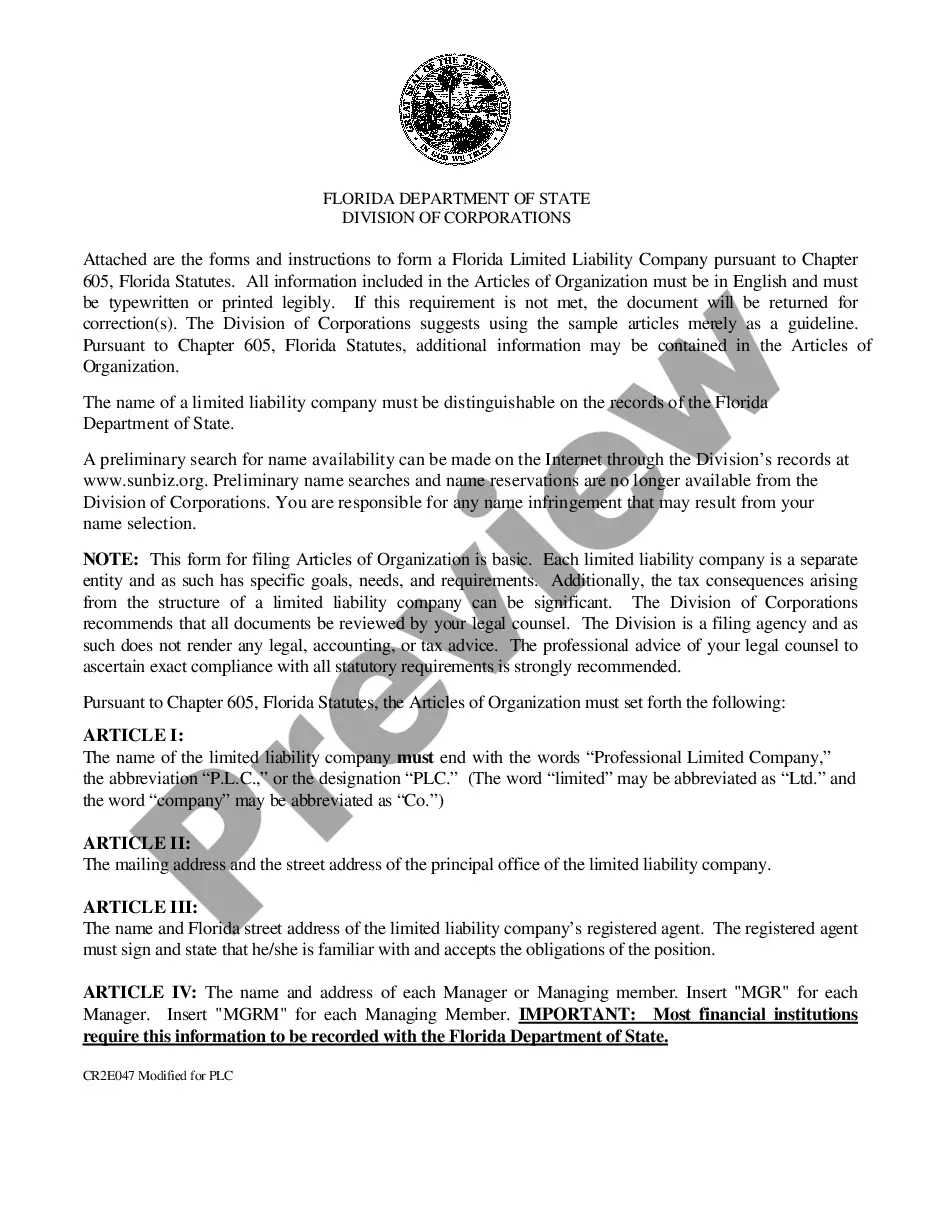




Form popularity
FAQ
Timeline of How to File a Lawsuit Step 1: File a Complaint. Plaintiff files a complaint and summons with the local county court. Step 2: Answer Complaint. Step 3: Discovery. Step 4: Failing to Respond to Discovery. Step 5: Conclusion of Lawsuit.
The plaintiff files a document (complaint) with the clerk of the court stating the reasons why the plaintiff is suing the defendant, and what action the plaintiff wants the court to take. A copy of the complaint and a summons are delivered to (served on) the defendant.
Any claim that is not filed within 180 DAYS after the cause of action accrues is barred, and no action may be maintained thereon.
Domesticating Foreign Judgements Obtain an authenticated copy of the original foreign judgment. File an application of filing a foreign judgement with the court. Record the domesticated judgment in the Superior Court of the Arizona county in which the defendant resides.
A plaintiff representing herself may obtain and fill out a prepared Complaint form from the Clerk of the Court at the courthouse or online at each county court website or by visiting . The Complaint must be filed with the Clerk of the appropriate court.
Ing to Arizona law, probate proceedings must be kept open for at least 4 months to allow any creditors to make their claims. Informal probates typically last between 6-8 months, depending on how quickly the Personal Representative completes their required duties.
Criminal History information must be requested from the Arizona Department of Public Safety. Recorded documents such as oaths of office, judgements, liens and deeds are available at the Maricopa County Recorder's Office.
Ing to Arizona law, probate proceedings must be kept open for at least 4 months to allow any creditors to make their claims. Informal probates typically last between 6-8 months, depending on how quickly the Personal Representative completes their required duties.
Before an Arbitrator is Appointed When filing a complaint, the plaintiff also must file a Certificate of Compulsory Arbitration which states the monetary amount of the controversy. If the case is designated an arbitration case, an arbitrator is appointed once an answer to the complaint is filed.
The only way to avoid a probate, or essentially having the courts and an attorney decide who is worthy of your belongings, is to write a living will. A.R.S. § 14-3101.

