Judgment Letter Of Administration In Houston
Description





Get your form ready online
Our built-in tools help you complete, sign, share, and store your documents in one place.
Make edits, fill in missing information, and update formatting in US Legal Forms—just like you would in MS Word.
Download a copy, print it, send it by email, or mail it via USPS—whatever works best for your next step.
Sign and collect signatures with our SignNow integration. Send to multiple recipients, set reminders, and more. Go Premium to unlock E-Sign.
If this form requires notarization, complete it online through a secure video call—no need to meet a notary in person or wait for an appointment.
We protect your documents and personal data by following strict security and privacy standards.

Make edits, fill in missing information, and update formatting in US Legal Forms—just like you would in MS Word.

Download a copy, print it, send it by email, or mail it via USPS—whatever works best for your next step.

Sign and collect signatures with our SignNow integration. Send to multiple recipients, set reminders, and more. Go Premium to unlock E-Sign.

If this form requires notarization, complete it online through a secure video call—no need to meet a notary in person or wait for an appointment.

We protect your documents and personal data by following strict security and privacy standards.
Looking for another form?
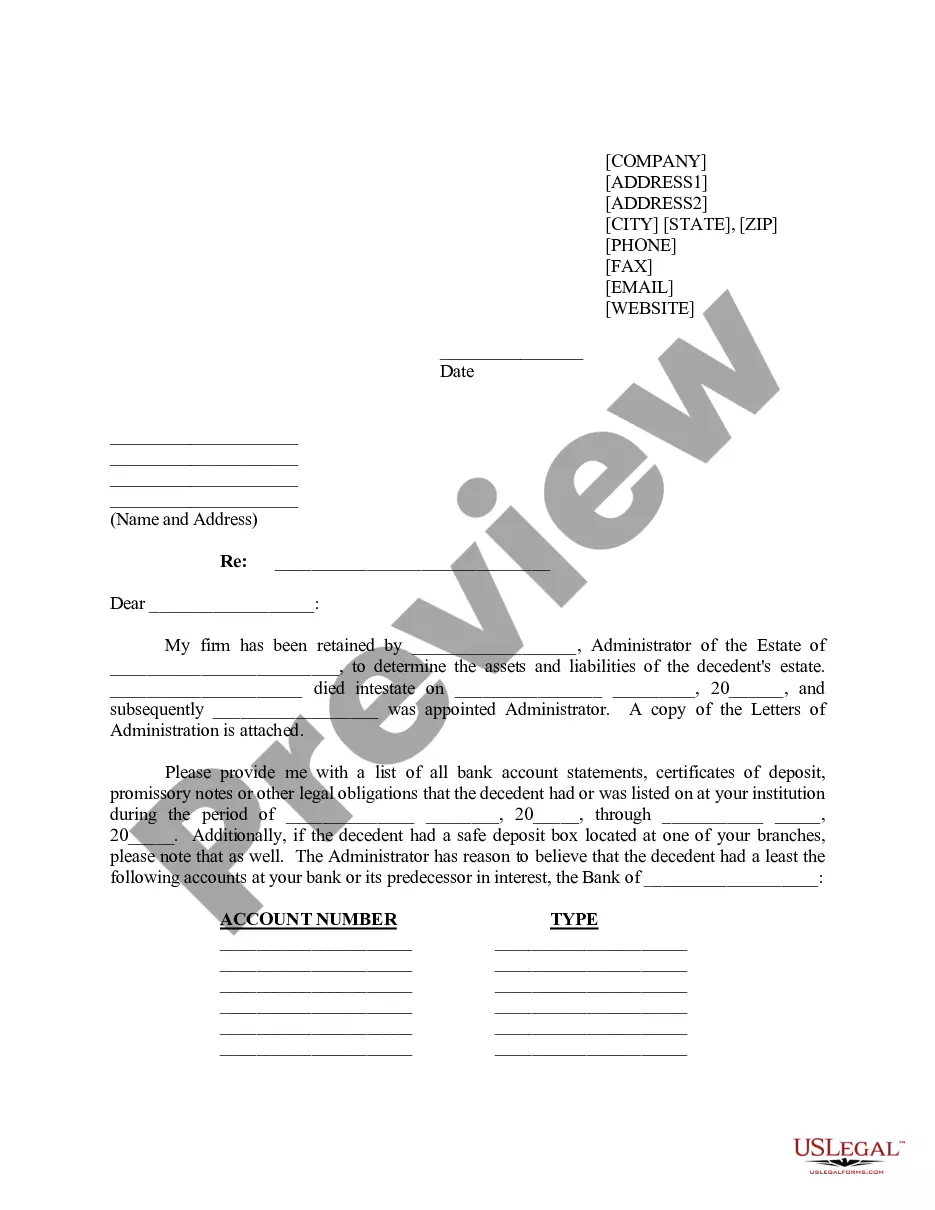
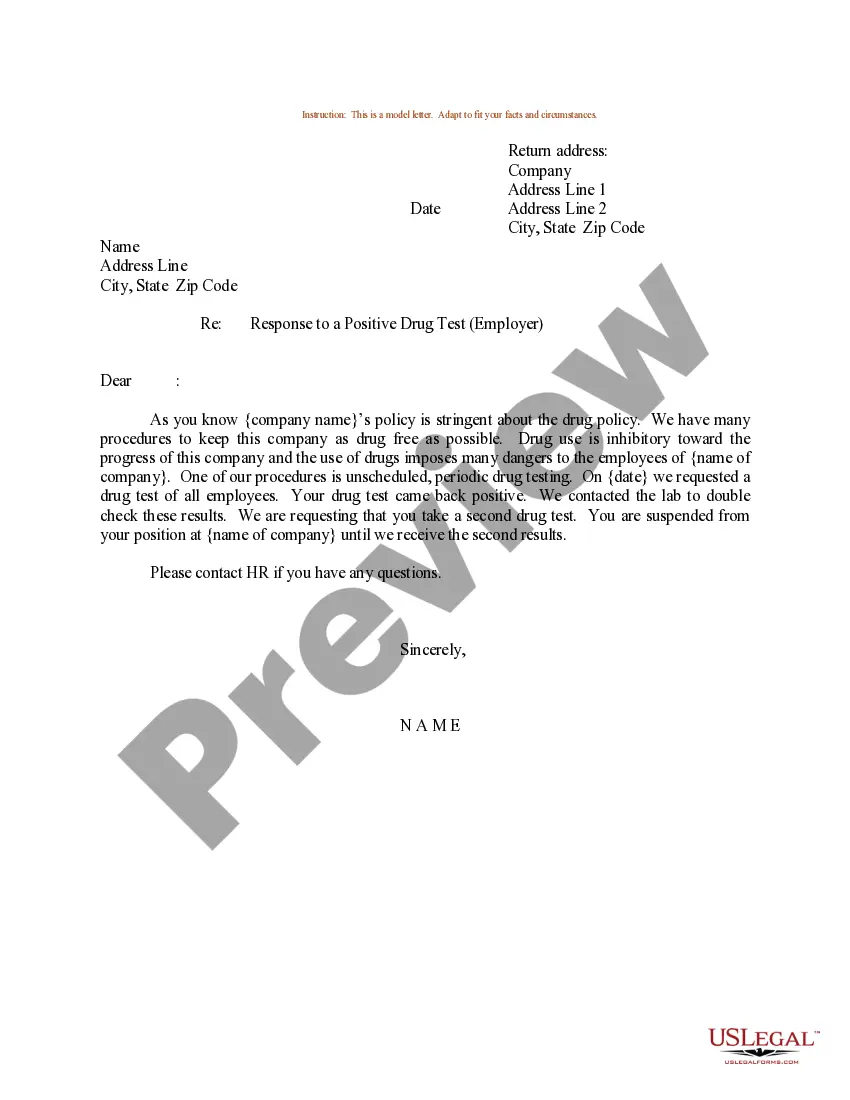
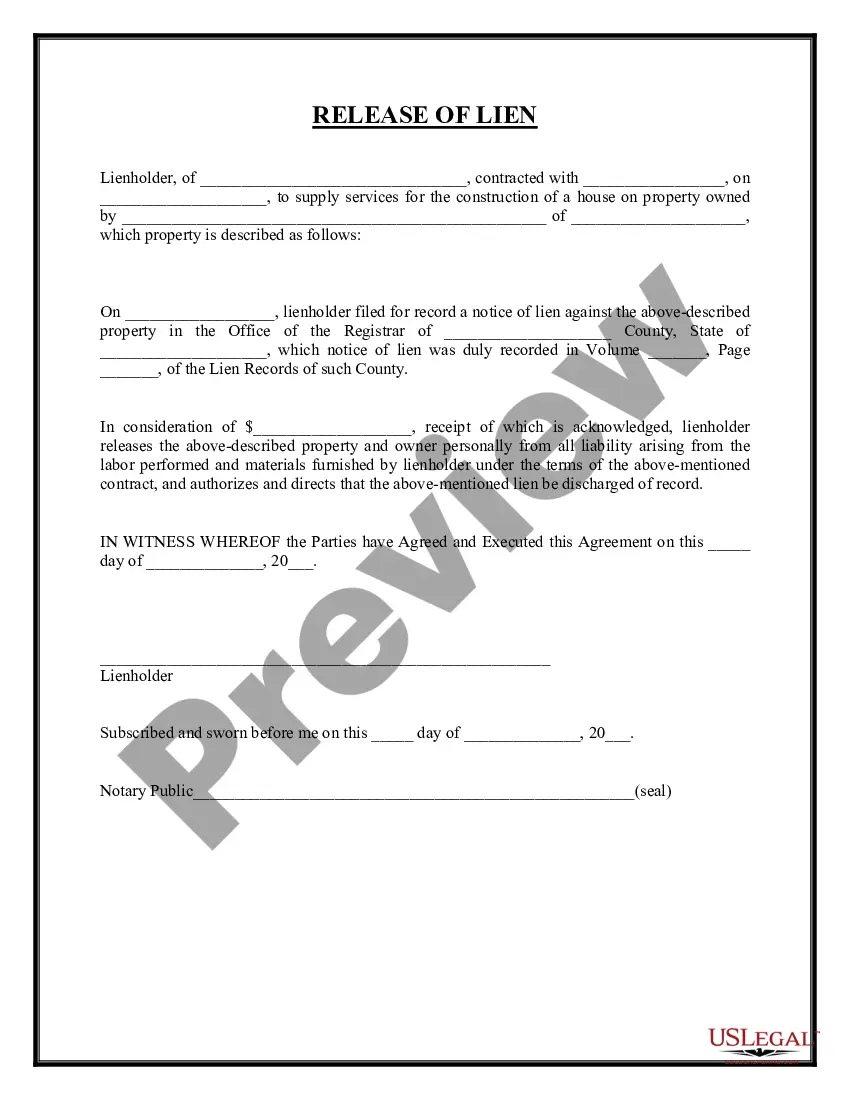
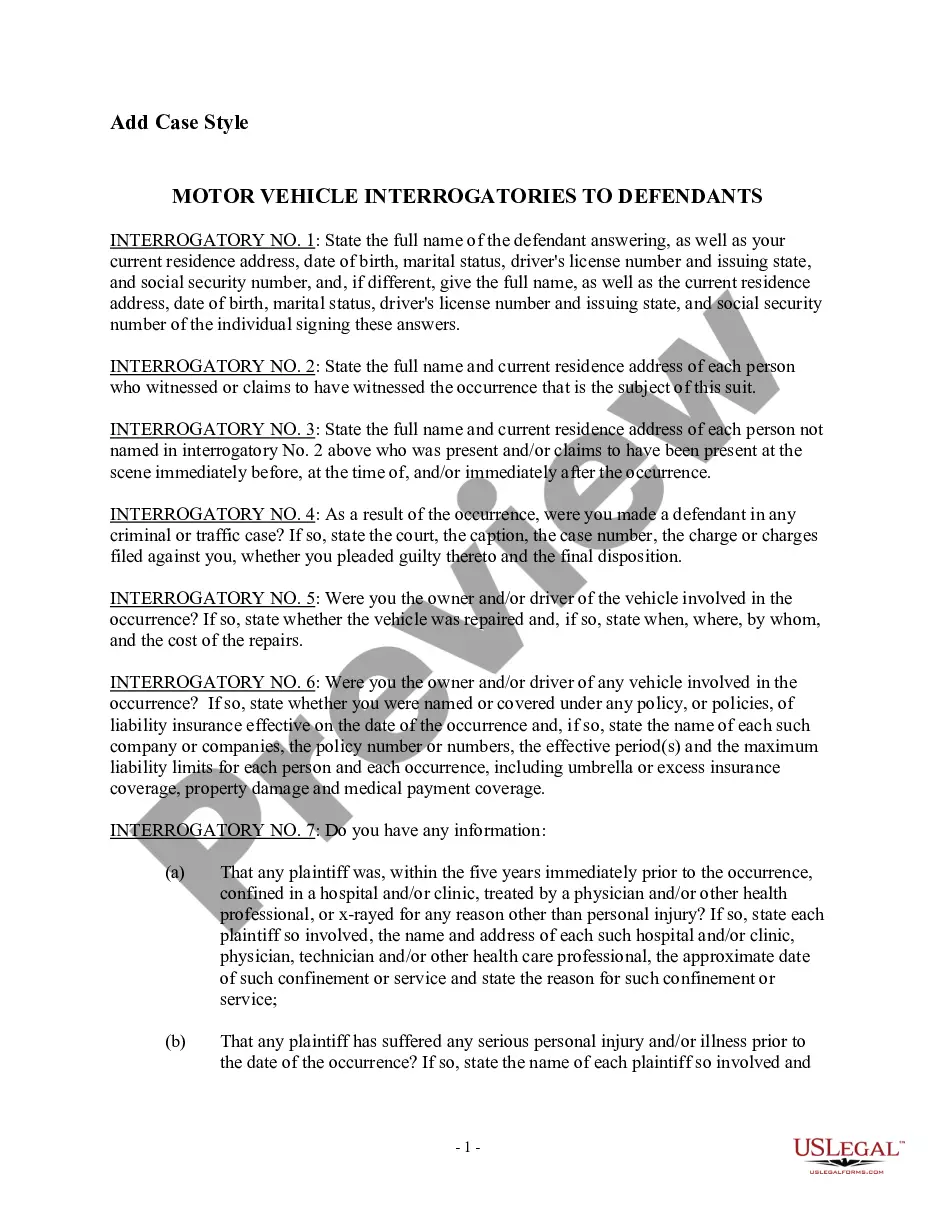




Form popularity
FAQ
To probate a will, you'll need to file an application in a probate court. This is typically done in the county where the deceased had lived. Other rules will apply if the person lived out of state. The court will schedule a hearing to examine the will and listen to any objections.
Letters Testamentary in Texas Letters Testamentary or Letters of Administration are issued by the County Clerk's office after a judge has signed an order authorizing the clerk to issue such letters.
If everything goes smoothly at the hearing and the court approves your application, you'll receive your Letters Testamentary. This typically happens within 30 days of the hearing, although it can sometimes take longer.
If you are the executor of an estate, legal representation is critical. Working with experienced estate attorneys will help you protect yourself and the estate's assets. Our skilled estate attorneys have years of experience working with executors and guiding them through the processes of administering an estate.
How to Obtain Letters Testamentary or Letters of Administration. You have to file the application for probate, as noted above, to get these letters. There is no other way to get them. Once the court appoints the executor or administrator, the County Clerk is authorized to issue the letters.
Letters testamentary are granted to an individual if they have been named executor in the decedent's will. Letters of administration, however, are given to an administrator appointed by the probate court if the decedent died intestate, or without a valid will. Both documents grant the same powers to the holder.
How to get letters of administration Obtain all the necessary documents. It's best to contact the probate court for specific requirements, but the necessary documents typically include. Touch base with other relatives. File an application for letters of administration. Appear in court for verification.
How do I get a letter of testamentary in California? Obtain the deceased person's will and death certificate. Submit a Petition for Probate in the Superior Court in the county where the decedent live by filing Form DE-111, a copy of the will, and your personal identification.
Can You Get a Letter of Testamentary Without Probate? The deceased had a will, and the will states that it does not need probate. The deceased died with assets worth less than $100,000. The deceased died without assets or debts of any kind.

