Letter For Judgment In Contra Costa
Description





Get your form ready online
Our built-in tools help you complete, sign, share, and store your documents in one place.
Make edits, fill in missing information, and update formatting in US Legal Forms—just like you would in MS Word.
Download a copy, print it, send it by email, or mail it via USPS—whatever works best for your next step.
Sign and collect signatures with our SignNow integration. Send to multiple recipients, set reminders, and more. Go Premium to unlock E-Sign.
If this form requires notarization, complete it online through a secure video call—no need to meet a notary in person or wait for an appointment.
We protect your documents and personal data by following strict security and privacy standards.

Make edits, fill in missing information, and update formatting in US Legal Forms—just like you would in MS Word.

Download a copy, print it, send it by email, or mail it via USPS—whatever works best for your next step.

Sign and collect signatures with our SignNow integration. Send to multiple recipients, set reminders, and more. Go Premium to unlock E-Sign.

If this form requires notarization, complete it online through a secure video call—no need to meet a notary in person or wait for an appointment.

We protect your documents and personal data by following strict security and privacy standards.
Looking for another form?

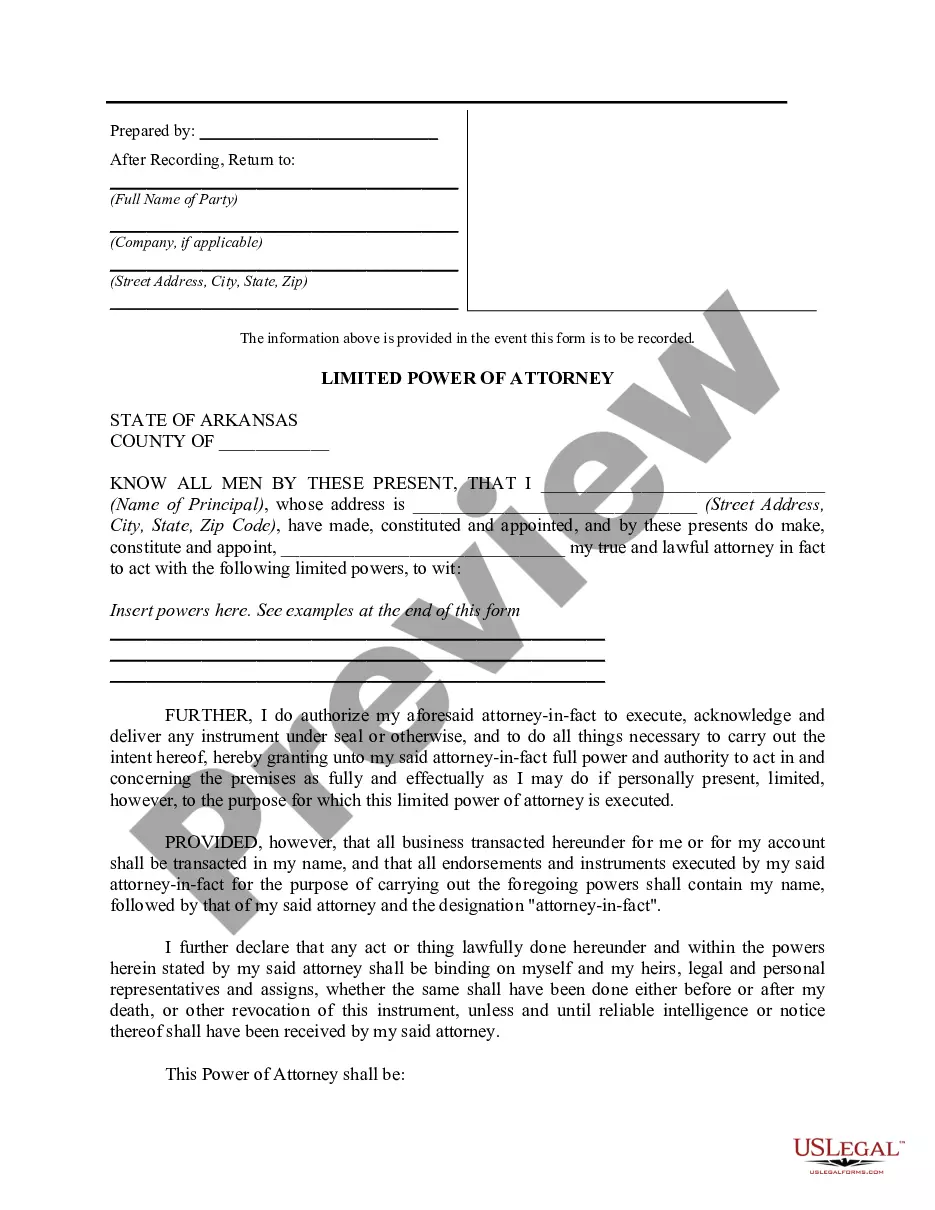
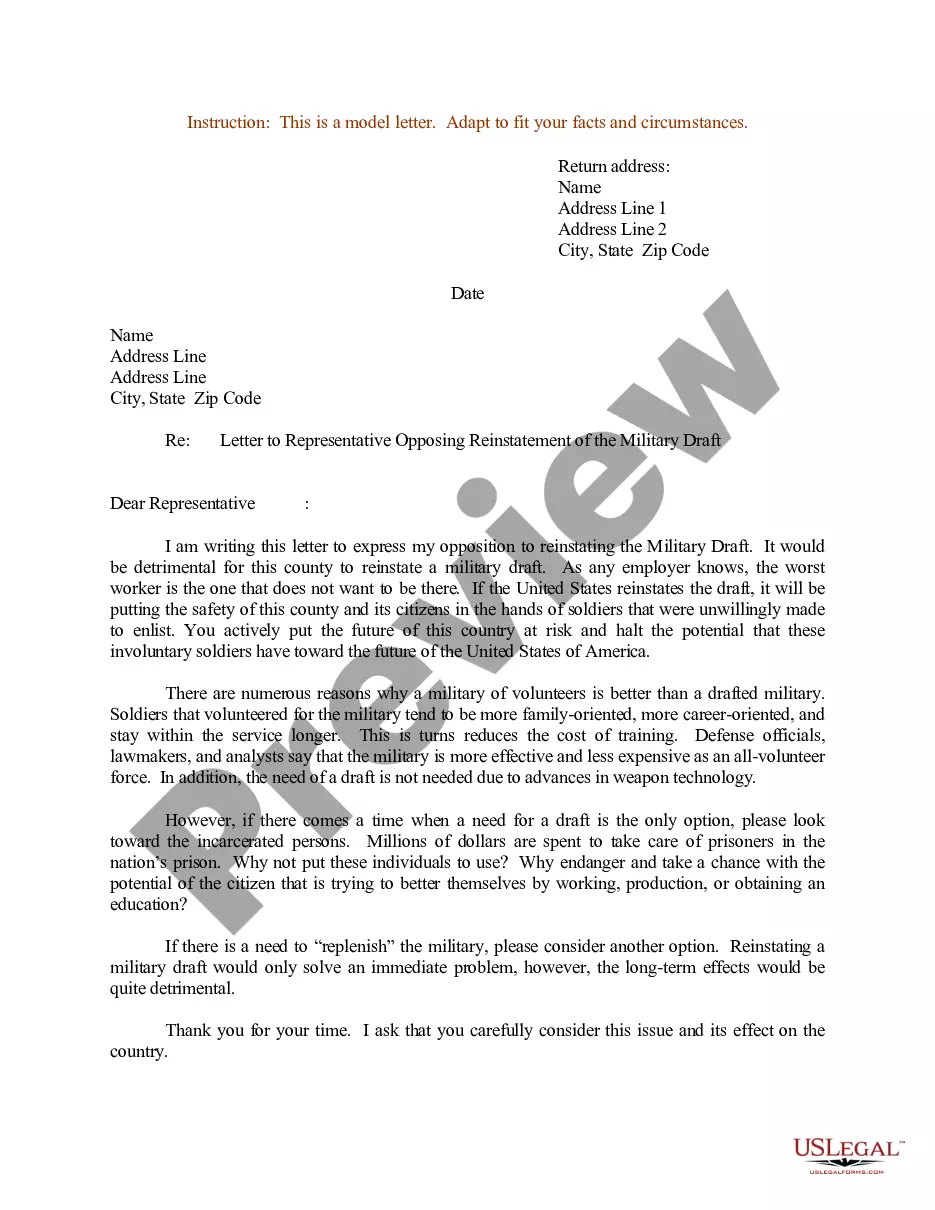




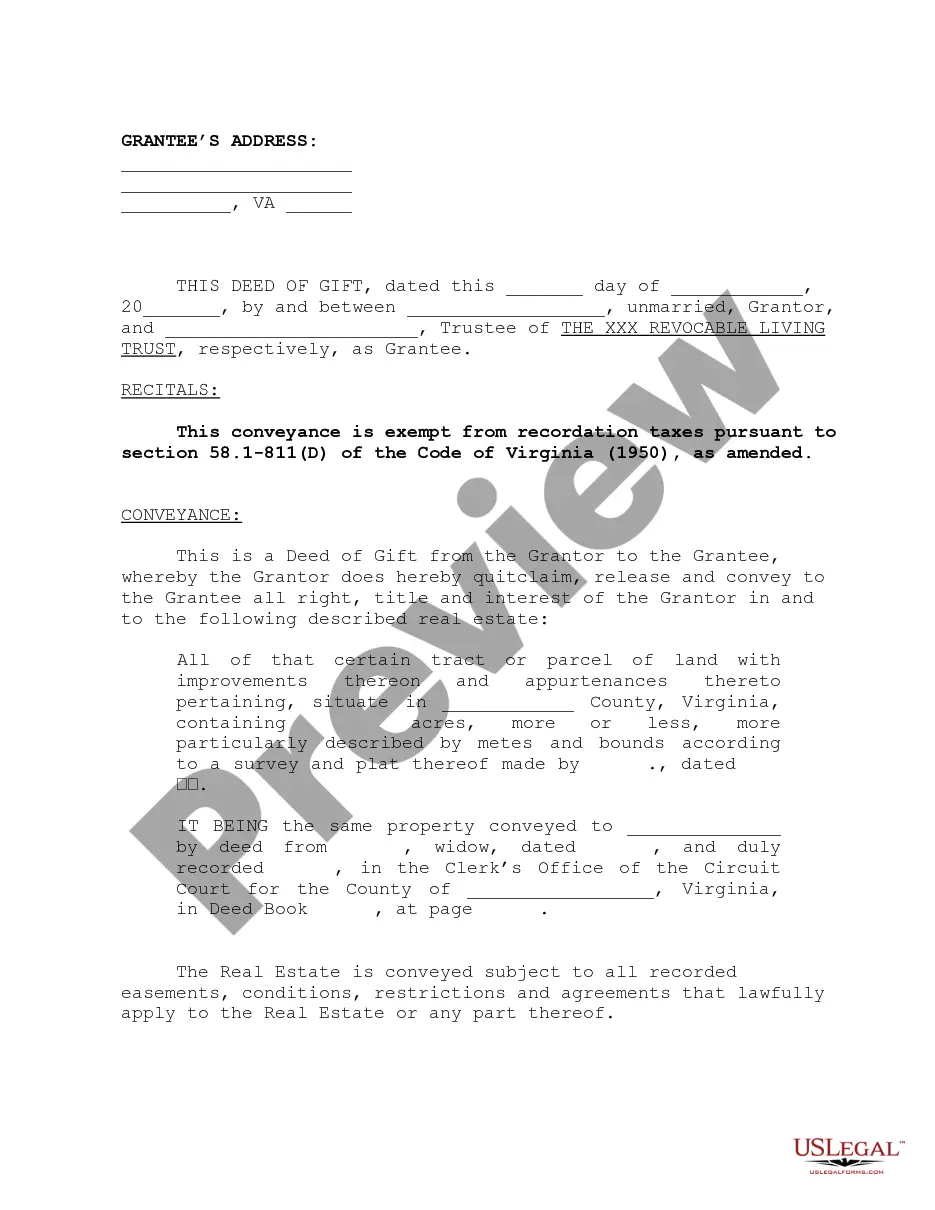


Form popularity
FAQ
Steps to ask a judge to set aside an order Figure out if you have a legal reason. You need to give the judge a legal reason why they should set aside the order or judgment. Fill out and file forms. Fill out and file forms with the court. Serve the other side. Go to the court date.
The basic process to set aside an order or judgment is similar. Figure out if you have a legal reason. You need to give the judge a legal reason why they should set aside the order or judgment. Fill out and file forms. Fill out and file forms with the court. Serve the other side. Go to the court date.
Please tell us as much as you can about what you are looking for, and tell us how we can reach you, including by email. Fill out and send a Request for Judicial Administrative Records form to the Public Information Officer by fax at (925) 608-2658 or by email at: mediainfo@contracostaurts.ca.
(f) The motion provided for in this section may be made only after one of the following conditions has occurred: (1) If the moving party is a plaintiff, and the defendant has already filed his or her answer to the complaint and the time for the plaintiff to demur to the answer has expired.
A “set aside” in simple terms means that a court vacates or voids a prior order, as if the order never existed. Before a court will “set aside” a judgment or order, there must be a clear statutory basis for the set aside, and facts that warrant the order vacated.
If you are: a person (this includes sole-proprietors) you may claim up to $12,500; if you are a Corporation, limited liability company or partnership, you may claim up to $6,250.
You must inform the court that you are not able to serve. Requests to be excused must be in writing and submitted to the Office of the Jury Commissioner prior to the prospective juror's service date.
Winning an appeal is difficult. In California, fewer than 20% of civil appeals succeed in changing the original decision. This is because the Court of Appeal assumes the trial court's decision was correct unless the person appealing (the appellant) can prove it was wrong.
Appeals are decided by panels of three judges working together. The appellant presents legal arguments to the panel, in writing, in a document called a "brief." In the brief, the appellant tries to persuade the judges that the trial court made an error, and that its decision should be reversed.

