Payment Of Judgment Debt In Arizona
Description





Get your form ready online
Our built-in tools help you complete, sign, share, and store your documents in one place.
Make edits, fill in missing information, and update formatting in US Legal Forms—just like you would in MS Word.
Download a copy, print it, send it by email, or mail it via USPS—whatever works best for your next step.
Sign and collect signatures with our SignNow integration. Send to multiple recipients, set reminders, and more. Go Premium to unlock E-Sign.
If this form requires notarization, complete it online through a secure video call—no need to meet a notary in person or wait for an appointment.
We protect your documents and personal data by following strict security and privacy standards.

Make edits, fill in missing information, and update formatting in US Legal Forms—just like you would in MS Word.

Download a copy, print it, send it by email, or mail it via USPS—whatever works best for your next step.

Sign and collect signatures with our SignNow integration. Send to multiple recipients, set reminders, and more. Go Premium to unlock E-Sign.

If this form requires notarization, complete it online through a secure video call—no need to meet a notary in person or wait for an appointment.

We protect your documents and personal data by following strict security and privacy standards.
Looking for another form?



Form popularity
FAQ
The first step to filing a mechanics lien is to record a Notice and Claim of Lien within 60 days after the property owner has recorded a Notice of Completion. If a notice has not been recorded, however, you will have 120 days after the completion of the project to record the claim.
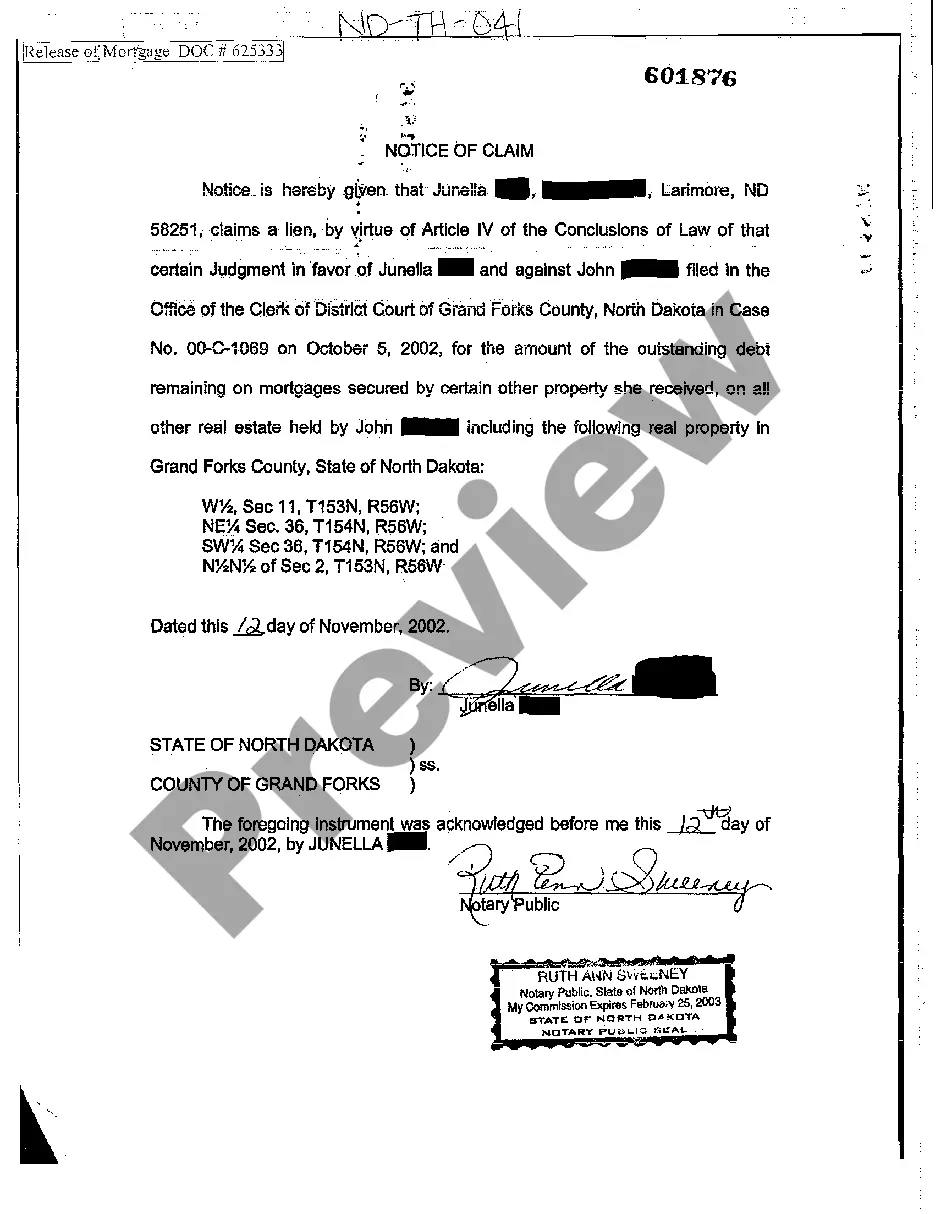
How does a creditor go about getting a judgment lien in Arizona? To attach the lien, the creditor files and records a judgment with the county recorder in any Arizona county where the debtor owns property now or where they may own property in the future.
A Judgment is enforceable for ten (10) years from date of Judgment. The Judgment may be renewed prior to the expiration of the Judgment date for an additional ten (10) years. The Judgment belongs to you, the Judgment Creditor.
How does a creditor go about getting a judgment lien in Arizona? To attach the lien, the creditor files and records a judgment with the county recorder in any Arizona county where the debtor owns property now or where they may own property in the future.
A motion to vacate must be filed within a reasonable time. For reasons (1) and (2), the motion must be filed no more than 6 months after the entry of the judgment or the date of the proceeding, whichever is later. The moving party must deliver a copy of the motion to the other party on the date of filing.
Statute of Limitations in Arizona The statute of limitations for credit card debt is three years. For car loans, mortgages and medical debts it's six years, and for unpaid taxes it's 10 years. The timeframe indicates the amount of time a debt collector has to collect a debt.
Arizona Judgments are Enforceable for at Least Ten Years The ten years starts running from the when the Clerk of the Court enters in the judgment. This is important to understand because the date the Clerk of the Court enters the judgment can (and often is) different from the date the judge signed the judgment.
The Fines / Fees and Restitution Enforcement Program (FARE) is a statewide initiative of the Arizona Judicial branch. The program was established to hold offenders accountable for financial obligations owed, to assist in the enforcement of court orders, and to increase collections in the Arizona Court system.

