Exhibition Contract Template For Virtual Assistant In Miami-Dade
Description
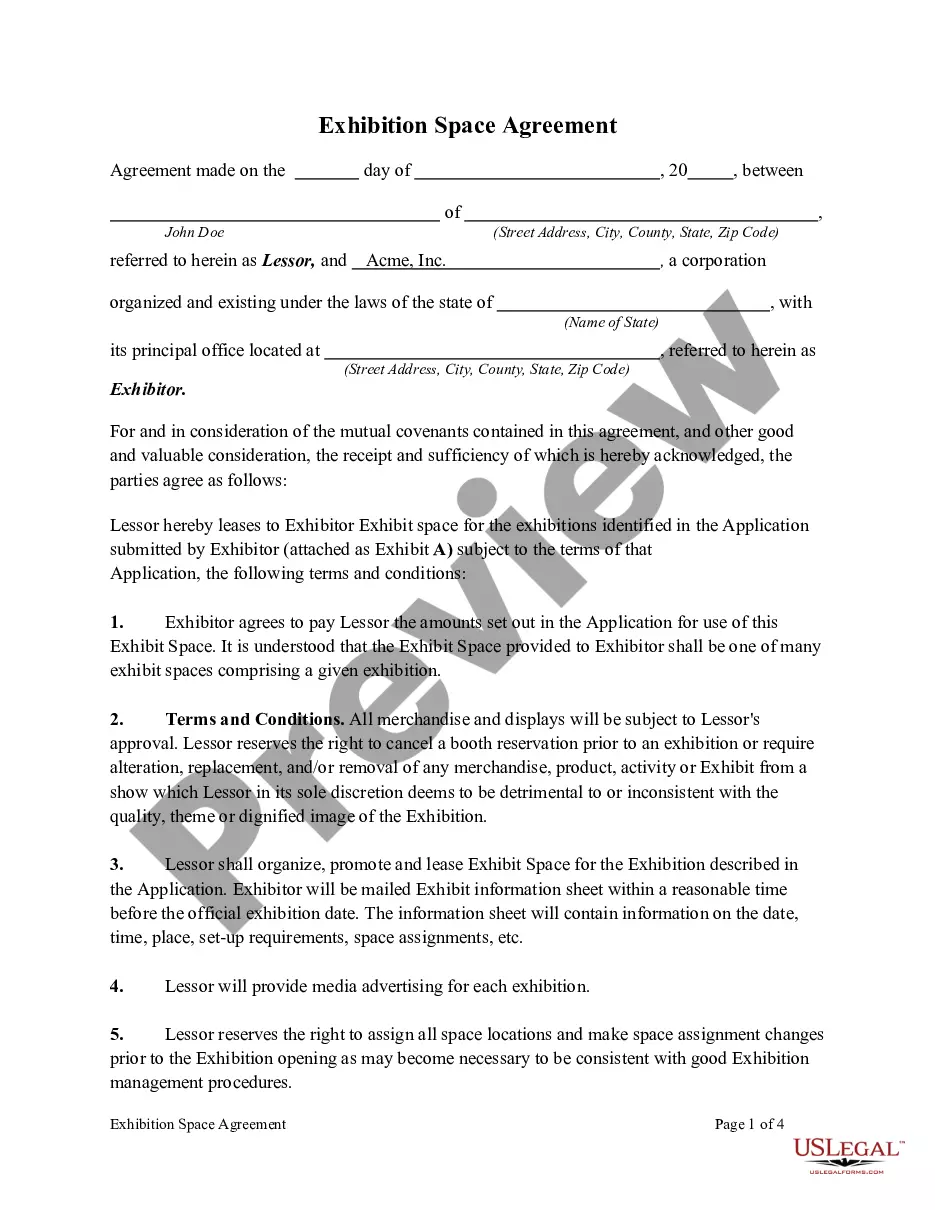
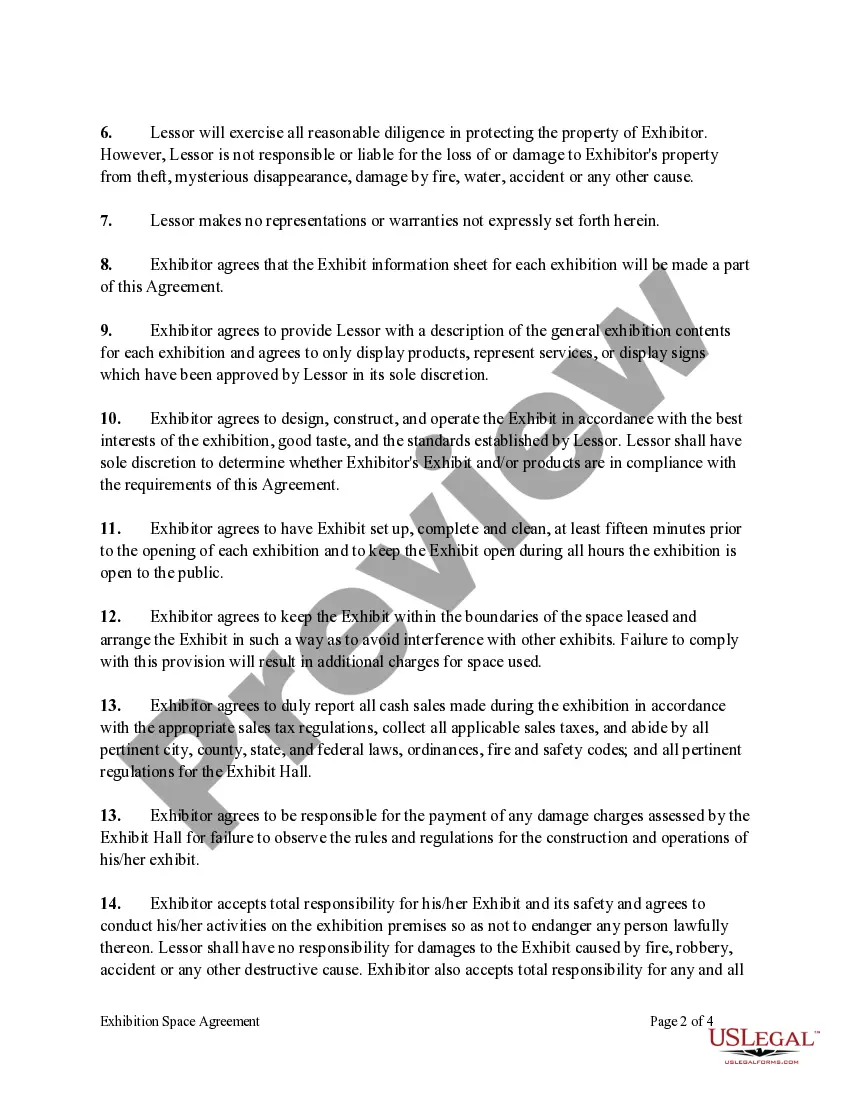
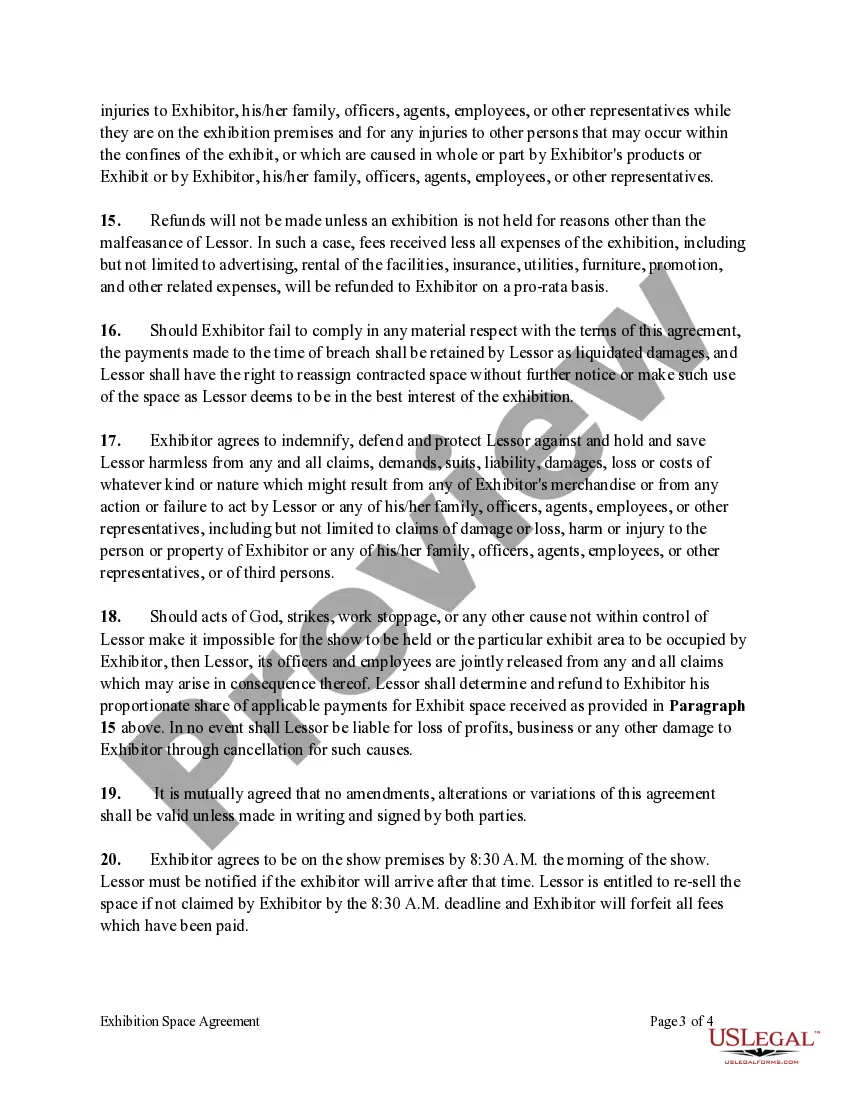
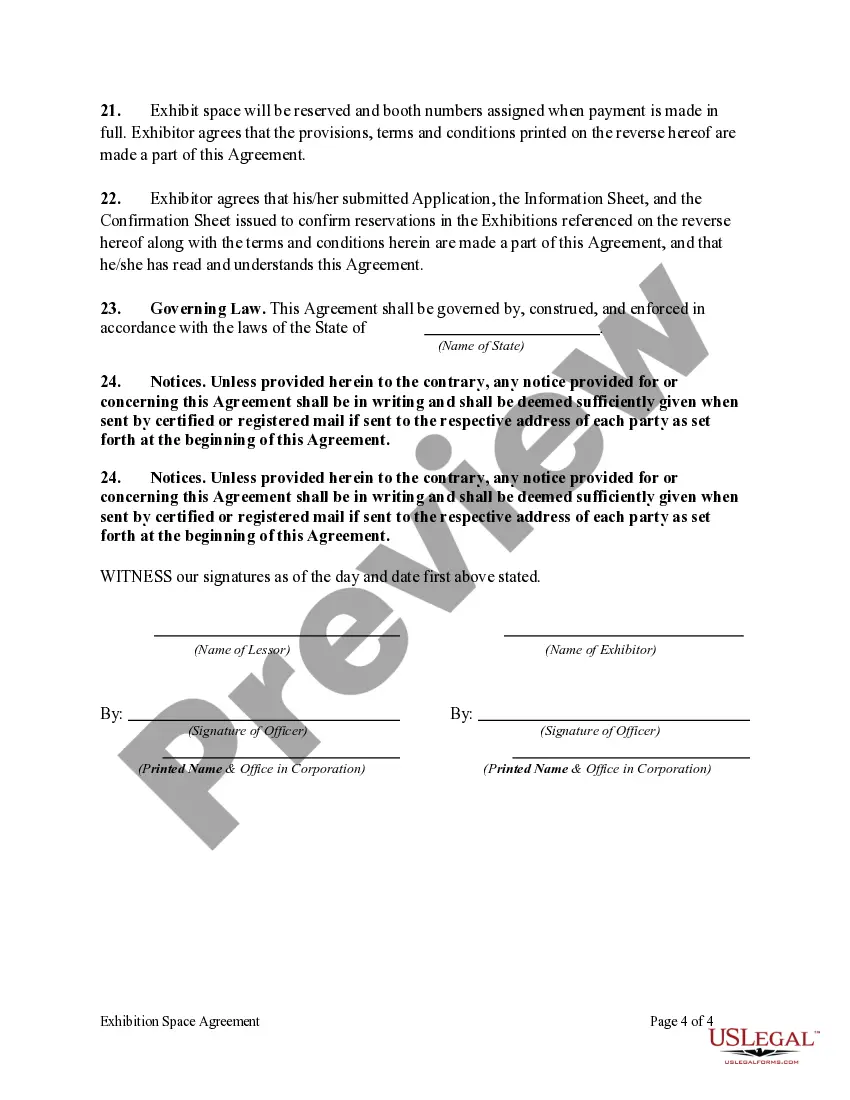
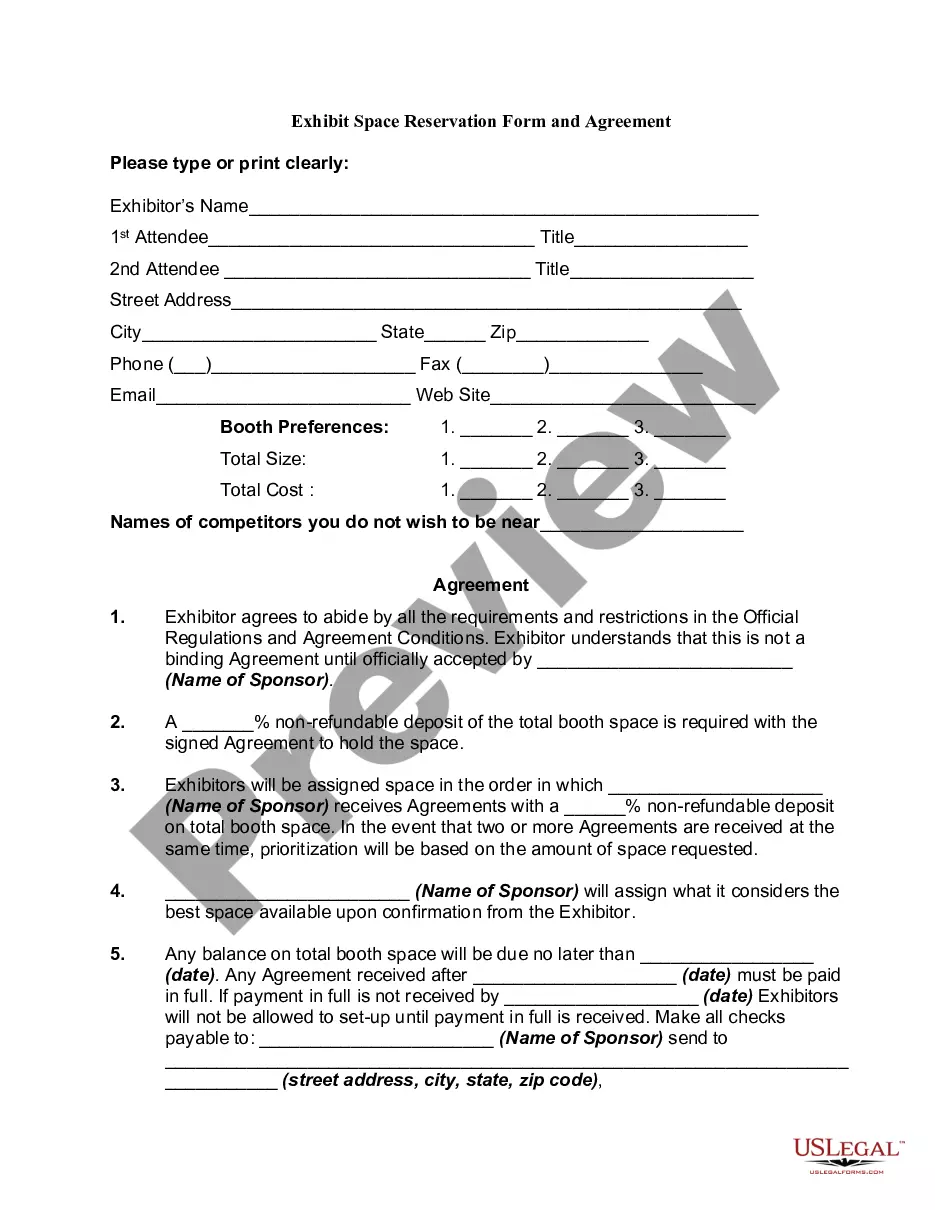

Get your form ready online
Our built-in tools help you complete, sign, share, and store your documents in one place.
Make edits, fill in missing information, and update formatting in US Legal Forms—just like you would in MS Word.
Download a copy, print it, send it by email, or mail it via USPS—whatever works best for your next step.
Sign and collect signatures with our SignNow integration. Send to multiple recipients, set reminders, and more. Go Premium to unlock E-Sign.
If this form requires notarization, complete it online through a secure video call—no need to meet a notary in person or wait for an appointment.
We protect your documents and personal data by following strict security and privacy standards.

Make edits, fill in missing information, and update formatting in US Legal Forms—just like you would in MS Word.

Download a copy, print it, send it by email, or mail it via USPS—whatever works best for your next step.

Sign and collect signatures with our SignNow integration. Send to multiple recipients, set reminders, and more. Go Premium to unlock E-Sign.

If this form requires notarization, complete it online through a secure video call—no need to meet a notary in person or wait for an appointment.

We protect your documents and personal data by following strict security and privacy standards.
Looking for another form?









Form popularity
FAQ
With that in mind, here is a step-by-step guide on crafting that perfect elevator pitch! Introduce Yourself. Explain What You Do. Promote Your Benefits. Sell Your Differences. Get Them Involved. Follow Up With a CTA. Examples.
Start by providing your name and the role you're pursuing. Then, share why you're interested in being a virtual assistant and what makes you stand out. Your introduction should also highlight your expertise in areas like scheduling, data entry, and research, to demonstrate your organizational skills.
There are also specialized virtual assistants who can handle work with social media, graphic design, writing blog articles, and more. The specific duties vary based on the needs of the business and the VA's professional skills and experience. A virtual assistant can be an independent contractor or an employee.
Start by providing your name and the role you're pursuing. Then, share why you're interested in being a virtual assistant and what makes you stand out. Your introduction should also highlight your expertise in areas like scheduling, data entry, and research, to demonstrate your organizational skills.
Responsibilities include email management, scheduling appointments, data entry, and assisting with social media management across multiple platforms. This position is perfect for a small business owner or team that needs efficient support without requiring a full-time employee.
Here are a few ways you can market yourself as a Virtual Assistant to start getting clients: Website. Social Media. Face to Face Networking. Masterclasses / Webinars. Word-of-Mouth Referrals. Business Cards. Past Colleagues. Friends and Family.
How to market your Virtual Assistant business Network your socks off. Attend your target market's industry events. Join Meetup. Get some snazzy business cards. Tap your professional network. Arrange to meet your online contacts. Ask for LinkedIn introductions. Run a Google/Bing Adwords campaign.
