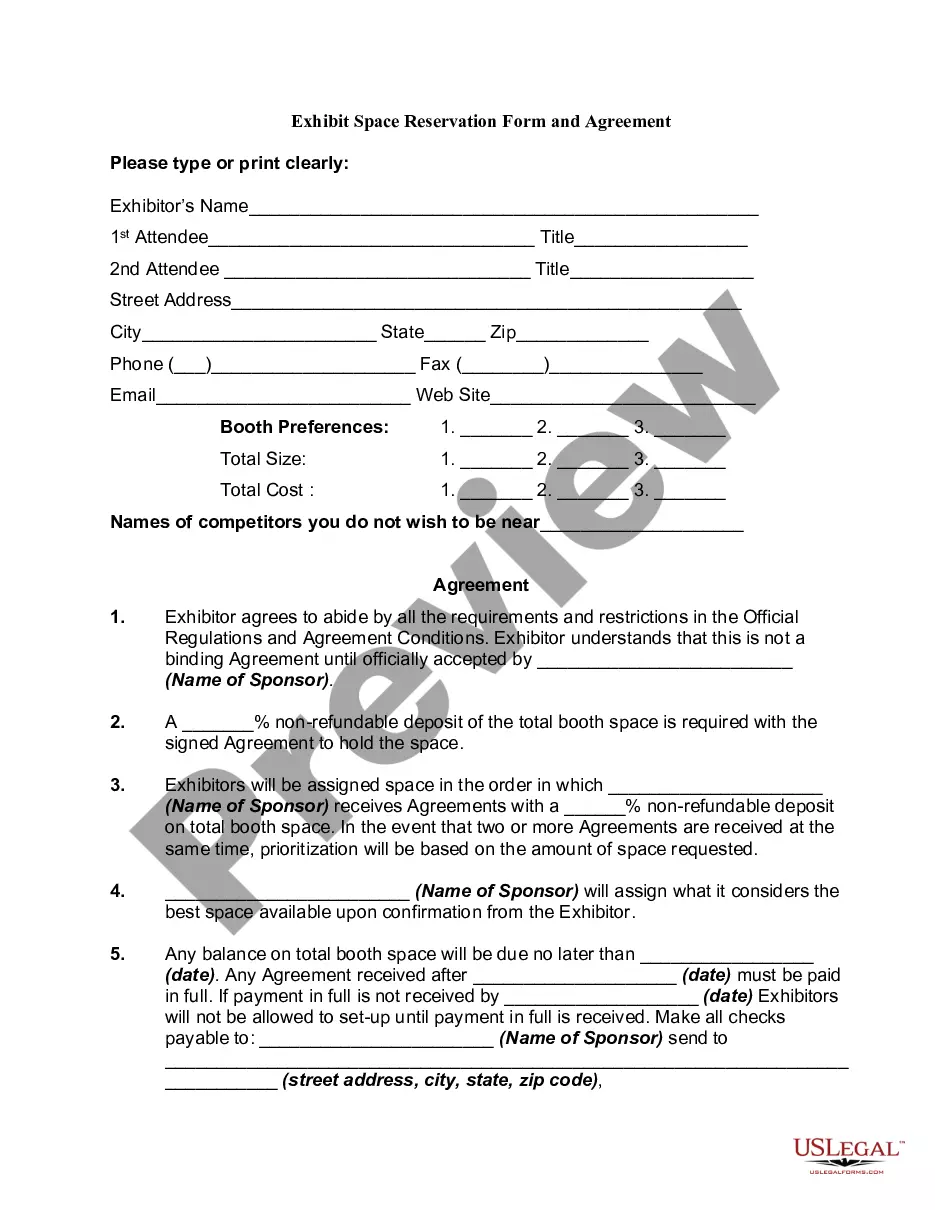
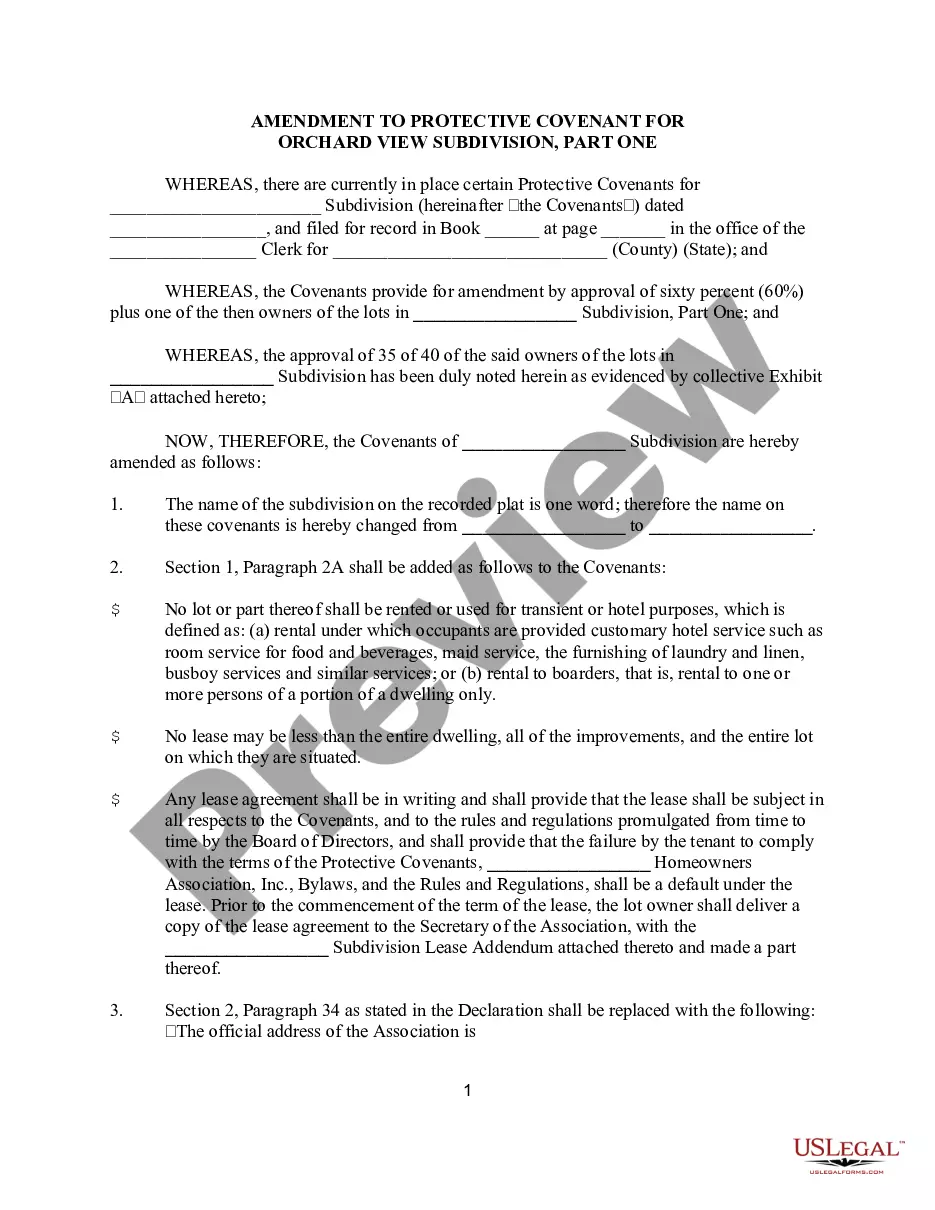
Exhibition Contract Template With Stock Options In Clark
Description
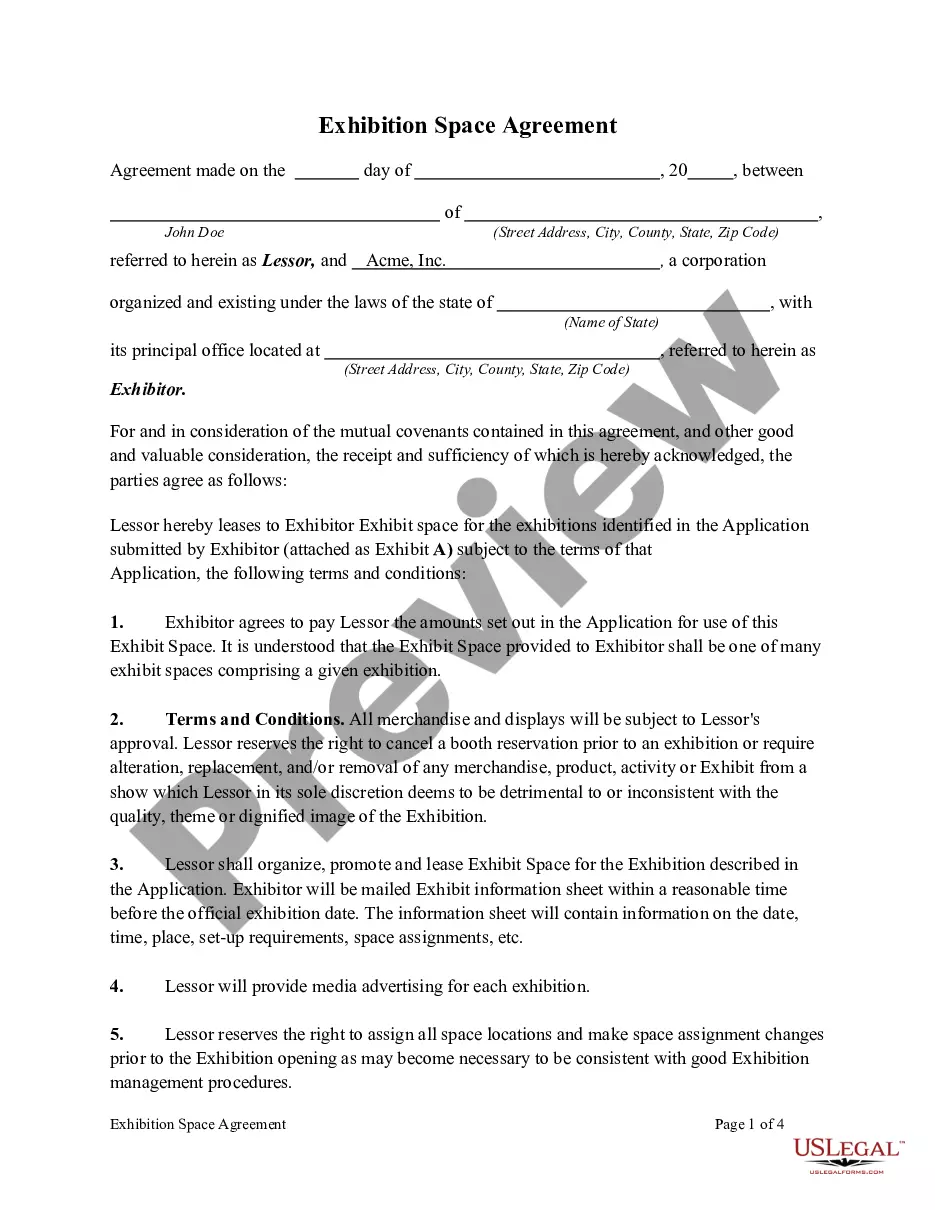
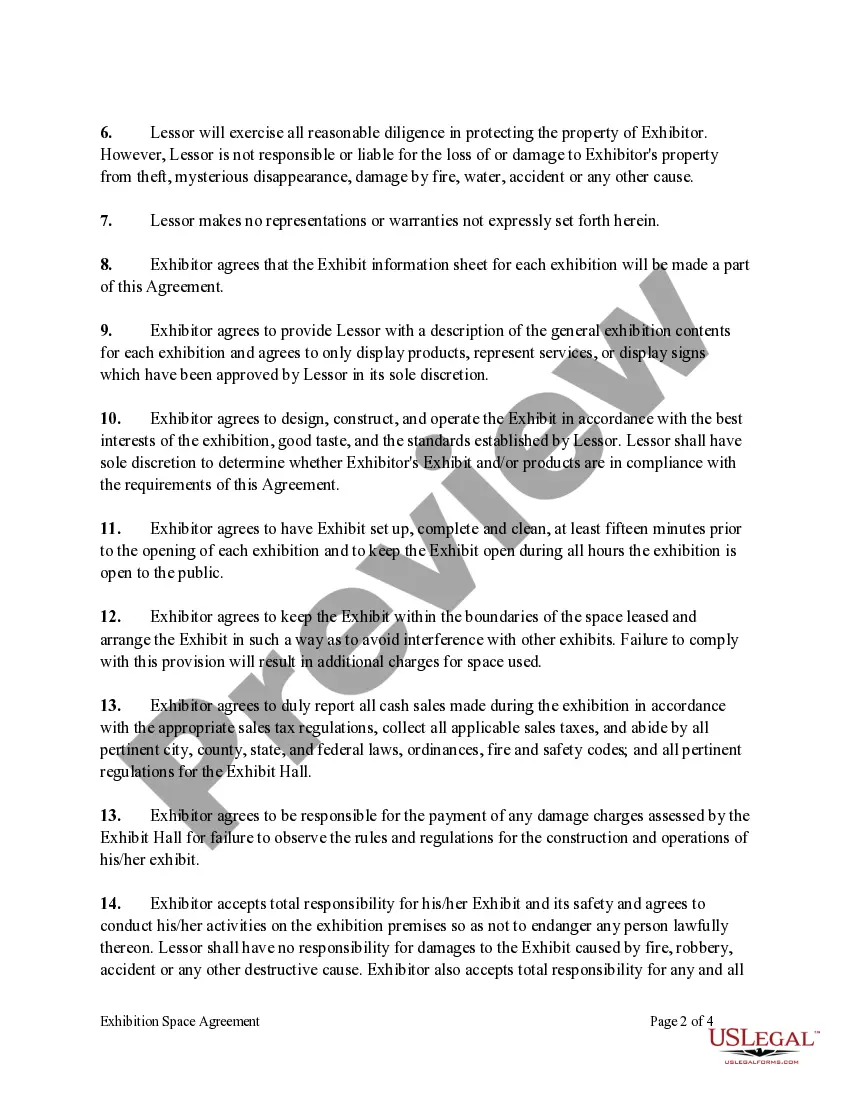
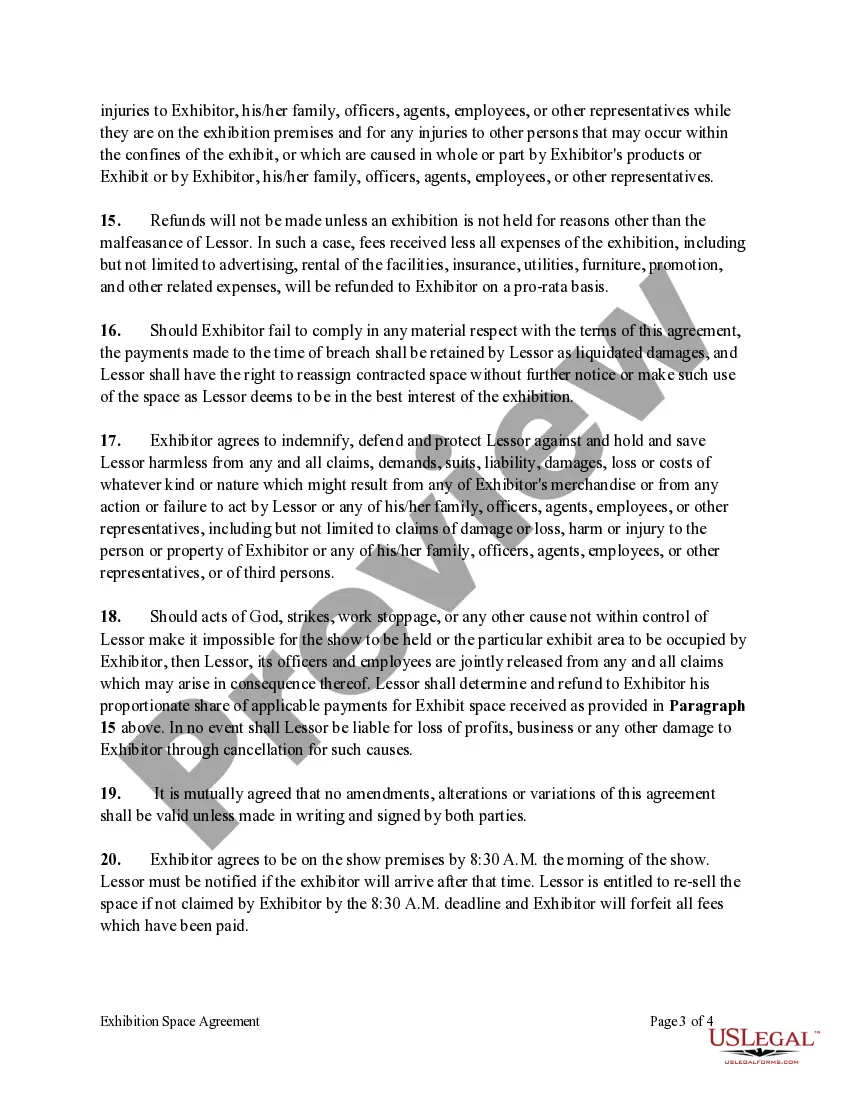
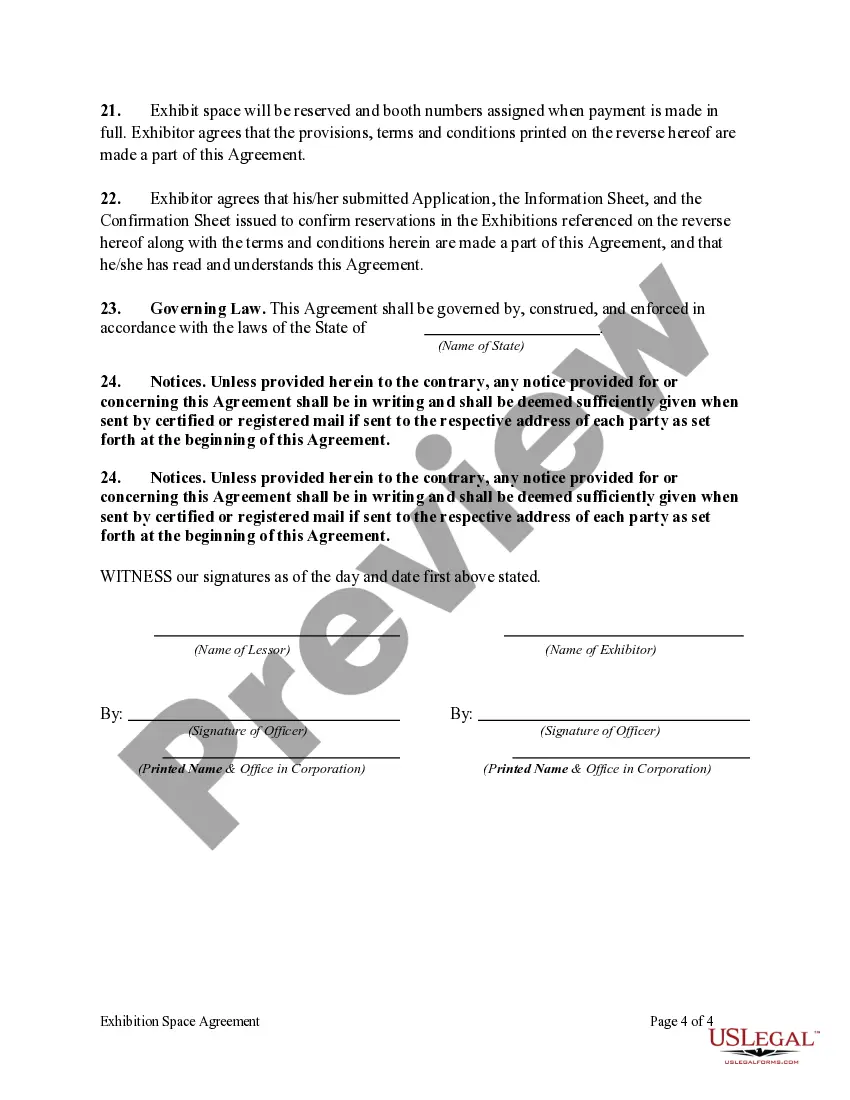

Get your form ready online
Our built-in tools help you complete, sign, share, and store your documents in one place.
Make edits, fill in missing information, and update formatting in US Legal Forms—just like you would in MS Word.
Download a copy, print it, send it by email, or mail it via USPS—whatever works best for your next step.
Sign and collect signatures with our SignNow integration. Send to multiple recipients, set reminders, and more. Go Premium to unlock E-Sign.
If this form requires notarization, complete it online through a secure video call—no need to meet a notary in person or wait for an appointment.
We protect your documents and personal data by following strict security and privacy standards.

Make edits, fill in missing information, and update formatting in US Legal Forms—just like you would in MS Word.

Download a copy, print it, send it by email, or mail it via USPS—whatever works best for your next step.

Sign and collect signatures with our SignNow integration. Send to multiple recipients, set reminders, and more. Go Premium to unlock E-Sign.

If this form requires notarization, complete it online through a secure video call—no need to meet a notary in person or wait for an appointment.

We protect your documents and personal data by following strict security and privacy standards.
Looking for another form?









Form popularity
FAQ
Key Aspects Rule The rule typically specifies that a contractor cannot work for the same employer for more than 2 consecutive years.
The 100K Rule1 states that employees cannot receive more than $100K worth of exercisable incentive stock options (ISOs) in a calendar year.
NSO may be granted to employees and non-employees (advisors, consultants, board members), whereas ISOs can only be granted to employees. NSO may be granted by any entity Corporations, LLCs, Partnerships, whereas ISO can only be granted by Corporations. Exercise periods for NSO is more flexible than ISO.
A vesting agreement is an agreement entered into between a corporation and a shareholder (usually an employee) that restricts the vesting of securities with the shareholder over a period of time or subject to other conditions.
Share vesting is the process by which an employee, investor, or co-founder is rewarded with shares or stock options but receives the full rights to them little by little over time.
Vesting agreements are designed when the company has decided to issue shares to a stakeholder (an employee or consultant or investor) and vesting conditions have to be applied. Vesting agreements are a must for startups. These documents also include provisions for exit.
“Vesting” in a retirement plan means ownership. This means that each employee will vest, or own, a certain percentage of their account in the plan each year. An employee who is 100% vested in his or her account balance owns 100% of it and the employer cannot forfeit, or take it back, for any reason.
