Authority Letter To Collect Documents In Utah
Description




Get your form ready online
Our built-in tools help you complete, sign, share, and store your documents in one place.
Make edits, fill in missing information, and update formatting in US Legal Forms—just like you would in MS Word.
Download a copy, print it, send it by email, or mail it via USPS—whatever works best for your next step.
Sign and collect signatures with our SignNow integration. Send to multiple recipients, set reminders, and more. Go Premium to unlock E-Sign.
If this form requires notarization, complete it online through a secure video call—no need to meet a notary in person or wait for an appointment.
We protect your documents and personal data by following strict security and privacy standards.

Make edits, fill in missing information, and update formatting in US Legal Forms—just like you would in MS Word.

Download a copy, print it, send it by email, or mail it via USPS—whatever works best for your next step.

Sign and collect signatures with our SignNow integration. Send to multiple recipients, set reminders, and more. Go Premium to unlock E-Sign.

If this form requires notarization, complete it online through a secure video call—no need to meet a notary in person or wait for an appointment.

We protect your documents and personal data by following strict security and privacy standards.
Looking for another form?



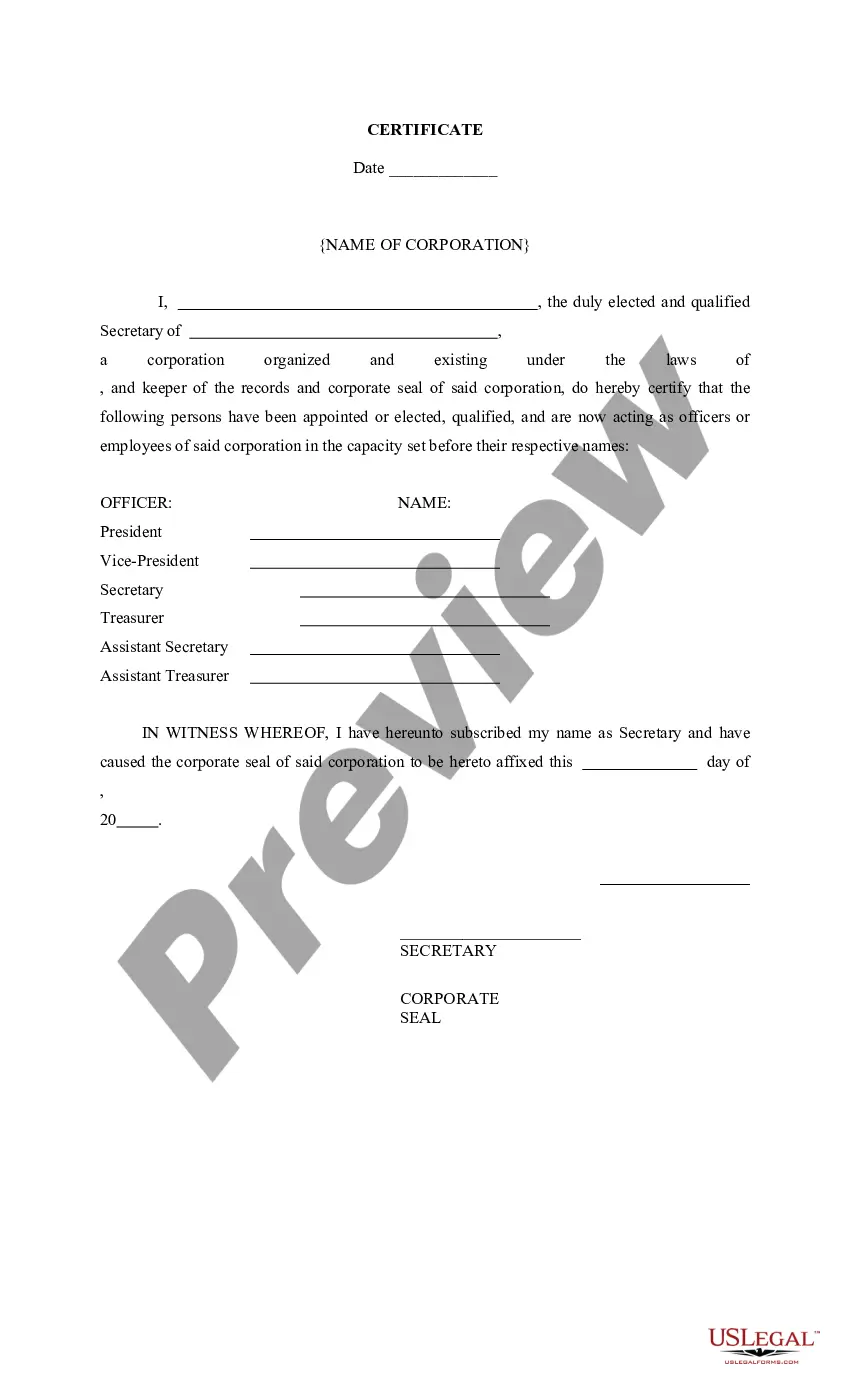
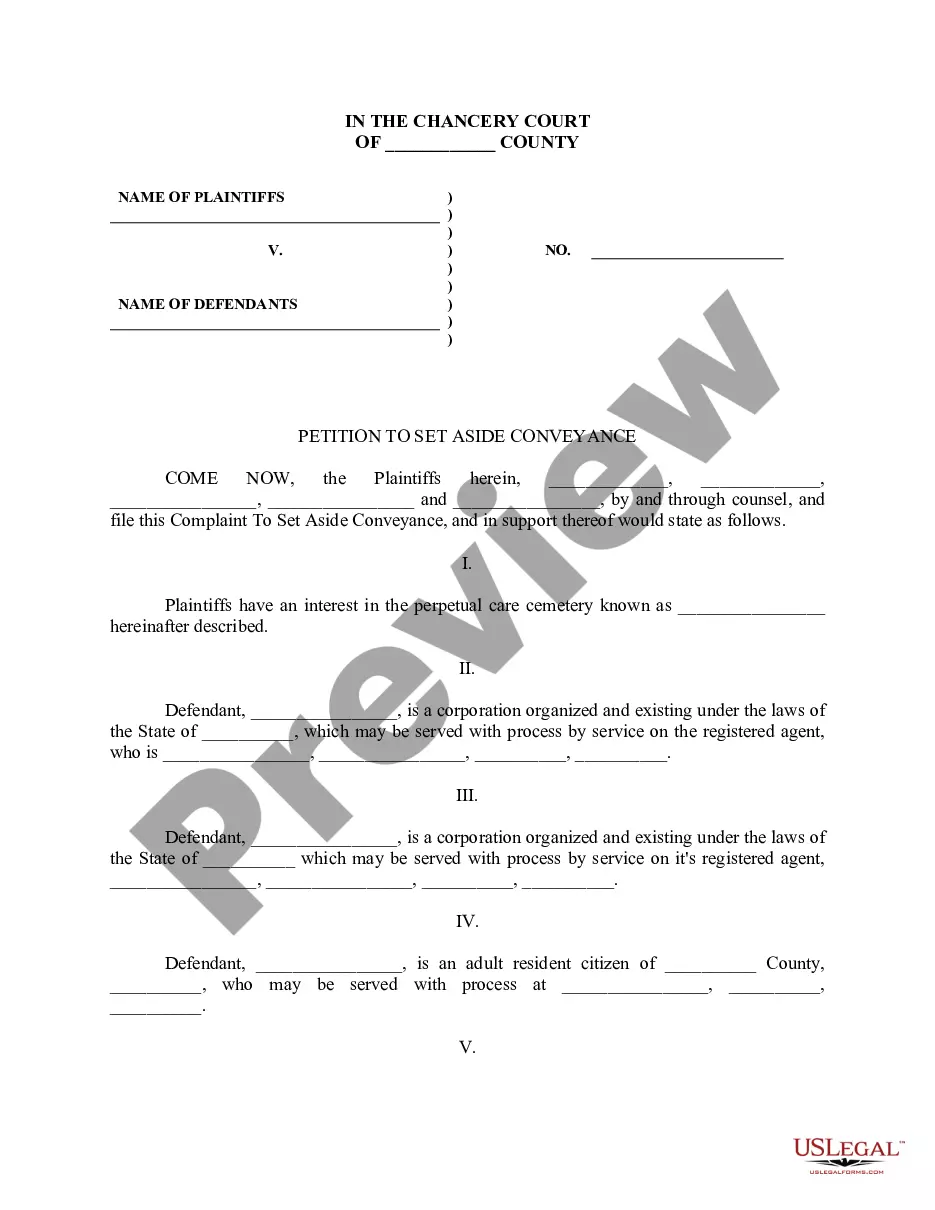
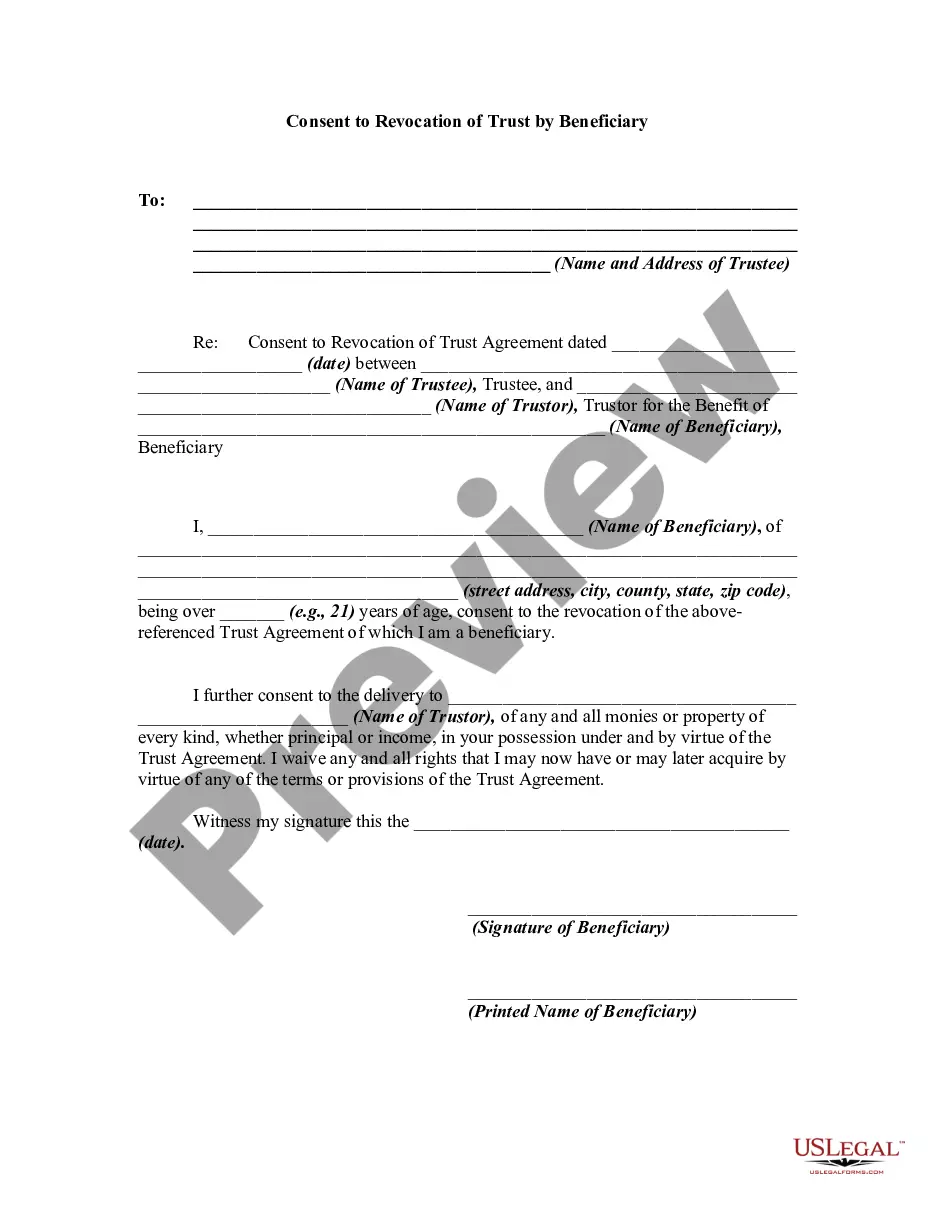


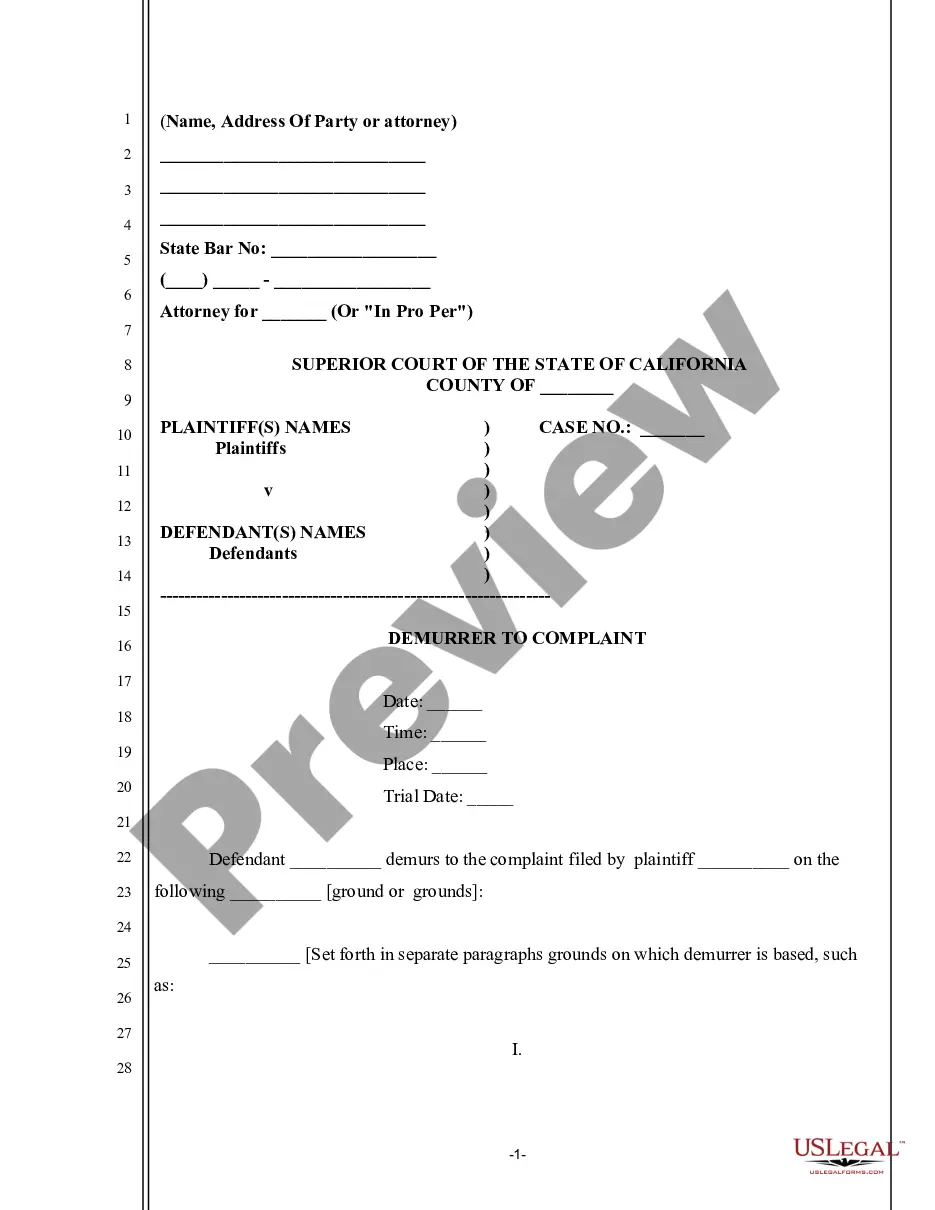

Form popularity
FAQ
Formal Authorization Letter Format Dear Recipient's Name, I, Your Name, am writing to formally authorize Authorized Person's Name to act on my behalf regarding specific task or purpose, e.g., collecting documents, attending meetings, etc..
Dear Recipient's Name, I, Your Full Name, hereby authorize Authorized Person's Full Name to act on my behalf to collect Specify the Document from Location or office where the document is held. This authorization is valid from Starting Date until Ending Date, unless otherwise revoked by me.
Dear Recipient's Name, I, Your Full Name, hereby authorize Authorized Person's Full Name to act on my behalf to collect Specify the Document from Location or office where the document is held. This authorization is valid from Starting Date until Ending Date, unless otherwise revoked by me.
Begin by writing your name and address on the left side of the page, followed by the date the letter was written. Instead of being demanding, the tone should be authoritative. For example, instead of saying “Jack will execute my duties,” you say “I hereby give authorization to Jack to perform XYZ duty on my behalf.”
IS APPOINTMENT REQUIRED TO CLAIM AN APOSTILLE? Appointment is not required for claiming apostilles that are filed in DFA Aseana. For documents forwarded by CHED with Authentication Stub, appointment is required to process for authentication.
An apostille is issued by your Secretary of State's office or Notary commissioning agency. The single apostille is the only certification needed. Once prepared and verified, the apostille is attached to and sent along with the notarized documents. Notaries cannot issue apostilles themselves.
You can request an apostille online or in person, and you'll need to go through the appropriate channels, per your state guidelines, in order to get to the right department and request your apostille. Most requests should be directed through the Secretary of State.
Apostilles are designed for international use, ensuring that documents are legally recognized in foreign countries. Notarization, conversely, is a process that primarily validates documents for use within a specific jurisdiction or country.
For more information about the Philippines' Apostille, visit or contact the Authentication Division through e-apostille@dfa.ph (for e-Apostille concerns) or oca.authentication@dfa.ph (for general apostille inquiries). IS APPOINTMENT REQUIRED TO PROCESS FOR AUTHENTICATION/APOSTILLE?
An Apostille (Certificate) is a square approximately 9cm long, usually stamped onto the reverse side of a single page public document. It is formatted into numbered fields to allow certified data to be identified by the receiving country, regardless of the official language of the issuing country.

