Sample Authorization Letter For Psa Birth Certificate In San Bernardino
Description




Get your form ready online
Our built-in tools help you complete, sign, share, and store your documents in one place.
Make edits, fill in missing information, and update formatting in US Legal Forms—just like you would in MS Word.
Download a copy, print it, send it by email, or mail it via USPS—whatever works best for your next step.
Sign and collect signatures with our SignNow integration. Send to multiple recipients, set reminders, and more. Go Premium to unlock E-Sign.
If this form requires notarization, complete it online through a secure video call—no need to meet a notary in person or wait for an appointment.
We protect your documents and personal data by following strict security and privacy standards.

Make edits, fill in missing information, and update formatting in US Legal Forms—just like you would in MS Word.

Download a copy, print it, send it by email, or mail it via USPS—whatever works best for your next step.

Sign and collect signatures with our SignNow integration. Send to multiple recipients, set reminders, and more. Go Premium to unlock E-Sign.

If this form requires notarization, complete it online through a secure video call—no need to meet a notary in person or wait for an appointment.

We protect your documents and personal data by following strict security and privacy standards.
Looking for another form?







Form popularity
FAQ
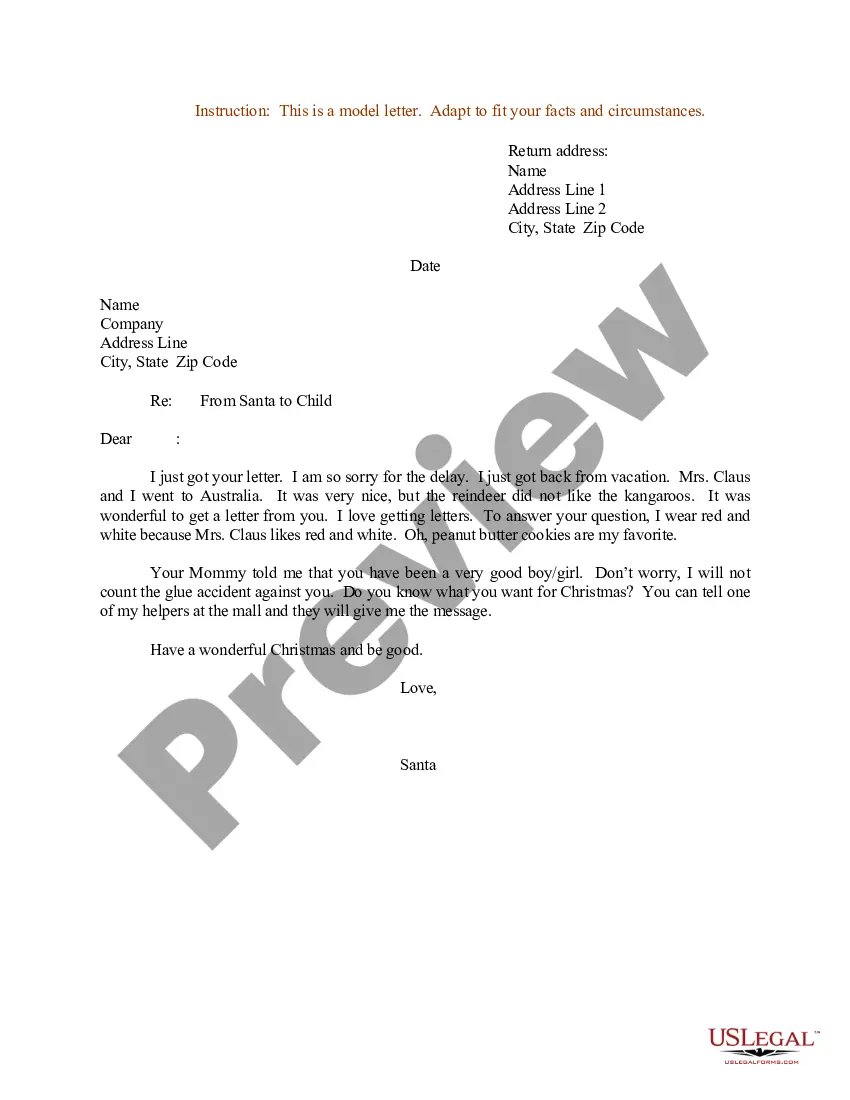
Dear Recipient's Name, I, Your Full Name, hereby authorize Authorized Person's Full Name to act on my behalf to collect Specify the Document from Location or office where the document is held. This authorization is valid from Starting Date until Ending Date, unless otherwise revoked by me.
Authorization Letter Format Dear (Recipient's Name), I, (Your Full Name), hereby authorize (Authorized Person's Full Name) to act on my behalf for (specific task or responsibility). (He/She) is authorized to (describe the task, e.g., collect my documents, handle financial transactions, etc.)
5 steps to write a letter of authorization. Identify the parties involved. Specify the authority granted. Define the duration of the agreement. Include any necessary details. Sign the document.
After placing an order, we suggest you immediately assign an Authorized Person to Receive just in case you will not be available to personally receive the PSA document/s during delivery. You can do this by clicking "I want to assign an Authorized Person to Receive the document" on the last stage of placing an order.
Every notarized letter of authorization must list the names of the requesting parties and the reason for authorization. The document must also contain the signatures of each party as well as the notary public's signature to confirm that they witnessed and verified the signatures.
I, Your Name, hereby authorize Recipient's Name to Specify the purpose or scope of authorization, e.g., act on my behalf, represent me in meetings, sign documents, make financial transactions, etc.. This authorization is effective from Start Date to End Date unless otherwise revoked or modified in writing.
Authorization letters can be typewritten or handwritten in a clean sheet of paper and should bear the signature of the document owner.
An authorization letter is a kind of agreement between two people and is usually sent as proof that the person can act on someone else's behalf. The workplace is ever-evolving, but the need for precise and transparent communication remains constant.
A power of attorney, under the Civil Code, requires the principal's signature and, at times, notarization to be binding. Authorization letters, while potentially less formal, can still benefit from notarization to secure authenticity and ensure acceptance by government offices, banks, or private institutions.
Best regards, Your Name To whom it may concern, I hereby authorize Authorized Person's Name to act on my behalf in requesting authentication of my documents from the Philippine Statistics Authority (PSA). This authorization is necessary due to specific reason.

