Letter Of Authority Example In Salt Lake
Description




Get your form ready online
Our built-in tools help you complete, sign, share, and store your documents in one place.
Make edits, fill in missing information, and update formatting in US Legal Forms—just like you would in MS Word.
Download a copy, print it, send it by email, or mail it via USPS—whatever works best for your next step.
Sign and collect signatures with our SignNow integration. Send to multiple recipients, set reminders, and more. Go Premium to unlock E-Sign.
If this form requires notarization, complete it online through a secure video call—no need to meet a notary in person or wait for an appointment.
We protect your documents and personal data by following strict security and privacy standards.

Make edits, fill in missing information, and update formatting in US Legal Forms—just like you would in MS Word.

Download a copy, print it, send it by email, or mail it via USPS—whatever works best for your next step.

Sign and collect signatures with our SignNow integration. Send to multiple recipients, set reminders, and more. Go Premium to unlock E-Sign.

If this form requires notarization, complete it online through a secure video call—no need to meet a notary in person or wait for an appointment.

We protect your documents and personal data by following strict security and privacy standards.
Looking for another form?
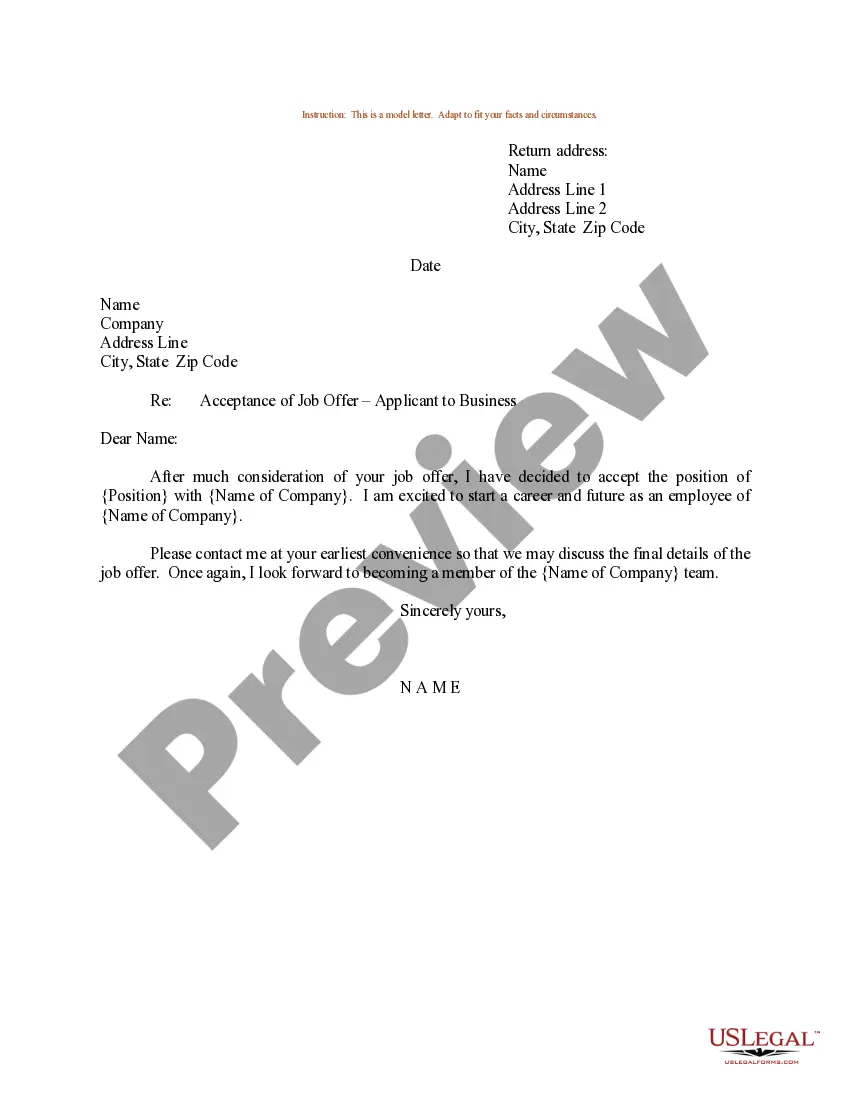




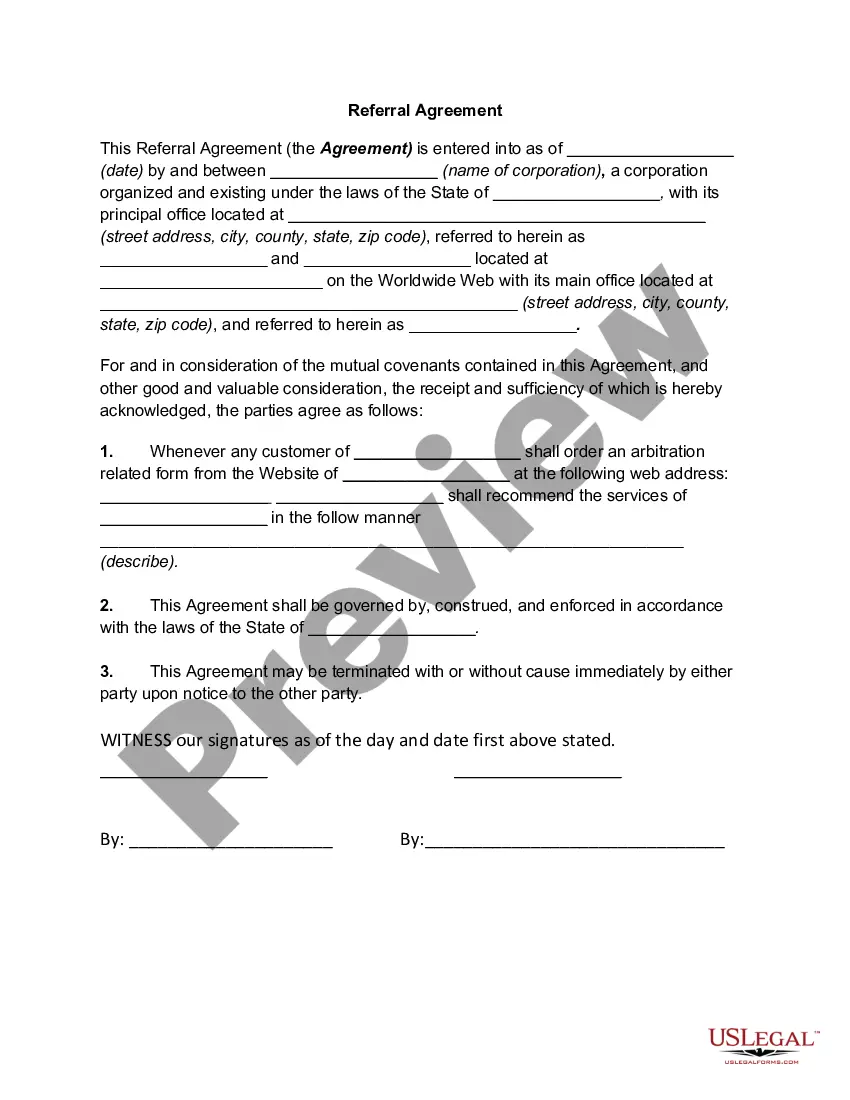
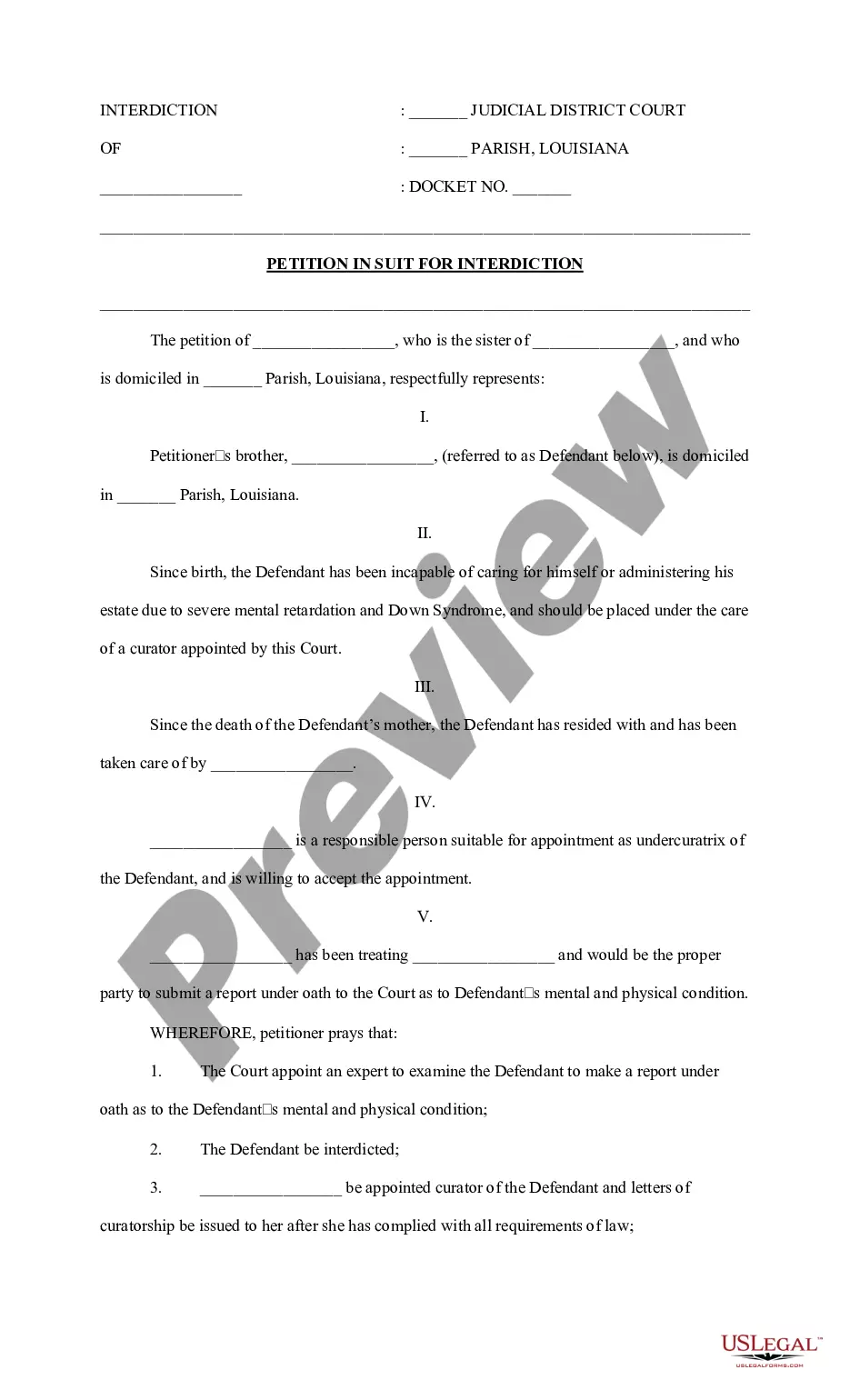



Form popularity
FAQ
It must be in writing, signed and should be notarized, and, at the time of the change, the principal must understand that s/he is appointing an agent to handle his or her affairs.
Notaries Can Not Notarize Their Own Documents Notaries typically perform a few different steps when notarizing a document. They verify the signer's identity, watch as the signer signs the document, and lastly the notary places his or her official seal on the document (note: some states do not require seals).
Written Document The name and contact information of the principal. The name and contact information of the agent or attorney-in-fact. The specific powers being granted to the agent. The duration of the power of attorney (e.g., whether it is durable or expires on a specific date)
Drafting The Letter Identify the Principal and Agent: State both parties' full names, addresses, and contact information. Define the Scope of Authority: Specify what powers are granted and include limits if needed. Set the duration: Indicate the start and end dates or state whether the POA is durable.
More often than not, our clients opt for the General Durable Power of Attorney (a mix of the Durable and General Power of Attorney) for it's ease of use by the Agent, and sustainability over the lifetime of the Prinicipal.
Changing, revoking and terminating a power of attorney It must be in writing, signed and should be notarized, and, at the time of the change, the principal must understand that s/he is appointing an agent to handle his or her affairs.
This is a document which allows a deceased person's Next of Kin (closest relative or spouse/civil partner) to distribute their assets when they have died without a will or executor (a person selected to distribute their assets).
5 steps to write a letter of authorization. Identify the parties involved. Specify the authority granted. Define the duration of the agreement. Include any necessary details. Sign the document.
The person who is nominated to be the representative receives the letter of authority in terms of Section 18(3) of the Administration of Estates Act. The following reporting documents are required (these forms are available online at .justice.za/master/forms.html): Completed death notice (form J294)
Letter of Authority It must be signed and dated by the client within the last six months (for Trusts, all trustees must sign and date). It must have the account number on it or have reference to abrdn. It must have the client's full name, date of birth, postal address, and National Insurance Number.

