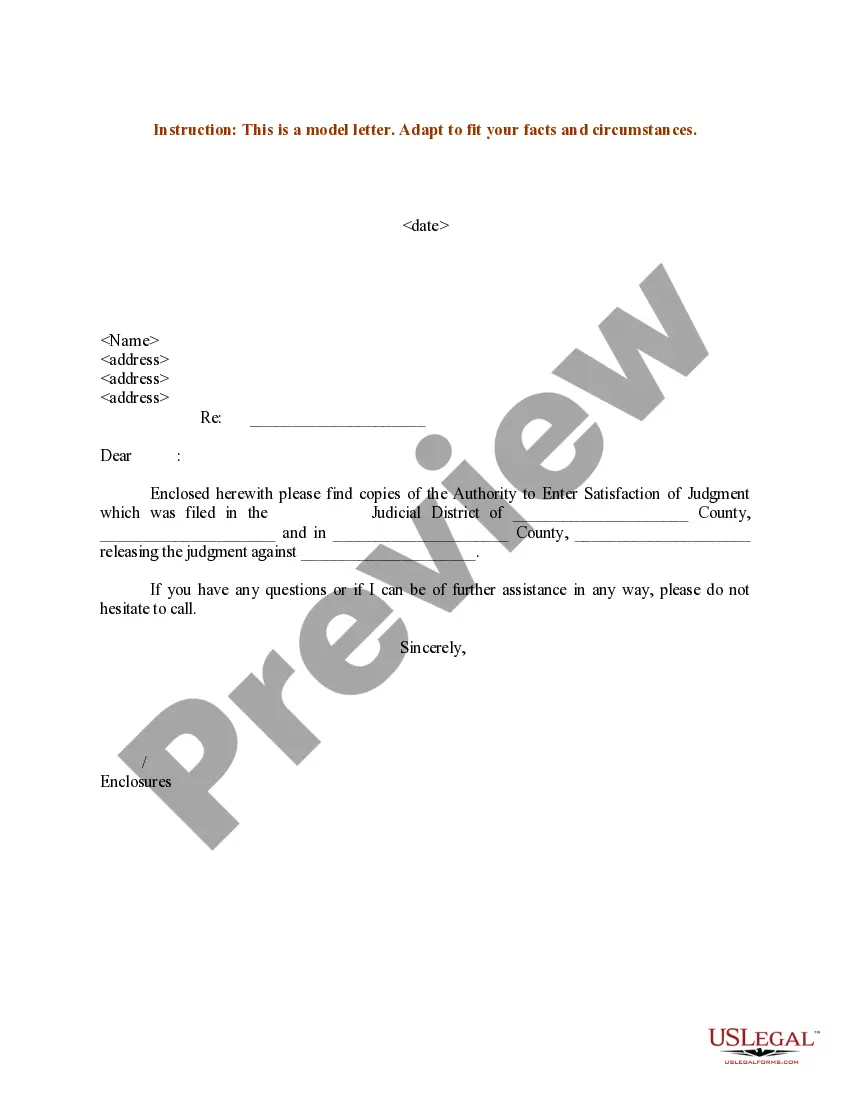
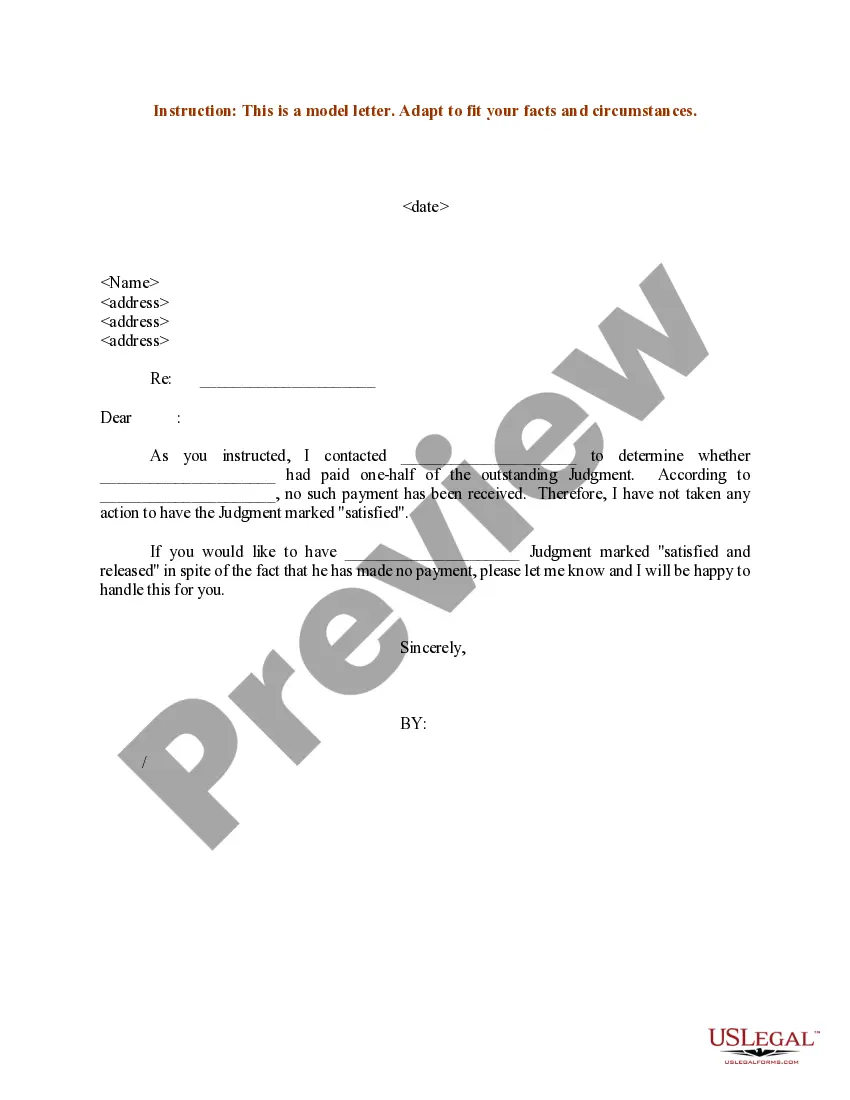
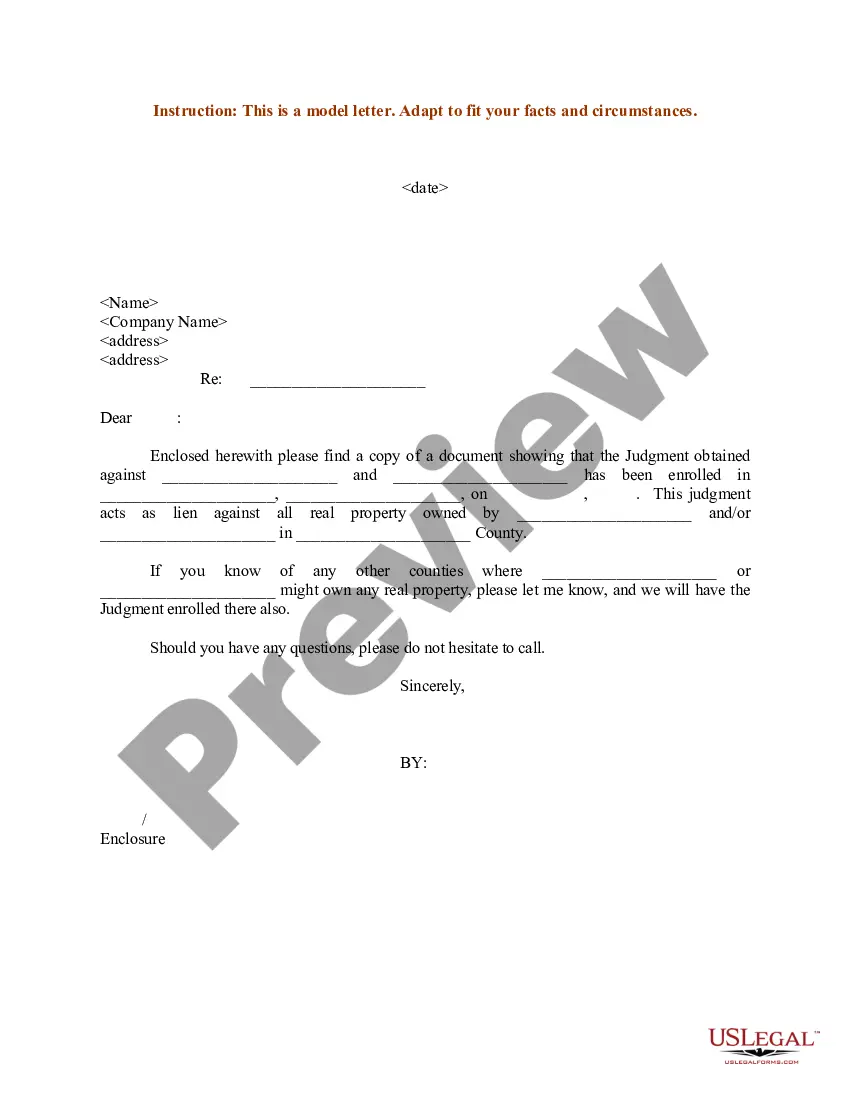
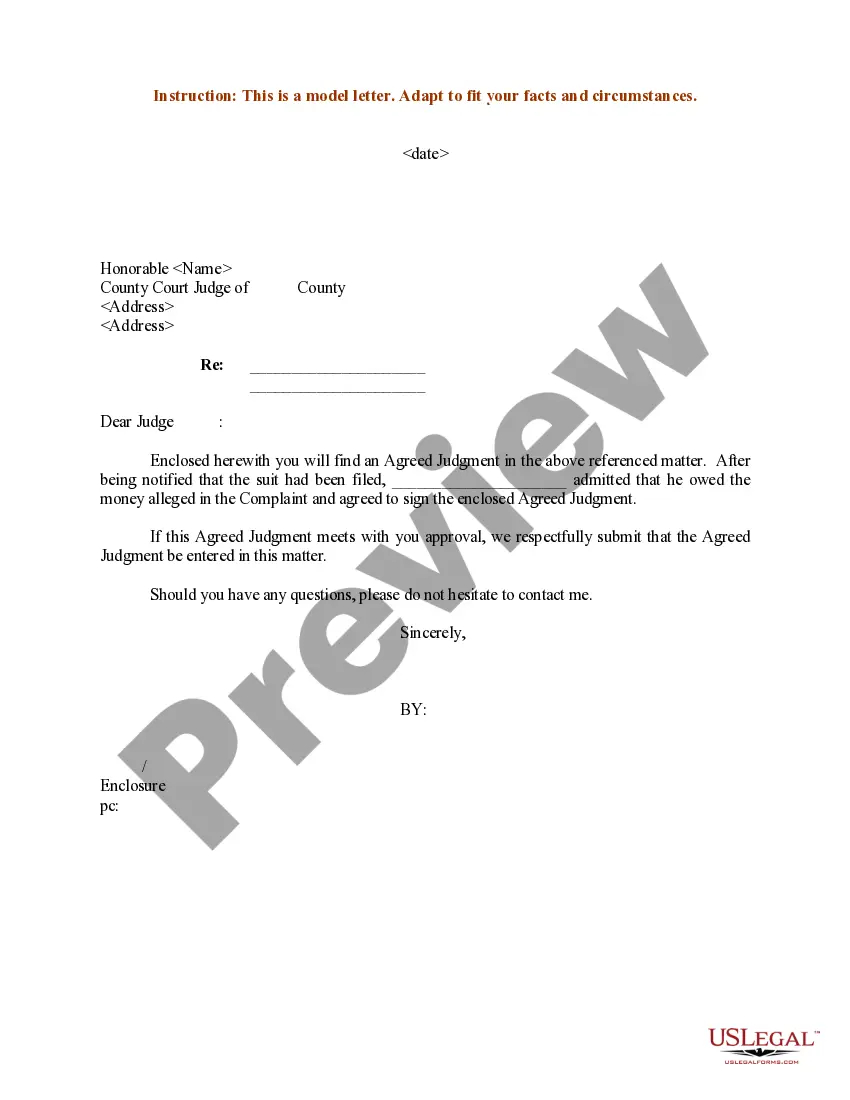
Letter Of Authority For Deceased In Pima
Description
Get your form ready online
Our built-in tools help you complete, sign, share, and store your documents in one place.
Make edits, fill in missing information, and update formatting in US Legal Forms—just like you would in MS Word.
Download a copy, print it, send it by email, or mail it via USPS—whatever works best for your next step.
Sign and collect signatures with our SignNow integration. Send to multiple recipients, set reminders, and more. Go Premium to unlock E-Sign.
If this form requires notarization, complete it online through a secure video call—no need to meet a notary in person or wait for an appointment.
We protect your documents and personal data by following strict security and privacy standards.

Make edits, fill in missing information, and update formatting in US Legal Forms—just like you would in MS Word.

Download a copy, print it, send it by email, or mail it via USPS—whatever works best for your next step.

Sign and collect signatures with our SignNow integration. Send to multiple recipients, set reminders, and more. Go Premium to unlock E-Sign.

If this form requires notarization, complete it online through a secure video call—no need to meet a notary in person or wait for an appointment.

We protect your documents and personal data by following strict security and privacy standards.
Looking for another form?
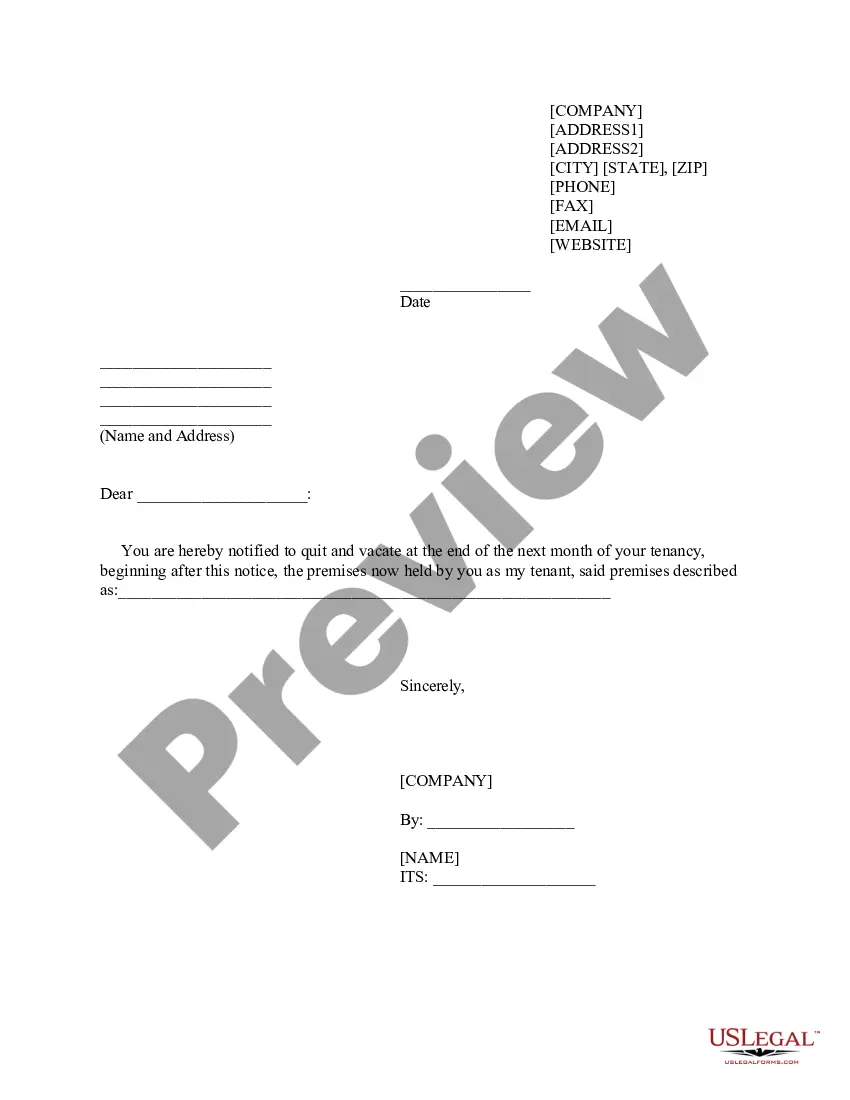
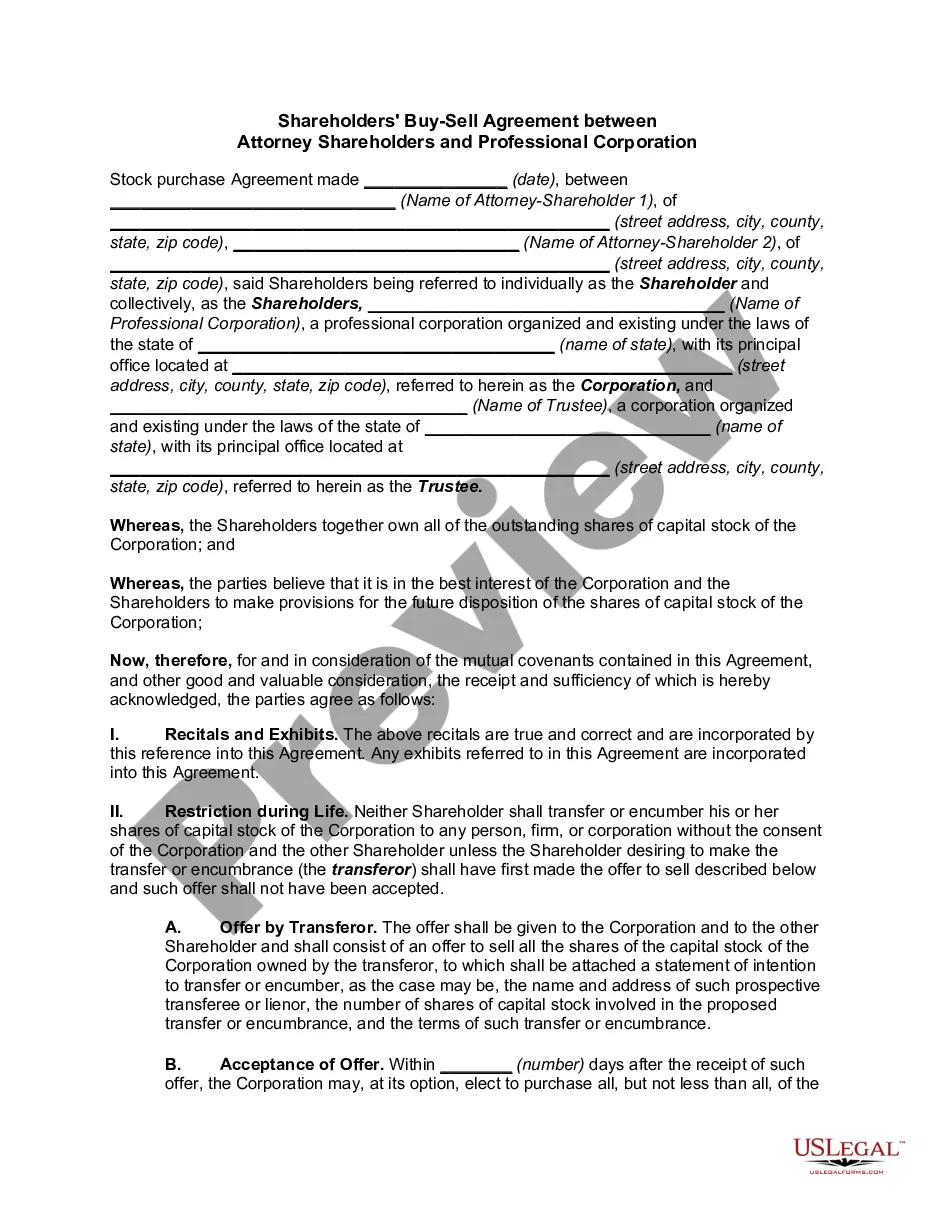
Form popularity
FAQ
Requesting Letters of Testamentary The person acting as the executor of the estate must petition the court to request the letter of testamentary. After they file the necessary documents, the probate court checks them to ensure compliance and authenticate the will.
How do I get a letter of testamentary in California? Obtain the deceased person's will and death certificate. Submit a Petition for Probate in the Superior Court in the county where the decedent live by filing Form DE-111, a copy of the will, and your personal identification.
Requesting Letters of Testamentary The person acting as the executor of the estate must petition the court to request the letter of testamentary. After they file the necessary documents, the probate court checks them to ensure compliance and authenticate the will.
What's included in a letter of testamentary? The deceased person's name and date of death. Name of the county in which they resided. Executor's name and mailing address. Name, signature, and seal of the clerk of probate court who authorized the letter. Scope of testamentary duties (what the executor can and cannot do)
That is accomplished by filing with the local Probate Court a pleading called an Application for Informal Probate of Will and Appointment of Personal Representative. Alternatively, in the case of an intestate decedent, the pleading is called an Application for Informal Appointment of Personal Representative.
Opening Probate While some states allow up to six years to probate an estate, the state of Arizona will only accept probate cases that are opened within two years of the decedent's passing (ARS 14-3108).
Typically, the process of obtaining letters testamentary can take several weeks to several months, depending on the circumstances. The executor or personal representative must file a petition with the probate court, which will schedule a hearing to appoint the executor and issue the legal document.
However, there is a bright line limit in the amount of time when an estate should be closed and some form of Probate can proceed. In Arizona, a Probate case must be commenced within two years after a decedent's death.
In Arizona, probate is always required for wills and assets that aren't in a trust or included in a transfer-on-death deed. Probate is also required for large estates consisting of personal property valued at over $75,000 and real estate property valued at over $100,000.