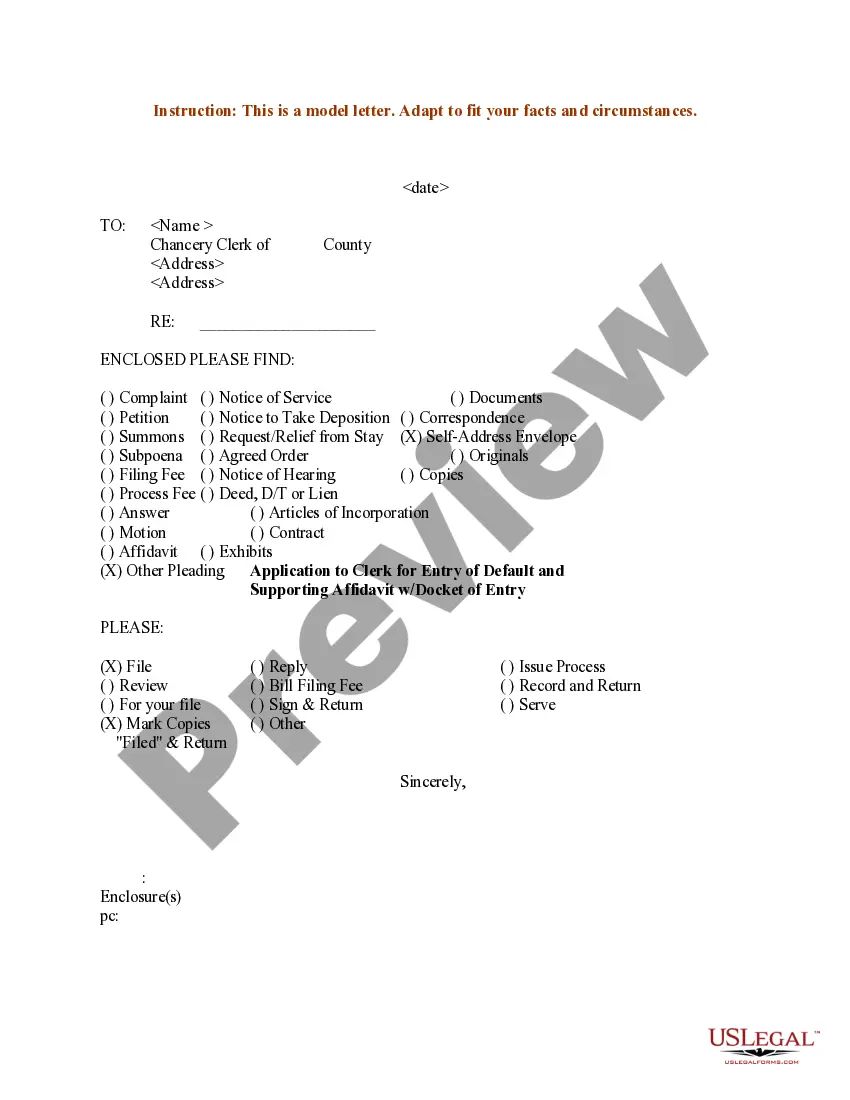
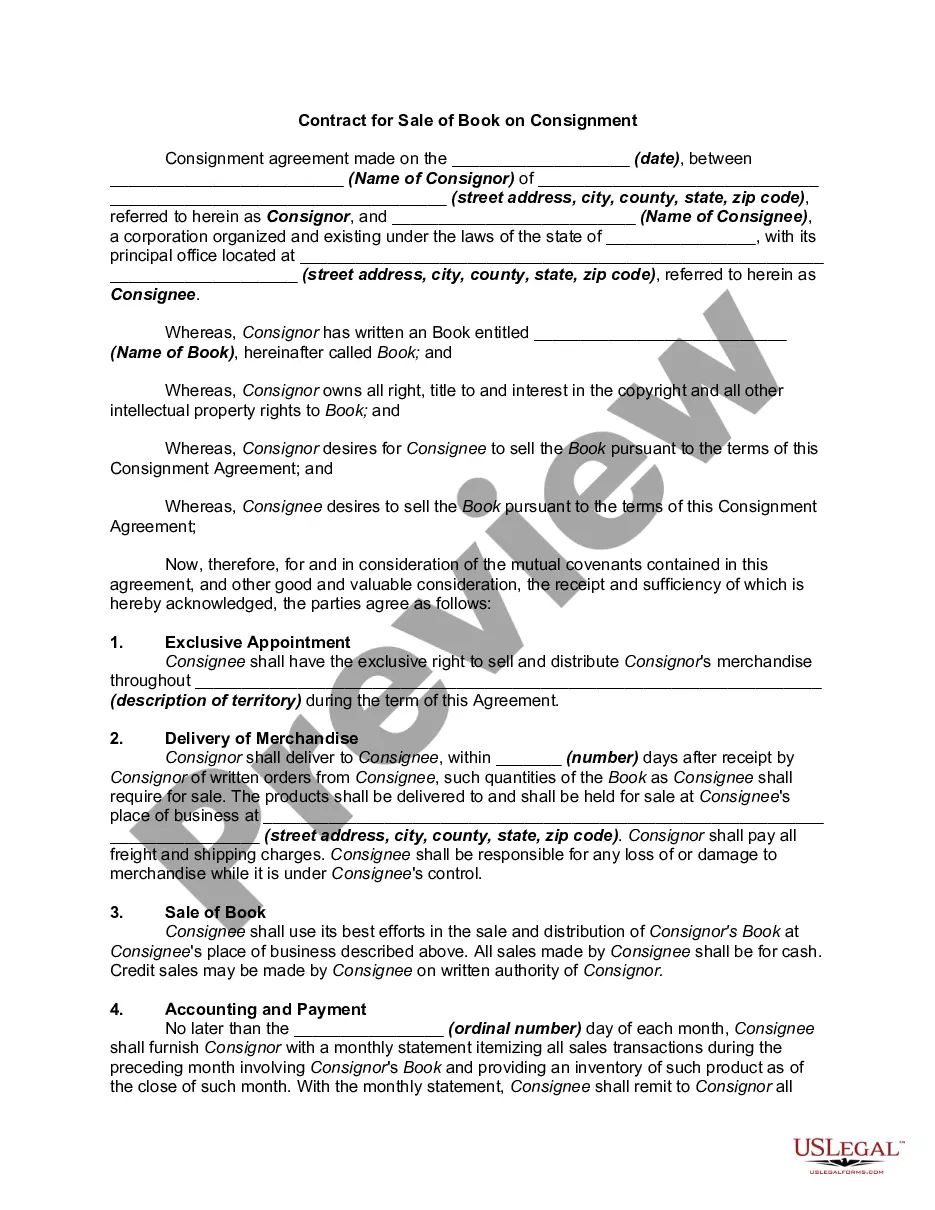
Sample Authorization Letter With Purpose In Miami-Dade
Description




Get your form ready online
Our built-in tools help you complete, sign, share, and store your documents in one place.
Make edits, fill in missing information, and update formatting in US Legal Forms—just like you would in MS Word.
Download a copy, print it, send it by email, or mail it via USPS—whatever works best for your next step.
Sign and collect signatures with our SignNow integration. Send to multiple recipients, set reminders, and more. Go Premium to unlock E-Sign.
If this form requires notarization, complete it online through a secure video call—no need to meet a notary in person or wait for an appointment.
We protect your documents and personal data by following strict security and privacy standards.

Make edits, fill in missing information, and update formatting in US Legal Forms—just like you would in MS Word.

Download a copy, print it, send it by email, or mail it via USPS—whatever works best for your next step.

Sign and collect signatures with our SignNow integration. Send to multiple recipients, set reminders, and more. Go Premium to unlock E-Sign.

If this form requires notarization, complete it online through a secure video call—no need to meet a notary in person or wait for an appointment.

We protect your documents and personal data by following strict security and privacy standards.
Looking for another form?








Form popularity
FAQ
A letter of authorization, also known as an authorization letter, is a formal and legal document that authorizes a third party to act on the behalf of the individual writing the letter. Simply put, you are granting someone legal authority to act on your behalf.
5 steps to write a letter of authorization. Identify the parties involved. Specify the authority granted. Define the duration of the agreement. Include any necessary details. Sign the document.
Dear Recipient's Name, I, Your Name, hereby authorize Recipient's Name to act on my behalf in Specify the task or action, effective from Start Date to End Date. Receiver's Name is authorized to carry out all essential tasks and make all choices related to Name the activity or action.
How to Write an Authorization Letter Heading and Date. Your Information: Begin with your name, address, and contact details at the top left corner of the letter. Recipient's Information. Salutation. Subject (Optional) ... Body of the Letter. Closing. Attachments (Optional)
Every notarized letter of authorization must list the names of the requesting parties and the reason for authorization. The document must also contain the signatures of each party as well as the notary public's signature to confirm that they witnessed and verified the signatures.
An agent authorization letter gives legal authority to another individual to perform certain actions on your behalf. It may be useful when you're unable to complete the actions yourself for various reasons, such as incapacity, absence, or another circumstance.
A Florida Certificate of Status (also known as a Certificate of Good Standing) is a state-issued document that confirms the active status of a business and that the business has maintained “good standing” by fulfilling Florida business entity requirements, such as filing annual reports and paying required fees.
In order to receive a CO, the following must exist for the job: All final inspections have been completed with a "pass" disposition, including fire if applicable. All trade sub-permits, as well as other affiliated permits on the job, must be finaled.
The Certificate of Use, often known as a CU, confirms that the business is allowed in the zoning district where it is located.
A Certificate of Occupancy (CO) is issued for new construction or change of use (i.e. from a school to a restaurant), while a Certificate of Completion (CC) is needed for remodels, renovations and shell buildings.

