Sample Letter For Child Custody In Utah
Description
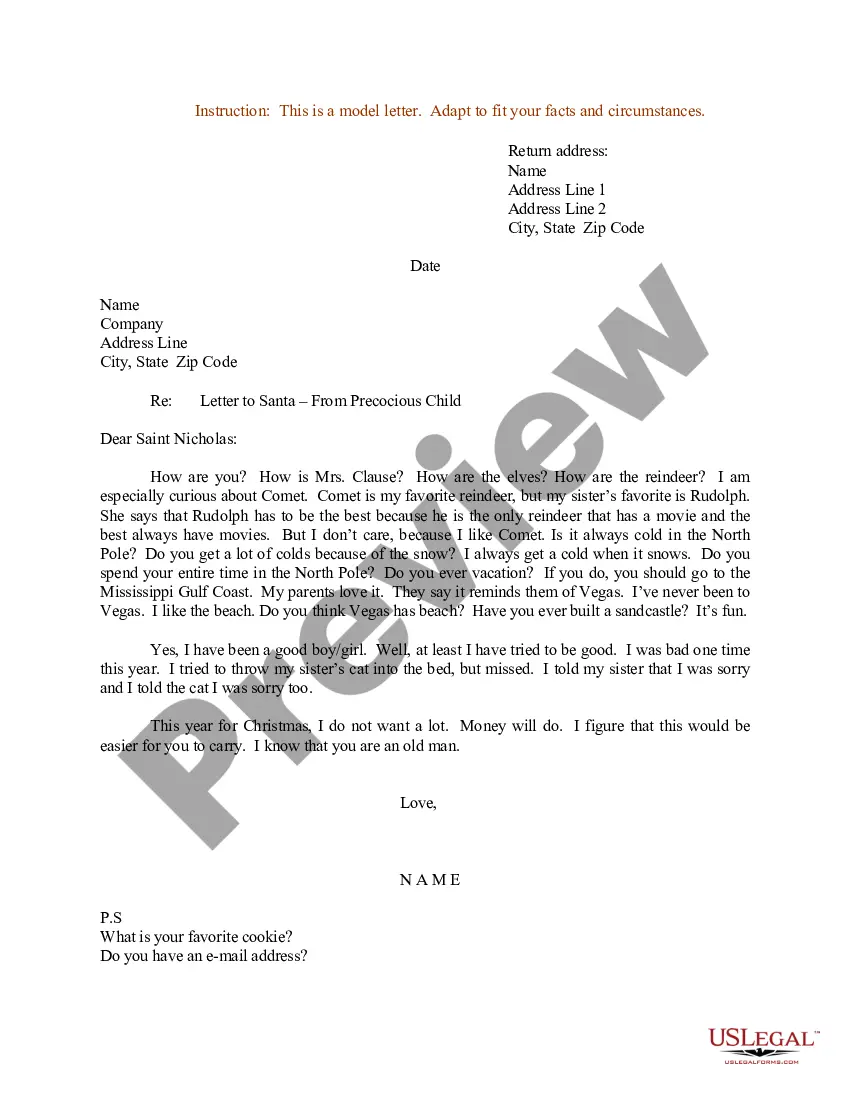
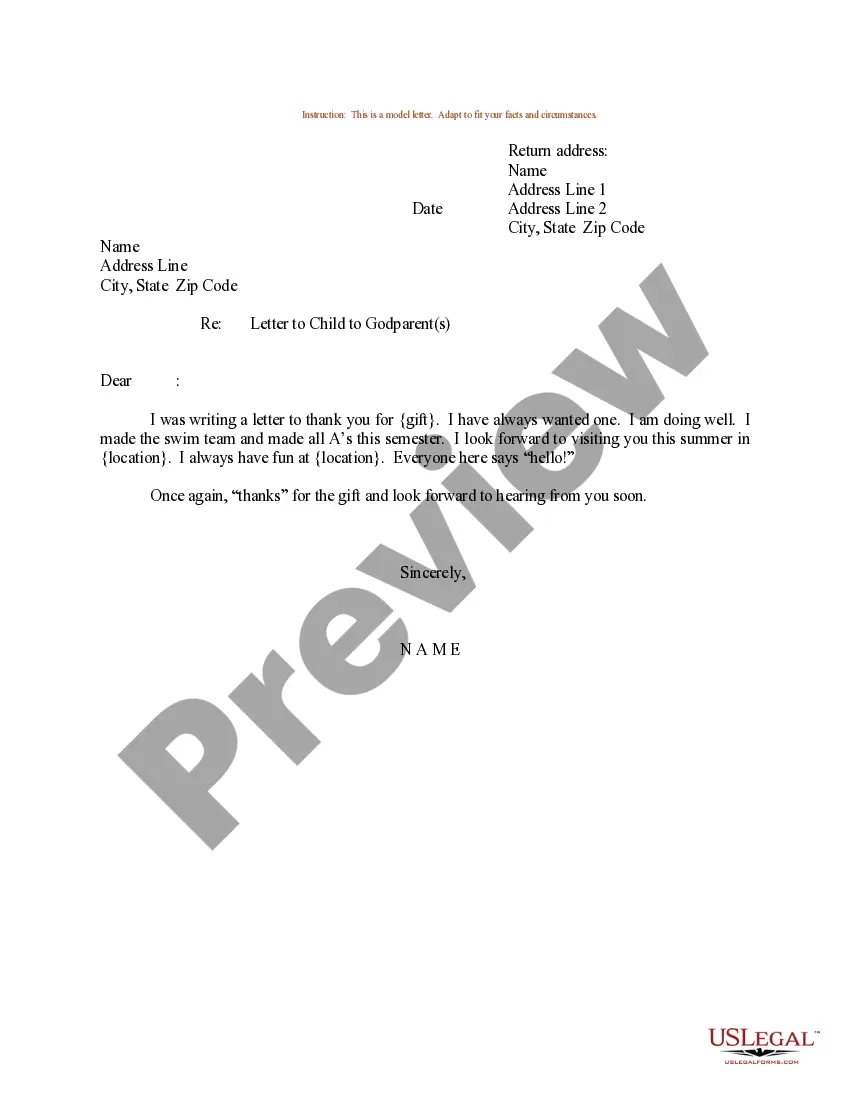
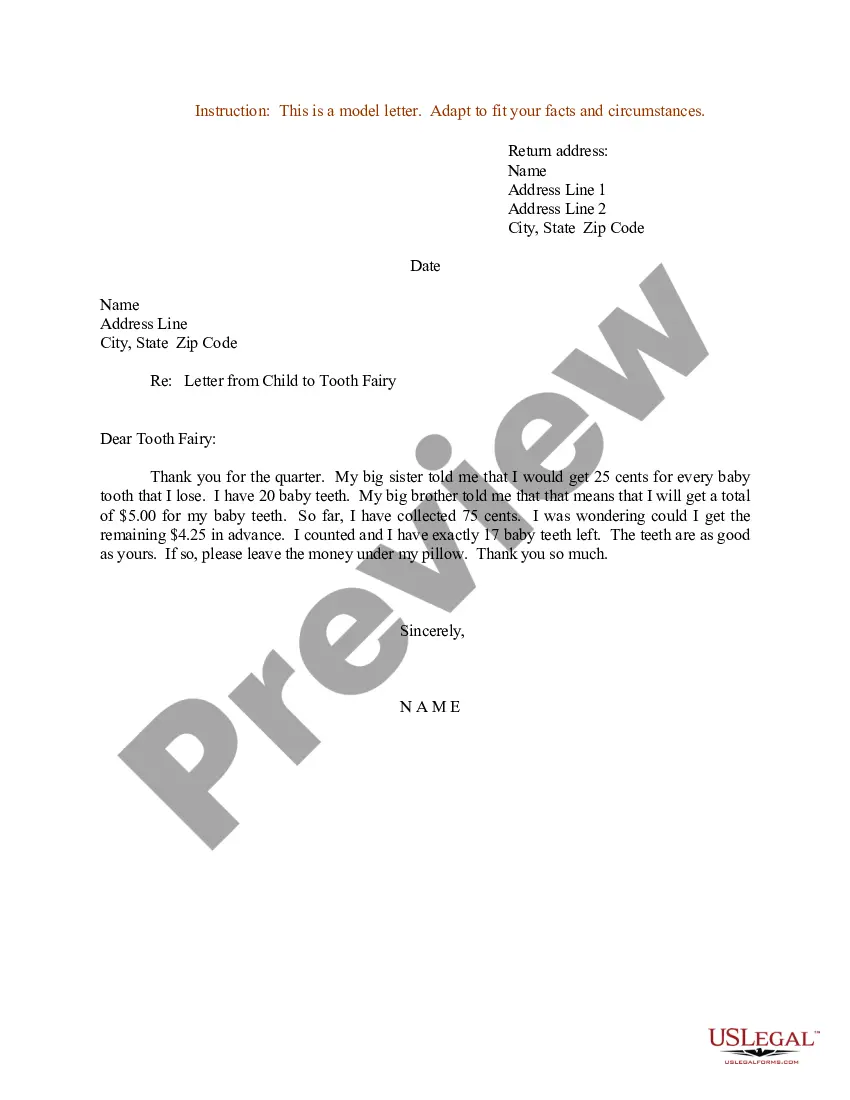
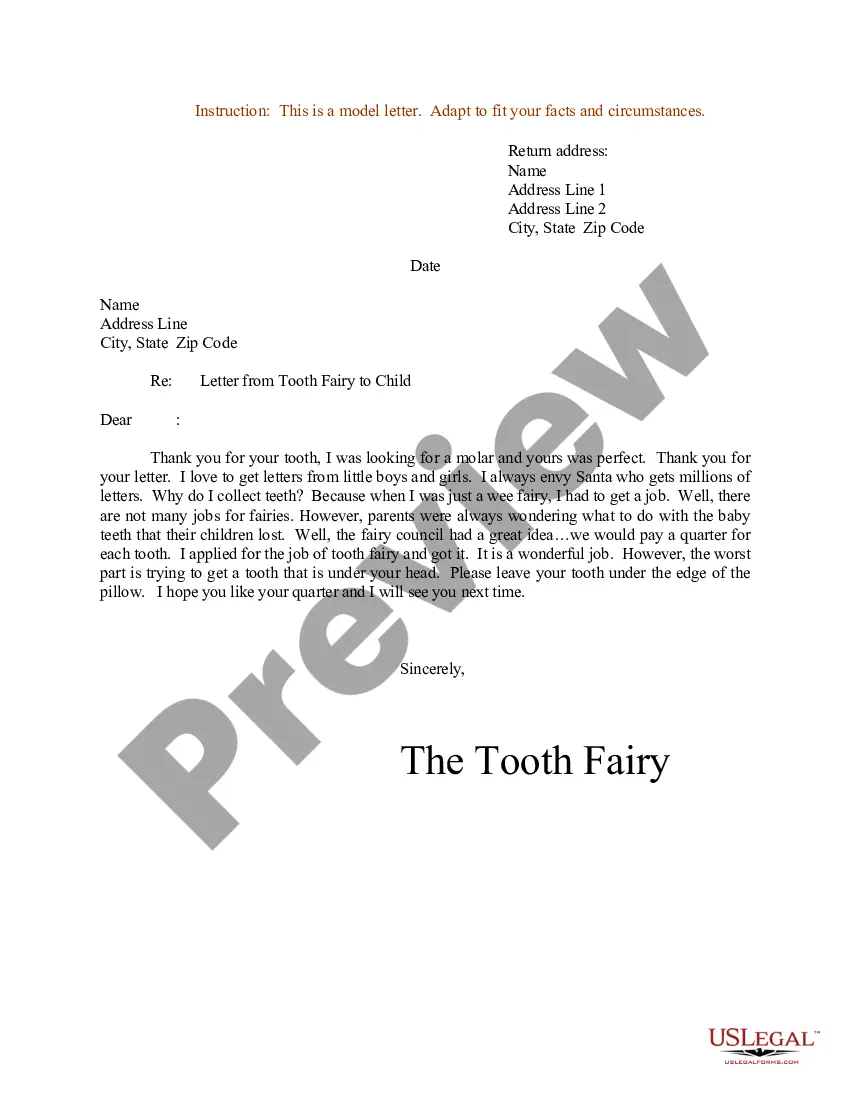
Get your form ready online
Our built-in tools help you complete, sign, share, and store your documents in one place.
Make edits, fill in missing information, and update formatting in US Legal Forms—just like you would in MS Word.
Download a copy, print it, send it by email, or mail it via USPS—whatever works best for your next step.
Sign and collect signatures with our SignNow integration. Send to multiple recipients, set reminders, and more. Go Premium to unlock E-Sign.
If this form requires notarization, complete it online through a secure video call—no need to meet a notary in person or wait for an appointment.
We protect your documents and personal data by following strict security and privacy standards.

Make edits, fill in missing information, and update formatting in US Legal Forms—just like you would in MS Word.

Download a copy, print it, send it by email, or mail it via USPS—whatever works best for your next step.

Sign and collect signatures with our SignNow integration. Send to multiple recipients, set reminders, and more. Go Premium to unlock E-Sign.

If this form requires notarization, complete it online through a secure video call—no need to meet a notary in person or wait for an appointment.

We protect your documents and personal data by following strict security and privacy standards.
Looking for another form?
Form popularity
FAQ
The affidavit should explicitly discuss how the arrangement aligns with the best interests of the child by protecting his or her health, safety and overall well-being. Supporting facts: details about the preferred arrangement and evidence or documentation proving the individual's ability to meet the child's needs.
Utah's custody law provides three parent-time schedule options for parents who share custody: The standard minimum parent-time schedule that provides a parent with one three-hour visit each week and every other weekend. A 60/40 schedule. A 50/50 schedule.
In Utah, the court will usually not consider a child's preference unless they are 14. However, the child's preferences are not the only factor the court finds. The judge may place more weight on the child's wishes if they are 16 or older.
In Utah, being a father gives you the right to pursue custody and visitation of your child, and to make decisions regarding your son or daughter. These rights apply whether you are married or not, but you may have to fight for them, especially in the case of divorce.
What is the New Child Custody Law in Utah? Utah's new child custody law, which went into effect on , is called the "Equal Parent-Time Schedule." This law allows parents to share equal physical custody of their children unless there is a reason why this would not be in the children's best interests.
The measure known as “Om's Law” directs judges to prioritize child safety in custody decisions and requires them to consider evidence of domestic violence raised in those cases. The bill, HB272, is modeled on a federal law and a similar move in Colorado last year. It now goes to the governor's desk for approval.
In the first paragraph, state how you know the person and attest to their character. Second paragraph show how loving and caring they are with their child. Third paragraph show how bonded the child is to the parents and give examples.
Avoid phrases like “this is not like him” or “he pleaded guilty to get a better sentence and not because he was guilty.” Instead, this paragraph should include something along the lines of: I respect a jury has found _____ guilty of __________.
Remember that the goal is to get the court to read your letter, and the easier that you make it for them to read, the better. The only exception is if the letter is written by a child. In that case, a handwritten letter may be more powerful.
