Scholarship Application Letter Sample For College In Palm Beach
Description



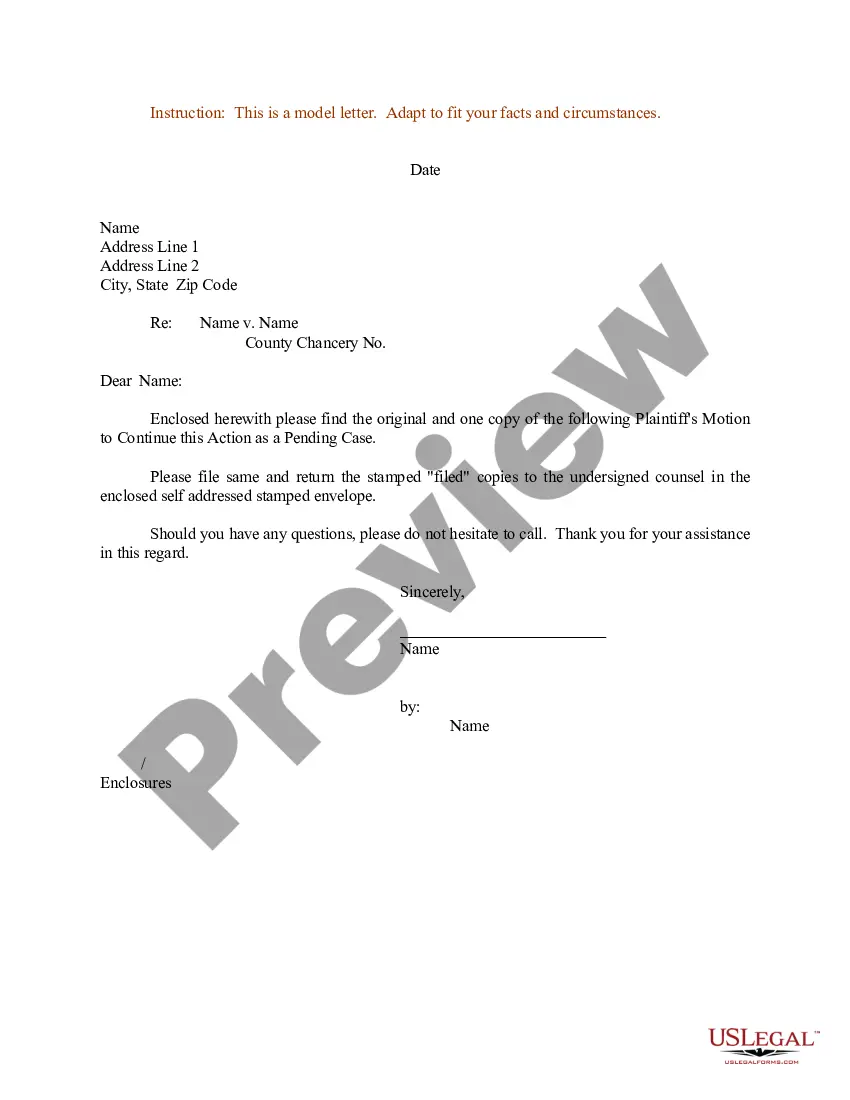
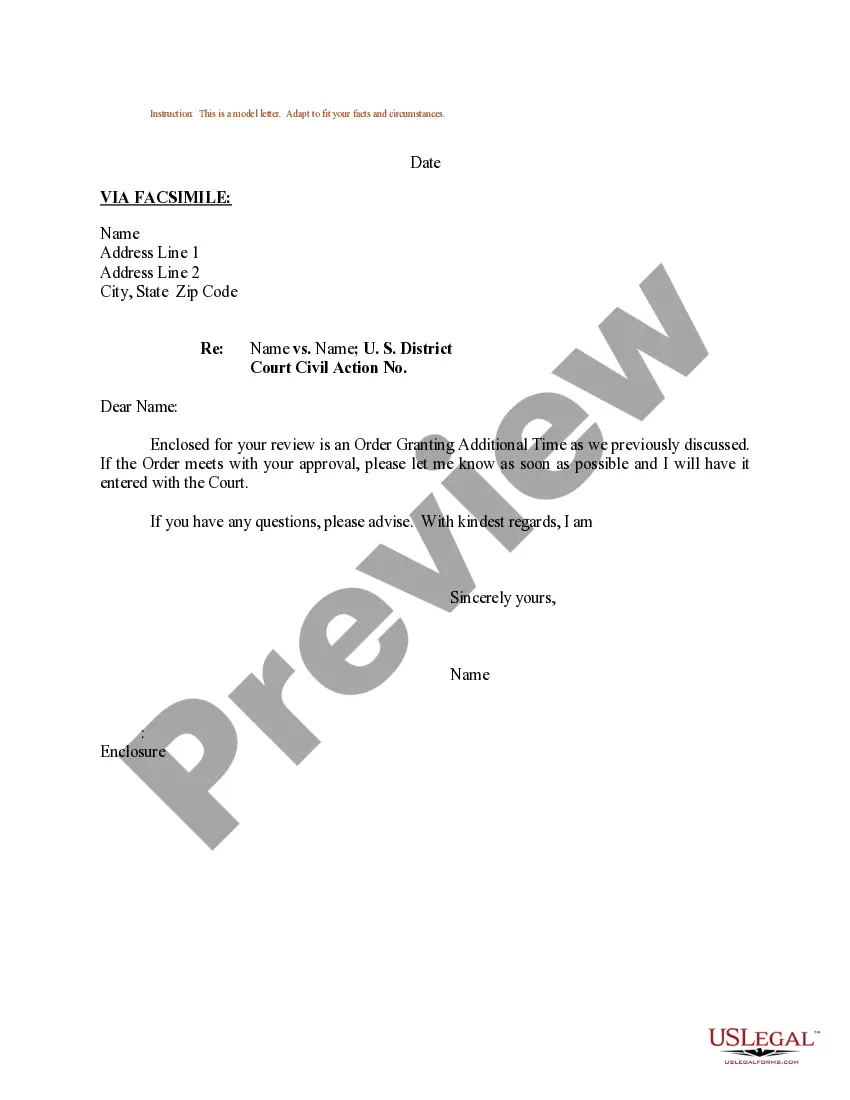
Get your form ready online
Our built-in tools help you complete, sign, share, and store your documents in one place.
Make edits, fill in missing information, and update formatting in US Legal Forms—just like you would in MS Word.
Download a copy, print it, send it by email, or mail it via USPS—whatever works best for your next step.
Sign and collect signatures with our SignNow integration. Send to multiple recipients, set reminders, and more. Go Premium to unlock E-Sign.
If this form requires notarization, complete it online through a secure video call—no need to meet a notary in person or wait for an appointment.
We protect your documents and personal data by following strict security and privacy standards.

Make edits, fill in missing information, and update formatting in US Legal Forms—just like you would in MS Word.

Download a copy, print it, send it by email, or mail it via USPS—whatever works best for your next step.

Sign and collect signatures with our SignNow integration. Send to multiple recipients, set reminders, and more. Go Premium to unlock E-Sign.

If this form requires notarization, complete it online through a secure video call—no need to meet a notary in person or wait for an appointment.

We protect your documents and personal data by following strict security and privacy standards.
Looking for another form?










Form popularity
FAQ
The best choice is to write an attention-grabbing sentence. It should be something persuading or intriguing that will make a person continue reading your essay with great interest. Avoid long explanations or introductions. Instead, this sentence should be short and clear.
How to write a scholarship application letter Review the organization's requirements. Include your contact information. Introduce yourself and why you're applying. Discuss your major accomplishments. List your unique skills or qualities. Express your interest in your education or career. Conclude and thank the reader.
Dear Sir/Madam, I am writing this letter to express my interest in applying for a scholarship offered by your esteemed organization. I am currently pursuing my Bachelor's degree in Computer Science at XYZ University and would like to apply for a scholarship that will help me continue my education.
Writing Your Scholarship Application Essay Plan ahead. Don't procrastinate! ... Talk about your accomplishments. Be clear and to the point. State your need. What is your financial situation? ... Keep it simple. Don't use unnecessary words (i.e., don't use three words when one will do) ... Make it easy on your reader.
The best choice is to write an attention-grabbing sentence. It should be something persuading or intriguing that will make a person continue reading your essay with great interest. Avoid long explanations or introductions. Instead, this sentence should be short and clear.
First paragraph – identify what you are applying for. Second paragraph (or combine with first paragraph) – explain your goals. Third paragraph – talk about yourself, including what the scholarship committee wants to know about you. Fourth paragraph – summarize how you have met their requirements.
How to write a scholarship application letter Review the organization's requirements. Include your contact information. Introduce yourself and why you're applying. Discuss your major accomplishments. List your unique skills or qualities. Express your interest in your education or career. Conclude and thank the reader.
Explain why you are a good fit for the scholarship. Stick to the word limit and avoid unnecessary jargon. Clear and concise writing is more impactful. After writing your first draft, take a break before revising. Check for grammar, clarity, and coherence. Consider seeking feedback from teachers, mentors, or peers.
Don't use words like “finally”, “in sum” or “in conclusion”. Don't repeat or sum up in any way. Don't start too many sentences with the word “I”. Don't tell the reader explicitly, “I am a unique and interesting person.” Instead, let the reader glean this from your unique and interesting essay.
Dear Mr./Ms./Mx. Recipient's name / Scholarship Committee, Start with an opening paragraph that briefly introduces who you are, and your relevant experience, how you learned about the scholarship, and why you are interested in applying.

