Cover Letter Sample For College Application In Oakland
Description



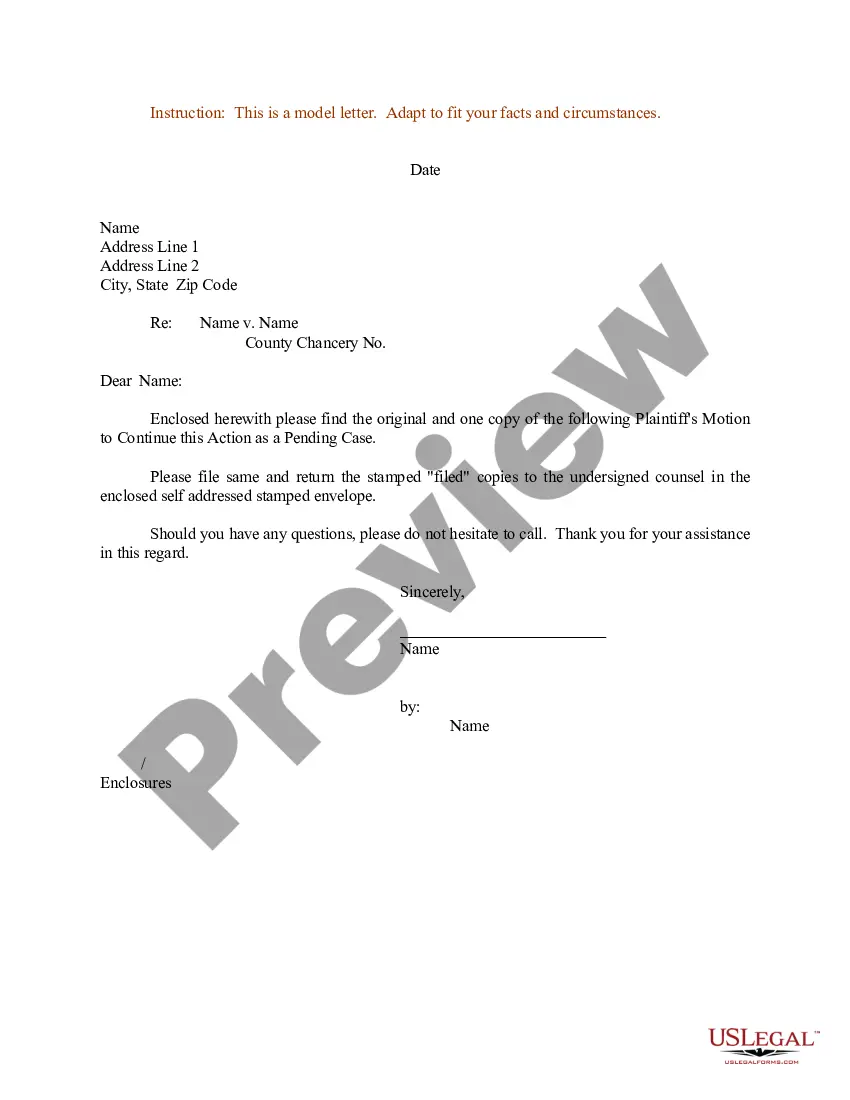
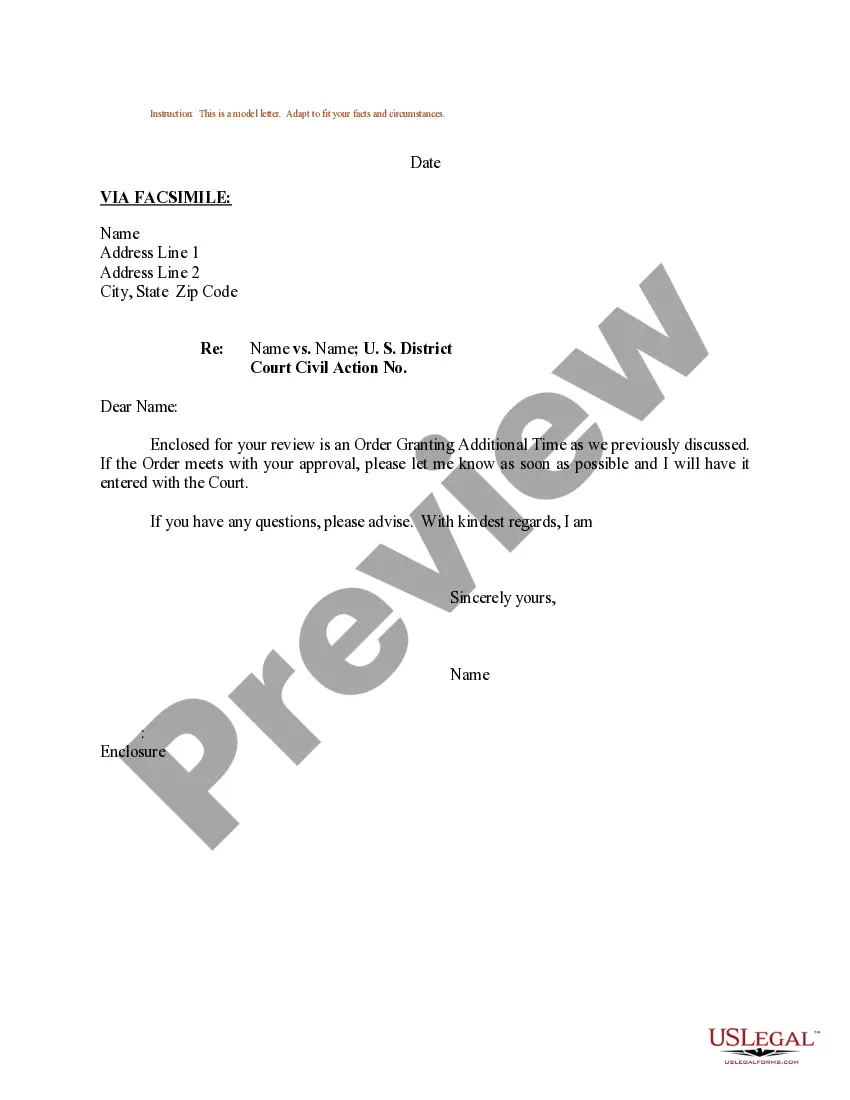
Get your form ready online
Our built-in tools help you complete, sign, share, and store your documents in one place.
Make edits, fill in missing information, and update formatting in US Legal Forms—just like you would in MS Word.
Download a copy, print it, send it by email, or mail it via USPS—whatever works best for your next step.
Sign and collect signatures with our SignNow integration. Send to multiple recipients, set reminders, and more. Go Premium to unlock E-Sign.
If this form requires notarization, complete it online through a secure video call—no need to meet a notary in person or wait for an appointment.
We protect your documents and personal data by following strict security and privacy standards.

Make edits, fill in missing information, and update formatting in US Legal Forms—just like you would in MS Word.

Download a copy, print it, send it by email, or mail it via USPS—whatever works best for your next step.

Sign and collect signatures with our SignNow integration. Send to multiple recipients, set reminders, and more. Go Premium to unlock E-Sign.

If this form requires notarization, complete it online through a secure video call—no need to meet a notary in person or wait for an appointment.

We protect your documents and personal data by following strict security and privacy standards.
Looking for another form?
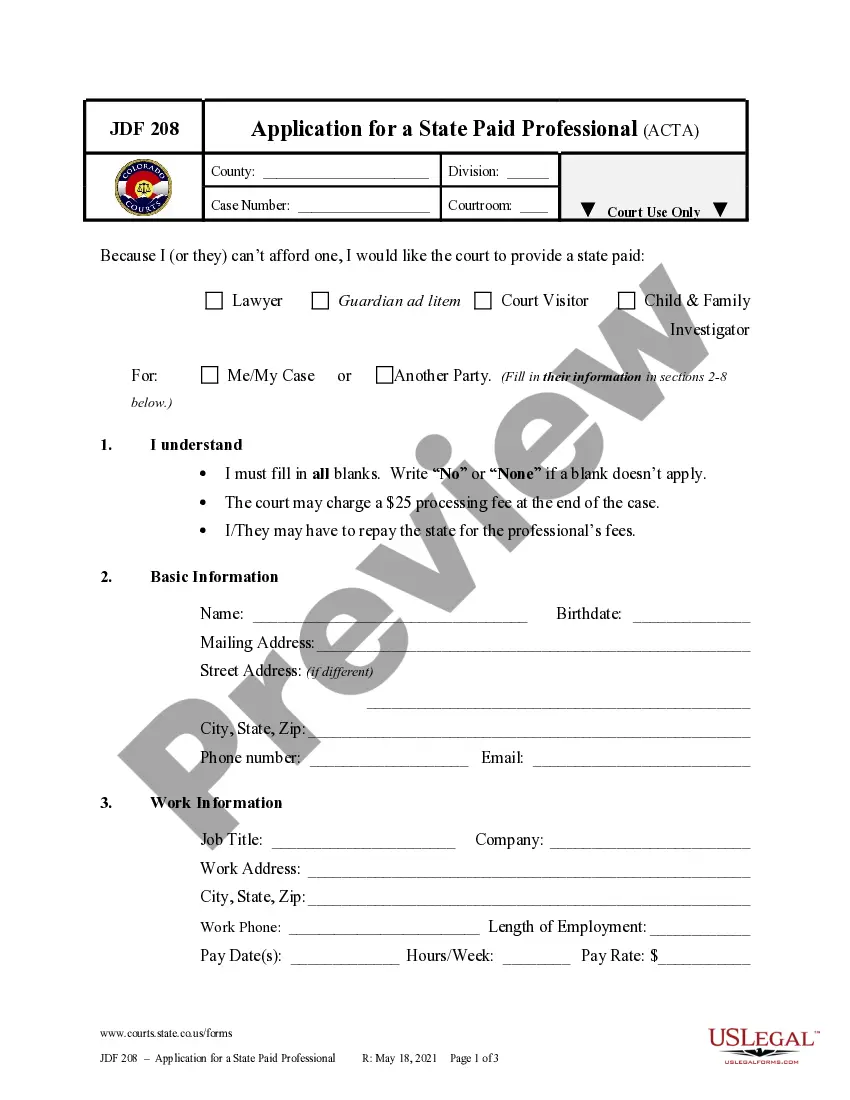






Form popularity
FAQ
Universities usually want separate documents. Your cover letter and resume are often needed along with your Statement of Purpose (SoP). They show different sides of you. The SoP tells your story, but your resume and cover letter focus on your skills and achievements.
How should a school cover letter be structured? Header or subject of the letter. Catchphrase. Motivations for your career plan. Interest in the school you are writing to. Reasons why your profile is relevant. Conclusion, accompanied by the famous greeting.
Follow these steps to write an impressive college admission letter: Write your name and street address. Include the date. Address people and institutions by name. Include a salutation. State your purpose for applying to the school. Explain why you want to attend their school. Write a conclusion. Include a sign-off.
A student cover letter should use specific examples to summarize your strengths and accomplishments related to the position. The cover letter should include a few paragraphs that introduce who you are and explain why you are the best person for the role.
Be concise. Keep your cover letter brief, to the point and a maximum of one page. If you need help shortening your cover letter, look for information that you may have repeated in other parts of your cover letter or application. Be specific.
Cover Letter Tips Show some personality. Tell the reader why you are excited about the position. Some overlap with your resume is necessary, but the letter should read as a narrative document. Start by writing your example stories in modules. If the job ad lists the cover letter as optional, send them a cover letter.
The opening paragraph. Tell them very simply and succinctly: Who you are professionally, what you can do for them, why you are interested in the job and/or employer. If there is some recent event or success the employer had that you can incorporate into why you are interested in the job, this can be very compelling.
Key Takeaways Address the cover letter to the hiring manager. If you can't find their name, then address them as “Hiring Manager,” by their title or address the department.
How should a school cover letter be structured? Header or subject of the letter. Catchphrase. Motivations for your career plan. Interest in the school you are writing to. Reasons why your profile is relevant. Conclusion, accompanied by the famous greeting.
A good cover letter should: Open with a compelling paragraph that tells a story and catches the reader's attention. Connect your experiences and qualifications with the desired qualifications of the employer. Include specific information about why you want to work for the employer and industry.

