College Admission Sample Letter Of Recommendation In Harris
Description



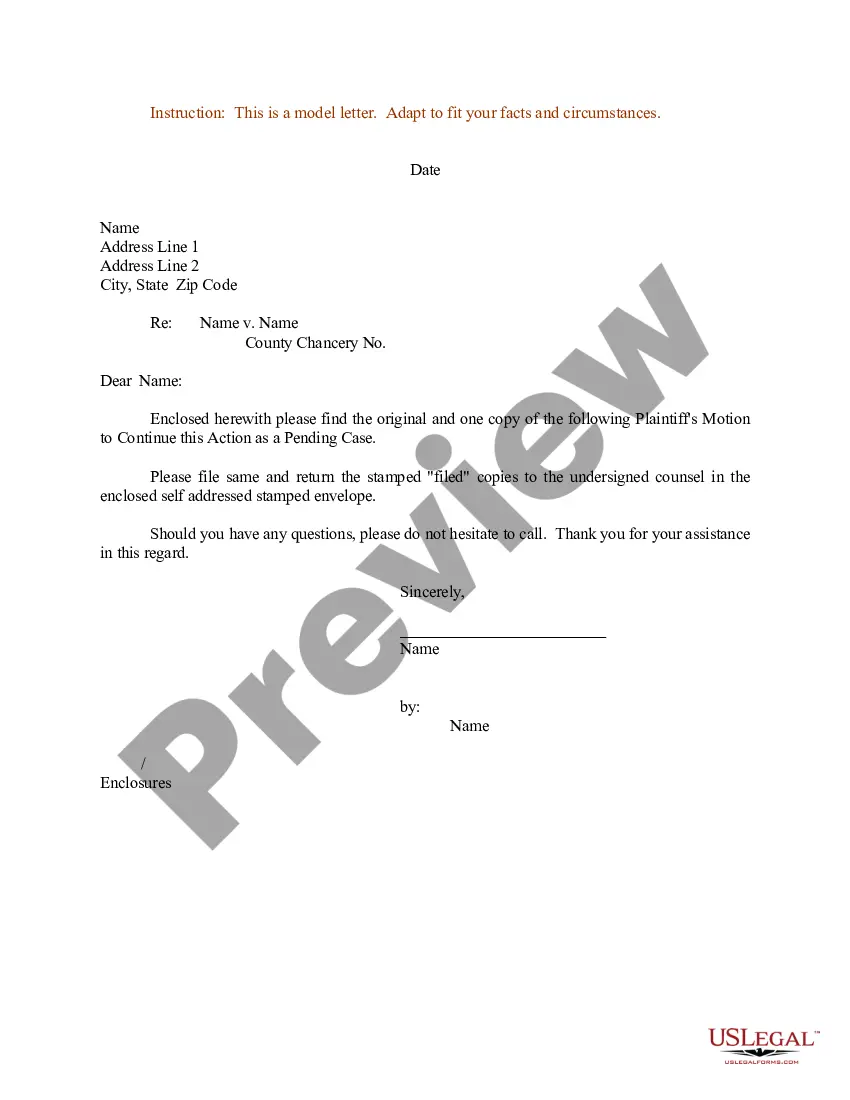
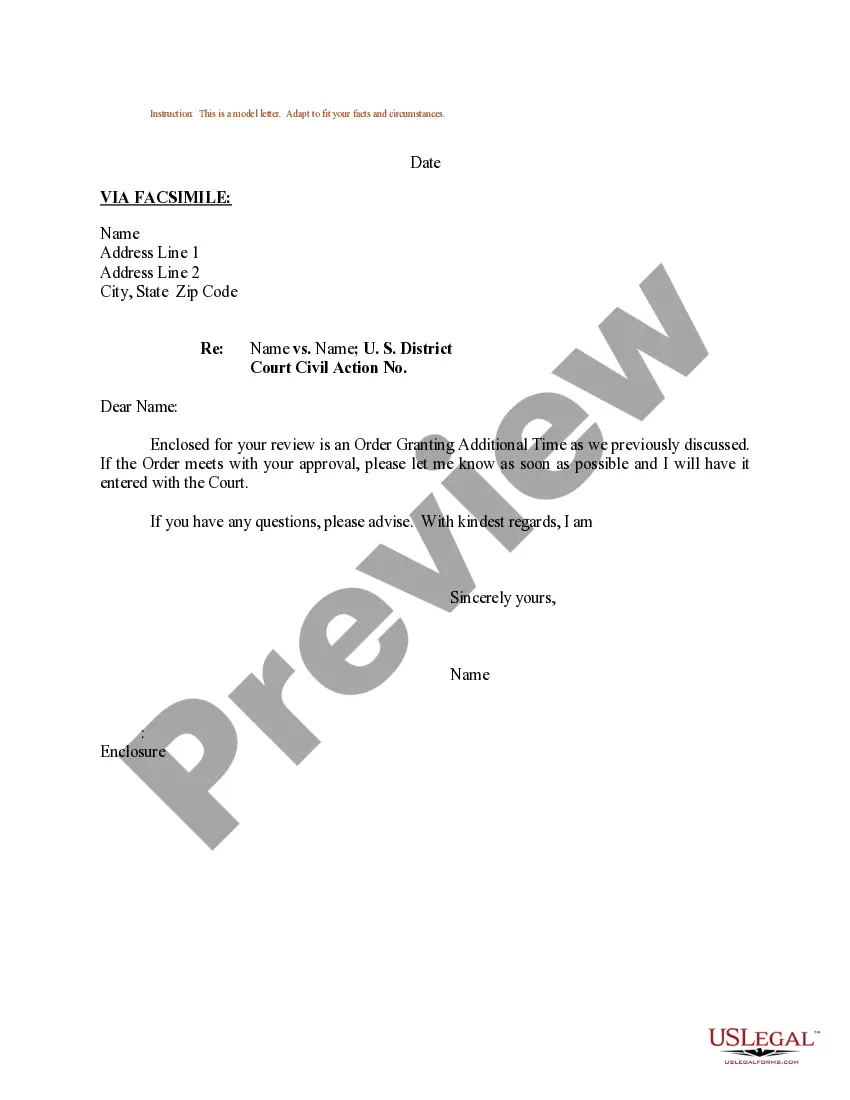
Get your form ready online
Our built-in tools help you complete, sign, share, and store your documents in one place.
Make edits, fill in missing information, and update formatting in US Legal Forms—just like you would in MS Word.
Download a copy, print it, send it by email, or mail it via USPS—whatever works best for your next step.
Sign and collect signatures with our SignNow integration. Send to multiple recipients, set reminders, and more. Go Premium to unlock E-Sign.
If this form requires notarization, complete it online through a secure video call—no need to meet a notary in person or wait for an appointment.
We protect your documents and personal data by following strict security and privacy standards.

Make edits, fill in missing information, and update formatting in US Legal Forms—just like you would in MS Word.

Download a copy, print it, send it by email, or mail it via USPS—whatever works best for your next step.

Sign and collect signatures with our SignNow integration. Send to multiple recipients, set reminders, and more. Go Premium to unlock E-Sign.

If this form requires notarization, complete it online through a secure video call—no need to meet a notary in person or wait for an appointment.

We protect your documents and personal data by following strict security and privacy standards.
Looking for another form?










Form popularity
FAQ
A good letter of recommendation for college includes the following key elements: Personal connection. Specific examples. Academic and personal balance. Tailored to the college or major. Positive, yet honest. Professional tone and format.
The list of key parts are: Introduction and statement of recommendation. List of specific reasons you are recommending them to the position. Personal story with evidence of their qualities (soft and hard skills) Closing statement with contact information. Signature.
Letters should be complete but concise, and they usually consist of three parts: introduction and background, specific assessments, and summary of recommendation. Letters from primary mentors, supervisors or close collaborators are generally somewhat longer than letters from others.
Use examples and specific details to illustrate why this person is the best candidate. Choose strong, accurate adjectives over general terms or cliches. Think about what the person reading the letter might want to know. Include details or insight that wouldn't necessarily show up on a resume or application.
In most cases, your letter of recommendation should include the following: 1 Date. Provide the date you send your letter, especially if there are specific application cycles or deadlines to adhere to. 2 Greeting. 3 Introduction. 4 Overview. 5 Personal anecdote. 6 Closing statement. 7 Signature.
The list of key parts are: Introduction and statement of recommendation. List of specific reasons you are recommending them to the position. Personal story with evidence of their qualities (soft and hard skills) Closing statement with contact information. Signature.
I highly recommend her for admission to your undergraduate program. She is talented, caring, intuitive, dedicated, and focused in her pursuits. Sara consistently seeks out constructive feedback so she can improve her writing skills, which is a rare and impressive quality in a high school student.
John is a very humble individual who gets along well with his peers and the entire medical team. It is therefore without reservations that I recommend him to you for any residency program that he may be seeking. I am sure he will be a valuable asset to your organization.
Adjectives to Increase Successful. Excellent. Accomplished. Outstanding. Skilled. Knowledgeable. Insightful. Resourceful.

