Injury Lawyer For Assault In Wake
Description

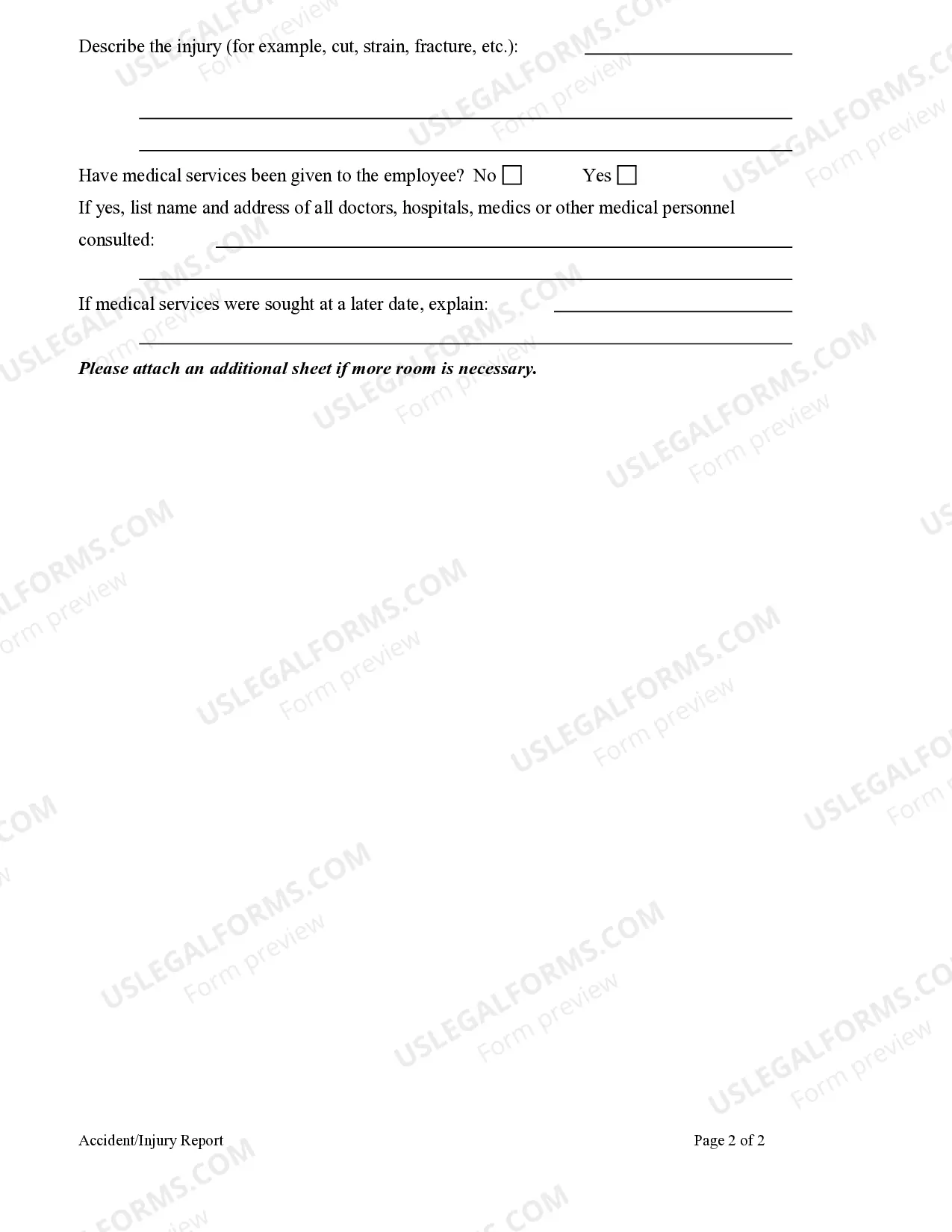
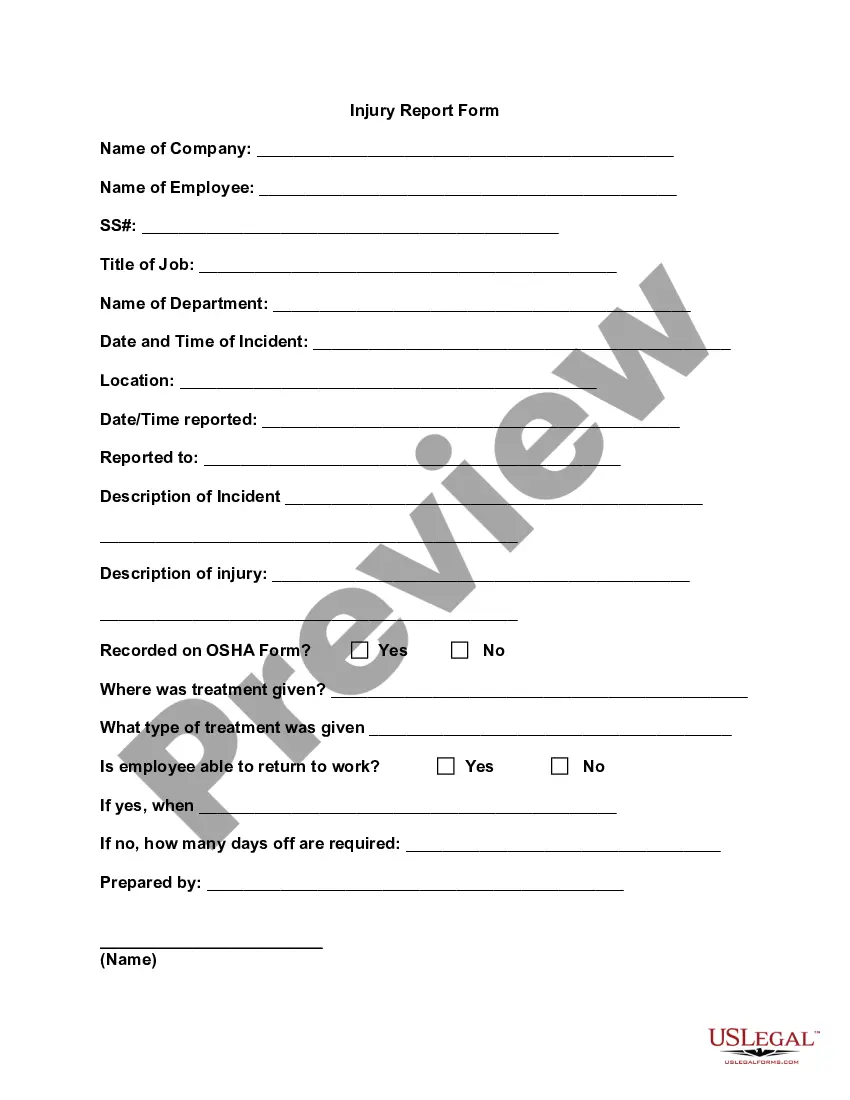
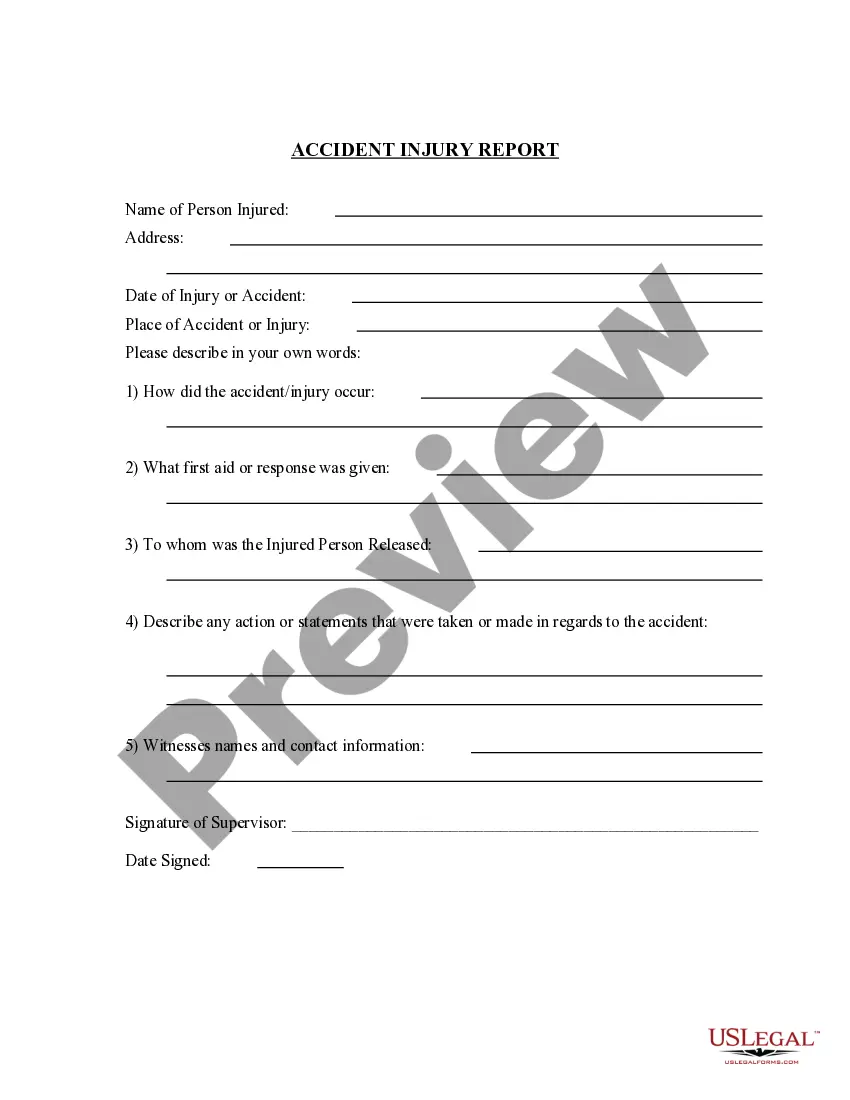
Get your form ready online
Our built-in tools help you complete, sign, share, and store your documents in one place.
Make edits, fill in missing information, and update formatting in US Legal Forms—just like you would in MS Word.
Download a copy, print it, send it by email, or mail it via USPS—whatever works best for your next step.
Sign and collect signatures with our SignNow integration. Send to multiple recipients, set reminders, and more. Go Premium to unlock E-Sign.
If this form requires notarization, complete it online through a secure video call—no need to meet a notary in person or wait for an appointment.
We protect your documents and personal data by following strict security and privacy standards.

Make edits, fill in missing information, and update formatting in US Legal Forms—just like you would in MS Word.

Download a copy, print it, send it by email, or mail it via USPS—whatever works best for your next step.

Sign and collect signatures with our SignNow integration. Send to multiple recipients, set reminders, and more. Go Premium to unlock E-Sign.

If this form requires notarization, complete it online through a secure video call—no need to meet a notary in person or wait for an appointment.

We protect your documents and personal data by following strict security and privacy standards.
Looking for another form?








Form popularity
FAQ
A primary objective of personal injury attorneys is to secure fair compensation for their clients. Therefore, they are often referred to as “compensation attorneys.” This term underscores the fact that personal injury cases seek financial recompense for the harm and losses suffered by the injured party.
A personal injury lawyer is a lawyer who provides legal services to those who claim to have been injured, physically or psychologically, as a result of the negligence of another person, company, government agency or any entity. Personal injury lawyers primarily practice in the area of law known as tort law.
Strictly speaking, the criminal justice system does not require that victims of crime have lawyers. Prosecutors are responsible for pursuing criminal cases against perpetrators and are generally expected to at least consider the victims' expectations or hopes regarding the outcome.
While some personal injury lawyers also handle medical malpractice claims and lawsuits, not all of them have the experience and resources to do so. For this reason, it is best to find an attorney with a proven and successful track record of such cases.
The intent is what allows you to consider it an assault claim. Essentially, a civil assault consists of any intentional, violent action that causes you to feel apprehension and physical harm. You do not even need to be fully struck for it to be considered a civil assault.
Assault and battery are criminal attacks under the law in North Carolina. However, many victims do not realize that they can also pursue monetary damages against the perpetrator in a separate, civil action. This can be the case even if you did not suffer physical injuries.
What is Pain and Suffering? Plain and simple: pain and suffering is the legal term that refers to physical and emotional stress caused from an injury. This is a form of General Damages.
Ing to the U.S. Department of Justice, personal injury lawsuit outcome statistics include a majority (90 to 95 percent) settled before trial. Out of the small percentage that end up seeing a courtroom, the data suggests that the success rate of personal injury cases is around half.
Tell them your full name and a basic description of your legal issue and what you want to accomplish. For example, if you're calling an attorney about a divorce, you might write down, "My name is Sally Sunshine and my partner and I have decided to divorce.
An assault may include one or more types of harm, such as pushing, shoving, slapping, punching, or kicking. It may also include the use of weapons like knives, sticks, bottles, or bats. Common injuries from an assault include bruises, black eyes, cuts, scratches, and broken bones.
