Accident With Trauma In Tarrant
Description

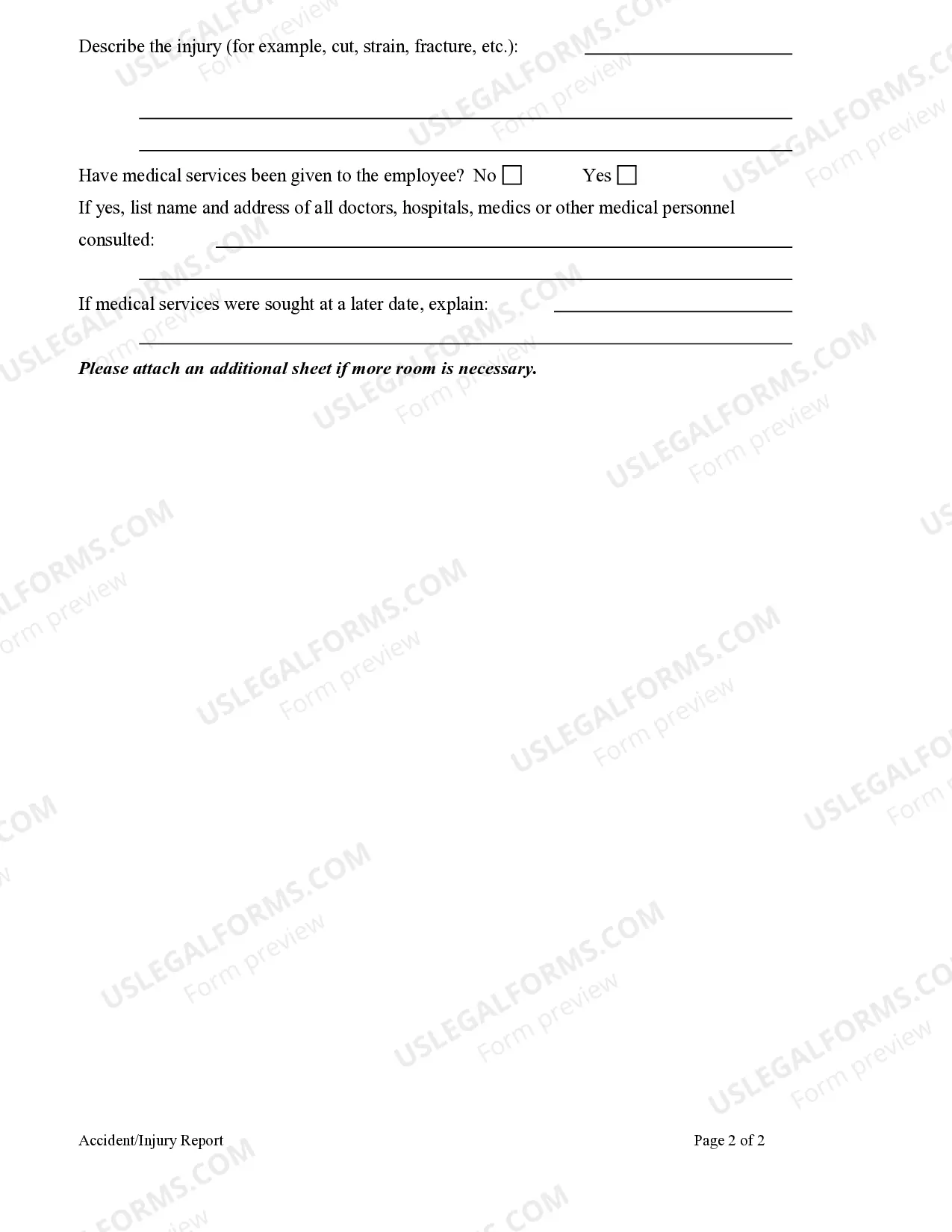
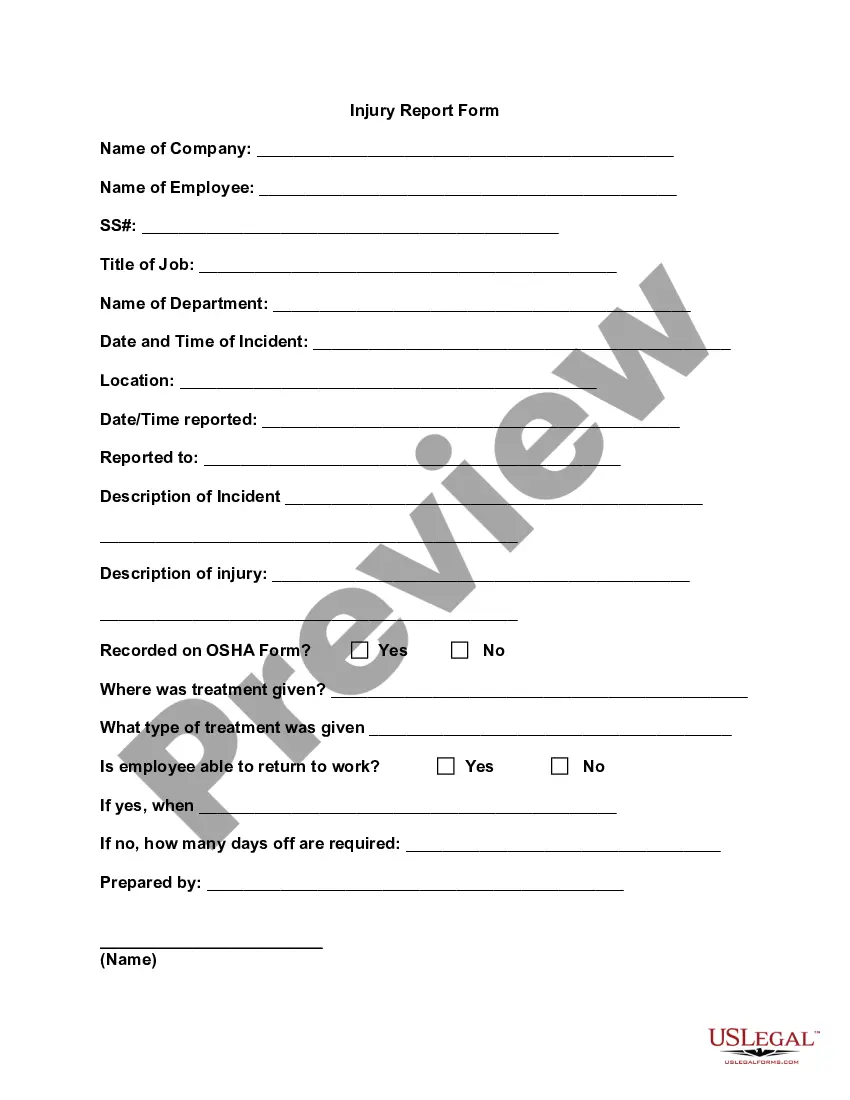
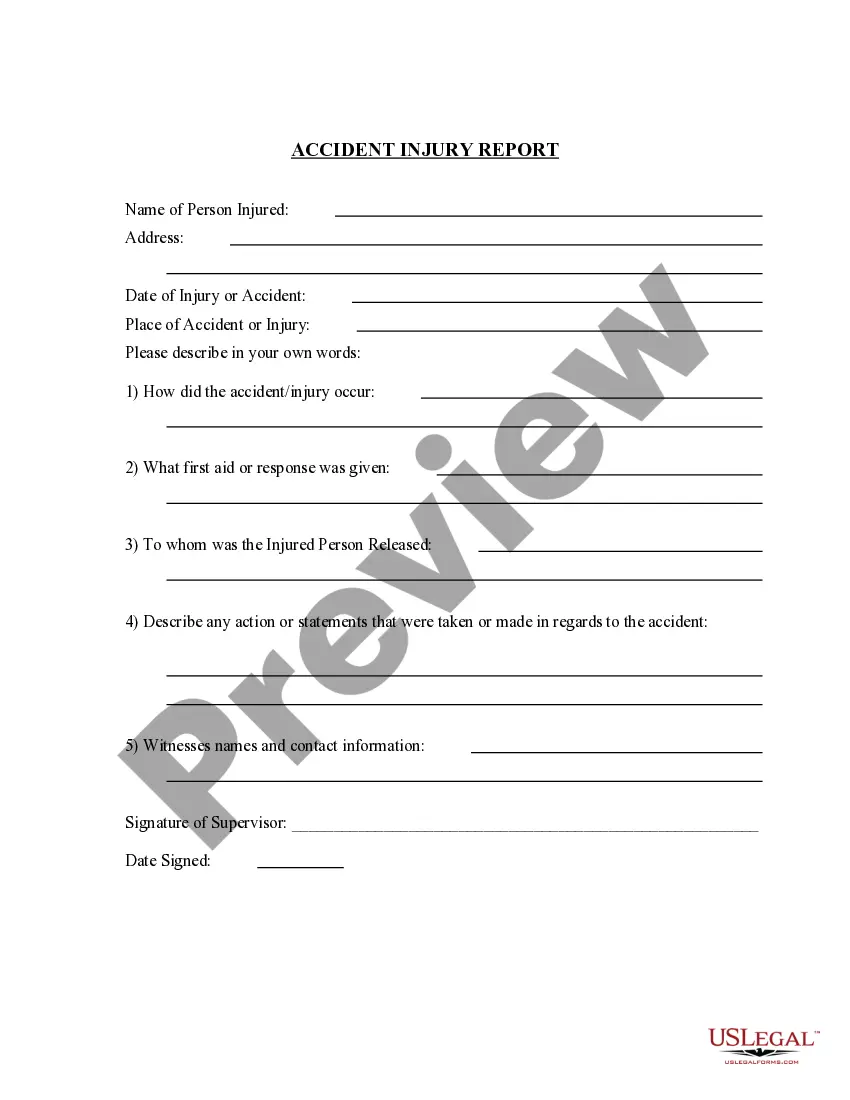
Get your form ready online
Our built-in tools help you complete, sign, share, and store your documents in one place.
Make edits, fill in missing information, and update formatting in US Legal Forms—just like you would in MS Word.
Download a copy, print it, send it by email, or mail it via USPS—whatever works best for your next step.
Sign and collect signatures with our SignNow integration. Send to multiple recipients, set reminders, and more. Go Premium to unlock E-Sign.
If this form requires notarization, complete it online through a secure video call—no need to meet a notary in person or wait for an appointment.
We protect your documents and personal data by following strict security and privacy standards.

Make edits, fill in missing information, and update formatting in US Legal Forms—just like you would in MS Word.

Download a copy, print it, send it by email, or mail it via USPS—whatever works best for your next step.

Sign and collect signatures with our SignNow integration. Send to multiple recipients, set reminders, and more. Go Premium to unlock E-Sign.

If this form requires notarization, complete it online through a secure video call—no need to meet a notary in person or wait for an appointment.

We protect your documents and personal data by following strict security and privacy standards.
Looking for another form?








Form popularity
FAQ
This may be carried out by a GP or specialist. You can see a GP to start on this process, or you can refer yourself for assessment to a talking therapy service. You're likely to be offered treatment if you've had symptoms of PTSD for more than 4 weeks or your symptoms are severe.
What can I do to cope after a traumatic event? Avoid the use of alcohol or drugs. Spend time with trusted friends and relatives who are supportive. Try to maintain routines for meals, exercise, and sleep. Engage in exercise, mindfulness, or other activities that help reduce stress.
Tips to Help With Trauma Recovery Talk with others about how you feel. Calm yourself. Take care of yourself. Avoid using alcohol, drugs, and tobacco. Get back to your daily routine. Get involved in your community. Get help if symptoms persist.
Some strategies to help improve your mental health and well-being after trauma include the following: Stay connected to your support system. Find healthy activities that help with self-expression. Move your body in gentle ways like stretching, yoga, or walking.
Explore relaxation techniques such as deep breathing exercises, meditation or mindfulness. These practices can help reduce anxiety and promote a sense of calm and well-being when you're feeling particularly overwhelmed. Incorporating them into your daily routine can also promote long-term health and wellness.
Unresolved emotions can lead to physical symptoms and weaken our immune system. Moving your body through yoga, dance, or Tai Chi helps release this trauma. Techniques like Accelerated Resolution Therapy (ART) also offer a new path for healing emotional wounds.
What can I do to cope after a traumatic event? Avoid the use of alcohol or drugs. Spend time with trusted friends and relatives who are supportive. Try to maintain routines for meals, exercise, and sleep. Engage in exercise, mindfulness, or other activities that help reduce stress.
Trauma is difficult to heal from. It's meant to be. Trauma is the way that our brains and bodies adapt to an experience or environment of life-threatening powerlessness: to situations of overwhelm that are extremely dangerous to our survival. If our brains and bodies don't take that seriously, we won't stay alive.
Even if people recover fully from their injuries after a crash, the psychological impact can linger for months or even years. Trauma symptoms vary and can affect drivers, passengers, and bystanders alike.
PTSD can develop immediately after the accident or even months or years later. Additionally, while some individuals find that their PTSD symptoms ease within a few days to a month, others might struggle with lasting effects that don't go away on their own and may need some help to work through.
