Injury Lawyer For Assault In Palm Beach
Description

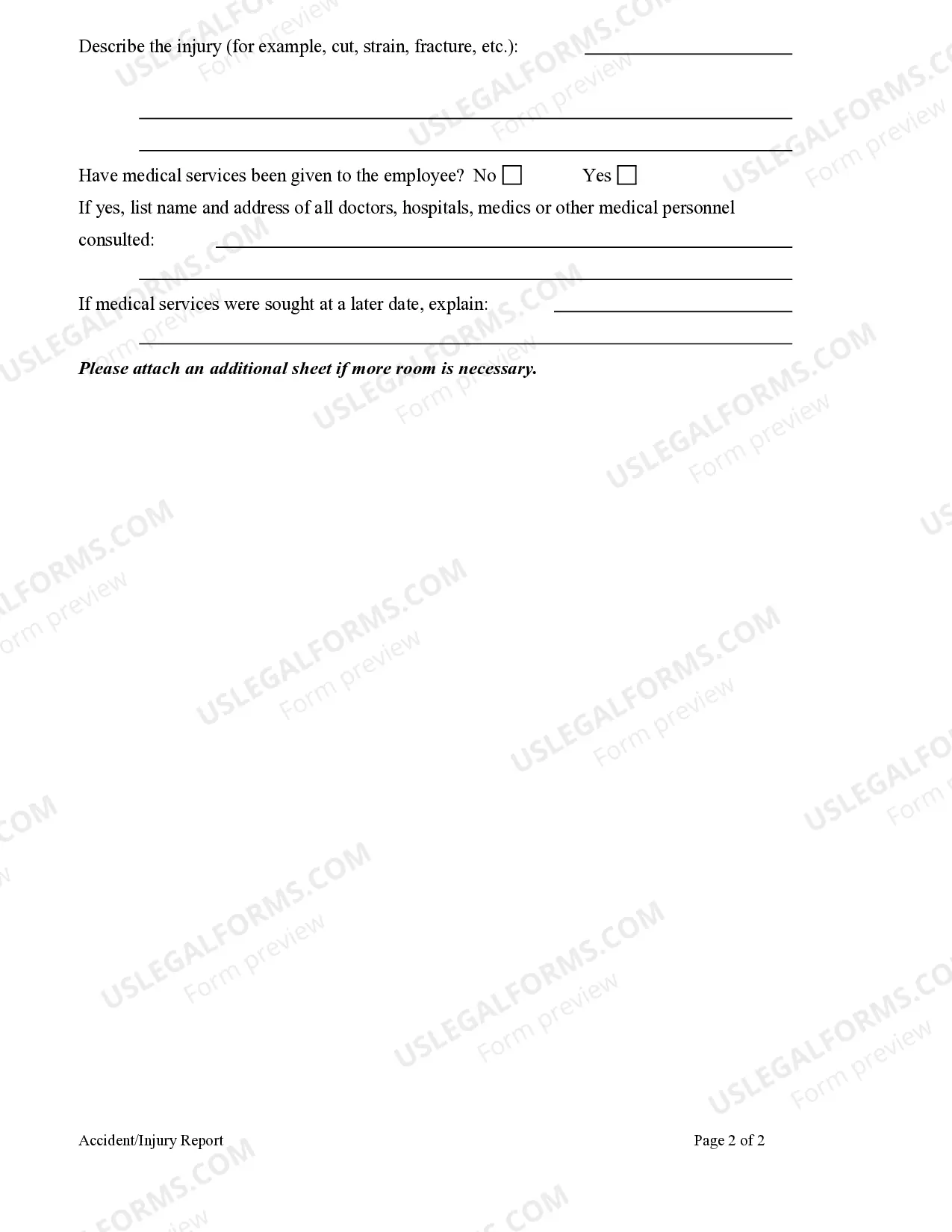
Get your form ready online
Our built-in tools help you complete, sign, share, and store your documents in one place.
Make edits, fill in missing information, and update formatting in US Legal Forms—just like you would in MS Word.
Download a copy, print it, send it by email, or mail it via USPS—whatever works best for your next step.
Sign and collect signatures with our SignNow integration. Send to multiple recipients, set reminders, and more. Go Premium to unlock E-Sign.
If this form requires notarization, complete it online through a secure video call—no need to meet a notary in person or wait for an appointment.
We protect your documents and personal data by following strict security and privacy standards.

Make edits, fill in missing information, and update formatting in US Legal Forms—just like you would in MS Word.

Download a copy, print it, send it by email, or mail it via USPS—whatever works best for your next step.

Sign and collect signatures with our SignNow integration. Send to multiple recipients, set reminders, and more. Go Premium to unlock E-Sign.

If this form requires notarization, complete it online through a secure video call—no need to meet a notary in person or wait for an appointment.

We protect your documents and personal data by following strict security and privacy standards.
Looking for another form?



Form popularity
FAQ
Can You Sue for Negligence Without Injury in California? Yes, you can sue for negligence without injury. If someone totaled your car after the accident, you can file a lawsuit to obtain coverage for property damage expenses.
Ing to the U.S. Department of Justice, personal injury lawsuit outcome statistics include a majority (90 to 95 percent) settled before trial. Out of the small percentage that end up seeing a courtroom, the data suggests that the success rate of personal injury cases is around half.
Florida's personal injury statute of limitations requires most lawsuits to be filed within two years of the incident. Once you file your lawsuit, a process server will provide the defendants with a copy of the lawsuit in person. The defendants generally have 20 days from the service of process to file an answer.
When you or a loved one are hurt because of a personal injury, you have a limited amount of time to file a lawsuit in the correct court system. In most Florida injury cases, the time limit is four years from the date of your injury. There are reasons that the deadline may be shorter or longer in some cases.
The new Tort Reform Act now makes Florida a modified comparative fault state, which means the other party needs to be the majority at fault for the accident for you to collect any damages. This means you must be less than 50% responsible for your injuries to receive any damages for your case.
The intent is what allows you to consider it an assault claim. Essentially, a civil assault consists of any intentional, violent action that causes you to feel apprehension and physical harm. You do not even need to be fully struck for it to be considered a civil assault.
After a physical altercation, you could face criminal and/or civil action. Even if you're not arrested, you could be sued for medical bills, lost wages, pain and suffering, etc. Whether or not the suit would be successful cannot be predicted, but you will incur significant legal bills to defend yourself.
The amount you can sue for after an assault and battery depends on various factors. These factors include how serious the attack was, how bad your injuries are, and how these injuries have affected your life.
This is known as a statute of limitations. Under Florida Statutes Annotated section 95.11, a person has four years to file a lawsuit in Florida from the date the accident/circumstance occurred. Rarely will the civil court hear a case that was not filed within this four year window of time.
In Florida, you have the right to file a lawsuit if you are the victim of assault and/or battery. The main requirement is that the assault or battery caused you to suffer some kind of injury. This injury does not necessarily have to be physical.
