Personal Injury Form Interrogatories In Orange
Description

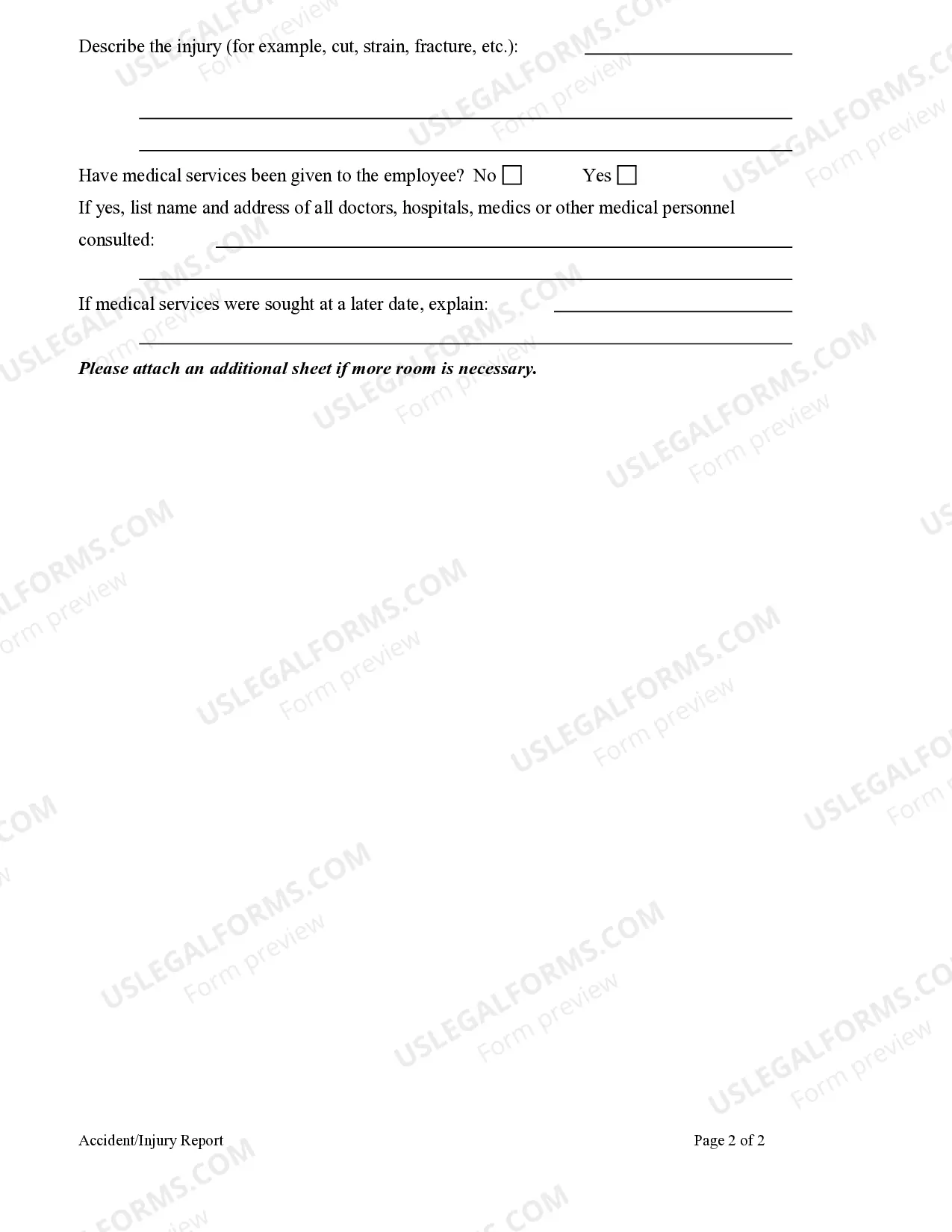
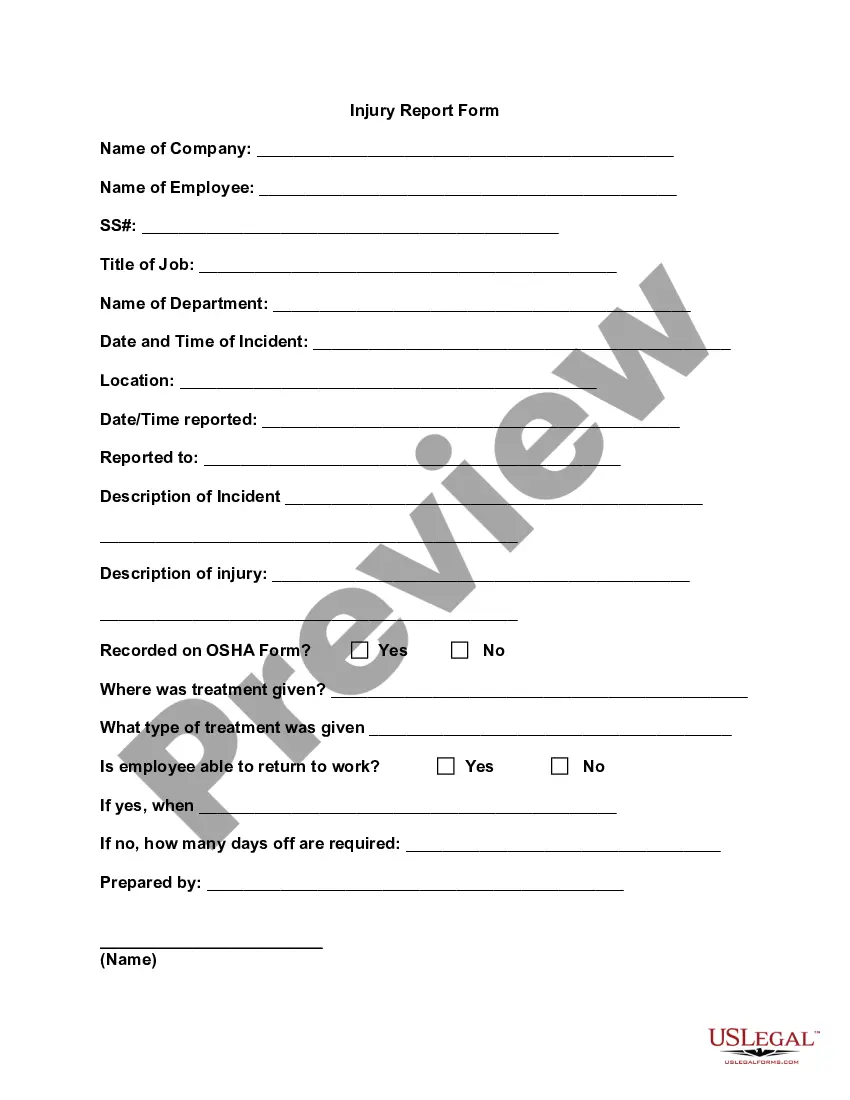
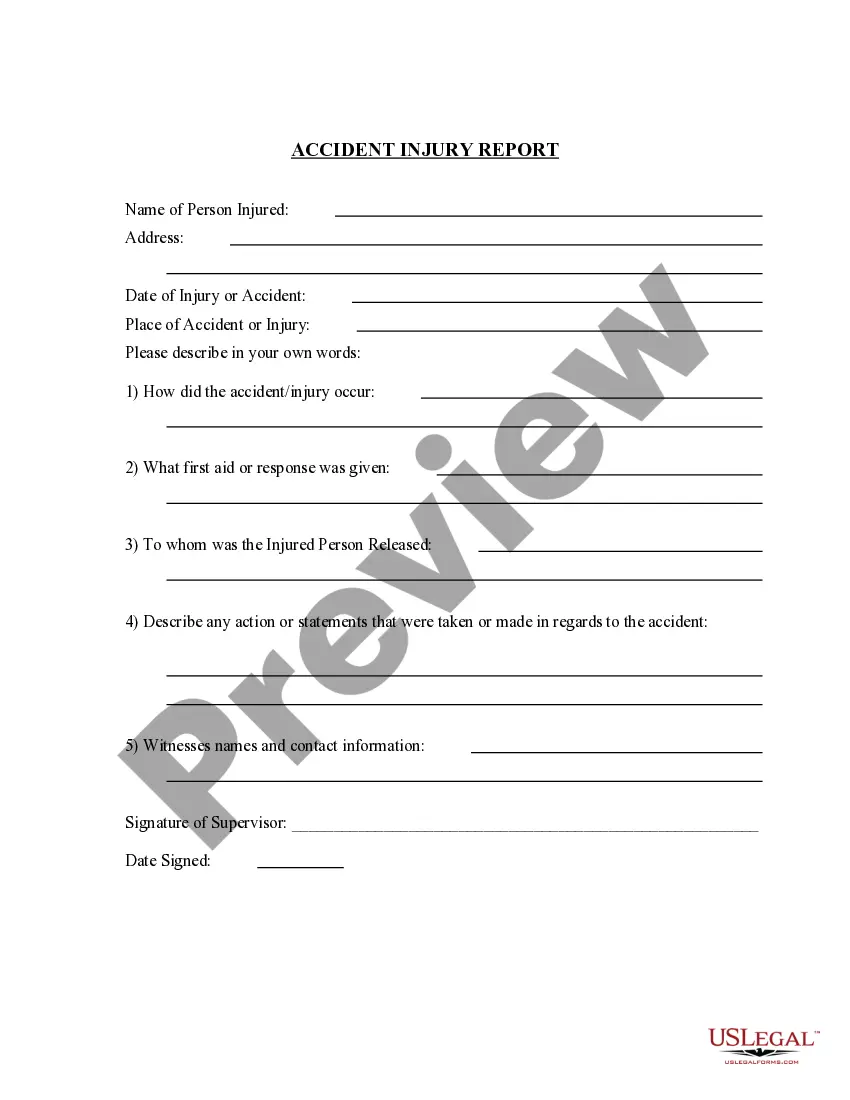
Get your form ready online
Our built-in tools help you complete, sign, share, and store your documents in one place.
Make edits, fill in missing information, and update formatting in US Legal Forms—just like you would in MS Word.
Download a copy, print it, send it by email, or mail it via USPS—whatever works best for your next step.
Sign and collect signatures with our SignNow integration. Send to multiple recipients, set reminders, and more. Go Premium to unlock E-Sign.
If this form requires notarization, complete it online through a secure video call—no need to meet a notary in person or wait for an appointment.
We protect your documents and personal data by following strict security and privacy standards.

Make edits, fill in missing information, and update formatting in US Legal Forms—just like you would in MS Word.

Download a copy, print it, send it by email, or mail it via USPS—whatever works best for your next step.

Sign and collect signatures with our SignNow integration. Send to multiple recipients, set reminders, and more. Go Premium to unlock E-Sign.

If this form requires notarization, complete it online through a secure video call—no need to meet a notary in person or wait for an appointment.

We protect your documents and personal data by following strict security and privacy standards.
Looking for another form?






Form popularity
FAQ
If the opposing side does not respond to your form interrogatories, special interrogatories, or request for production, you may file a motion seeking an order compelling the opposing party to respond.
(b) Failure to Comply with a Court Order. (1) Sanctions Sought in the District Where the Deposition Is Taken. If the court where the discovery is taken orders a deponent to be sworn or to answer a question and the deponent fails to obey, the failure may be treated as contempt of court.
If the opposing side does not respond to your form interrogatories, special interrogatories, or request for production, you may file a motion seeking an order compelling the opposing party to respond.
Interrogatories are written questions sent by one party in a lawsuit to another party in that same suit, which the responding party must answer under penalty of perjury. Interrogatories allow the parties to ask who, what, when, where and why questions, making them a good method for obtaining new information.
Usually, lawyers use interrogatories to obtain detailed information about persons, corporations, facts, witnesses, and identity and locations of records and documents. Court rules usually limit the number of questions included in an interrogatory.
How much time does the responding party have to answer interrogatories? The responding party generally has 30 days to answer interrogatories from the date of service. Talk to a lawyer if you are not sure about the deadline.
How to fill out Form Interrogatories Fill in basic information at the top of the form. Provide basic information about your case. Select the questions. On Page 2, check the box next to each question you want to ask your spouse to answer. Make copies. Make 1 copy of the completed Form Interrogatories – Family Law.
(b) Except as provided in Section 2030.070, no party shall, as a matter of right, propound to any other party more than 35 specially prepared interrogatories. If the initial set of interrogatories does not exhaust this limit, the balance may be propounded in subsequent sets.
If the question contains several parts, you may break your answer into parts as well. It is also possible that you might object to the question. To raise an objection, you write “Responding party objects on the grounds” followed by why you object.
(2) Time to Respond. The responding party must serve its answers and any objections within 30 days after being served with the interrogatories. A shorter or longer time may be stipulated to under Rule 29 or be ordered by the court.
