Accident With Injury In Orange
Description

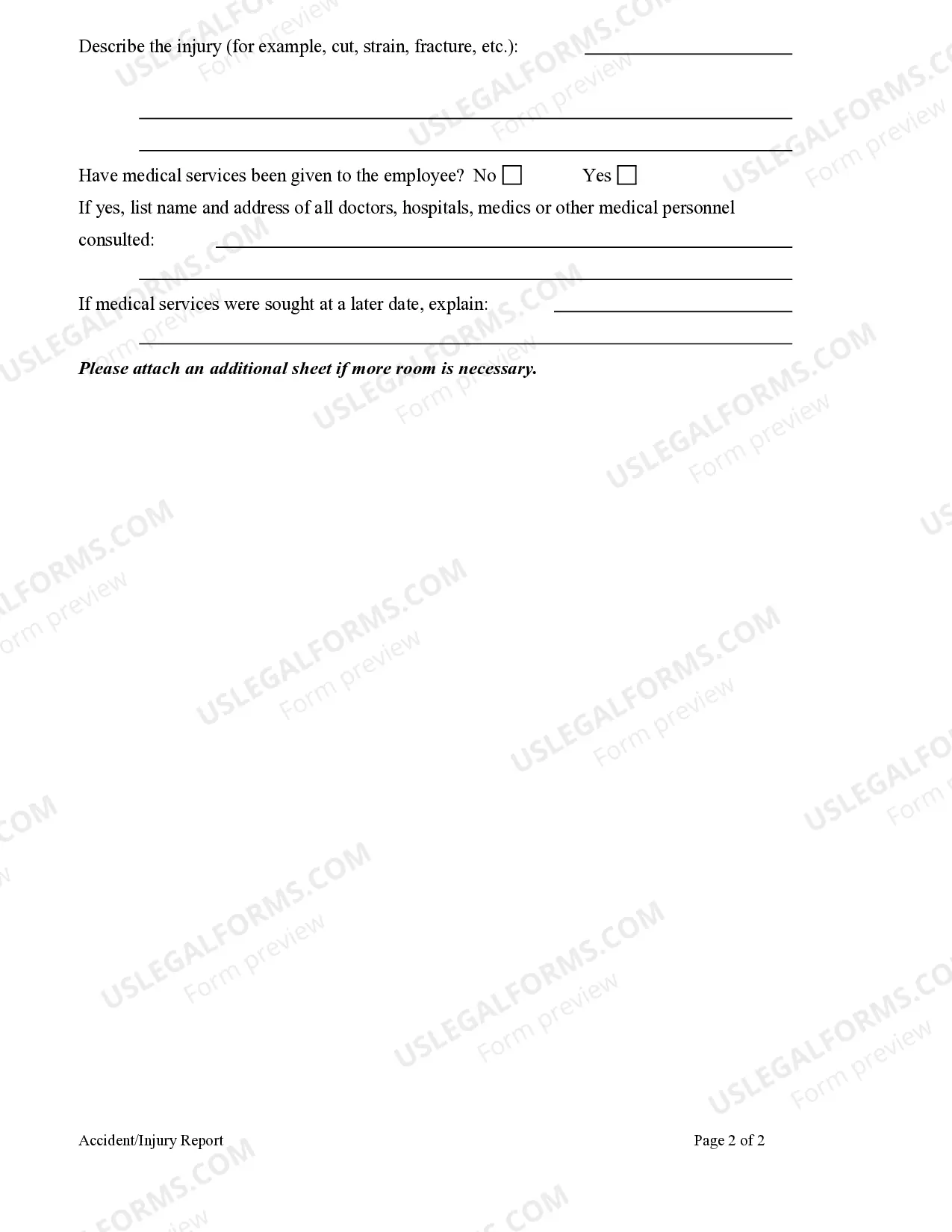
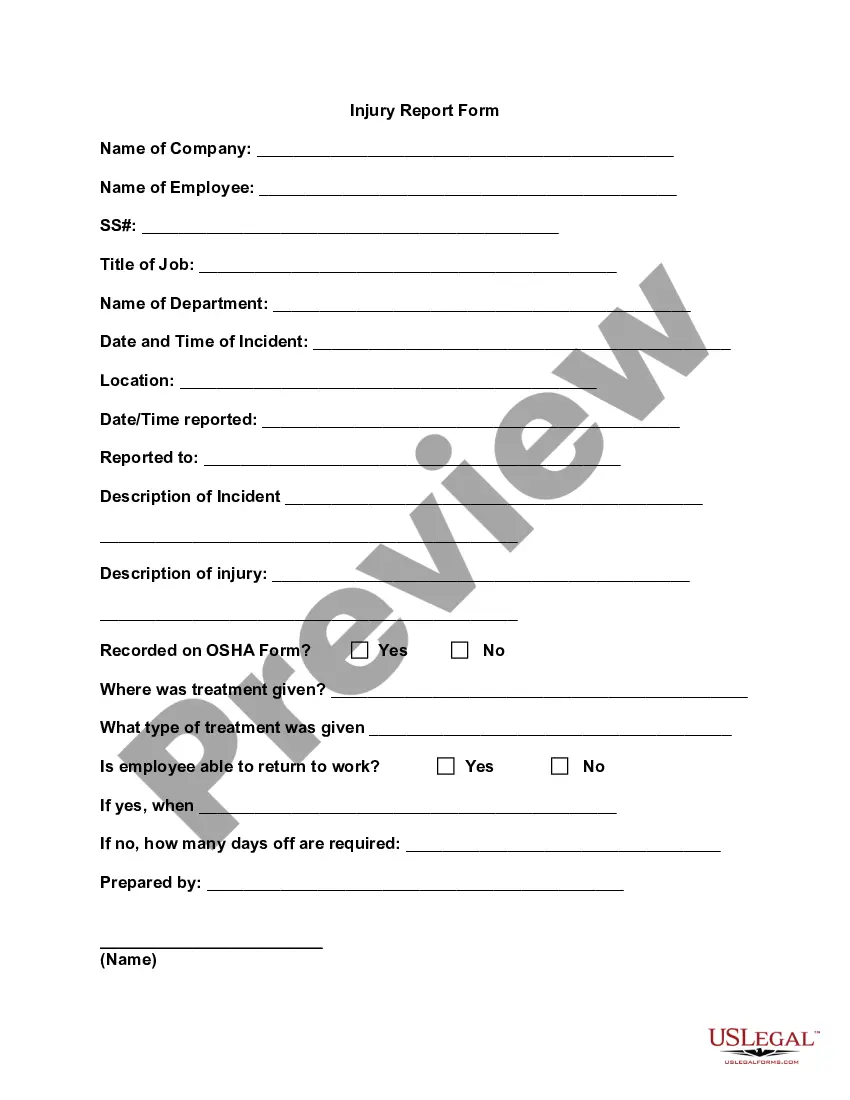
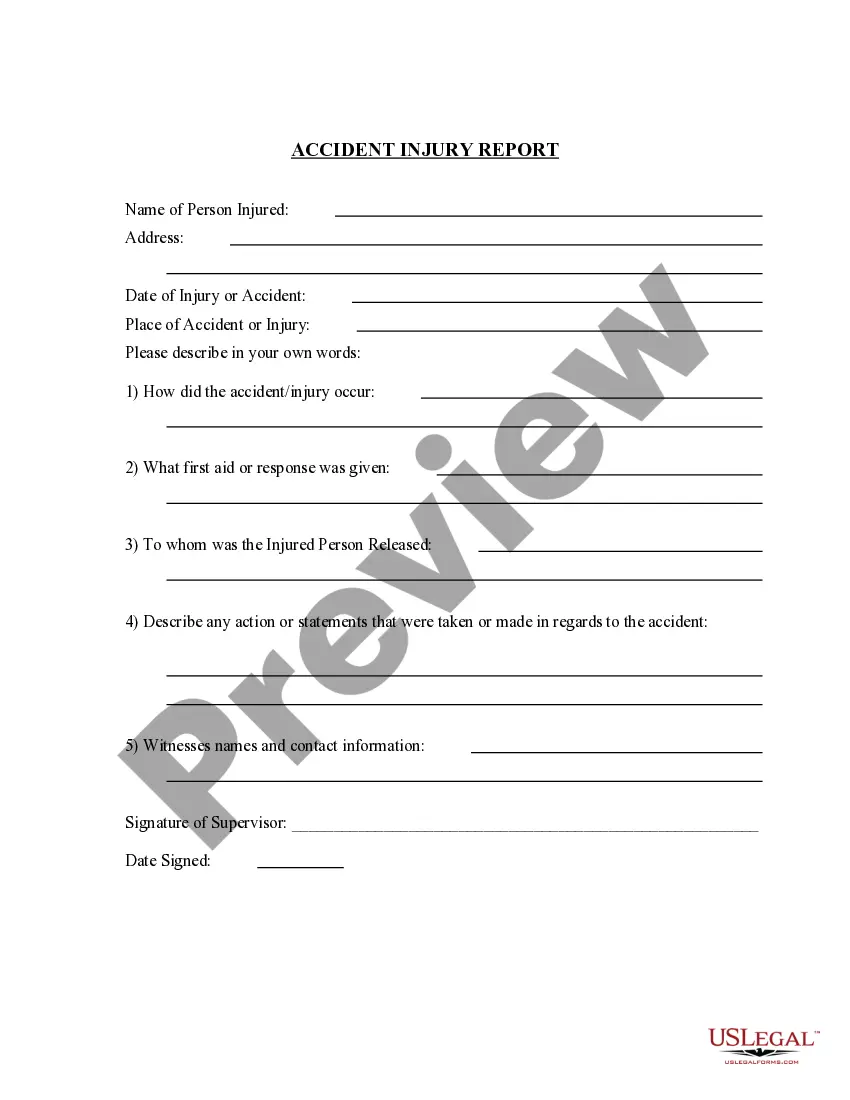
Get your form ready online
Our built-in tools help you complete, sign, share, and store your documents in one place.
Make edits, fill in missing information, and update formatting in US Legal Forms—just like you would in MS Word.
Download a copy, print it, send it by email, or mail it via USPS—whatever works best for your next step.
Sign and collect signatures with our SignNow integration. Send to multiple recipients, set reminders, and more. Go Premium to unlock E-Sign.
If this form requires notarization, complete it online through a secure video call—no need to meet a notary in person or wait for an appointment.
We protect your documents and personal data by following strict security and privacy standards.

Make edits, fill in missing information, and update formatting in US Legal Forms—just like you would in MS Word.

Download a copy, print it, send it by email, or mail it via USPS—whatever works best for your next step.

Sign and collect signatures with our SignNow integration. Send to multiple recipients, set reminders, and more. Go Premium to unlock E-Sign.

If this form requires notarization, complete it online through a secure video call—no need to meet a notary in person or wait for an appointment.

We protect your documents and personal data by following strict security and privacy standards.
Looking for another form?



Form popularity
FAQ
There are five key details of accidents legally required: Full name, address and occupation of the injured person (a) Date and time of the accident (b) Location of the accident (c) Cause and nature of the injury (d) Name, address and occupation of the person giving the notice, if other than the injured person (e).
How To Write A Car Accident Witness Statement Include the Witness's Full Name and Contact Details. Detail the Who, What, When, and Where of the Accident. Share Your Perspective on How the Crash Occurred. Report Observations of Injuries and Property Damage. Include Other Relevant Information. Sign the Witness Statement.
Be cautious about the information you provide to the insurance adjuster. Only share details directly relevant to the crash and your claim. Avoid discussing your personal life, schedule, or anything unrelated to the incident. Oversharing can give the adjuster information they will use to minimize your claim.
Here are some details you'll want to include when writing a report for the car accident you were involved in: The Other Driver's Identity. The Time and Location of the Collision. Vehicle Information. Insurance Details. Eye-Witness Information. An Explanation of How the Collision Occurred. Seek Medical Attention.
Some key phrases to avoid saying to an insurance adjuster include: “I'm sorry.” “It was all/partly my fault.” “I did not see the other person/driver.”
Provide your name, phone number, and address. If pressed for more, inform the adjuster of things like the date, time, and location. However, you are not required to discuss the nature of your injury, the treatment you received, and how the crash occurred.
Always File a Claim, Regardless of Who Was At-Fault One of the primary questions we receive from clients who have been in an accident is whether they should report the accident to their own auto insurance carrier, particularly when the accident was not their fault. And the answer to that question is: always.
Report accidents to your insurer within the stipulated period, often 72 hours, to avoid claim denial. The California statute of limitations for auto accidents is two years. However, there may be exceptions that would permit you to move forward with your case even if more than two years have passed.
Every situation is unique, but there are a few things that anyone with a personal injury claim should know to improve their chances of winning. Hire an Attorney. Be Completely Honest with Your Lawyer. Don't Discuss Your Case. Seek Full Treatment for Your Injuries. Keep Your Records. Dig in for a Long Fight.
Injuries from major car accidents can be both immediate and long-lasting, often requiring urgent medical intervention. Common severe injuries include spinal cord injuries, traumatic brain injuries, and multiple fractures.
