Accident And Injury Care In Ohio
Description

Get your form ready online
Our built-in tools help you complete, sign, share, and store your documents in one place.
Make edits, fill in missing information, and update formatting in US Legal Forms—just like you would in MS Word.
Download a copy, print it, send it by email, or mail it via USPS—whatever works best for your next step.
Sign and collect signatures with our SignNow integration. Send to multiple recipients, set reminders, and more. Go Premium to unlock E-Sign.
If this form requires notarization, complete it online through a secure video call—no need to meet a notary in person or wait for an appointment.
We protect your documents and personal data by following strict security and privacy standards.

Make edits, fill in missing information, and update formatting in US Legal Forms—just like you would in MS Word.

Download a copy, print it, send it by email, or mail it via USPS—whatever works best for your next step.

Sign and collect signatures with our SignNow integration. Send to multiple recipients, set reminders, and more. Go Premium to unlock E-Sign.

If this form requires notarization, complete it online through a secure video call—no need to meet a notary in person or wait for an appointment.

We protect your documents and personal data by following strict security and privacy standards.
Looking for another form?





Form popularity
FAQ
You Must Be an Employee While all employees—whether full-time, part-time, or temporary—are covered, contractors are not. So, the first requirement for getting workers' comp benefits is being a regular employee.
Minor injuries that don't require medical care aren't covered by workers' compensation. Intoxication – If an injury occurs because of the employee's own voluntary intoxication, their losses aren't covered by workers' compensation.
The answer to that question is often “yes.” However, the rules governing where the injured employee gets treatment are a little more complicated. Generally, the Workers' Compensation Act provides that an injured worker must treat with panel physicians chosen by the employer within the first 90 days of being injured.
However, if your injury is severe enough to warrant a workers' compensation claim, understand that you have the right to choose the doctor you want to treat your illness or injury, as long as the doctor is certified by the Ohio Bureau of Workers' Compensation (BWC).
What You Shouldn't Tell Your Workers' Comp Doctor. Here is a quick list of things that you should never say to your workers' comp doctor, even if you are getting a second opinion: Never lie about prior injuries, pre-existing conditions, or medical history.
While you have up to one year to file a claim, it is rarely in your best interest to wait. Once you know you are hurt or sick, you should consider the workers' compensation system, speak with an attorney, and figure out your next best steps.
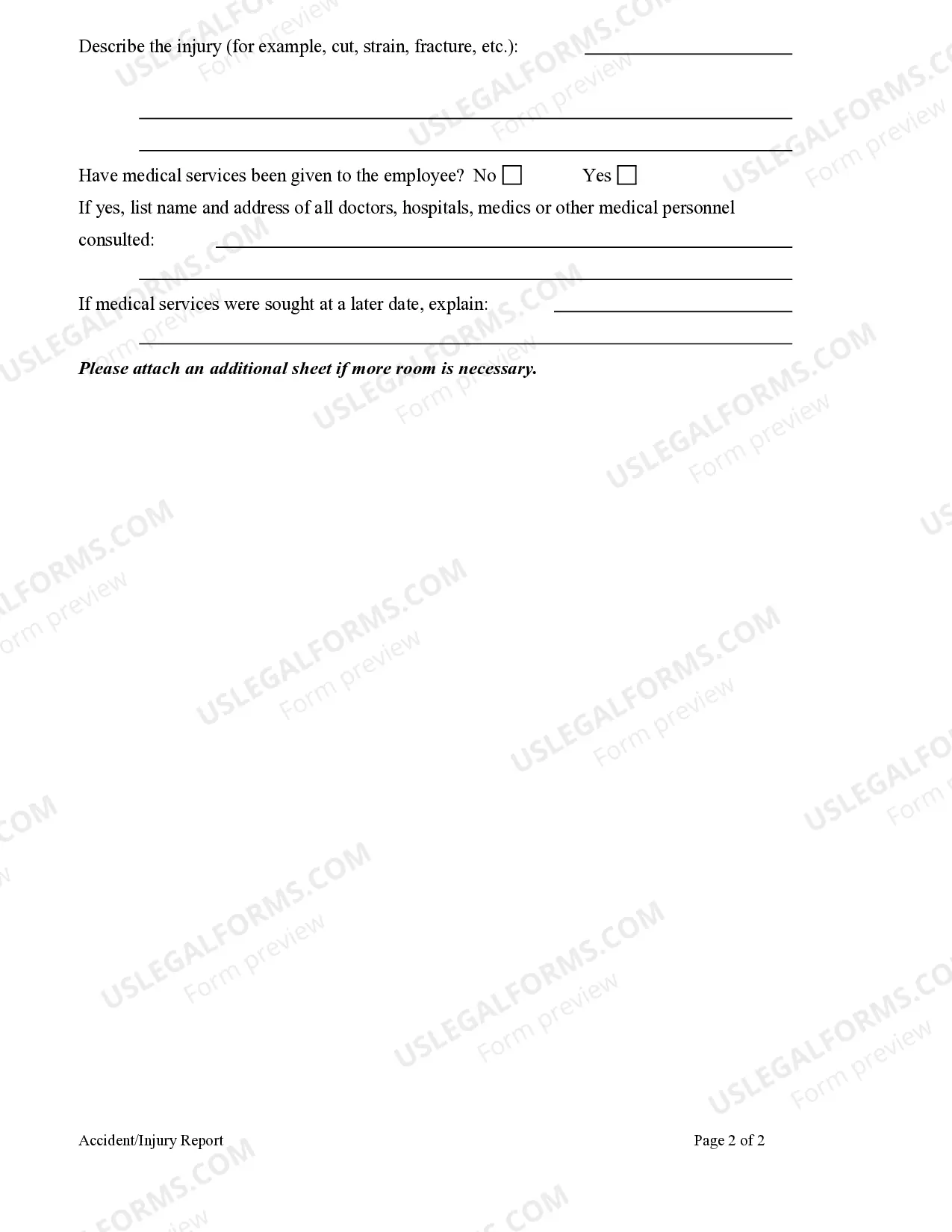
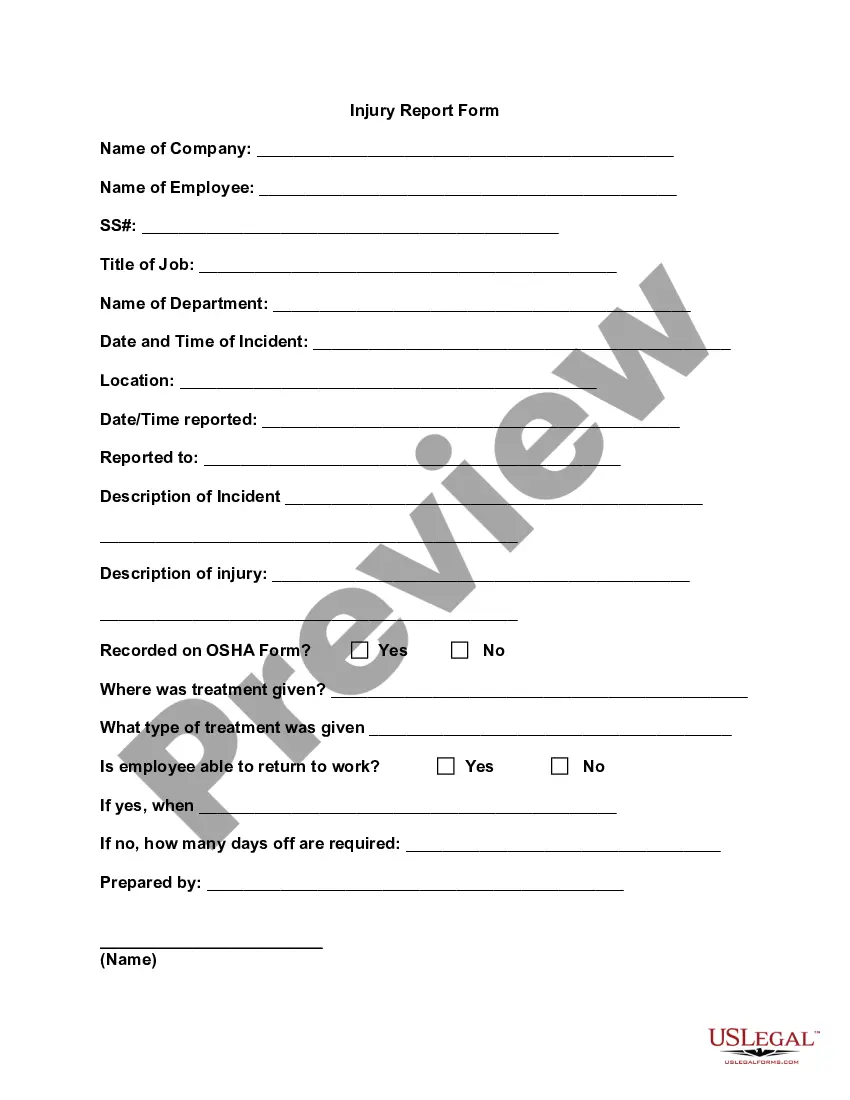
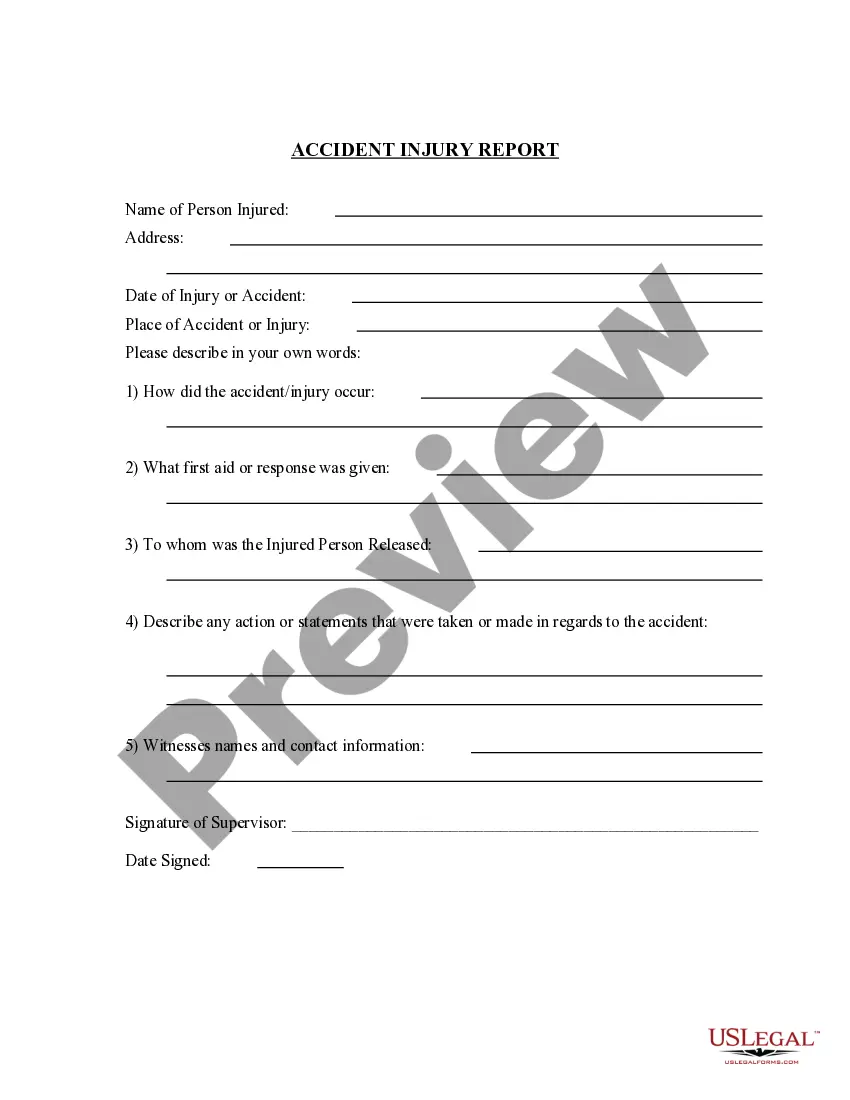
Tell what the injured was doing at the time of the accident. Tell what happened and how it happened. Name any objects or substances involved and tell how they were involved. Give full details on all factors which led or contributed to the accident.)
If it's a full and final settlement, I would say around $50000 is average for something like this, unless you have additional medical information showing clearly that your injuries are from that job. I'd never take $10000 for that type of settlement.
Unlike some states, Ohio does not have a specific formula or schedule of values that are applied in calculating a workers' compensation settlement. Rather, the BWC will assess the likely future benefits under the claim and balance that against the likelihood that the expenses will be incurred.
In Ohio, there is no predefined formula or schedule of benefits that explicitly dictates fair compensation amounts. Instead, the settlement process involves an in-depth assessment of each individual case as no two are the same.
