Accident Report File Fort Worth In Los Angeles
Description

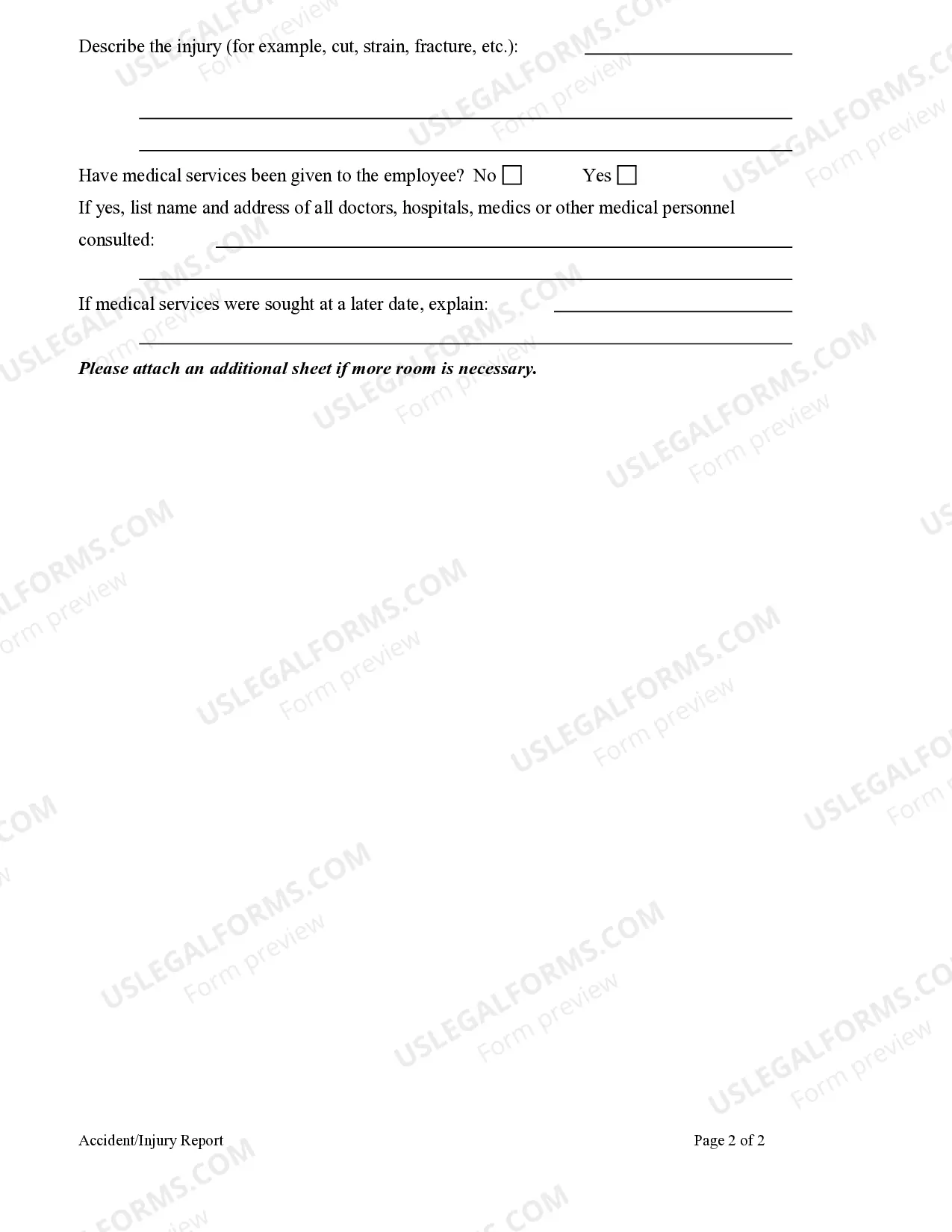
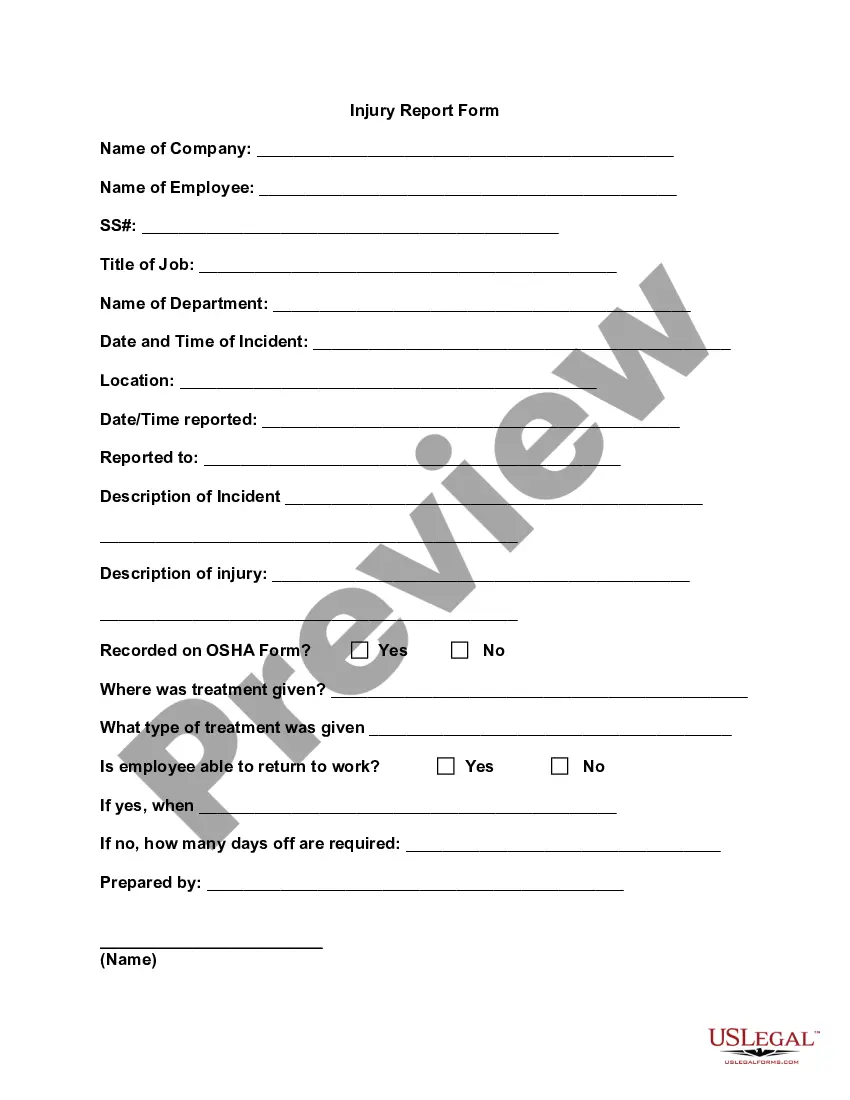
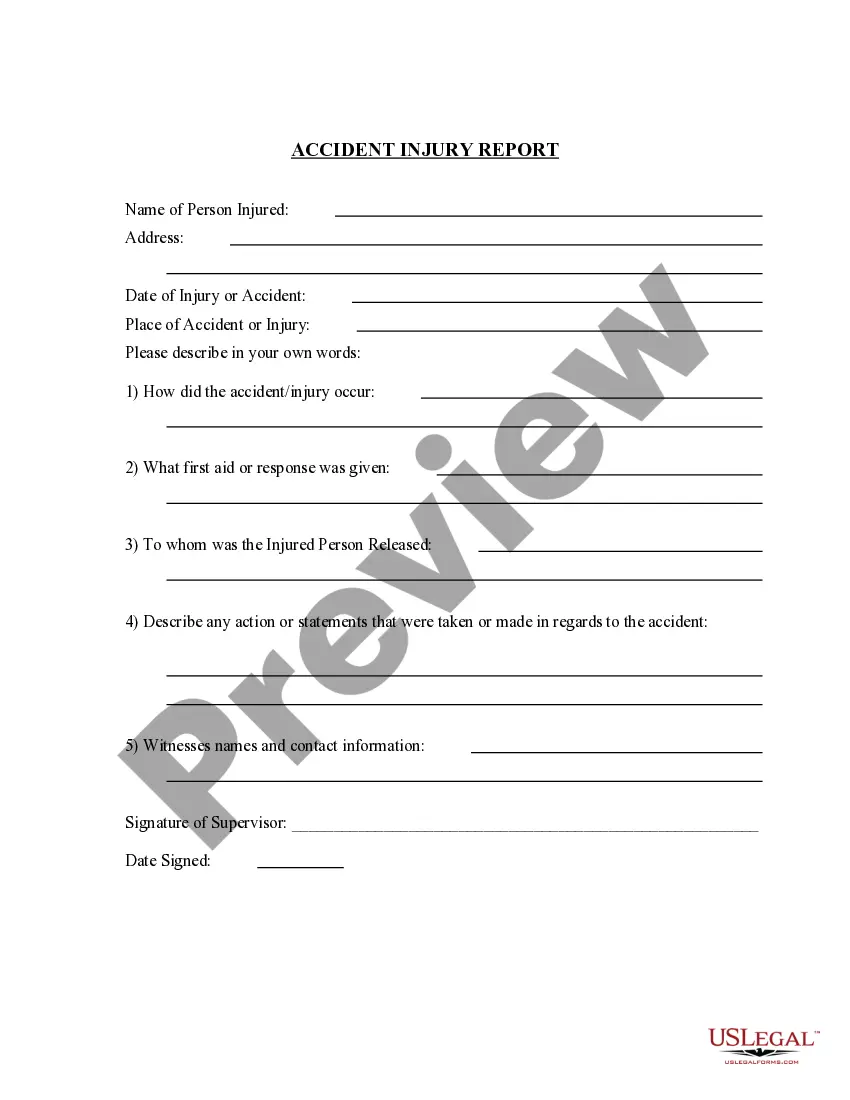
Get your form ready online
Our built-in tools help you complete, sign, share, and store your documents in one place.
Make edits, fill in missing information, and update formatting in US Legal Forms—just like you would in MS Word.
Download a copy, print it, send it by email, or mail it via USPS—whatever works best for your next step.
Sign and collect signatures with our SignNow integration. Send to multiple recipients, set reminders, and more. Go Premium to unlock E-Sign.
If this form requires notarization, complete it online through a secure video call—no need to meet a notary in person or wait for an appointment.
We protect your documents and personal data by following strict security and privacy standards.

Make edits, fill in missing information, and update formatting in US Legal Forms—just like you would in MS Word.

Download a copy, print it, send it by email, or mail it via USPS—whatever works best for your next step.

Sign and collect signatures with our SignNow integration. Send to multiple recipients, set reminders, and more. Go Premium to unlock E-Sign.

If this form requires notarization, complete it online through a secure video call—no need to meet a notary in person or wait for an appointment.

We protect your documents and personal data by following strict security and privacy standards.
Looking for another form?








Form popularity
FAQ
If you don't report an accident within 24 hours in California, you could lose your driving privileges. Failing to report may also lead to hit-and-run charges, resulting in potential criminal consequences.
While two years is the general time limit to file car accident claims in California, some exceptions can shorten or extend the amount of time you must take legal action. Let us say your crash was caused by a failure to maintain state or city roads.
Key Points: Notify the insurance company as stipulated in your policy, usually within 72 hours.
How Long Do You Have to Report an Accident to Insurance In California? Report accidents to your insurer within the stipulated period, often 72 hours, to avoid claim denial. In California, under CCP § 335.1, you have two years to file a personal injury or wrongful death lawsuit.
It's crucial to report accidents to your insurance provider as soon as possible after the incident occurs. While the specific timeframe can vary based on your auto insurance policy, it's generally recommended to report the car accident within 24 to 72 hours.
California law requires traffic accidents on a California street/highway or private property to be reported to the Department of Motor Vehicles (DMV) within 10 days if there was an injury, death or property damage.
There are five key details of accidents legally required: Full name, address and occupation of the injured person (a) Date and time of the accident (b) Location of the accident (c) Cause and nature of the injury (d) Name, address and occupation of the person giving the notice, if other than the injured person (e).
While two years is the general time limit to file car accident claims in California, some exceptions can shorten or extend the amount of time you must take legal action. Let us say your crash was caused by a failure to maintain state or city roads. You could have a valid legal claim against a local government.
In California, under CCP § 335.1, you generally have two years to file a personal injury or wrongful death lawsuit. If your claim is against a government entity like a municipality, your deadline is even shorter.
You have two years to file a personal injury lawsuit resulting from a car accident in California. You have three years for property damage claims. If a government vehicle is involved, the statute of limitations is six months for personal injury.
