Personal Injury For In Kings
Description

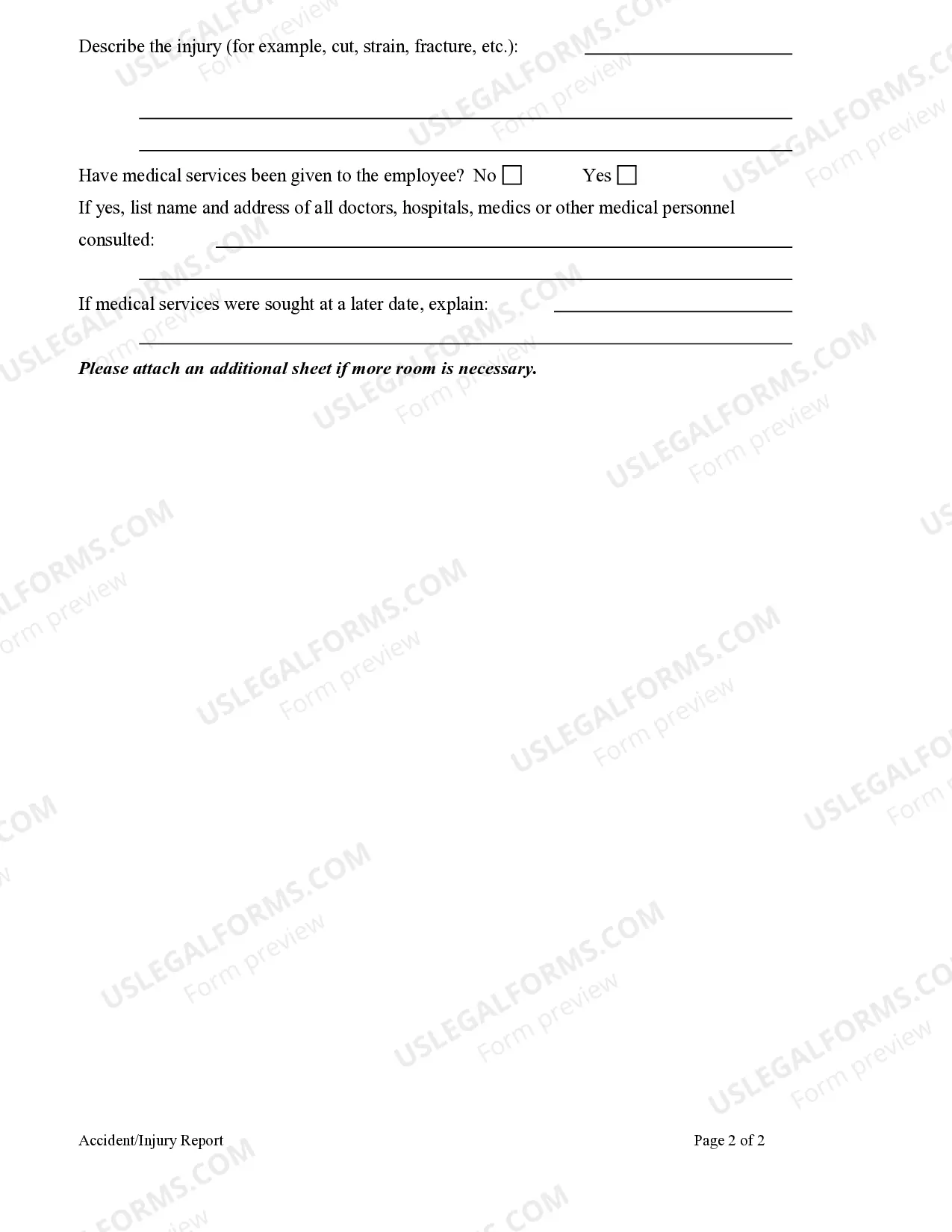
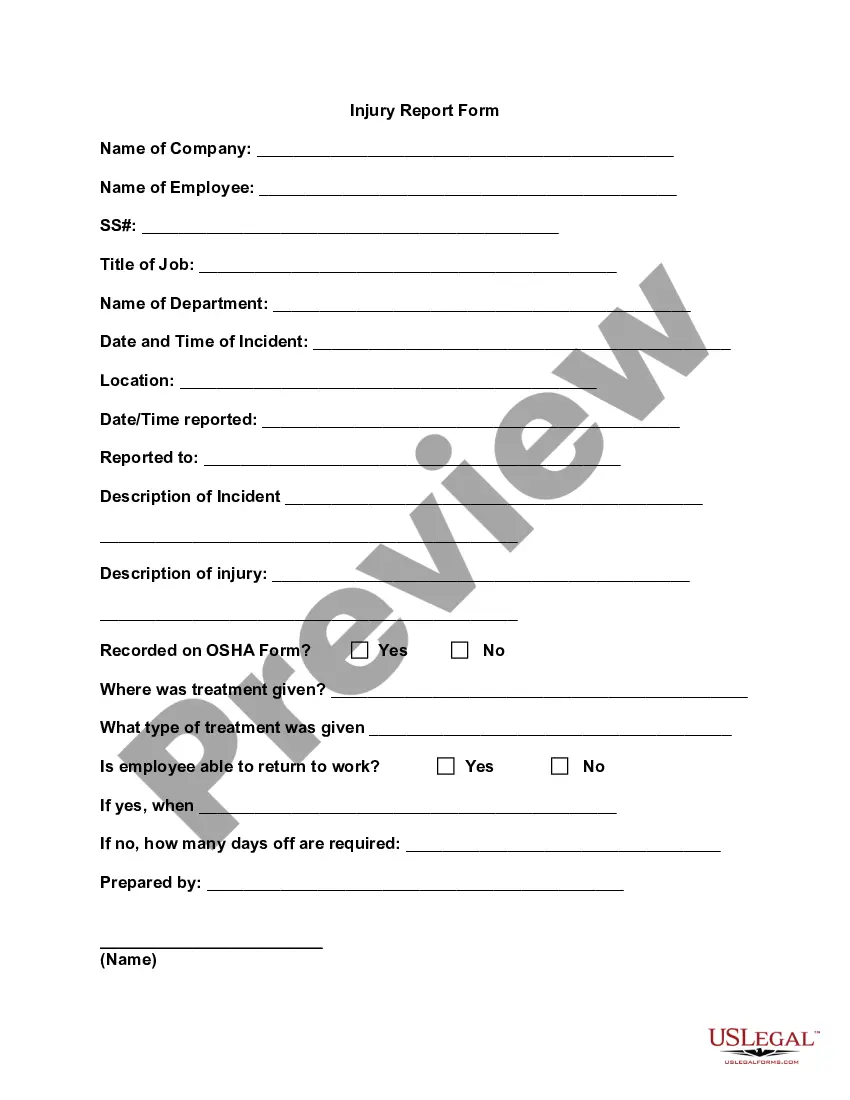
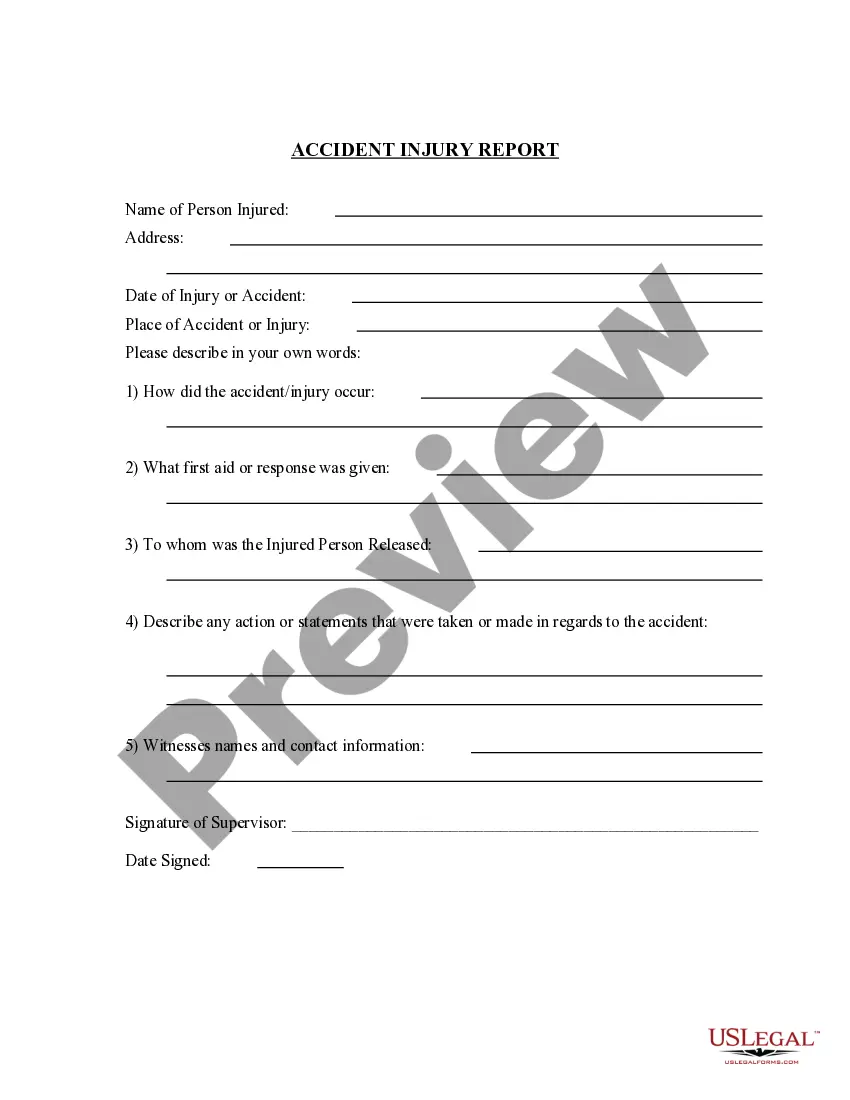
Get your form ready online
Our built-in tools help you complete, sign, share, and store your documents in one place.
Make edits, fill in missing information, and update formatting in US Legal Forms—just like you would in MS Word.
Download a copy, print it, send it by email, or mail it via USPS—whatever works best for your next step.
Sign and collect signatures with our SignNow integration. Send to multiple recipients, set reminders, and more. Go Premium to unlock E-Sign.
If this form requires notarization, complete it online through a secure video call—no need to meet a notary in person or wait for an appointment.
We protect your documents and personal data by following strict security and privacy standards.

Make edits, fill in missing information, and update formatting in US Legal Forms—just like you would in MS Word.

Download a copy, print it, send it by email, or mail it via USPS—whatever works best for your next step.

Sign and collect signatures with our SignNow integration. Send to multiple recipients, set reminders, and more. Go Premium to unlock E-Sign.

If this form requires notarization, complete it online through a secure video call—no need to meet a notary in person or wait for an appointment.

We protect your documents and personal data by following strict security and privacy standards.
Looking for another form?









Form popularity
FAQ
How to File a Personal Injury Claim Without a Lawyer: A Step-by-Step Guide Step 1: Gather Evidence from the Scene. Step 2: Seek Medical Attention. Step 3: Notify the At-Fault Party's Insurance Company. Step 4: Calculate the Value of Your Claim. Step 5: Send a Demand Letter. Step 6: Negotiate a Settlement.
A lawsuit against the State of New York may only be filed in the Court of Claims. First, however, you must file a Notice of Claim with the State (see Court of Claims Act §10).
Multiplier Method Typically ranging from 1.5 to 5, higher variables are assigned to more severe cases. For instance, if you incurred $100,000 in economic damages and a 1.5 variable is applied, your pain and suffering damages would amount to $150,000. Using a variable of four, your claim would reach $400,000.
Auto accident cases with clear fault and non-complicated injuries often settle within 6 to 9 months after treatment is complete. Cases involving commercial defendants, premises liability claims, and/or more complicated injuries take longer—9 to 12 months after medical treatment is complete.
Ing to the U.S. Department of Justice, personal injury lawsuit outcome statistics include a majority (90 to 95 percent) settled before trial. Out of the small percentage that end up seeing a courtroom, the data suggests that the success rate of personal injury cases is around half.
Plaintiffs involved in motor vehicle accidents are successful at trial 61% of the time. Plaintiffs injured on someone else's property are successful at trial 39% of the time. Plaintiffs injured by faulty products win 38% of their cases at trial.
The average personal injury settlement amount is approximately $55,056.08, which is based on data from over 5,861 cases that were settled between 2021 and 2024.
Tips to Help You Win Your Personal Injury Case Hire an Attorney. This is always our number one piece of advice. Be Completely Honest with Your Lawyer. Don't Discuss Your Case. Seek Full Treatment for Your Injuries. Keep Your Records. Dig in for a Long Fight. Sometimes “Winning” Means Settling. Get Your Case Moving Forward.
Overall, it takes about seven years of schooling to become a personal injury lawyer—four years to earn your bachelor's degree and three years of law school. While this may seem like a long time, the degree you earn sets you up for a successful career defending accident victims.
Personal injury refers to any harm or injury caused to a person's body, mind, or emotions due to someone else's negligence or intentional wrongdoing. In California, personal injury law allows victims to seek compensation if they can prove that another party was at fault.
