Accident With Trauma In Allegheny
Description

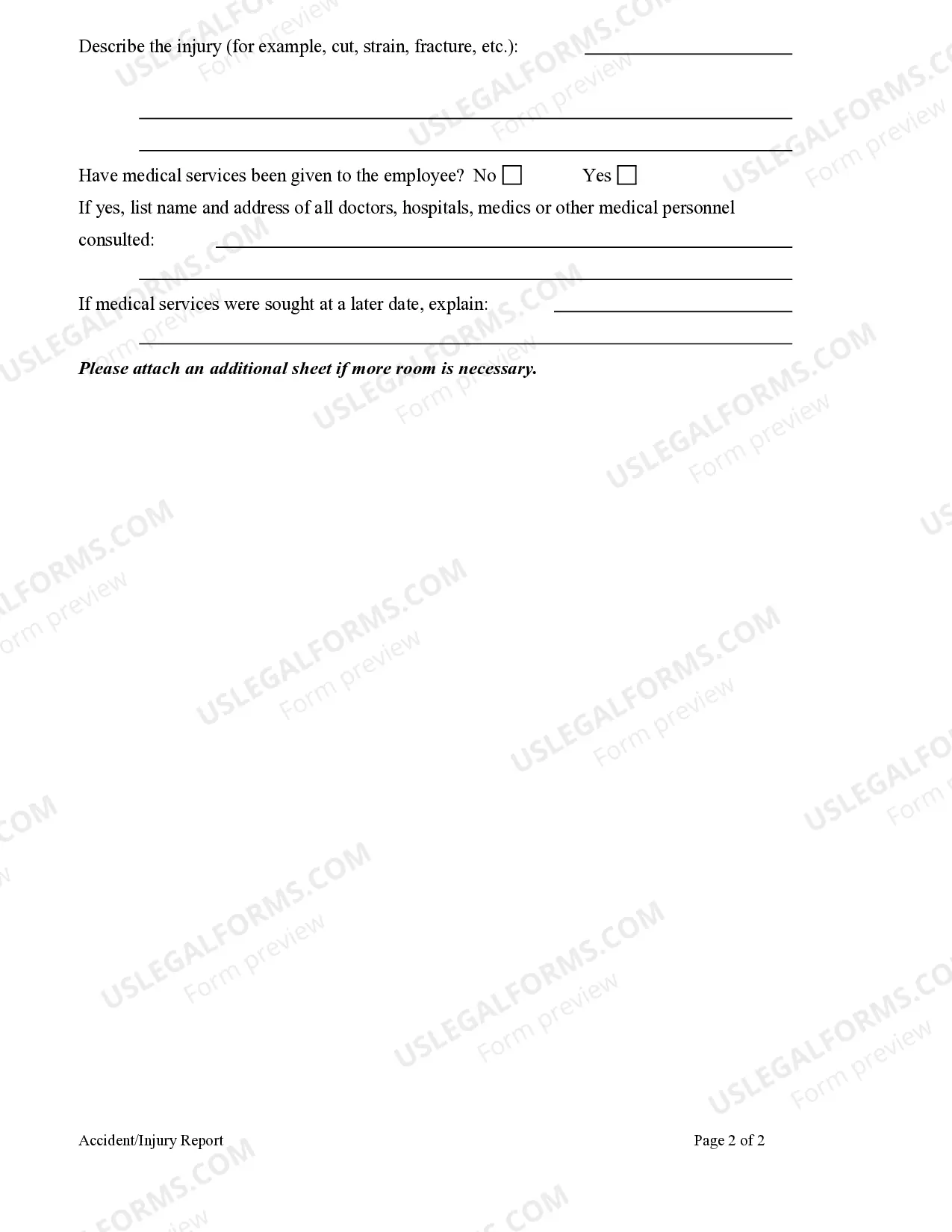
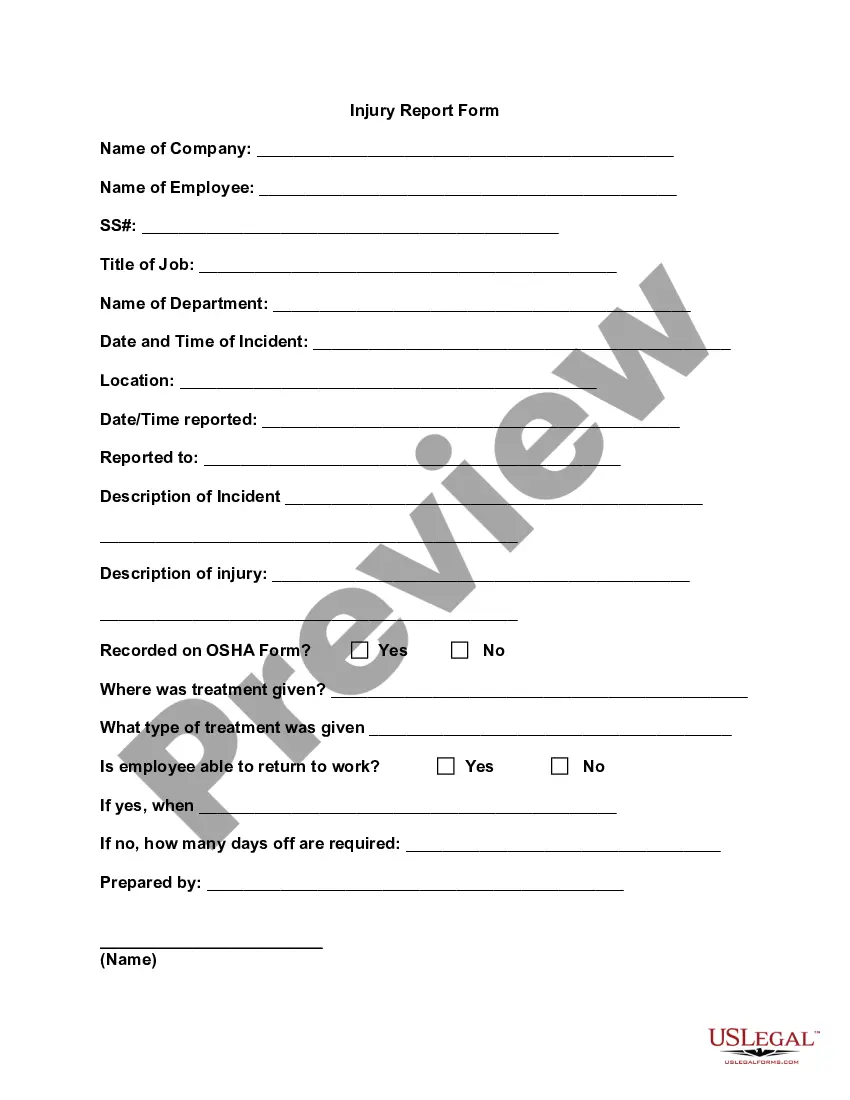
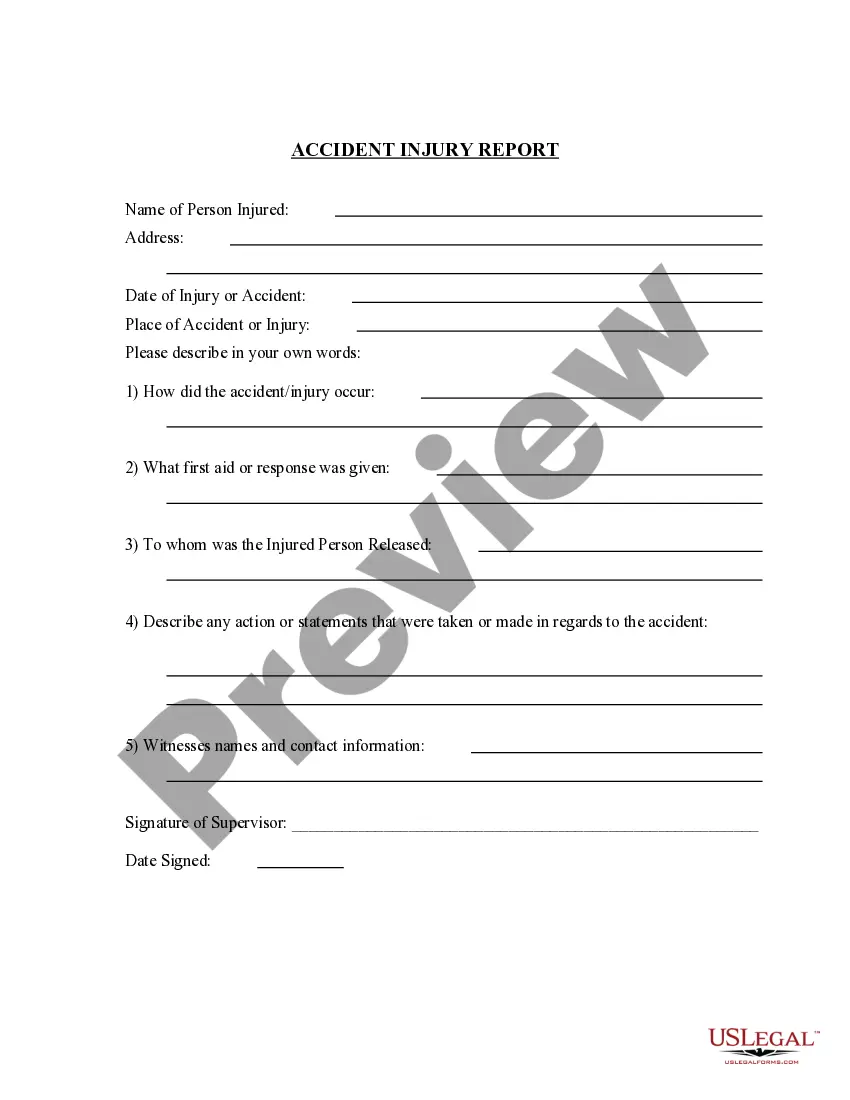
Get your form ready online
Our built-in tools help you complete, sign, share, and store your documents in one place.
Make edits, fill in missing information, and update formatting in US Legal Forms—just like you would in MS Word.
Download a copy, print it, send it by email, or mail it via USPS—whatever works best for your next step.
Sign and collect signatures with our SignNow integration. Send to multiple recipients, set reminders, and more. Go Premium to unlock E-Sign.
If this form requires notarization, complete it online through a secure video call—no need to meet a notary in person or wait for an appointment.
We protect your documents and personal data by following strict security and privacy standards.

Make edits, fill in missing information, and update formatting in US Legal Forms—just like you would in MS Word.

Download a copy, print it, send it by email, or mail it via USPS—whatever works best for your next step.

Sign and collect signatures with our SignNow integration. Send to multiple recipients, set reminders, and more. Go Premium to unlock E-Sign.

If this form requires notarization, complete it online through a secure video call—no need to meet a notary in person or wait for an appointment.

We protect your documents and personal data by following strict security and privacy standards.
Looking for another form?










Form popularity
FAQ
Exercise, in particular, is effective in reducing negative emotions. Practice Mindfulness or Relaxation Techniques: Techniques like deep breathing, meditation, or yoga can help calm your mind and reduce stress. Learn From the Experience: Reflect on the accident and consider what you can learn from it.
These coping skills for trauma after a car crash can expedite the recovery process: Acknowledge Your Feelings. Talk About the Incident. Seek Professional Guidance. Stay Active. Practice Self-Care Techniques. Try Gradual Exposure.
PTSD symptoms generally go away within 1 week to 3 months after an accident. Other symptoms may last for years–especially if not properly treated. If you believe that you have PTSD or are experiencing symptoms, see your doctor or primary care physician to determine next steps.
Tell what the injured was doing at the time of the accident. Tell what happened and how it happened. Name any objects or substances involved and tell how they were involved. Give full details on all factors which led or contributed to the accident.)
Don't bottle up your feelings – talk to someone who can support and understand you. Try to keep to your normal routine and stay busy. Don't go out of your way to avoid certain places or activities. Don't let the trauma confine your life, but take your time to get back to normal.
To be able to make a PTSD claim, you need to be suffering PTSD due to someone else's negligence. You must also show that you have incurred financial loss as a direct result of this. If you can satisfy these two points, there's a good chance that you could make a claim for PTSD compensation.
Get support Getting support from friends and family can be crucial in regaining confidence after a car accident. Talk to someone you trust about your driving-related fears and anxieties, and ask for their support and encouragement as you build up your confidence.
In the United States, trauma centers are certified by the American College of Surgeons (ACS) or local state governments, from Level I (comprehensive service) to Level III (limited-care). The different levels refer to the types of resources available in a trauma center and the number of patients admitted yearly.
Trauma centers vary in their specific capabilities and are identified by "Level" designation, Level I (Level-1) being the highest and Level III (Level-3) being the lowest (some states have four or five designated levels).
Level I and II Trauma Centers have similar personnel, services, and resource requirements with the greatest difference being that Level Is are research and teaching facilities.
