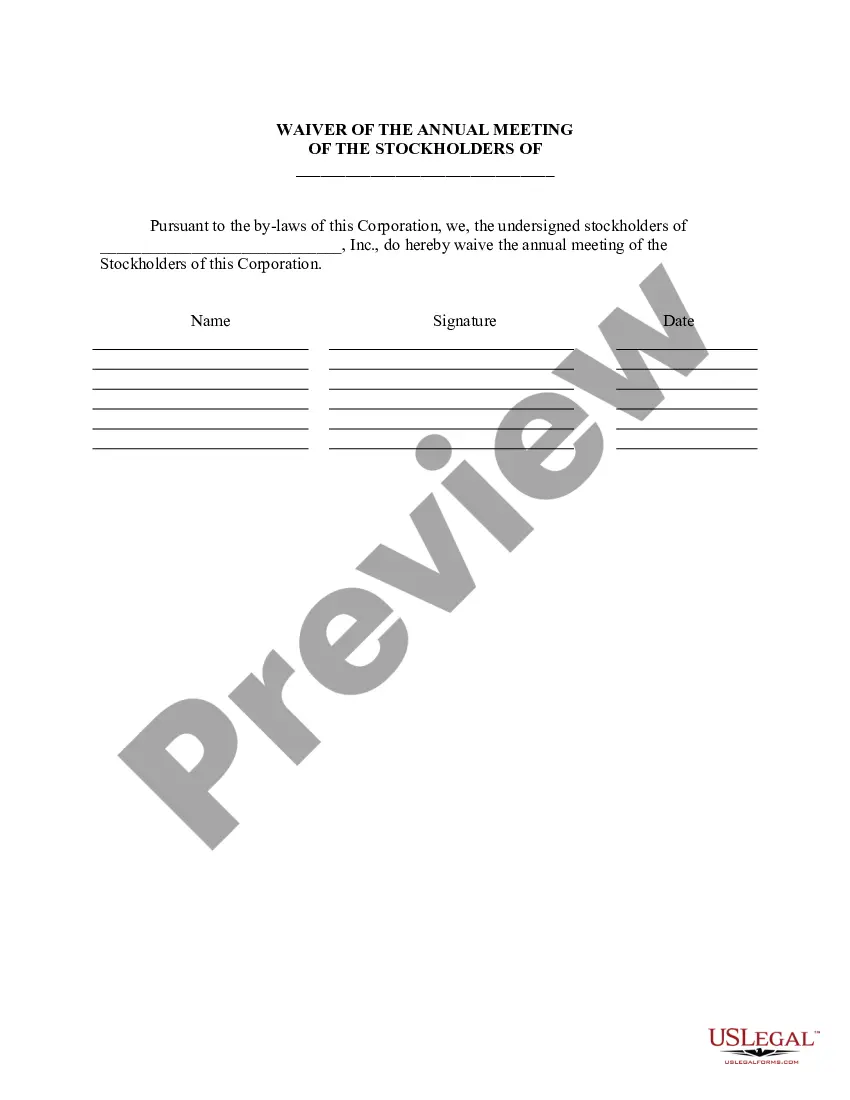
Annual Meeting Corporate With Manager In California
Description
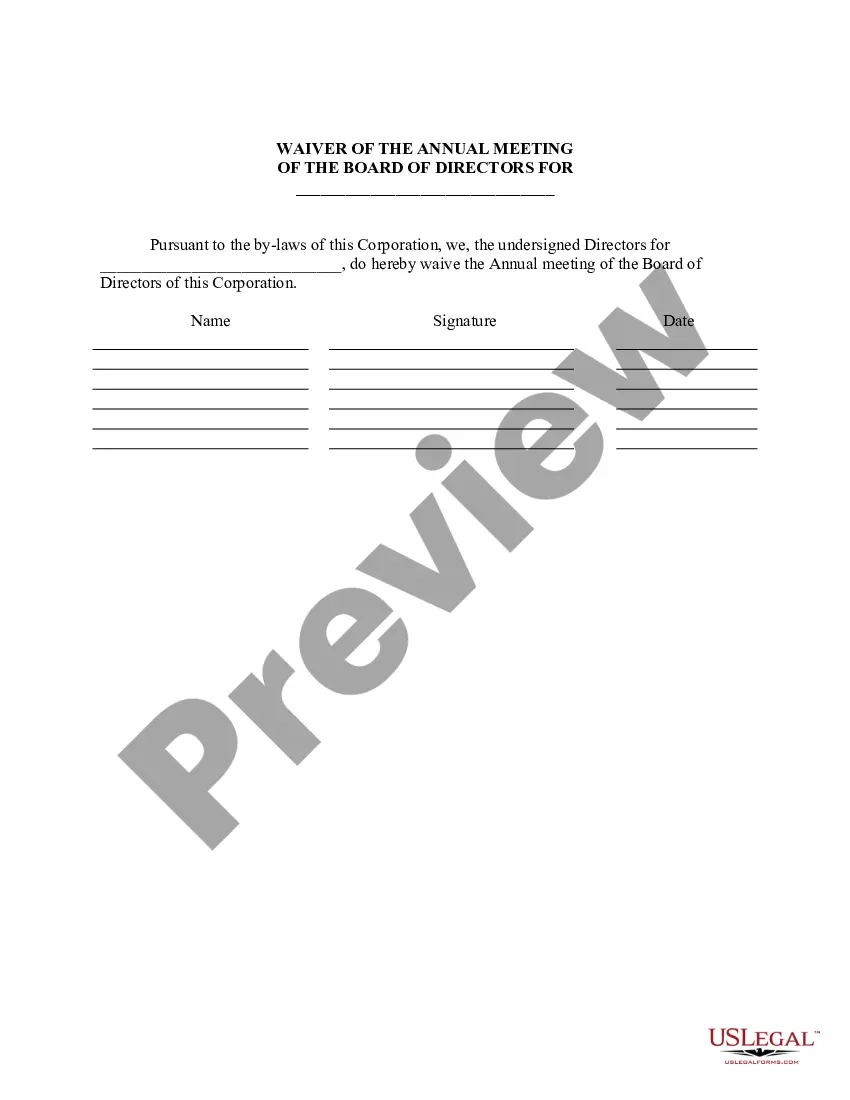
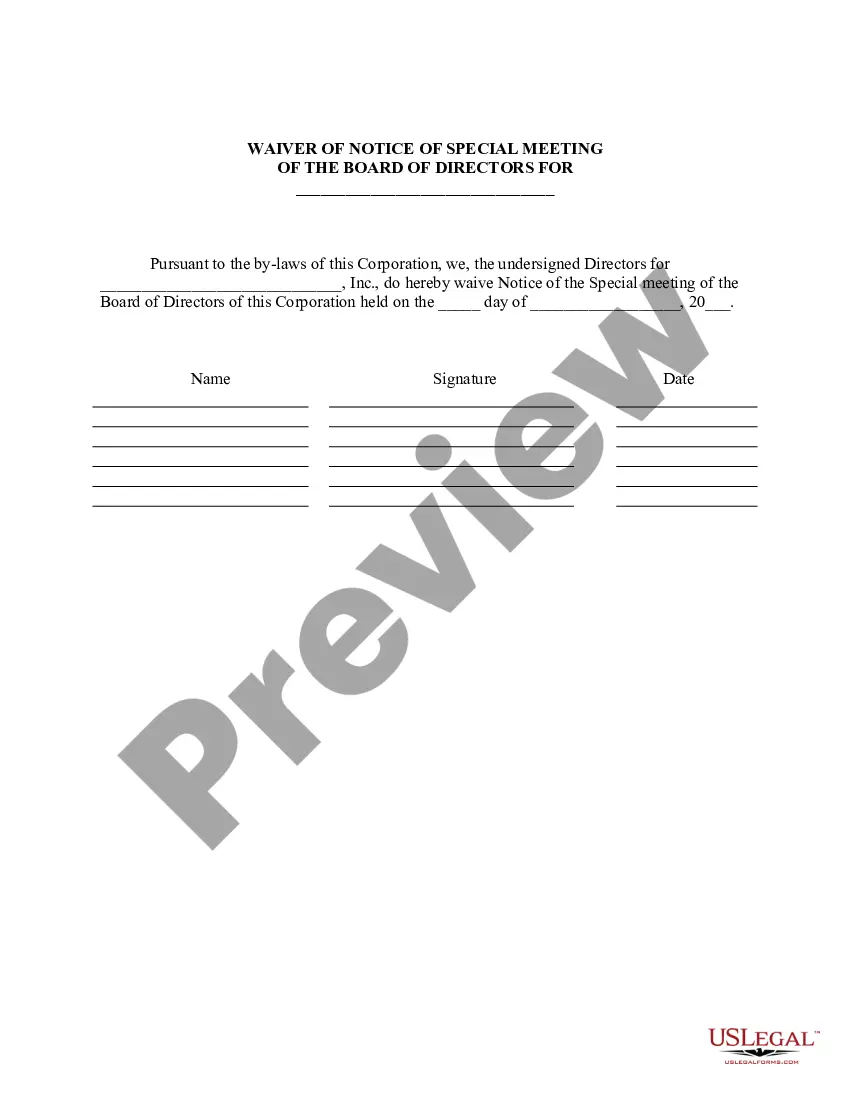
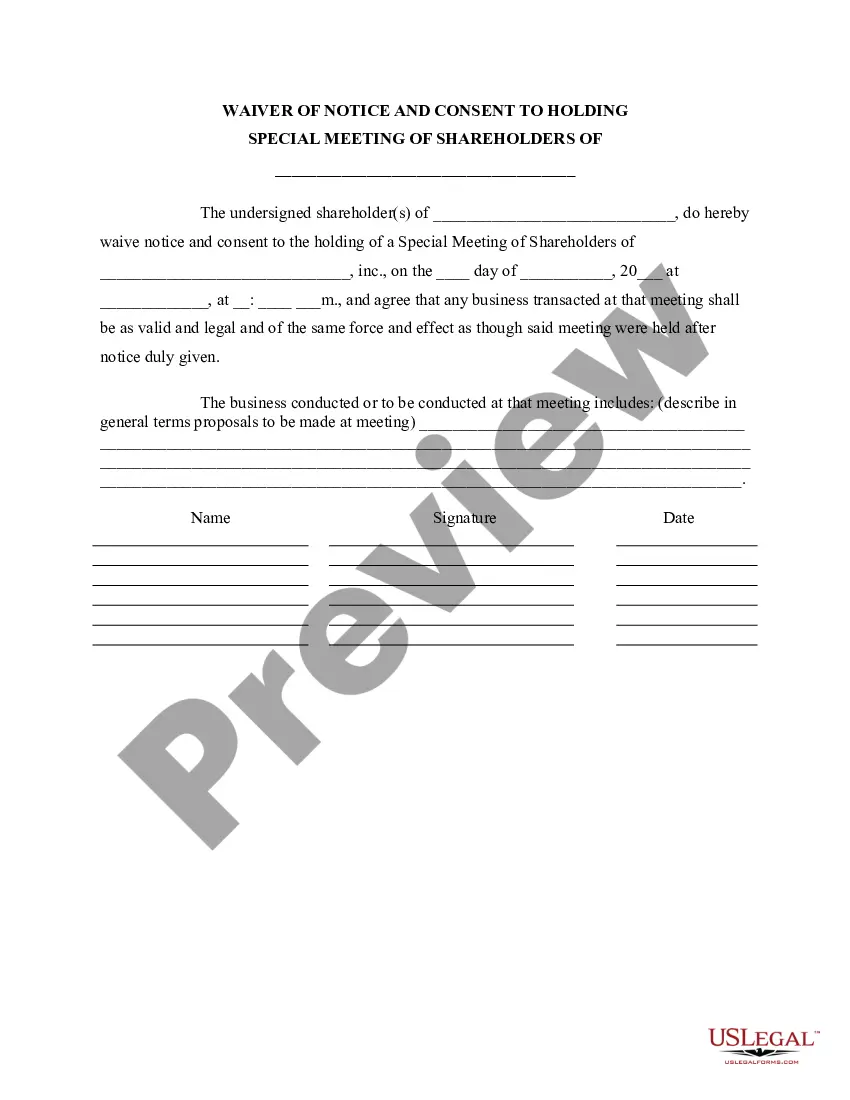
Get your form ready online
Our built-in tools help you complete, sign, share, and store your documents in one place.
Make edits, fill in missing information, and update formatting in US Legal Forms—just like you would in MS Word.
Download a copy, print it, send it by email, or mail it via USPS—whatever works best for your next step.
Sign and collect signatures with our SignNow integration. Send to multiple recipients, set reminders, and more. Go Premium to unlock E-Sign.
If this form requires notarization, complete it online through a secure video call—no need to meet a notary in person or wait for an appointment.
We protect your documents and personal data by following strict security and privacy standards.

Make edits, fill in missing information, and update formatting in US Legal Forms—just like you would in MS Word.

Download a copy, print it, send it by email, or mail it via USPS—whatever works best for your next step.

Sign and collect signatures with our SignNow integration. Send to multiple recipients, set reminders, and more. Go Premium to unlock E-Sign.

If this form requires notarization, complete it online through a secure video call—no need to meet a notary in person or wait for an appointment.

We protect your documents and personal data by following strict security and privacy standards.
Looking for another form?
Form popularity
FAQ
Corporations typically hold several required formal meetings each year. The exact requirements vary depending on state laws and your corporation's bylaws, but it's important to follow these formalities to protect your corporate status and preserve your limited liability protection.
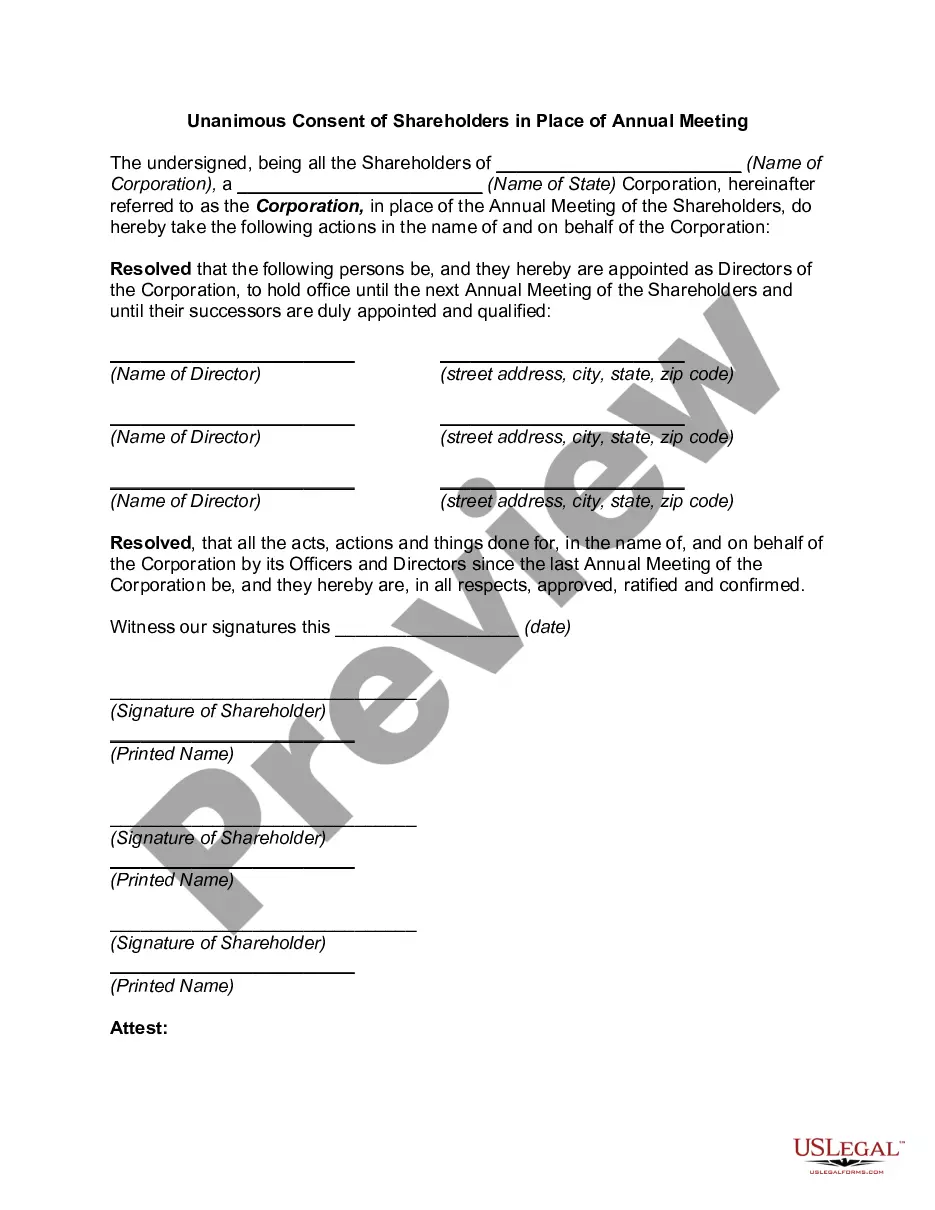
The annual meeting should be held on the date and time designated in the bylaws. All shareholders who are entitled to vote are entitled to written notice of the annual meeting as well as any special meeting. Notice must include the date, time and place of the meeting and how shareholders may attend.
Annual meetings are essential for big-picture planning and company-wide discussions. These often include: Strategic planning meetings to set long-term goals.
But to keep the liability shield in place, corporations must follow certain formalities—such as holding and documenting an annual meeting. Failure to hold annual meetings could allow creditors to “pierce the corporate veil” to pursue shareholders' personal assets to satisfy the business's debts.
Both California Corporations and California S-Corps are required to hold an annual meeting for shareholders. These meetings are pivotal for fostering transparency, discussing business strategy, and making essential corporate decisions.
In California, S-corporations are required to hold at least one annual meeting of shareholders. This frequency is designed to ensure ongoing communication between the corporation and its shareholders, allowing for regular updates on the company's performance and strategic direction.
Annual minutes consists of a record of critical business decisions that stakeholders of the corporation made at the annual meetings. Annual minutes should also list the date and location of the meeting, attendees from the company, as well as a summary of the corporation's actions during the last fiscal year.
While not mandatory for private companies, many opt to hold their AGM, as allowed by their Memorandum of Incorporation (MOI).
The 5Ps are Purpose, Participants, Process, Payoff, and Preparation (some suggest it should be 6Ps including Pizza). Purpose: Every meeting should have a clear purpose, which must be more specific than just a subject line calling for a 'daily meeting' (why should the team meet daily?).
7 Step Meeting Process Clarify Aim/Purpose. Assign Roles. Review Agenda. Work through Agenda. Review meeting record. Plan Next Steps and Next Agenda. Evaluate.