Job Application For Employment In Suffolk
Description
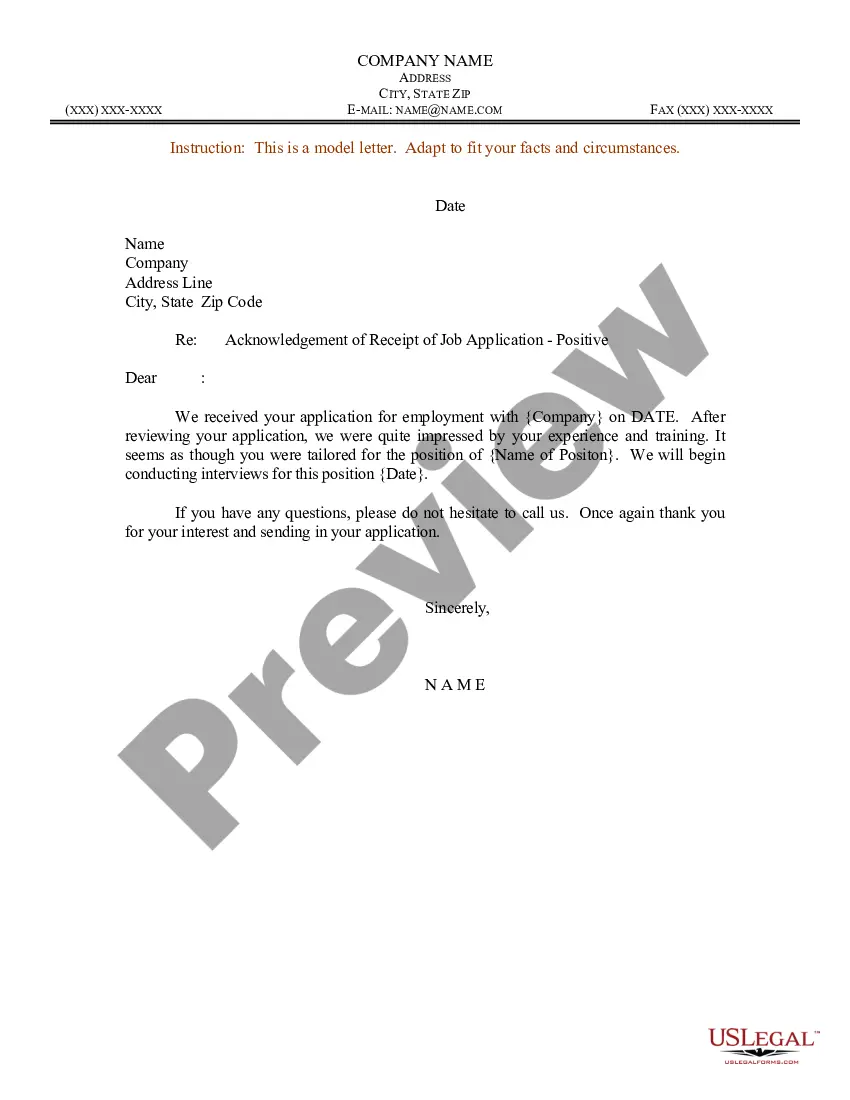


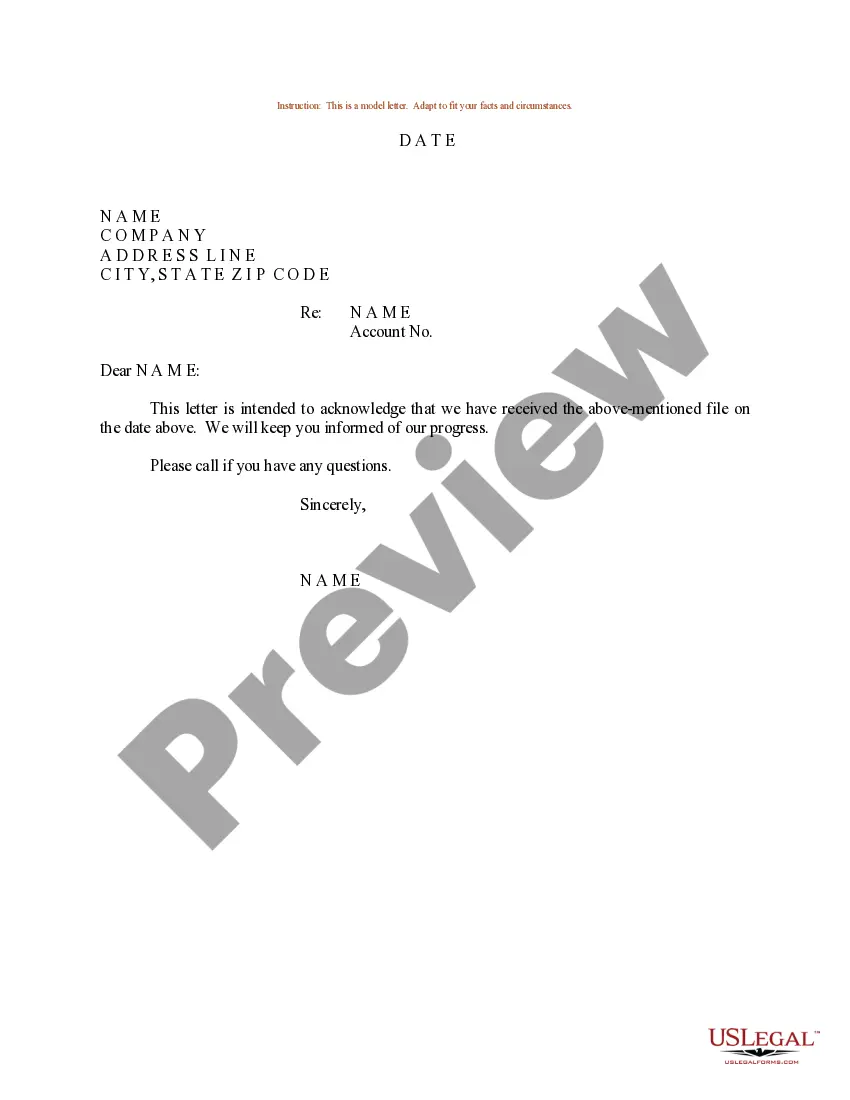
Get your form ready online
Our built-in tools help you complete, sign, share, and store your documents in one place.
Make edits, fill in missing information, and update formatting in US Legal Forms—just like you would in MS Word.
Download a copy, print it, send it by email, or mail it via USPS—whatever works best for your next step.
Sign and collect signatures with our SignNow integration. Send to multiple recipients, set reminders, and more. Go Premium to unlock E-Sign.
If this form requires notarization, complete it online through a secure video call—no need to meet a notary in person or wait for an appointment.
We protect your documents and personal data by following strict security and privacy standards.

Make edits, fill in missing information, and update formatting in US Legal Forms—just like you would in MS Word.

Download a copy, print it, send it by email, or mail it via USPS—whatever works best for your next step.

Sign and collect signatures with our SignNow integration. Send to multiple recipients, set reminders, and more. Go Premium to unlock E-Sign.

If this form requires notarization, complete it online through a secure video call—no need to meet a notary in person or wait for an appointment.

We protect your documents and personal data by following strict security and privacy standards.
Looking for another form?






Form popularity
FAQ
What is normally required in a job application package? Typically, an Employment Application Form (STD 678) and resume will be the most common requirements for an application package. However, some other documents may be required, such as a SOQ, cover letter, a typing Certificate, or a copy of your degree.
The basic components of an employment application encompass essential sections such as personal information, employment history, education and training, skills, resume, cover letter, references, certification, and may include a request for writing samples.
To find job openings, explore job search websites like Indeed, Career Builder, Monster, and LinkedIn. You can also ask your friends about their workplaces and if they think you'd enjoy working there. Another effective strategy is to visit local businesses and inquire about job opportunities.
An application form will usually ask for some personal information about you, such as your full name, date of birth, address, phone number and email address. The form might also ask you for a few sentences to introduce yourself. You can use this answer to say why you're interested in this job or training.
This list includes the items most commonly needed when applying for a job. Personal information. When you complete an application for a job, you will provide your personal information, including: Resume. Cover letter. References. Employment history. Transcript. Certifications. Identification.
6 tips on how to get a job in another state Research the local job market. Highlight your intended move in your resume. Reach out to your network. Tailor your applications. Consider a temporary remote job first. Get ready for the move.
Use your network Use your professional network to see who you know in the new location, and ask people if they're aware of any open positions. Stay in contact with them as you prepare to apply and move as they may learn about future job opportunities.
Of course. There aren't any rules or permission requirements to work in another state.
In short, I'd recommend starting 3-4 months before you plan on needing a job. This can depend a lot on the economy in the city you're moving to, and how in-demand your skill-set is.

