Job Offer In Letter In Santa Clara
Description
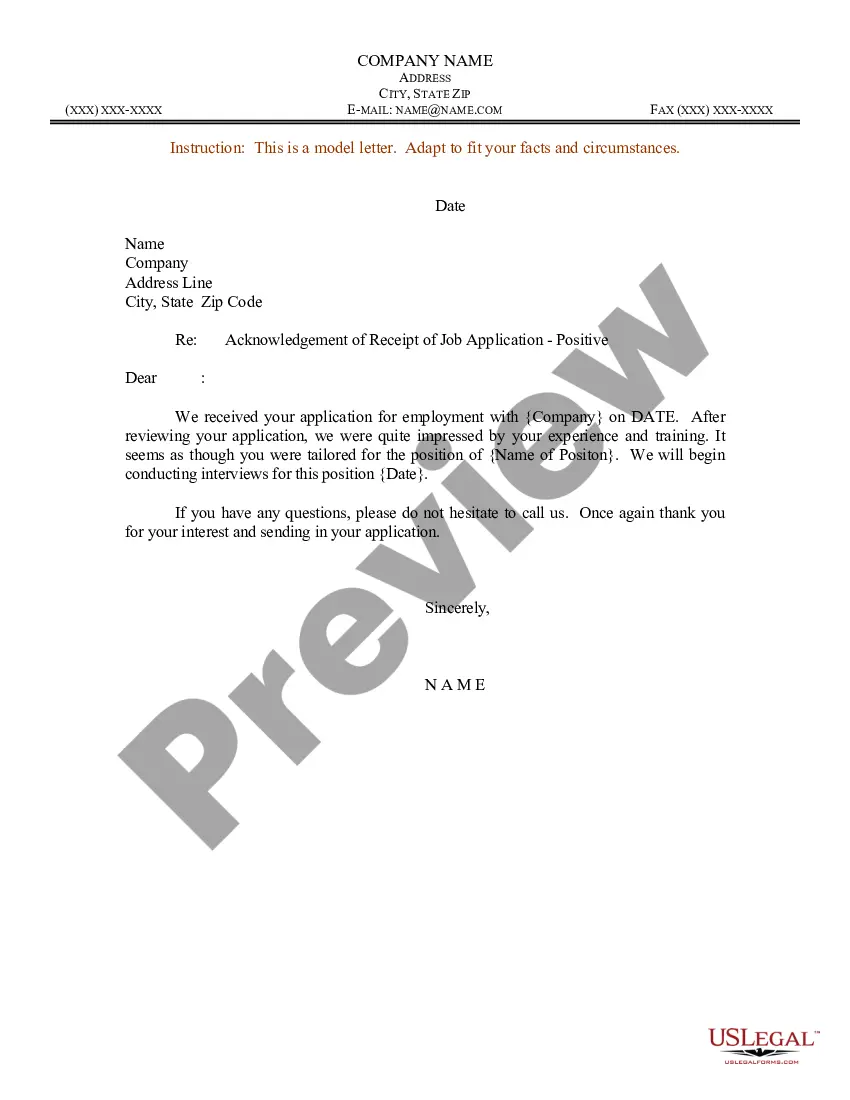


Get your form ready online
Our built-in tools help you complete, sign, share, and store your documents in one place.
Make edits, fill in missing information, and update formatting in US Legal Forms—just like you would in MS Word.
Download a copy, print it, send it by email, or mail it via USPS—whatever works best for your next step.
Sign and collect signatures with our SignNow integration. Send to multiple recipients, set reminders, and more. Go Premium to unlock E-Sign.
If this form requires notarization, complete it online through a secure video call—no need to meet a notary in person or wait for an appointment.
We protect your documents and personal data by following strict security and privacy standards.

Make edits, fill in missing information, and update formatting in US Legal Forms—just like you would in MS Word.

Download a copy, print it, send it by email, or mail it via USPS—whatever works best for your next step.

Sign and collect signatures with our SignNow integration. Send to multiple recipients, set reminders, and more. Go Premium to unlock E-Sign.

If this form requires notarization, complete it online through a secure video call—no need to meet a notary in person or wait for an appointment.

We protect your documents and personal data by following strict security and privacy standards.
Looking for another form?
Form popularity
FAQ
Follow these guidelines: Make your cover letter single-spaced. Add a space between each section: contact information, salutation, opening paragraph, middle paragraph, closing paragraph and complimentary closing. (There's no need to indent any of your paragraphs.)
How to write an application letter Research the company and job opening. Use a professional format. State the position you're applying for. Explain why you're the best fit for the job. Summarize your qualifications. Mention why you want the job. Include a professional closing.
The cover letter is usually the first item an employer reads from you. Your letter should immediately indicate what position you are applying for and then give information that demonstrates why you should be considered for the position. Do not repeat all of the information contained in your resume.
Don't write in the third person. You are using this document to sell yourself. While a cover letter's tone of voice should be professional, it should also be sufficiently conversational to engage the reader and communicate your personality, values and interest in the role.
As mentioned before, you'll use this voice in your resume, without the pronouns. You should also always use first person in your cover letter, and since it's a letter you'll use pronouns, for example: ``I mastered French when I was three.''
While it's perfectly reasonable to use ``I'' and ``me'' in a cover letter, your resume is different. If you started using ``I'', you would have to include it so many times that it would become annoying to the reader.
After the employee receives the offer letter, they should sign their signature indicating that they agree with the terms and formally accept the position. Most offer letters are also reviewed and signed by the hiring manager or a senior member of the company.
While some employers send job offers and rejections over email, phone calls are an extremely common method for updating applicants. Being prepared for a job offer call at the right times can help you manage the anxiety and uncertainty of waiting for that final call.
How to write a job application email Write a clear subject line. Include a salutation. Introduce yourself in the first sentence. Turn your cover letter into the body of your email. Close with details. Sign your email. Attach your materials. Proofread before you hit “send.”
Employers or recruiters can send candidates letters with job offers for a position with a company, which can be an exciting part of your job search. When you receive one of these letters, it can mean you have valuable skills or experience and the company wishes to hire you.

