Sample Letter Acknowledgment Of Complaint In San Antonio
Description


Get your form ready online
Our built-in tools help you complete, sign, share, and store your documents in one place.
Make edits, fill in missing information, and update formatting in US Legal Forms—just like you would in MS Word.
Download a copy, print it, send it by email, or mail it via USPS—whatever works best for your next step.
Sign and collect signatures with our SignNow integration. Send to multiple recipients, set reminders, and more. Go Premium to unlock E-Sign.
If this form requires notarization, complete it online through a secure video call—no need to meet a notary in person or wait for an appointment.
We protect your documents and personal data by following strict security and privacy standards.

Make edits, fill in missing information, and update formatting in US Legal Forms—just like you would in MS Word.

Download a copy, print it, send it by email, or mail it via USPS—whatever works best for your next step.

Sign and collect signatures with our SignNow integration. Send to multiple recipients, set reminders, and more. Go Premium to unlock E-Sign.

If this form requires notarization, complete it online through a secure video call—no need to meet a notary in person or wait for an appointment.

We protect your documents and personal data by following strict security and privacy standards.
Looking for another form?









Form popularity
FAQ
Tips Focus on the most important facts. Make sure you include. Complaint letters are usually written in a formal style. Use passives to be less direct and more formal, e.g. I was served quickly. Use Yours faithfully to sign off if you don't know the name of the person you're writing to.
Be reasonable, not angry or threatening, in your letter. Remember, the person reading your letter may not be directly responsible for your problem, and can possibly help resolve it.
I am complaining because ____ (the reason you are dissatisfied). To resolve this problem I would like you to ____ (what you want the business to do). When I first learned of this problem, I contacted ____ (name of the person, date of the call) at your company, and was told that nothing could be done about my problem.
Information To Include in Your Letter Give the basics. Tell your story. Explain how you want to resolve the problem. Describe your next steps. Send your complaint letter. Your Mailing Address Your City, State, Zip Code Your email address
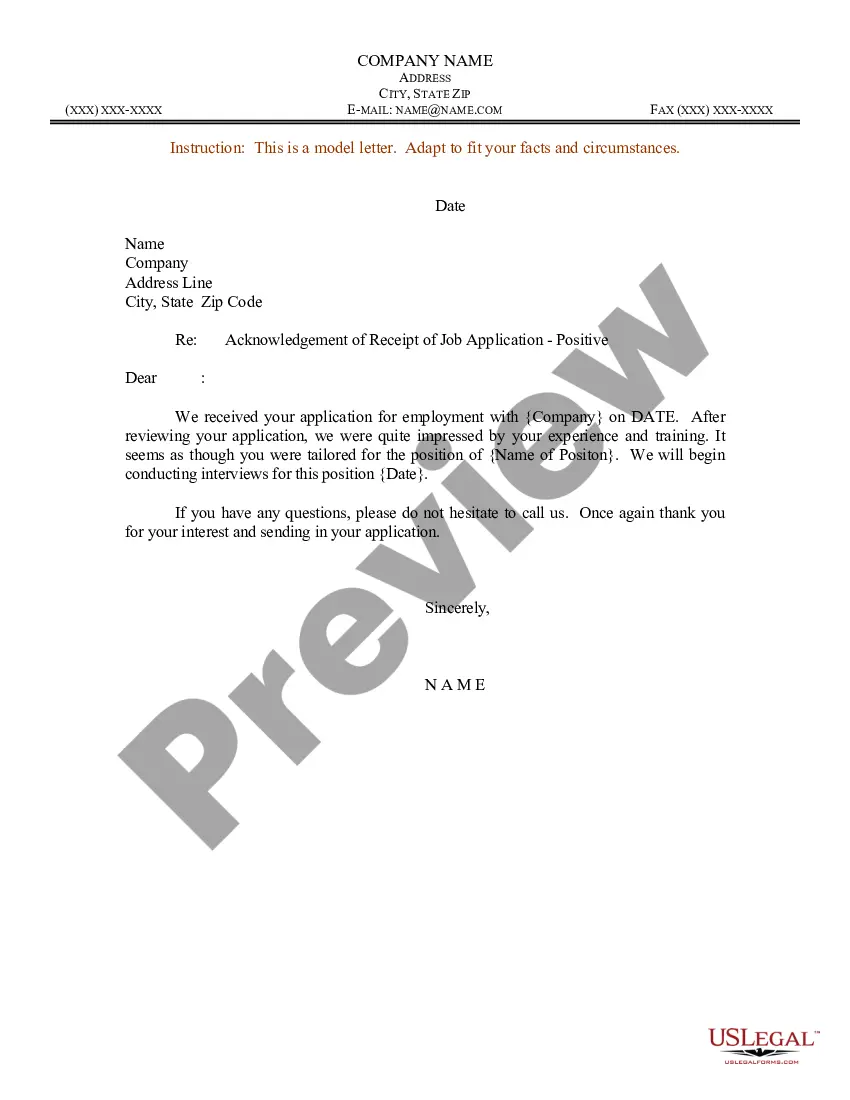
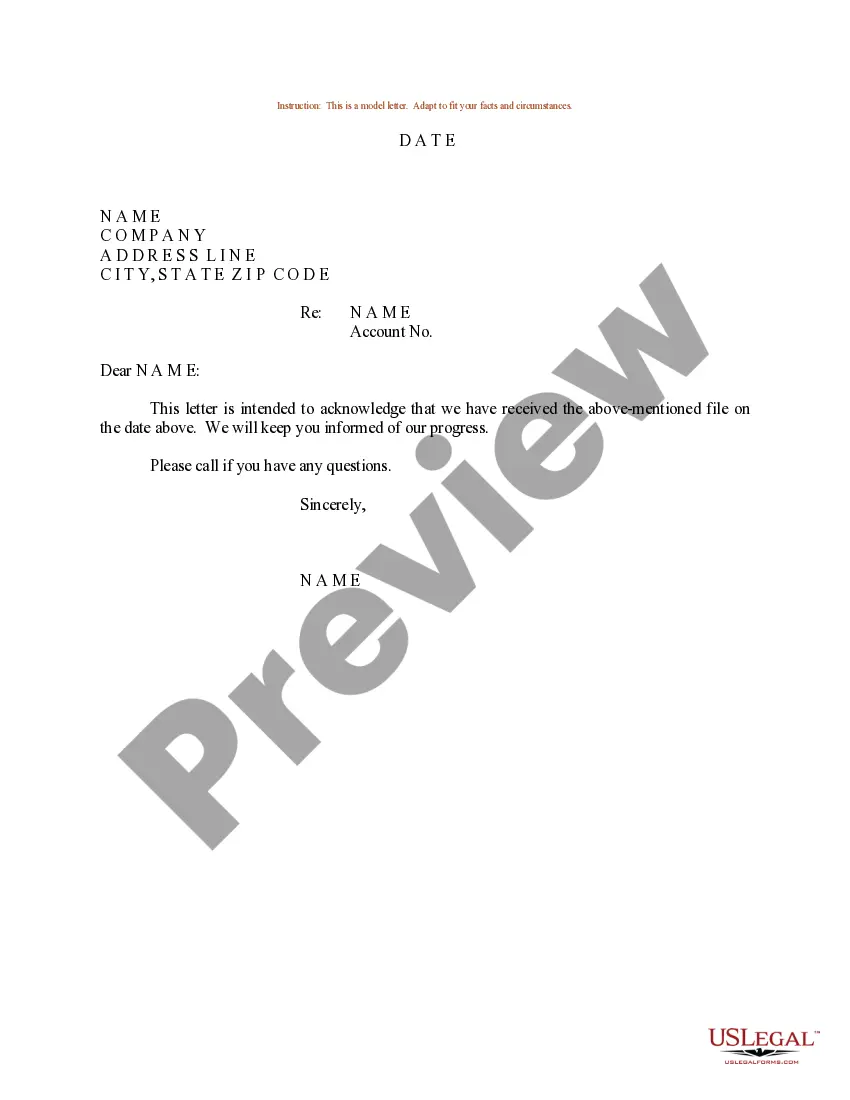
We are writing to acknowledge your complaint dated insert date. We are sorry that you feel you have cause for complaint and thank you for making us aware of this issue. We can assure you that your complaint will be investigated and we will make every effort to ensure this matter is dealt with promptly.
Dear Contact Person: This letter is to notify you {or} follow up on our conversation of {date} about a problem I am having with the name of product or service performed that I bought, leased, rented or had repaired at your name of location location on date.
Outline the information that needs to be included in the letter Start with a professional greeting. Identify the person the letter is acknowledging. Describe the action that is being acknowledged. Express gratitude for the action taken. Include any relevant details. Close with a professional sign-off. Add contact information.
The format of a complaint letter follows the format of a formal letter. To write a complaint letter, you can start with the sender's address followed by the date, the receiver's address, the subject, salutation, body of the letter, complimentary closing, signature and name in block letters.
The Legal Ombudsman's Top tips for responding to complaints 1 Keep it simple. Avoid jargon, pretentious language and using legal / technical terms. 2 Be timely. 3 Take it seriously. 4 Acknowledge stress or inconvenience caused. 5 Don't be afraid to apologise. 6 Appreciate feedback. 7 Be clear.

