Job Application Letter For Hotel And Restaurant In Minnesota
Description
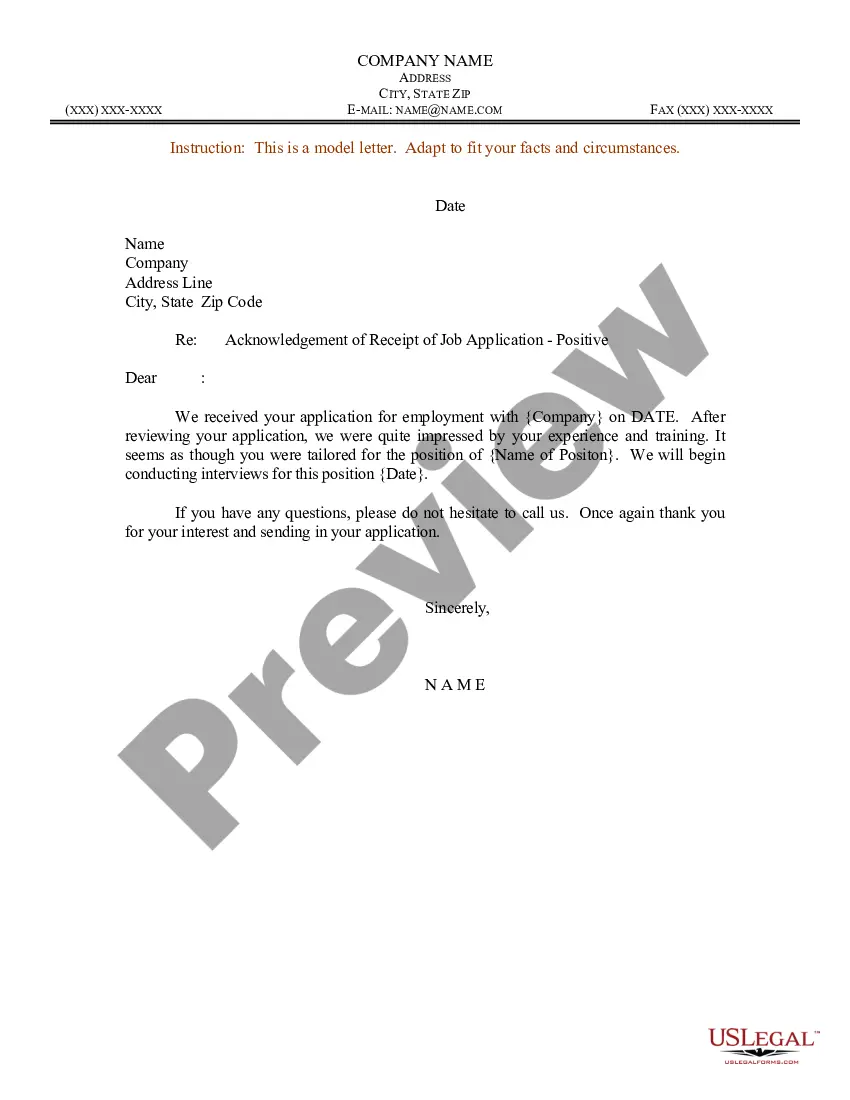


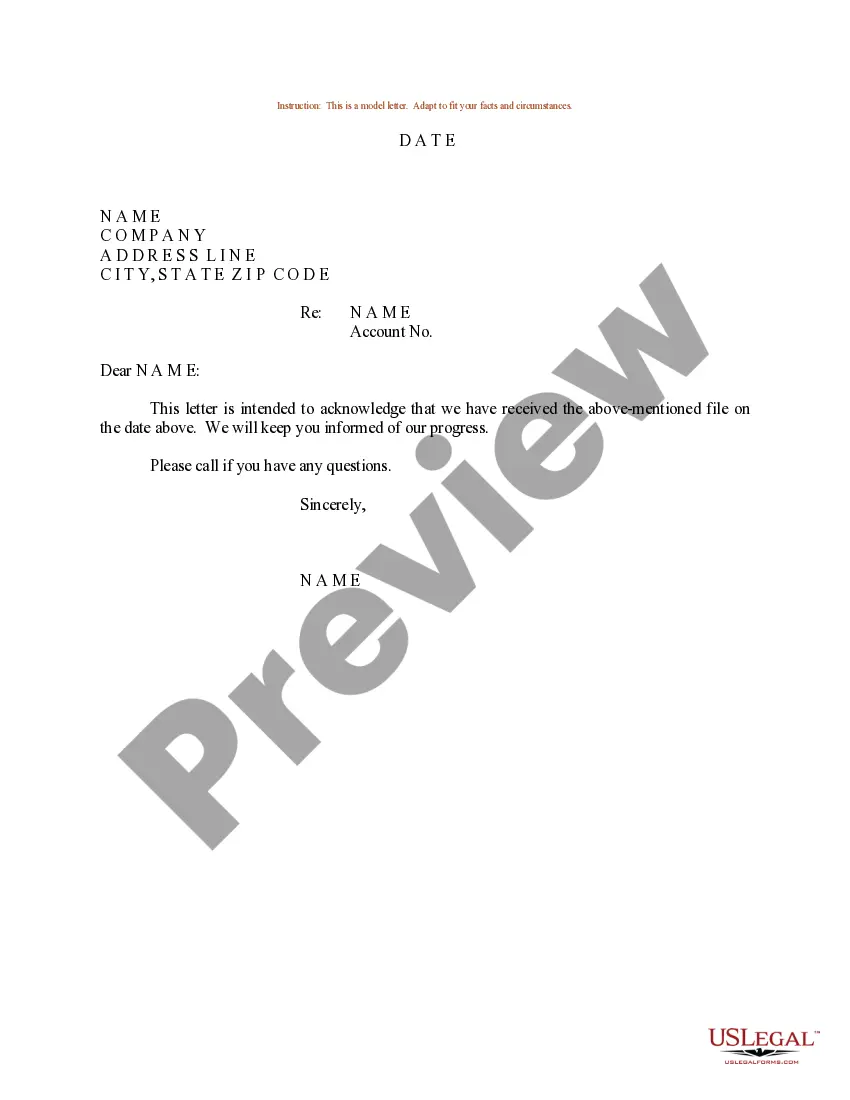
Get your form ready online
Our built-in tools help you complete, sign, share, and store your documents in one place.
Make edits, fill in missing information, and update formatting in US Legal Forms—just like you would in MS Word.
Download a copy, print it, send it by email, or mail it via USPS—whatever works best for your next step.
Sign and collect signatures with our SignNow integration. Send to multiple recipients, set reminders, and more. Go Premium to unlock E-Sign.
If this form requires notarization, complete it online through a secure video call—no need to meet a notary in person or wait for an appointment.
We protect your documents and personal data by following strict security and privacy standards.

Make edits, fill in missing information, and update formatting in US Legal Forms—just like you would in MS Word.

Download a copy, print it, send it by email, or mail it via USPS—whatever works best for your next step.

Sign and collect signatures with our SignNow integration. Send to multiple recipients, set reminders, and more. Go Premium to unlock E-Sign.

If this form requires notarization, complete it online through a secure video call—no need to meet a notary in person or wait for an appointment.

We protect your documents and personal data by following strict security and privacy standards.
Looking for another form?










Form popularity
FAQ
Follow these steps to write an effective kitchen porter cover letter: Learn about the job requirements. Include your contact details and address. Begin with a straightforward salutation. Introduce yourself. Describe the advantages of working with you. Highlight your experience and skills. Include a concluding statement.
How to write a kitchen assistant cover letter Research the company you're applying to. Address the recipient of the cover letter directly. Mention the job you're applying for at the start of your cover letter. Showcase your skills and experience in the industry. Thank the reader for their time and add a conclusion.
Follow these steps to write an appealing cover letter for a restaurant job: Address the letter. Greet the recipient professionally. Discuss your interest. Introduce yourself. Highlight your experience and qualifications. Explain how you fit into the role. Write a conclusion. Include a sign-off.
How To Write A Cover Letter For A Hotel Job? Add your contact details. Provide a professional greeting. Introduce yourself. Outline your accomplishments and qualifications. Reiterate your strengths and express gratitude. Include a complimentary close and proofread, and format your cover letter.
A Few Important Rules To Keep In Mind Highlight your skills and experience that are relevant to the role, including any experience you have in a kitchen environment. Provide examples of how your skills and experience will be an asset to the employer. Emphasize your ability to work in a team and follow instructions.
Share your passion for cooking, mention the specific establishment, and explain why you are interested in working there. For example: "Dear Hiring Manager's Name, As a dedicated chef with a deep passion for culinary arts, I am thrilled to apply for the chef position at Restaurant Name.
Your Name Your Contact Information (Phone number & Email address) Date Hiring Manager Name (if possible) Title Company Name Company Address Dear (Hiring Manager name), I am writing to express my keen interest in the (Job title) position advertised on (Platform where you saw the job posting).
Dear Recipient's Name, I am writing to express my keen interest in joining Company Name in any available position. I am impressed by the company's outstanding reputation and commitment to excellence, and I am confident that my skills and qualifications would make me a valuable asset to your team.
How To Write A Cover Letter For A Hotel Job? Add your contact details. Provide a professional greeting. Introduce yourself. Outline your accomplishments and qualifications. Reiterate your strengths and express gratitude. Include a complimentary close and proofread, and format your cover letter.
Be sure that the cold-calling cover letter includes the following: introduces you. explains why you're writing to the business. shows you've taken the time to research the business. links this research to your own experience, values, interests or goals.

