Application Employment Letter With Visa Sponsorship In Illinois
Description
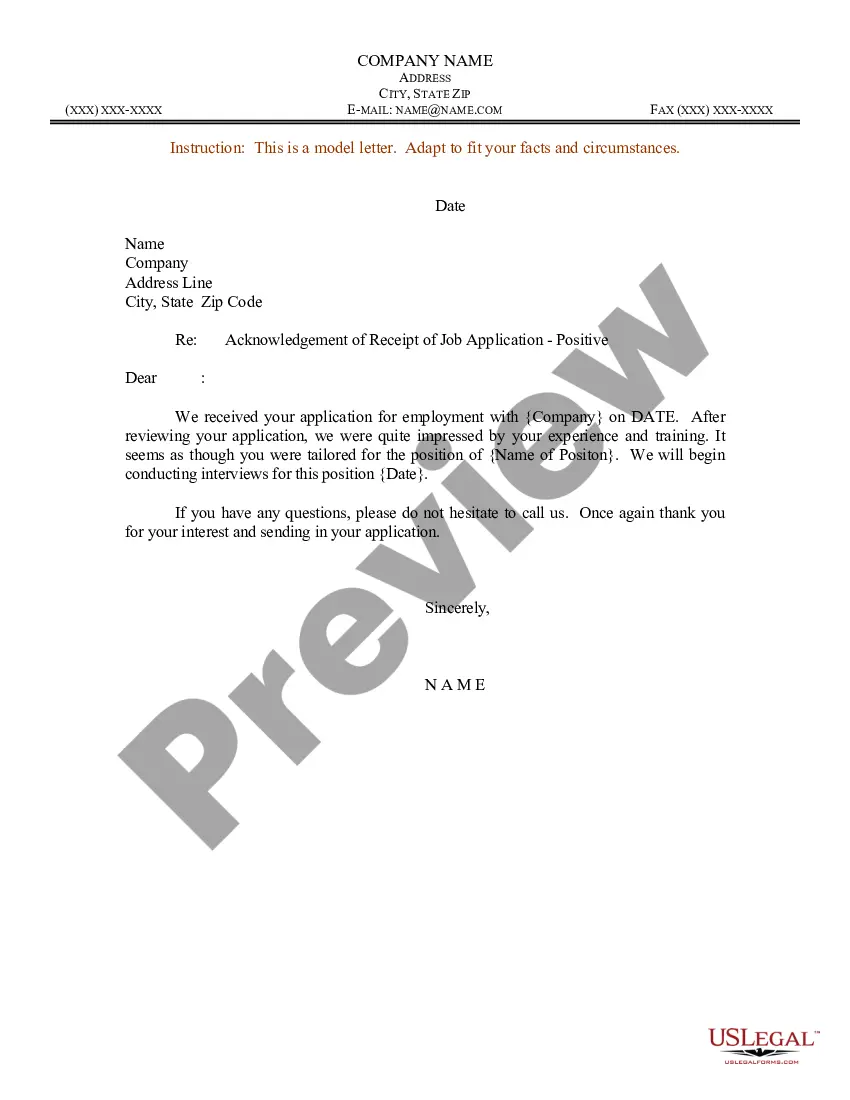


Get your form ready online
Our built-in tools help you complete, sign, share, and store your documents in one place.
Make edits, fill in missing information, and update formatting in US Legal Forms—just like you would in MS Word.
Download a copy, print it, send it by email, or mail it via USPS—whatever works best for your next step.
Sign and collect signatures with our SignNow integration. Send to multiple recipients, set reminders, and more. Go Premium to unlock E-Sign.
If this form requires notarization, complete it online through a secure video call—no need to meet a notary in person or wait for an appointment.
We protect your documents and personal data by following strict security and privacy standards.

Make edits, fill in missing information, and update formatting in US Legal Forms—just like you would in MS Word.

Download a copy, print it, send it by email, or mail it via USPS—whatever works best for your next step.

Sign and collect signatures with our SignNow integration. Send to multiple recipients, set reminders, and more. Go Premium to unlock E-Sign.

If this form requires notarization, complete it online through a secure video call—no need to meet a notary in person or wait for an appointment.

We protect your documents and personal data by following strict security and privacy standards.
Looking for another form?




Form popularity
FAQ
Yes, you can file Forms I-130, I-485, and I-765 together, depending on your situation.
In the letter it should include the following components: Date of the letter written. Start date of employment. Employee's work status, whether full-time or part-time. Position in the company or title. Description of position/responsibilities. Wages earned (annual salary or hourly wage)
Visa sponsorship for employment An employer sponsors an employee to work in a foreign country. A business may require employment visa sponsorship to expand to a new market, establish a new branch, or fill specific job roles where local talent may not be available.
Applying for a work visa Although not all H-1B visa applications require prior experience, USCIS will want to see your employment history. Evidence of this commonly includes your résumé or CV (curriculum vitae) but also an employment verification letter.
An Employment Reference Letter serves as proof that you worked for a specific period as you stated and in a role that aligns with the NOC code you've chosen. First off, you need to find the National Occupational Classification (NOC) codes associated with each of your past positions.
Employees should provide a certificate of employment which shoulf be on the company's letterhead with address, telephone number and all the company's data, employee's personal data, date of employment and date of end of employment, if relevant, position and monthly salary, salary slips for the last six months.
Proof of Sponsor's Employment Copies of sponsor's most recent federal income tax return (either the tax transcript or both 1040 and W2). Statement(s) from the employer on company letterhead showing salary and the length and permanency of employment in the United States.
When asking for visa sponsorship in a cover letter, be direct and professional. Briefly mention your need for sponsorship and assure the employer of your eligibility to work in the country. Emphasize your qualifications and enthusiasm for the role, focusing on how you can contribute to the company's success.
What Is Included in an Employment Verification Letter? An appropriate salutation, such as “To whom it may concern:” or “Dear Agency Name” The date the employer (or self-employed applicant) wrote the letter. The start date and end date of your employment. Your job title(s) Your annual salary information.
A sponsor letter for a visitor visa should clearly state the sponsor's full name, date of birth, address and contact details, relationship to the visitor, and a pledge to financially support the visitor during their stay. It must also outline the purpose of the visit, the duration, and where the visitor will stay.

