Job Application Letter For Bank In San Antonio
Description

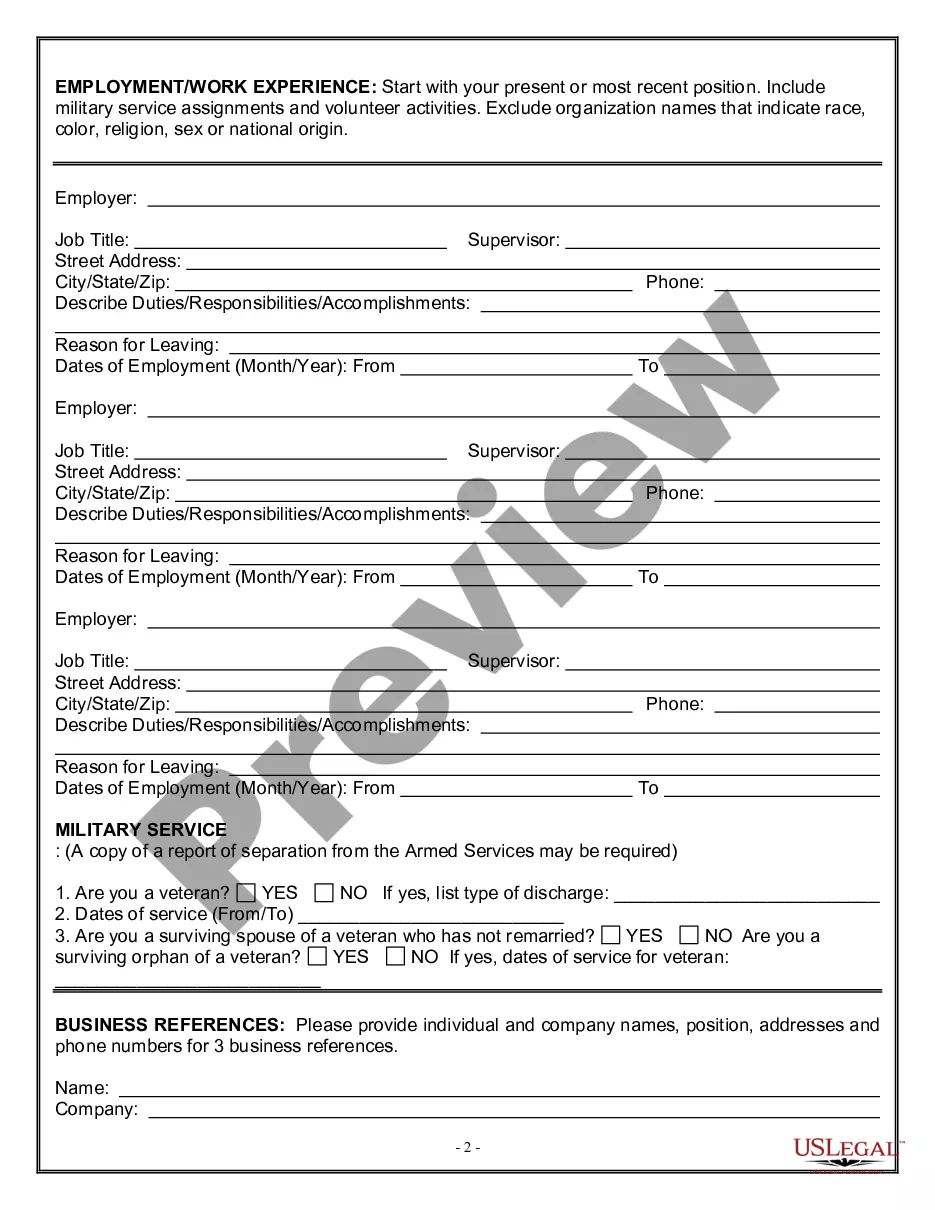
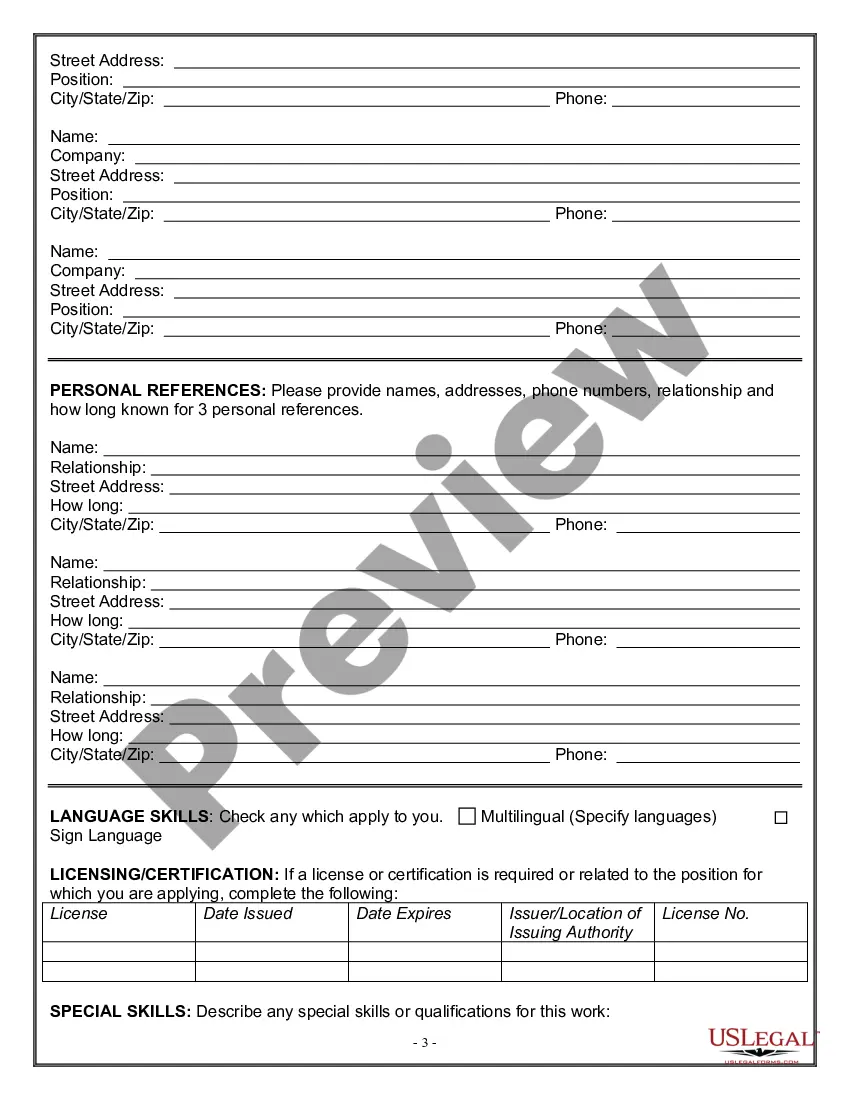
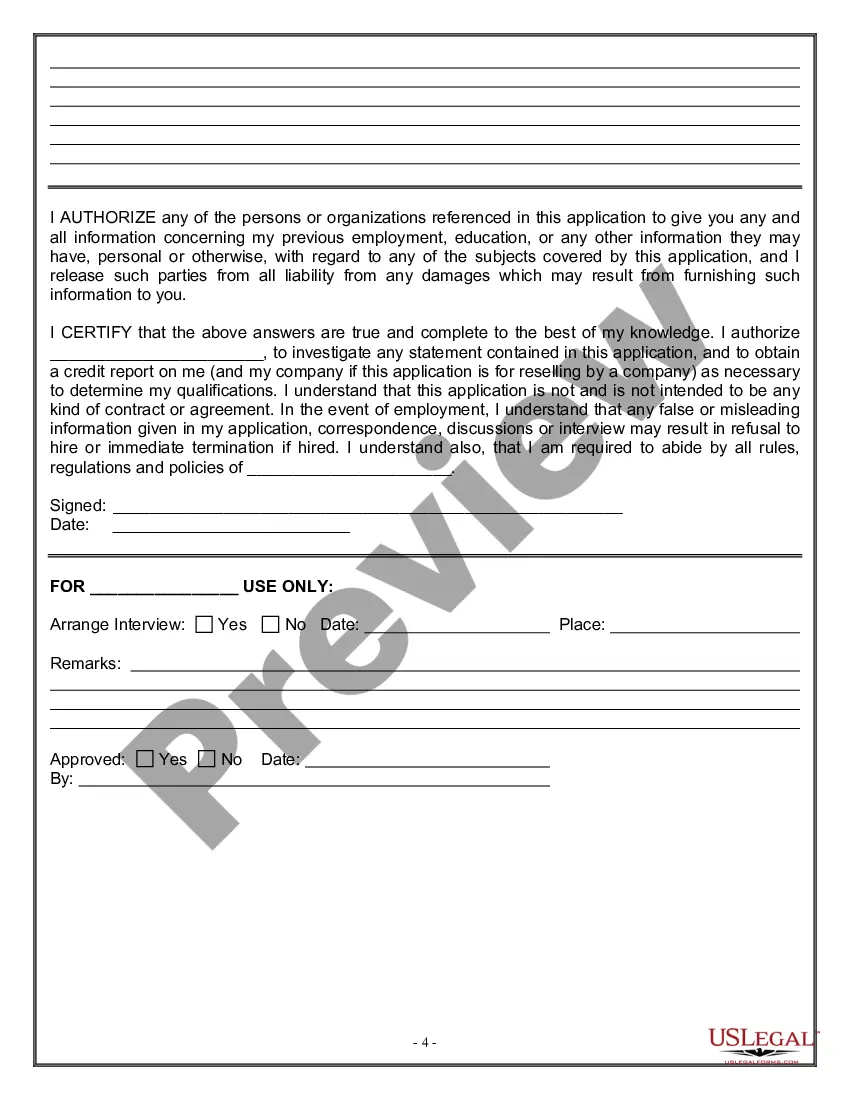
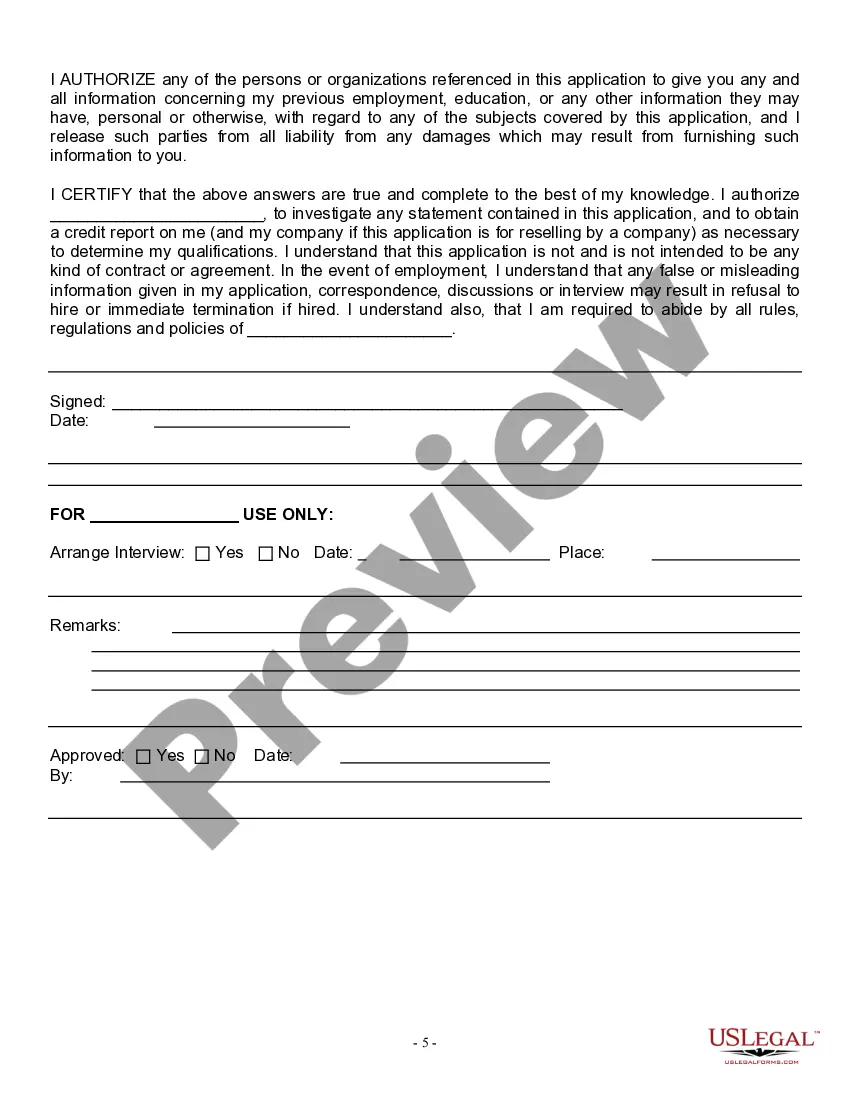
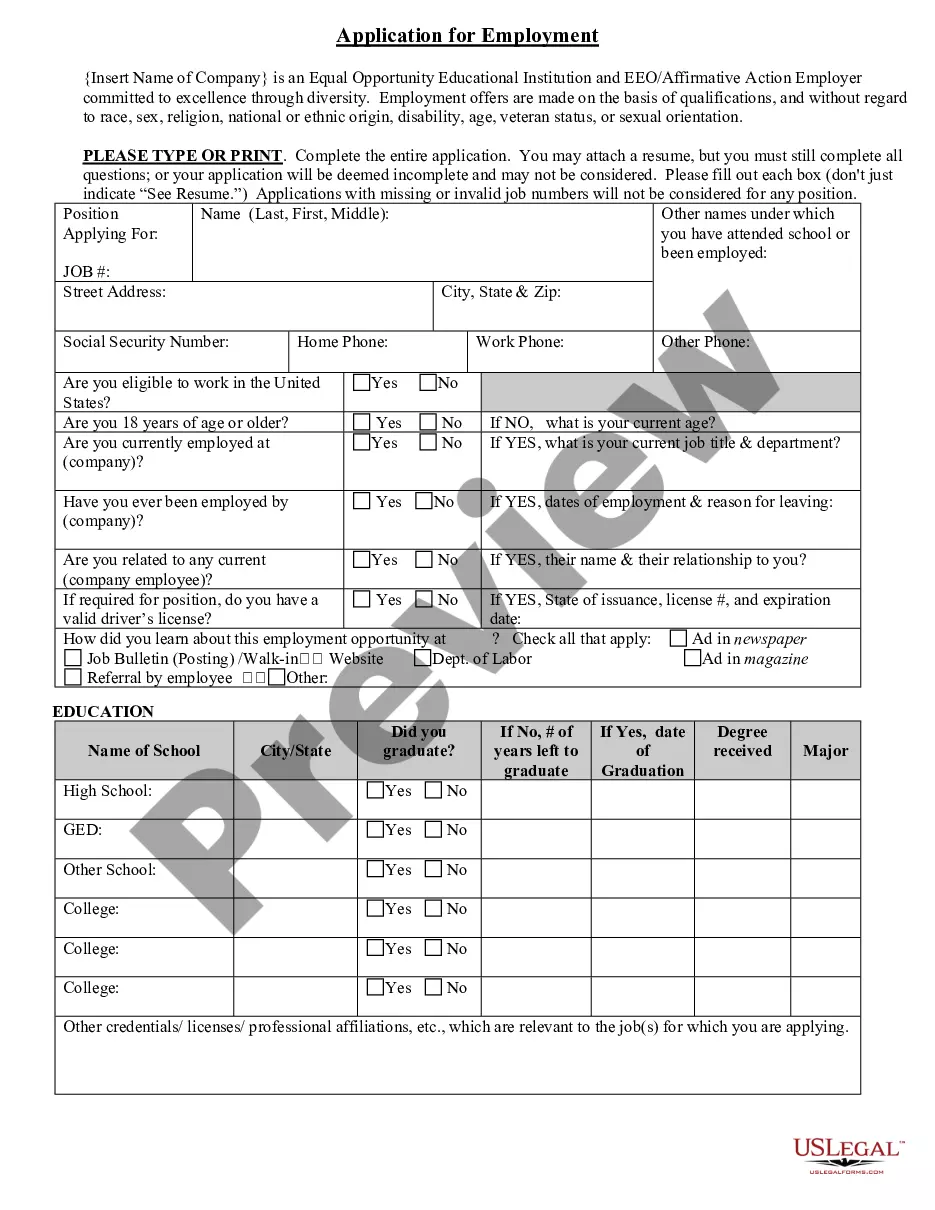
Get your form ready online
Our built-in tools help you complete, sign, share, and store your documents in one place.
Make edits, fill in missing information, and update formatting in US Legal Forms—just like you would in MS Word.
Download a copy, print it, send it by email, or mail it via USPS—whatever works best for your next step.
Sign and collect signatures with our SignNow integration. Send to multiple recipients, set reminders, and more. Go Premium to unlock E-Sign.
If this form requires notarization, complete it online through a secure video call—no need to meet a notary in person or wait for an appointment.
We protect your documents and personal data by following strict security and privacy standards.

Make edits, fill in missing information, and update formatting in US Legal Forms—just like you would in MS Word.

Download a copy, print it, send it by email, or mail it via USPS—whatever works best for your next step.

Sign and collect signatures with our SignNow integration. Send to multiple recipients, set reminders, and more. Go Premium to unlock E-Sign.

If this form requires notarization, complete it online through a secure video call—no need to meet a notary in person or wait for an appointment.

We protect your documents and personal data by following strict security and privacy standards.
Looking for another form?










Form popularity
FAQ
The reader is looking for two things right up front: who you are and why they should care. In the introduction, you should name your school, major, and GPA, and explain how you came to apply for this position (e.g., met someone at the bank, went to a company info session, etc.).
How Can I Become a Bank Teller With No Experience? Bank teller roles often require no experience, with the minimum requirement being a high school diploma or GED certificate. Basic math skills, such as being able to count back change and make quick mental calculations, are ideal qualifications for the role.
At most investment banks, cover letters that accompany resumes are barely read, if read at all. Applications are typically screened ing to your resume, with school and GPA as the first filter. If you went to a “name” school and have a strong GPA, then your resume and cover letter are read in more detail.
How To Write an Application Letter for a Bank Job Set up Your Document. Heading and Salutation. Opening Paragraph. Body Paragraphs. Discussing Relevant Skills. Mentioning Related Experiences. Closing Paragraph. Proofreading Your Application Letter.
Planning and Tone Tailor each cover letter to one specific position. Use industry jargon specific to your career field. Identify the employer's key words and use them. Make all statements positive. Show originality but not cuteness. Use action verbs and phrases. Sound determined and confident not desperate.
You must have a compelling conclusion that summarizes your objective in applying to GS. In a compelling conclusion, the use of action words telling the recruiter what you want, when you are available and that you are looking forward to hearing from them should be present.
How to write a bank teller cover letter Format your document. Add a heading. Mention the position you're seeking. Discuss your interest in the job. Highlight your experience. Emphasize your interest. Include a call to action. Sign the letter.
Your banking cover letter must immediately highlight your understanding of financial trends and economic regulations. It should demonstrate familiarity with the specific banking institution to which you're applying. Be sure to showcase your previous banking experience and your ability to foster client relationships.
Regardless of the competitive job market, college graduates with relevant internship experience, decent grades, an acceptable resume format, and adequate interviewing skills should have no problem finding an entry-level banking or finance role.
15 entry-level jobs in banks Assistant manager. Personal banker. Security guard. Teller. Fraud analyst. Notary public. Assistant underwriter. Tax preparer.
