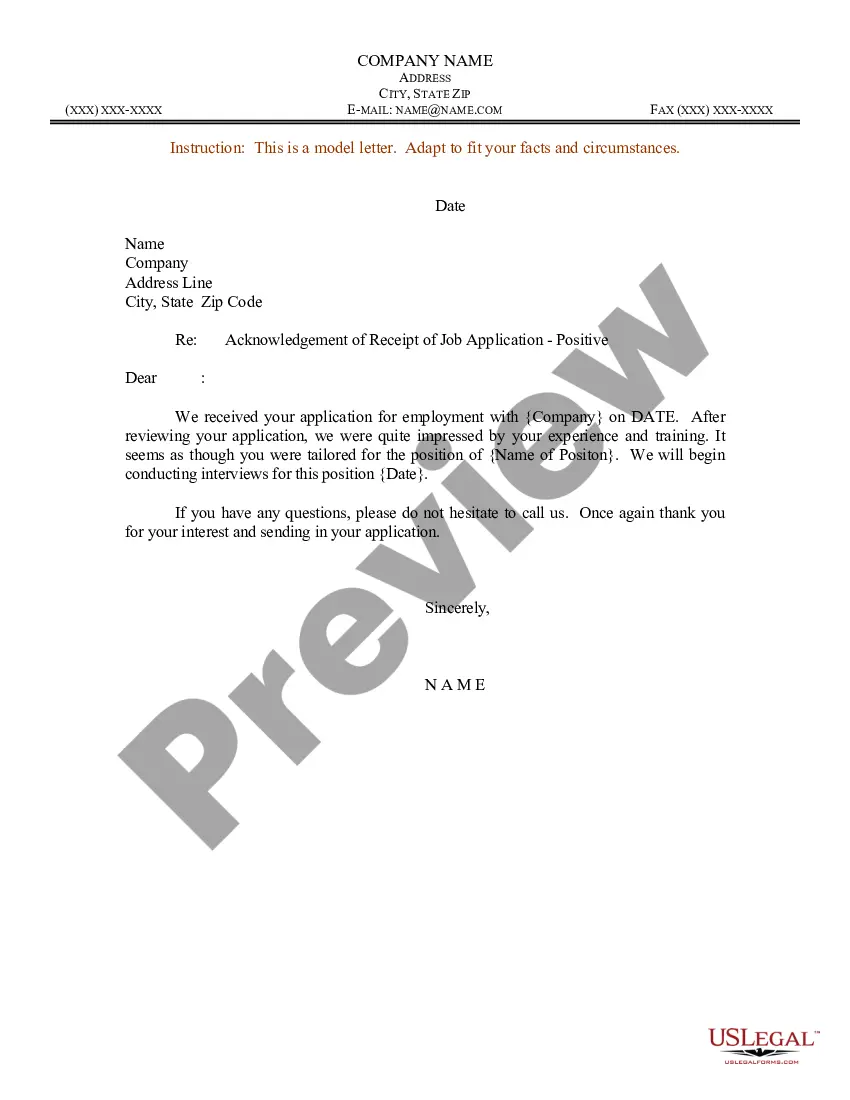
Job Offer Letter For Apartment In Fulton
Description


Get your form ready online
Our built-in tools help you complete, sign, share, and store your documents in one place.
Make edits, fill in missing information, and update formatting in US Legal Forms—just like you would in MS Word.
Download a copy, print it, send it by email, or mail it via USPS—whatever works best for your next step.
Sign and collect signatures with our SignNow integration. Send to multiple recipients, set reminders, and more. Go Premium to unlock E-Sign.
If this form requires notarization, complete it online through a secure video call—no need to meet a notary in person or wait for an appointment.
We protect your documents and personal data by following strict security and privacy standards.

Make edits, fill in missing information, and update formatting in US Legal Forms—just like you would in MS Word.

Download a copy, print it, send it by email, or mail it via USPS—whatever works best for your next step.

Sign and collect signatures with our SignNow integration. Send to multiple recipients, set reminders, and more. Go Premium to unlock E-Sign.

If this form requires notarization, complete it online through a secure video call—no need to meet a notary in person or wait for an appointment.

We protect your documents and personal data by following strict security and privacy standards.
Looking for another form?




Form popularity
FAQ
What should be included in employment verification letters? Employer address. Name and address of the company requesting verification. Employee name. Employment dates. Employee job title. Employee job description. Employee current salary. Reason for termination (If applicable)
Keep it short and relevant. Include basic information about their employment with your company or organization, such as dates of employment and title. Additionally, speak to their positive qualities that could also make them a good tenant, such as responsibility, trustworthiness, ability to follow rules.
State the Purpose: Clearly mention the letter's purpose – to verify your income for renting a property. Detail Your Income: List out your total income, breaking down different sources of income if applicable. If you have a traditional job, mention your salary, job title, and employment start date.
Accepting a job without a written offer is generally not advisable. Here are several reasons why: Lack of Clarity: A verbal offer may lead to misunderstandings about job responsibilities, salary, benefits, and other important details. A written offer provides clear documentation of what was discussed.
If an applicant hasn't received their first paycheck yet or if there are concerns about the authenticity of the offer letter or contract, you can reach out to the employer via phone or email for verification on official company letterhead.
Just call them and ask. It's your right to get the offer letter if they have already confirmed that you are selected.
The offer letter can be written by the HR department, a hiring manager, or by their supervisor. No matter who oversees creating and sending out offer letters, there are elements that should be included in a great offer letter.
When a company hires a new employee, must the new hire be provided with an offer letter? Although not required in the U.S., providing a candidate a written job offer is considered a good practice.
The job offer letter can be sent as an email or an attached document and usually comes after a candidate has been notified verbally that they have been selected for the job.
Contract or signed agreement: Many employees get a signed contract, employment agreement or offer letter before they start a new job. You can use either document to prove employment and income.

