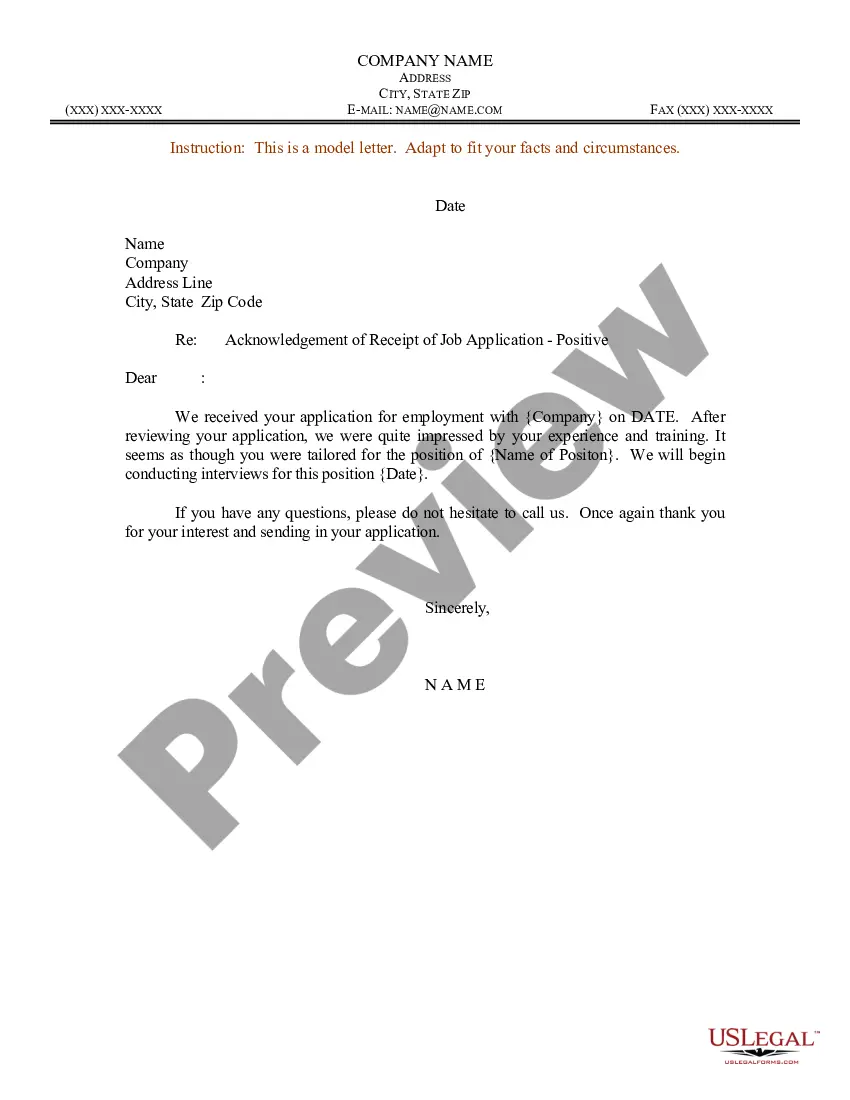
Application Employment Letter Within Probationary Period In Contra Costa
Description


Get your form ready online
Our built-in tools help you complete, sign, share, and store your documents in one place.
Make edits, fill in missing information, and update formatting in US Legal Forms—just like you would in MS Word.
Download a copy, print it, send it by email, or mail it via USPS—whatever works best for your next step.
Sign and collect signatures with our SignNow integration. Send to multiple recipients, set reminders, and more. Go Premium to unlock E-Sign.
If this form requires notarization, complete it online through a secure video call—no need to meet a notary in person or wait for an appointment.
We protect your documents and personal data by following strict security and privacy standards.

Make edits, fill in missing information, and update formatting in US Legal Forms—just like you would in MS Word.

Download a copy, print it, send it by email, or mail it via USPS—whatever works best for your next step.

Sign and collect signatures with our SignNow integration. Send to multiple recipients, set reminders, and more. Go Premium to unlock E-Sign.

If this form requires notarization, complete it online through a secure video call—no need to meet a notary in person or wait for an appointment.

We protect your documents and personal data by following strict security and privacy standards.
Looking for another form?







Form popularity
FAQ
Random drug testing is against the law in California. You cannot require your employees to take a random drug test, and you must give your employees notice before a drug test is given. There is one exception to this rule, as employees in public jobs may be required to take a drug test if public safety is a concern.
In California, there is no specific probationary period requirement for employees. However, many employers in California and across the United States use an initial probationary period or introductory periods so they can evaluate the performance of new employees.
As a condition of employment, finalists for full-time, part-time, extra help, contingent workers (i.e. agency temporary employees), and temporary positions will be required to successfully pass pre-employment background investigation, medical examinations, drug screening, Department of Motor Vehicles (OMV) license ...
The probationary period serves as the final step in the selection process. Government Code section 19170 provides that the probationary period for permanent employees shall be six months unless the State Personnel Board (SPB) establishes a longer period of not more than one year.
Companies can dismiss employees during their probationary period at any time, though most employers tend to make a decision closer to the end of that period to give the employee time to improve.
Can you get fired in the first 90 days? Yes, in most states, you can be fired at any time during the first 90 days, as long as the termination is not due to discriminatory or retaliatory reasons.
Yes. Employers can terminate probationary employees at any time without violating labor laws or contract terms. They usually don't give any reason other than ``you failed probation''. This is also legal.

