Job Application Letter Format Class 12 In Collin
Description
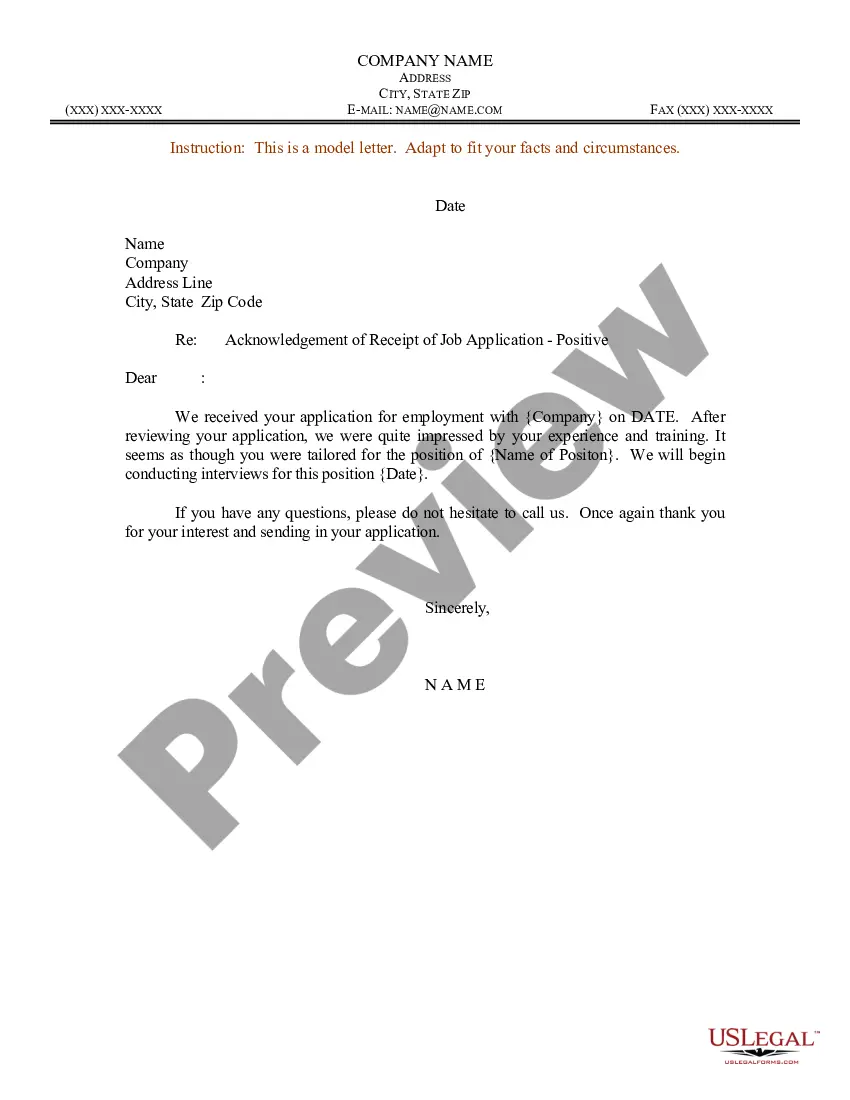


Get your form ready online
Our built-in tools help you complete, sign, share, and store your documents in one place.
Make edits, fill in missing information, and update formatting in US Legal Forms—just like you would in MS Word.
Download a copy, print it, send it by email, or mail it via USPS—whatever works best for your next step.
Sign and collect signatures with our SignNow integration. Send to multiple recipients, set reminders, and more. Go Premium to unlock E-Sign.
If this form requires notarization, complete it online through a secure video call—no need to meet a notary in person or wait for an appointment.
We protect your documents and personal data by following strict security and privacy standards.

Make edits, fill in missing information, and update formatting in US Legal Forms—just like you would in MS Word.

Download a copy, print it, send it by email, or mail it via USPS—whatever works best for your next step.

Sign and collect signatures with our SignNow integration. Send to multiple recipients, set reminders, and more. Go Premium to unlock E-Sign.

If this form requires notarization, complete it online through a secure video call—no need to meet a notary in person or wait for an appointment.

We protect your documents and personal data by following strict security and privacy standards.
Looking for another form?







Form popularity
FAQ
A CV presents a full history of your academic accomplishments, while a resume presents a concise summary of your qualifications. While both are tailored for the specific position you are applying to, they are used for different purposes with CVs being required for academic positions and resumes being needed otherwise.
If you don't have professional experience, focus on these CV sections: Contact details. Personal profile. Education and coursework. Work history/volunteering. Relevant skills. Additional sections.
Steps To Create A Professional CV For Students Use the proper format and structure. Research the position and the organisation. Start with a career objective. Mention details about your education. Add details about work experience. Include additional sections. Proofread and edit.
The letter should have the sender's address, date, receiver's address, subject, salutation, body in 2-3 paragraphs, complimentary close and signature. The CV consists of personal details, qualifications, work experience, achievements, languages known, skills and references.
Four Paragraphs Minimum—Your letter should have at least an introductory paragraph, an education paragraph, an employment paragraph, and a concluding paragraph. Complimentary Close—These are some standard phrases: Sincerely, Sincerely yours, Yours sincerely, Yours very truly, and Very truly yours.
Your CV must be well organized and easy to read. Choose an effective format and be consistent. Use bolds, italics, underlines, and capitalization to draw attention. List all relevant items in reverse chronological order in each section.
When writing a cover letter, you should: introduce yourself. mention the job (or type of job) you're applying for (or looking for) show that your skills and experience match the skills and experience needed to do the job. encourage the reader to read your resume.
How to create a CV for students Use the proper format and structure. Study the position and the employer. Start with a captivating personal statement or objective. Be creative with your education. Expand your work experience. Add other sections. Proofread and edit.
Structure the application letter Start with a strong opening sentence that mentions the position. Try to incorporate the keywords from the job posting. Briefly mention your current job or educational background. In the paragraphs mention your academic credentials and any certifications relevant to teaching.

