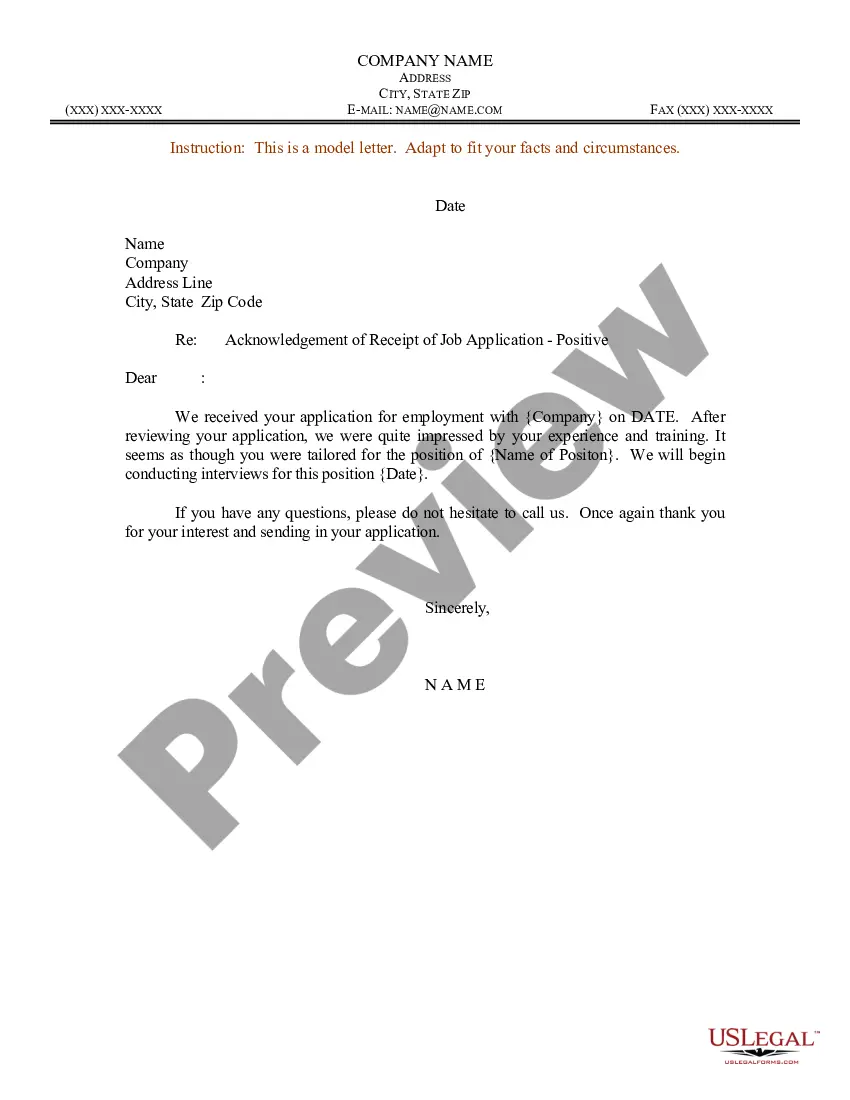
Application Employment Letter Within Probationary Period In Chicago
Description



Get your form ready online
Our built-in tools help you complete, sign, share, and store your documents in one place.
Make edits, fill in missing information, and update formatting in US Legal Forms—just like you would in MS Word.
Download a copy, print it, send it by email, or mail it via USPS—whatever works best for your next step.
Sign and collect signatures with our SignNow integration. Send to multiple recipients, set reminders, and more. Go Premium to unlock E-Sign.
If this form requires notarization, complete it online through a secure video call—no need to meet a notary in person or wait for an appointment.
We protect your documents and personal data by following strict security and privacy standards.

Make edits, fill in missing information, and update formatting in US Legal Forms—just like you would in MS Word.

Download a copy, print it, send it by email, or mail it via USPS—whatever works best for your next step.

Sign and collect signatures with our SignNow integration. Send to multiple recipients, set reminders, and more. Go Premium to unlock E-Sign.

If this form requires notarization, complete it online through a secure video call—no need to meet a notary in person or wait for an appointment.

We protect your documents and personal data by following strict security and privacy standards.
Looking for another form?








Form popularity
FAQ
Section 212.234 - Probationary Status a) Probationary Period: 1) A probationary period of approximately six months shall be served by a full-time employee who is newly hired from outside the Office.
What happens at the end of a probation period? A meeting with a manager to discuss performance. The outcome could be confirmation in post, extension of probation if more assessment time is needed or termination.
A new hire probationary period at work is a short period of time — usually lasting between one and three months — where employers assess new employees for professional qualities like work ethic, adaptability, cultural fit, and attitude before offering them a permanent role.
A probationary period is the first few days, weeks, or months in a new role in which the employer can see if the person they hired is a good fit for the position and the company. It allows you and the company to understand each other's needs and expectations better.
Getting to know the company: Completing an employment trial period can also help you get to know the company better. This can help you decide whether you want to accept a permanent job offer . Receiving feedback: You can also use your trial period as an opportunity to get feedback on your performance.
A probationary period occurs at the beginning of a new hire's employment, during which the employer evaluates the individual's performance and suitability for the position. A probationary period allows the employer to trial new employees, monitor performance, and determine if they are a good fit for the company.
Employers sometimes use "probationary periods" when hiring new employees or promoting employees into a new position. The probationary period is used as a time to assess whether the new hire or newly promoted employee is a good fit for the position. Typically, probationary periods range from three to six months.
A probationary period starts the date an employee reports to work on their first day. Employees need to be evaluated at least every third of that period (e.g., every 2 months for 6-month probation periods; every four (4) months for 12-month probation periods).
A probationer continuing past the probation period will not automatically become a permanent employee and the employer has rights to extend the probation period till it is satisfied the probationer is fit for confirmation. Thus, a probationer will be on probation until he/she is confirmed by the employer.

