Contract Management With Smartsheet In Wayne
Description

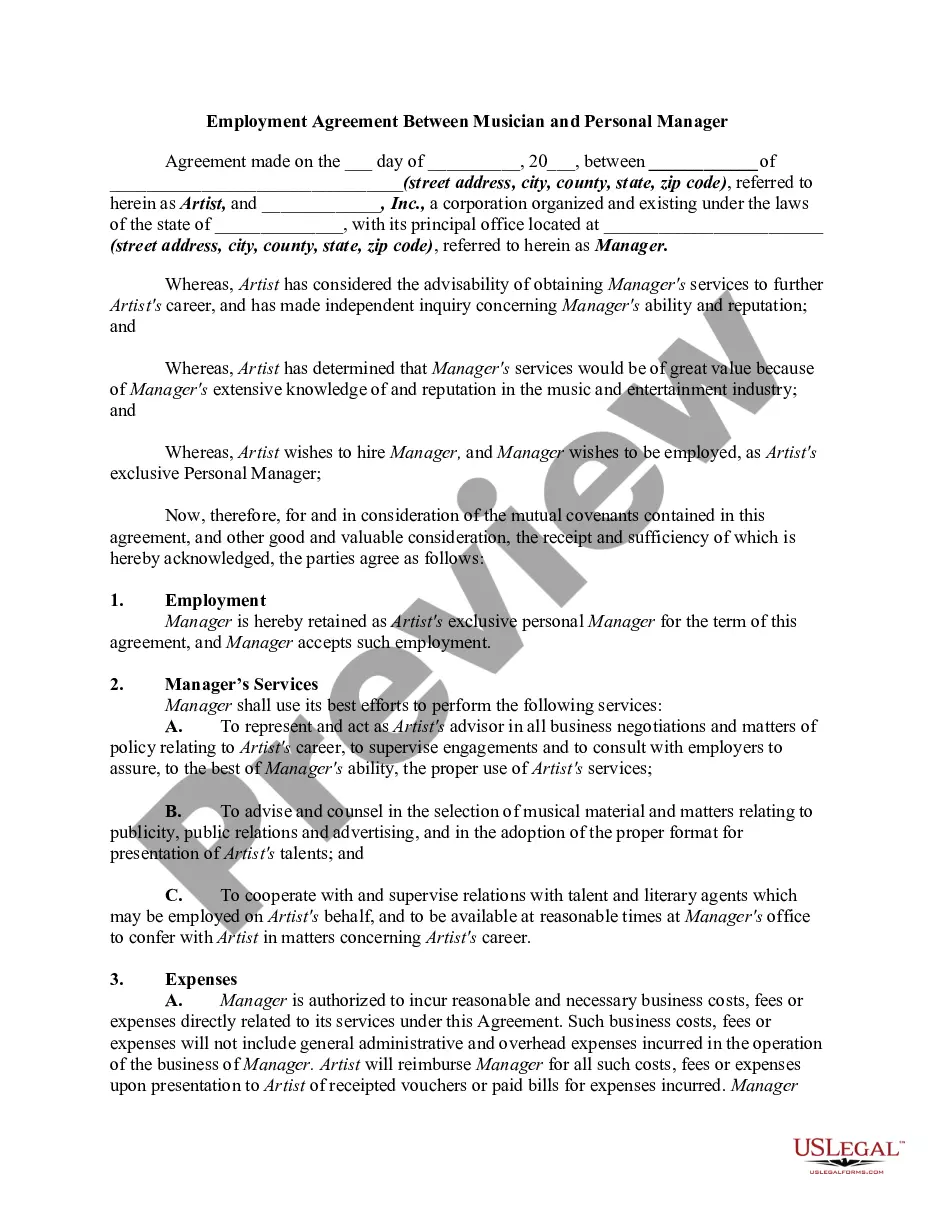
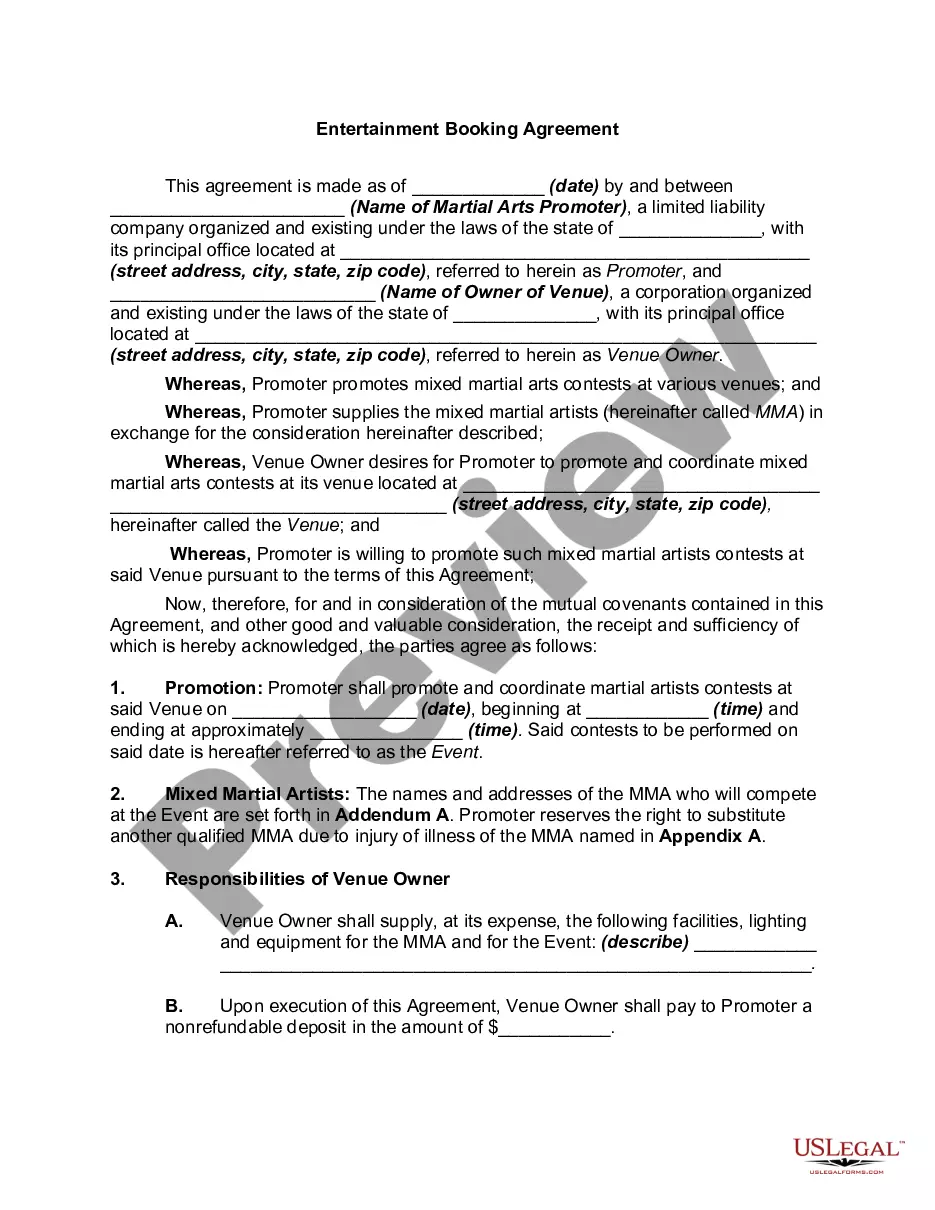
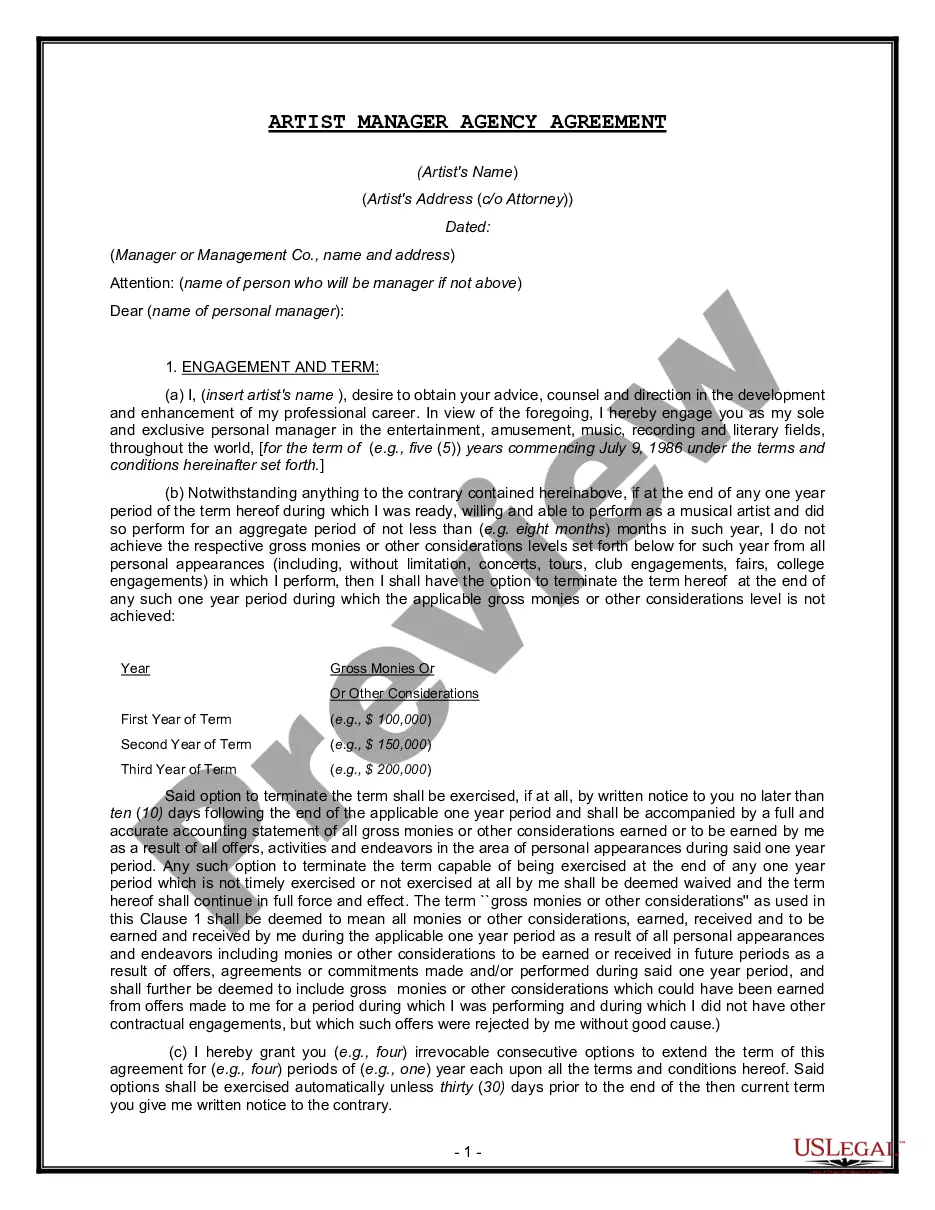
Get your form ready online
Our built-in tools help you complete, sign, share, and store your documents in one place.
Make edits, fill in missing information, and update formatting in US Legal Forms—just like you would in MS Word.
Download a copy, print it, send it by email, or mail it via USPS—whatever works best for your next step.
Sign and collect signatures with our SignNow integration. Send to multiple recipients, set reminders, and more. Go Premium to unlock E-Sign.
If this form requires notarization, complete it online through a secure video call—no need to meet a notary in person or wait for an appointment.
We protect your documents and personal data by following strict security and privacy standards.

Make edits, fill in missing information, and update formatting in US Legal Forms—just like you would in MS Word.

Download a copy, print it, send it by email, or mail it via USPS—whatever works best for your next step.

Sign and collect signatures with our SignNow integration. Send to multiple recipients, set reminders, and more. Go Premium to unlock E-Sign.

If this form requires notarization, complete it online through a secure video call—no need to meet a notary in person or wait for an appointment.

We protect your documents and personal data by following strict security and privacy standards.
Looking for another form?








Form popularity
FAQ
In any Engineering and Construction project, the roles of both the project manager and the contracts manager are crucial. While the project manager focuses on overseeing the actual construction process, the contracts manager plays a pivotal role in managing the legal and financial aspects of the project.
There are four essential elements of forming a contract: offer, acceptance, consideration, and intention to create legal relations. Beyond this, the terms of the contract must also be unambiguous, and the parties must have the mental capacity to agree.
A successful contract management framework requires the integration of four key elements: clear objectives and goals, robust processes and procedures, effective communication and collaboration, and technology integration.
This good practice framework defines the four blocks – structure and resources, delivery, development, and strategy – comprising 11 areas (Figure 1) that organisations should consider when planning and delivering contract management.
Exploring the key stages of the contract management lifecycle Stage 1: Contract Initiation. Stage 2: Contract Creation and Negotiation. Stage 3: Contract Approval. Stage 4: Contract Execution. Stage 5: Contract Monitoring and Management. Stage 6: Contract Renewal or Termination.
The basic elements required for the agreement to be a legally enforceable contract are: mutual assent , expressed by a valid offer and acceptance ; adequate consideration ; capacity ; and legality .
How to Start a Contracting Business Choose a trade. Set up and register your business structure. Explore business insurance. Choose the right tools and equipment. Understand the licensing requirements. Set a service rate. Market your business locally. Join an industry association.
Contract Overview. Briefly outline. Objectives. List objectives and desired outcomes here. Transitional arrangements and mobilisation. Briefly outline. Performance management. Briefly outline. Finance. Briefly outline. Governance arrangements. Communication with provider. Briefly outline. Communication with stakeholders.
Career path for a contract manager Earn a bachelor's degree (mandatory). Get relevant work experience. Go to law school (optional). As previously mentioned, not all companies looking for a contract manager require candidates with law degrees. Become a certified contract manager (optional in most cases)
