Operating Agreement For Llc In Virginia
Description

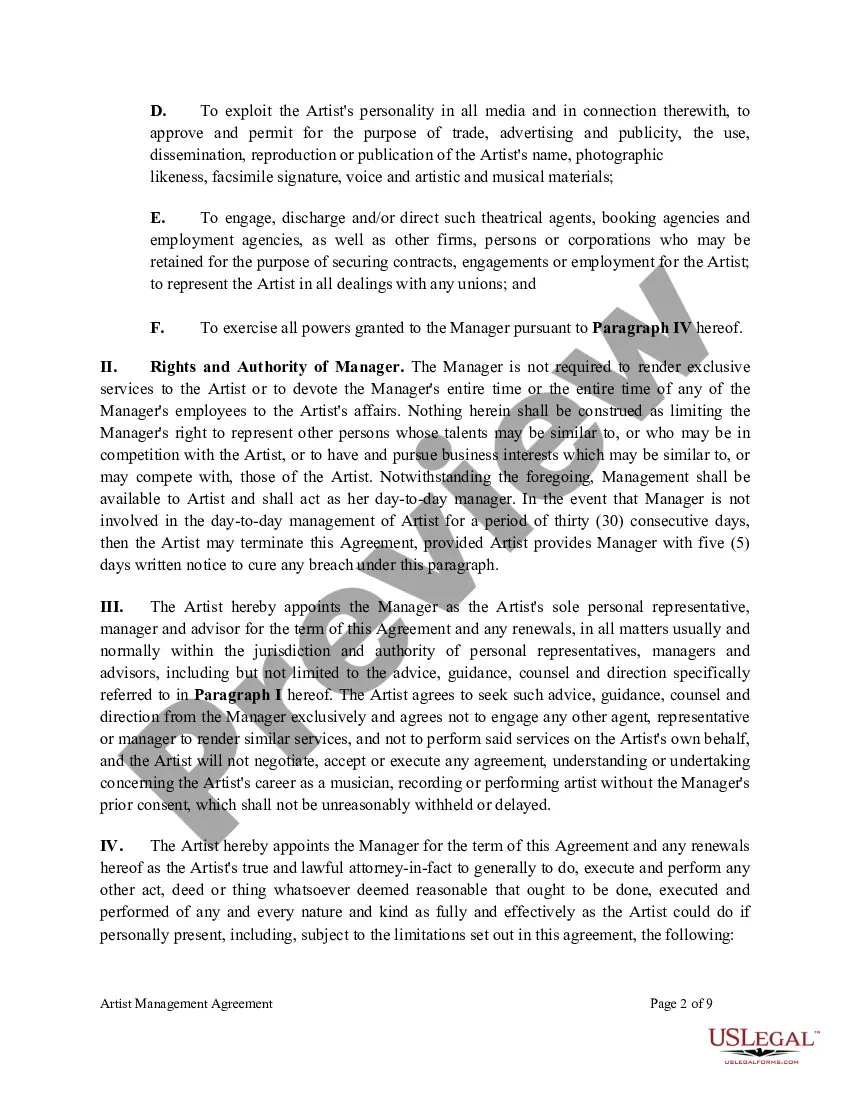
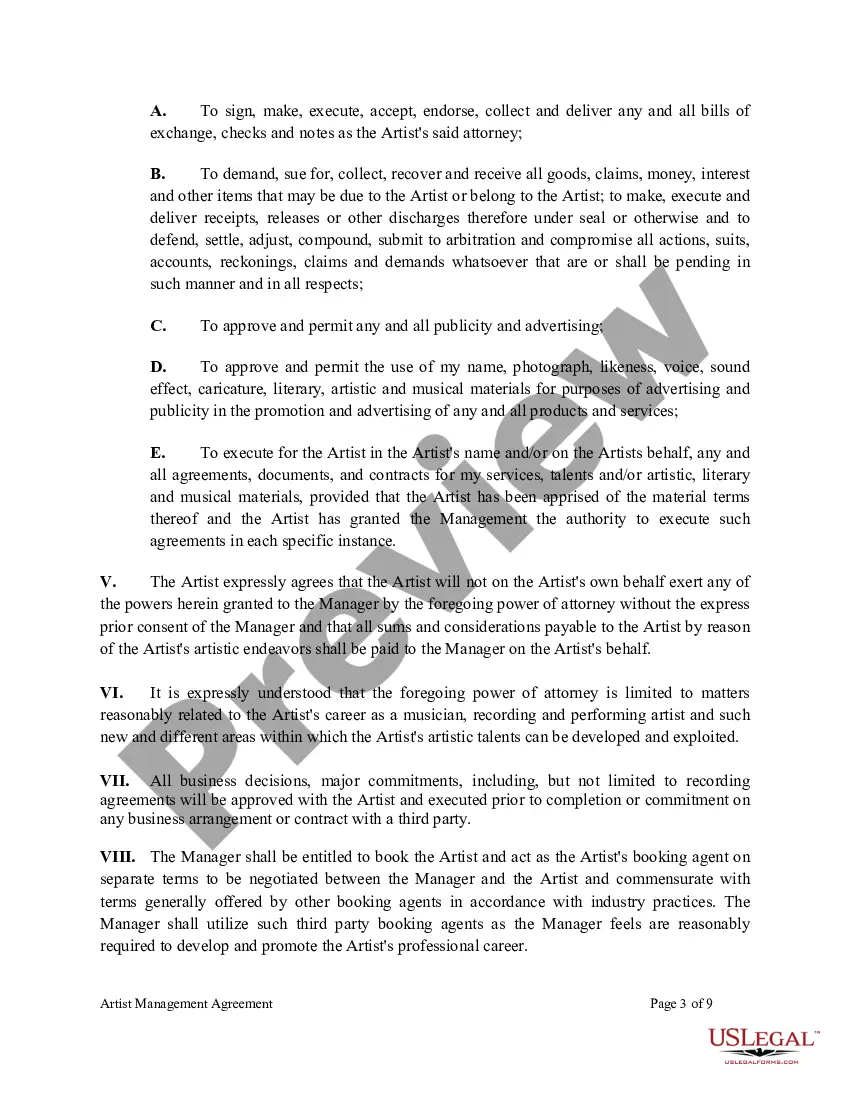
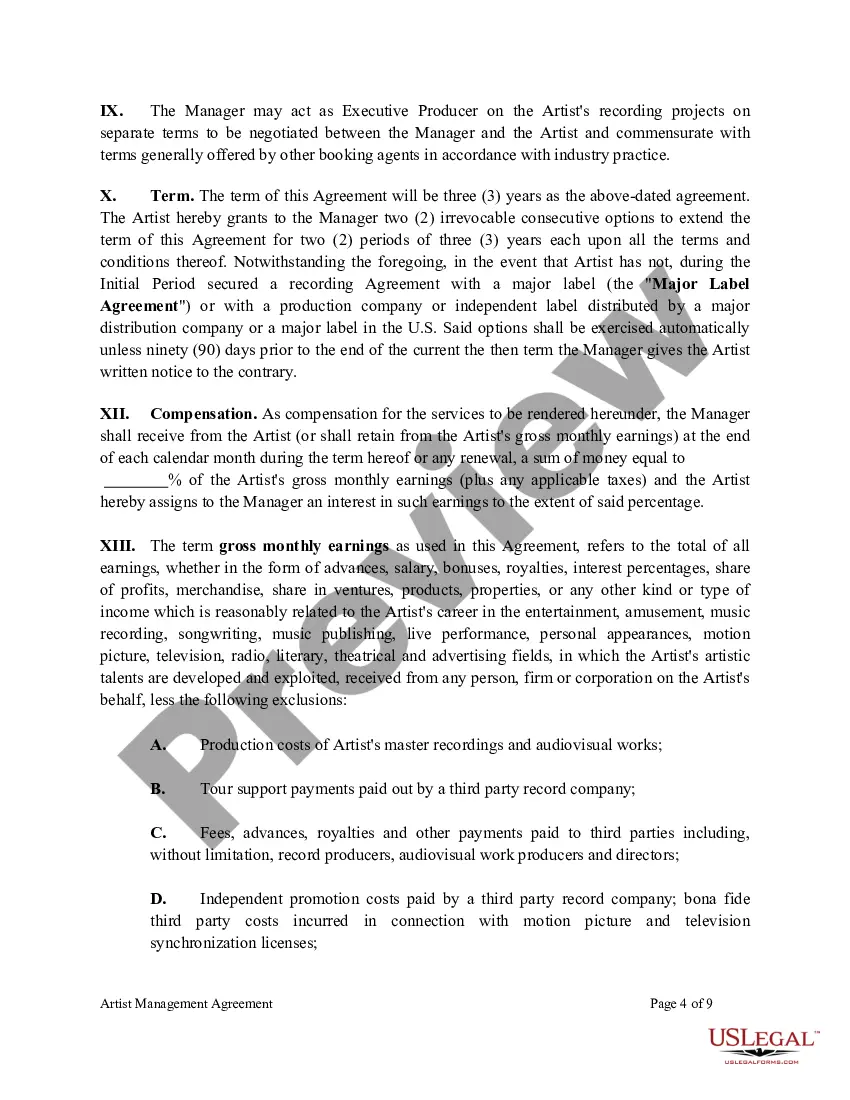
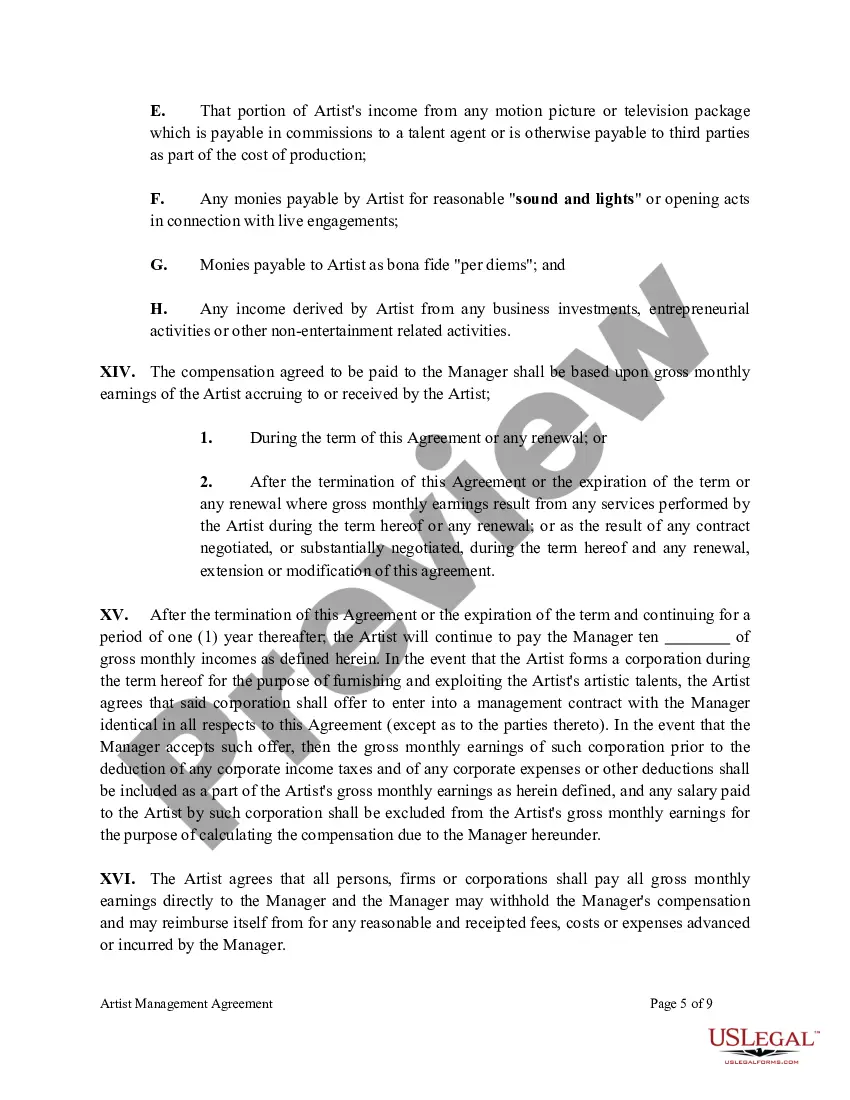
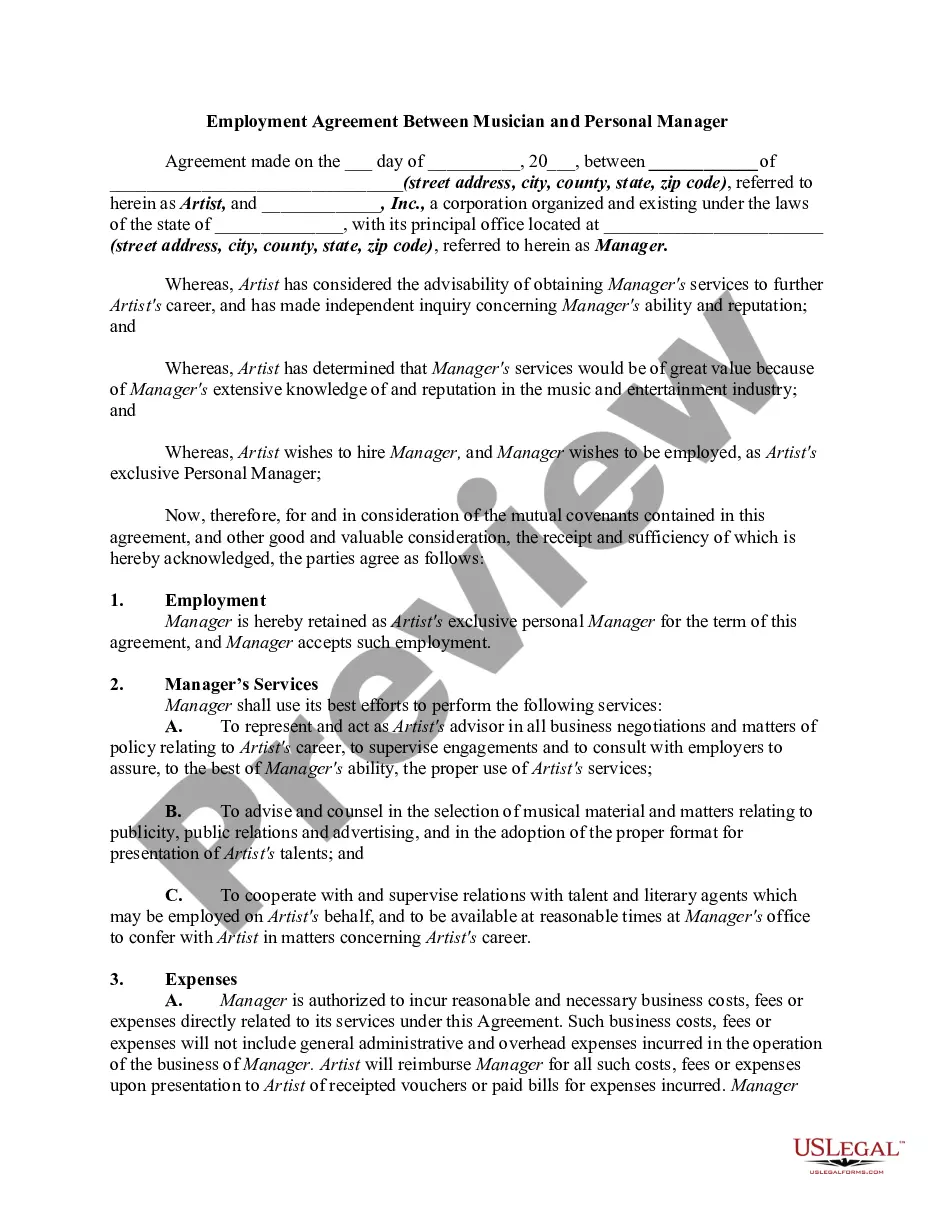
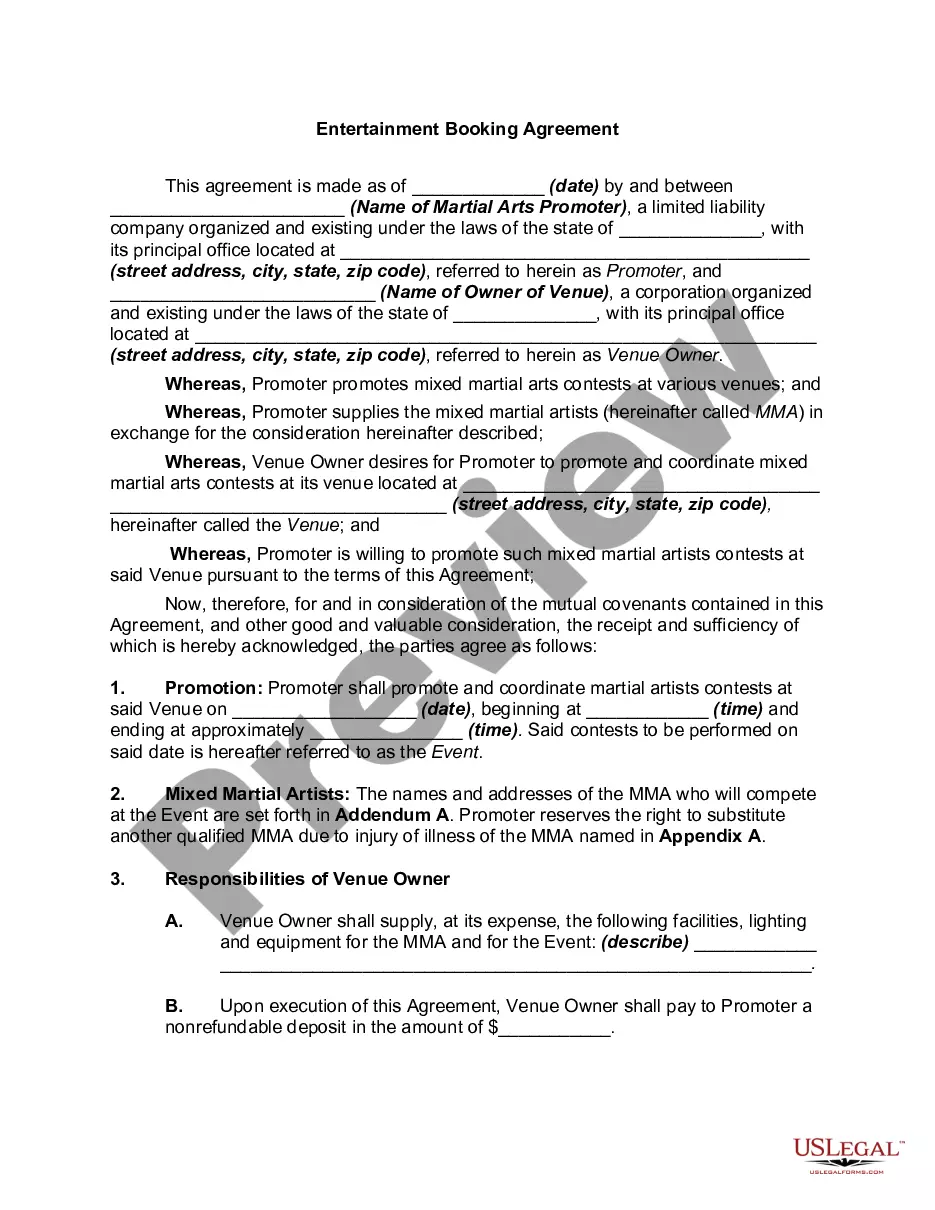
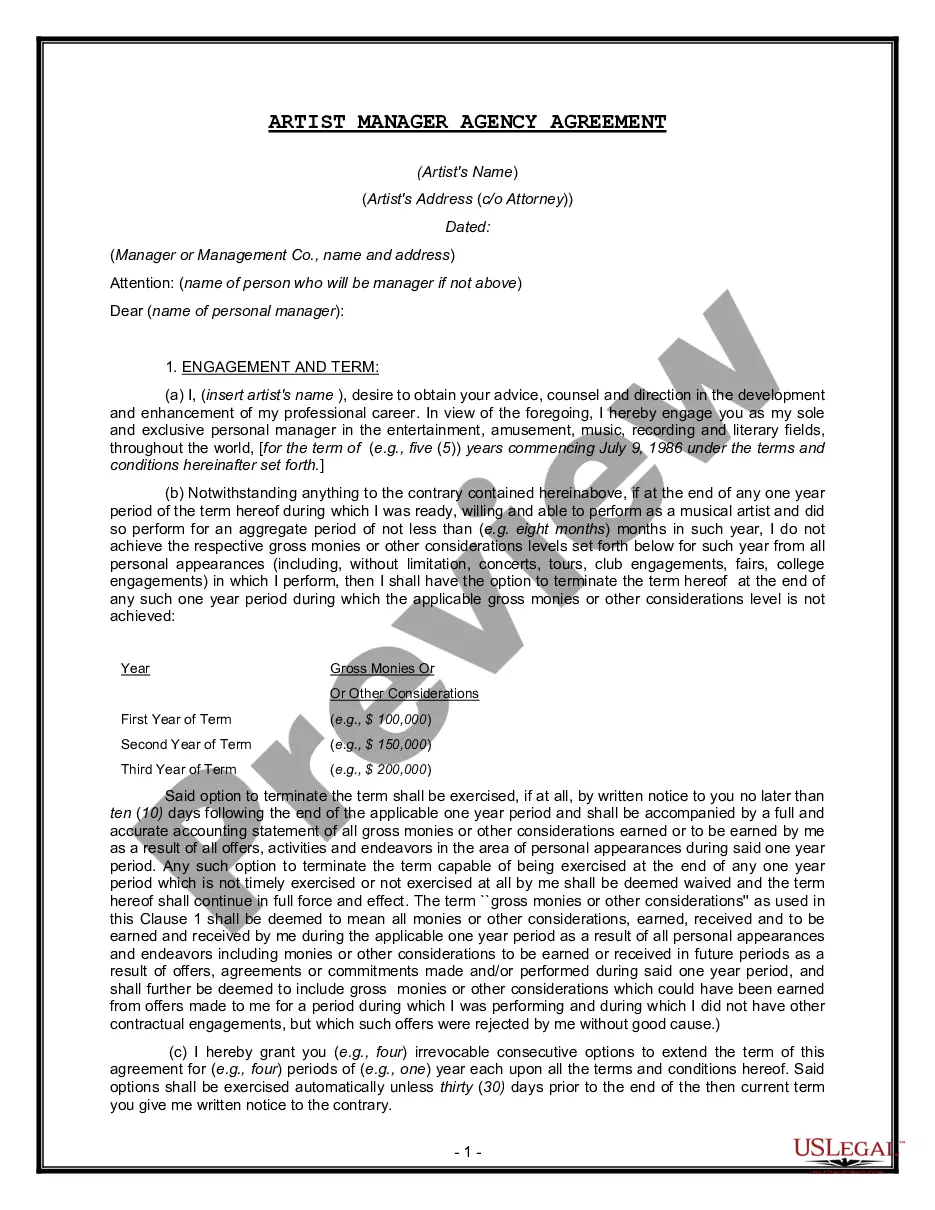
Get your form ready online
Our built-in tools help you complete, sign, share, and store your documents in one place.
Make edits, fill in missing information, and update formatting in US Legal Forms—just like you would in MS Word.
Download a copy, print it, send it by email, or mail it via USPS—whatever works best for your next step.
Sign and collect signatures with our SignNow integration. Send to multiple recipients, set reminders, and more. Go Premium to unlock E-Sign.
If this form requires notarization, complete it online through a secure video call—no need to meet a notary in person or wait for an appointment.
We protect your documents and personal data by following strict security and privacy standards.

Make edits, fill in missing information, and update formatting in US Legal Forms—just like you would in MS Word.

Download a copy, print it, send it by email, or mail it via USPS—whatever works best for your next step.

Sign and collect signatures with our SignNow integration. Send to multiple recipients, set reminders, and more. Go Premium to unlock E-Sign.

If this form requires notarization, complete it online through a secure video call—no need to meet a notary in person or wait for an appointment.

We protect your documents and personal data by following strict security and privacy standards.
Looking for another form?





Form popularity
FAQ
Common pitfalls of a poorly drafted Operating Agreement include failing to: (i) specify what authority managers or members have; (ii) carve out key decisions that require a higher approval threshold (e.g., dissolution, sale of all or substantially all of the assets of the LLC, etc.); (iii) address how deadlocks in the ...
Is an LLC Operating Agreement required in the state of Virginia? The state of Virginia does not require an LLC Operating Agreement, but it may still be recommended for many LLCs.
Ing to VA Code § 13.1-1023 (2019), an operating agreement isn't actually required in Virginia—and if you have one, it “need not be in writing.” But don't be fooled. Having a strong operating agreement—on paper—is essential for your LLC.
And while most states do not require LLCs to have a written operating agreement, having the agreement in writing can reduce uncertainties and is generally recommended.
The 5 states requiring an operating agreement are California, Delaware, Maine, Missouri, and New York.
Their absence can lead to governance by default state laws, management, and financial disorganization, and increased legal vulnerabilities. LLCS should draft and maintain an operating agreement tailored to their specific business needs.
Once you (and the other LLC Members, if applicable) sign the Operating Agreement, then it becomes a legal document. Can I write my own Operating Agreement? Yes, but we recommend using an Operating Agreement template. An Operating Agreement is a legal document.
The operating agreement is a legally binding document that is filed internally and kept at the business's physical location. The operating agreement is not filed with the state.
The members of an LLC are required to adopt a written Operating Agreement. See Section 417 of the Limited Liability Company Law. The Operating Agreement may be entered into before, at the time of, or within 90 days after the filing of the Articles of Organization.
