Artist Record Deal Contract In Virginia
Description

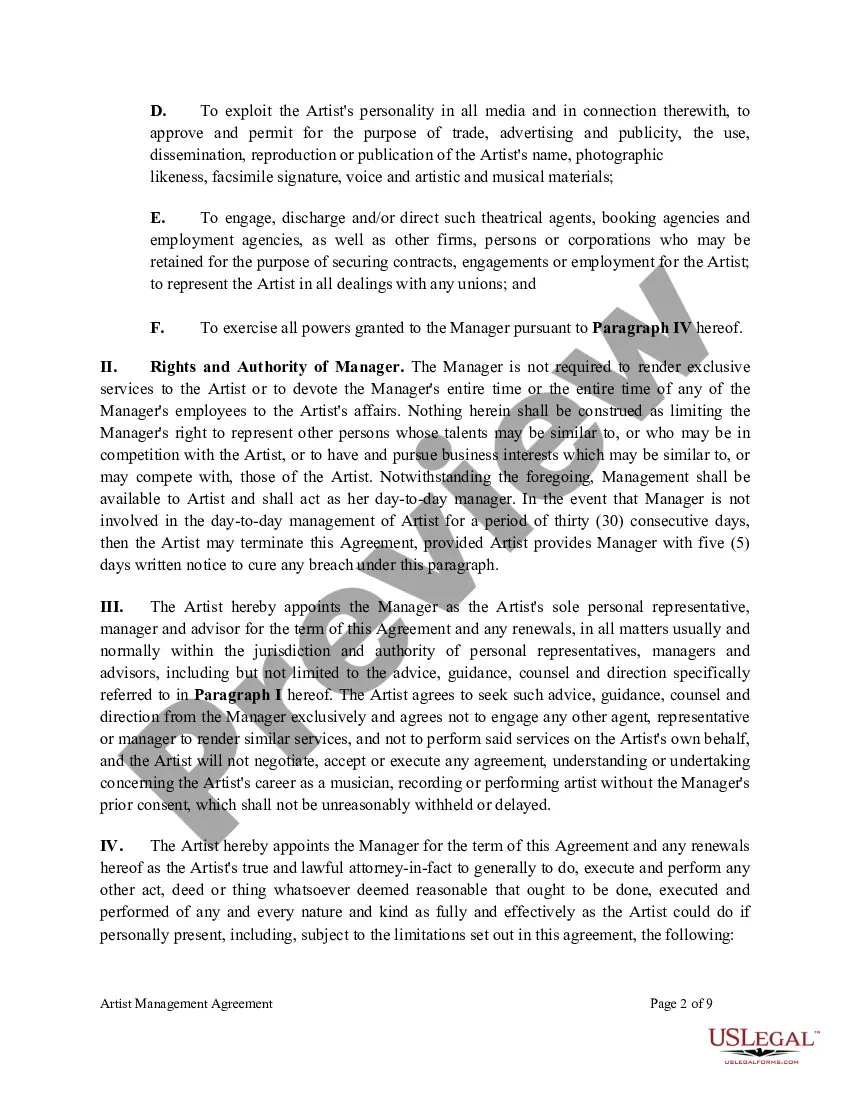
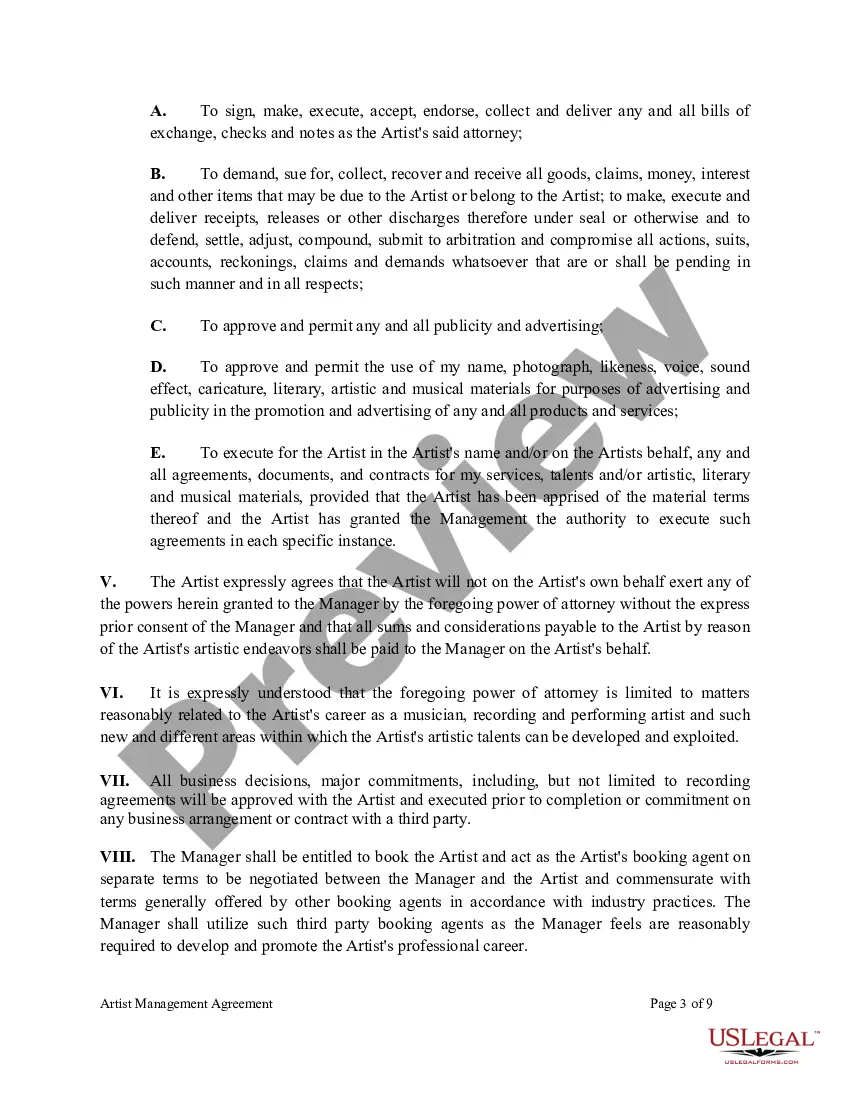
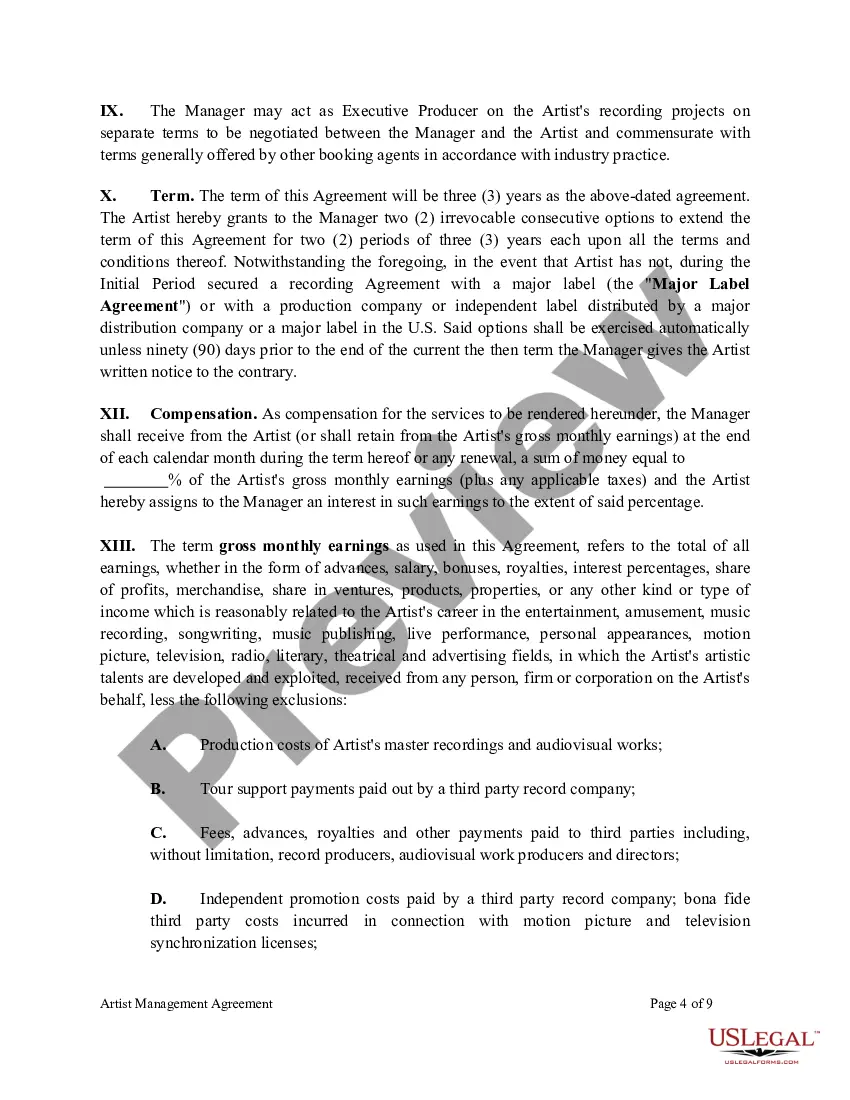
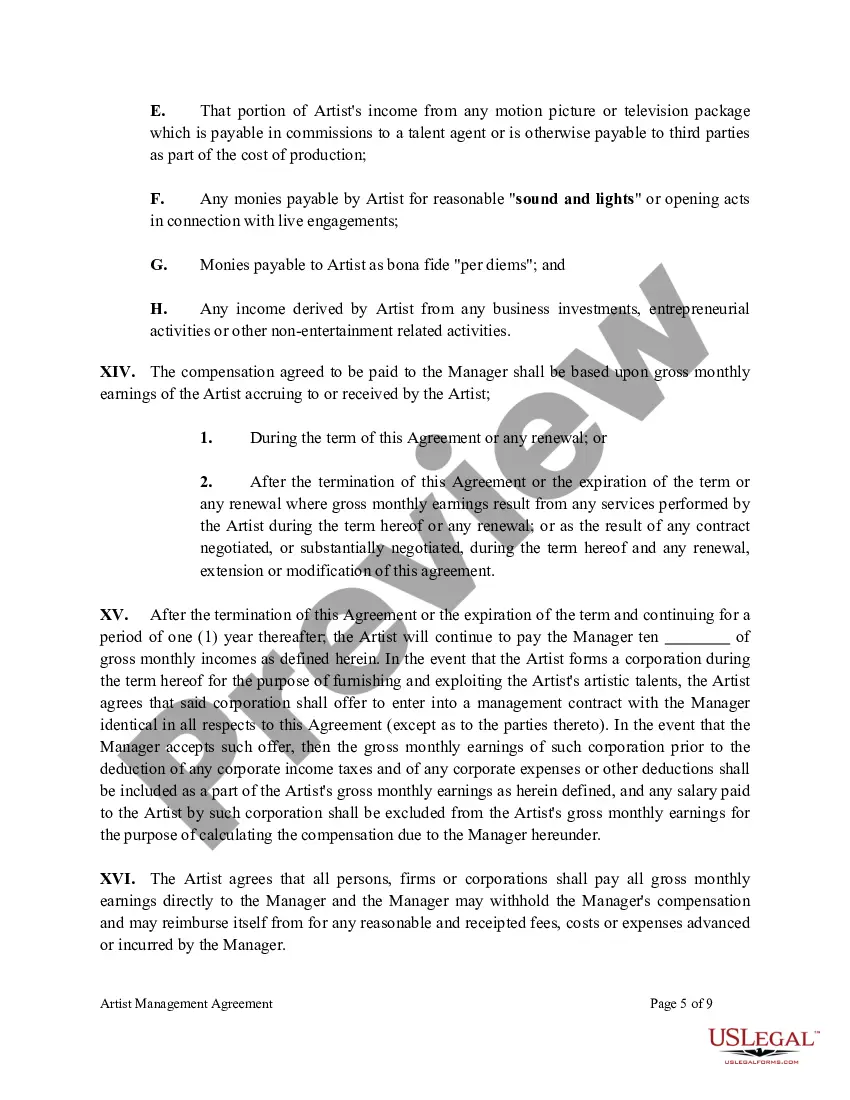
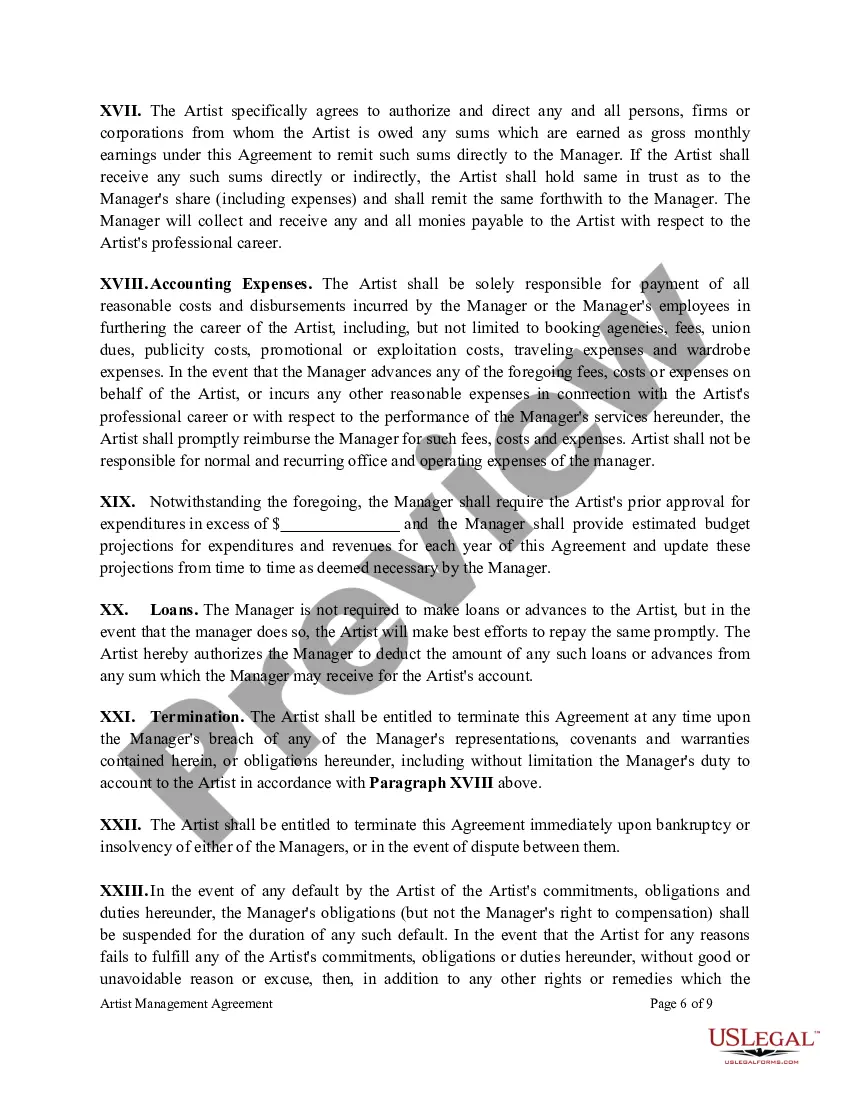
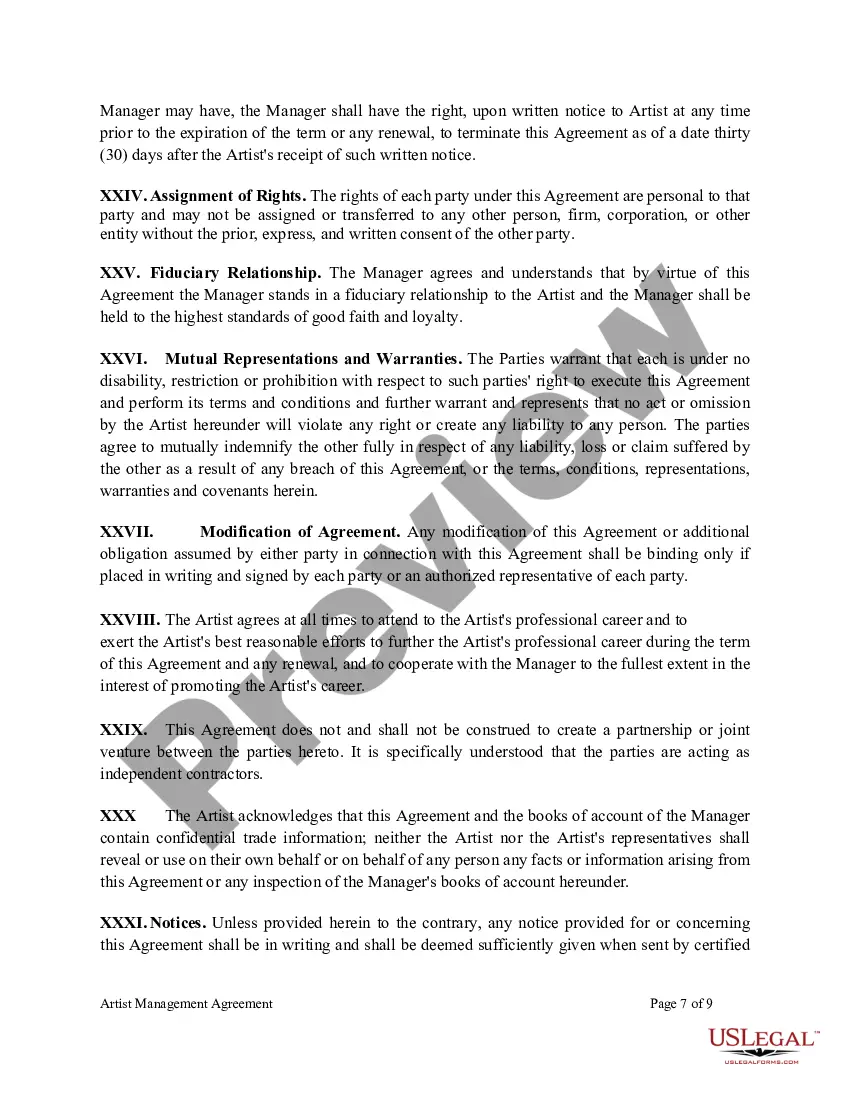
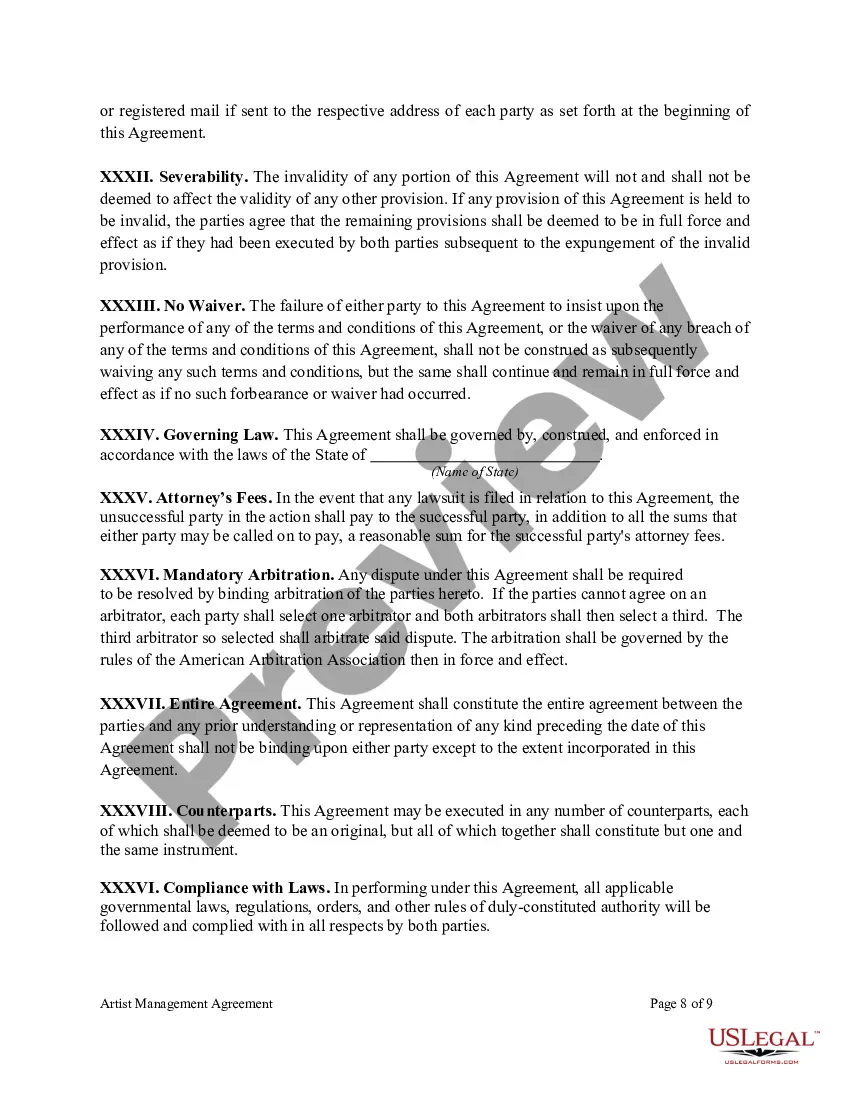

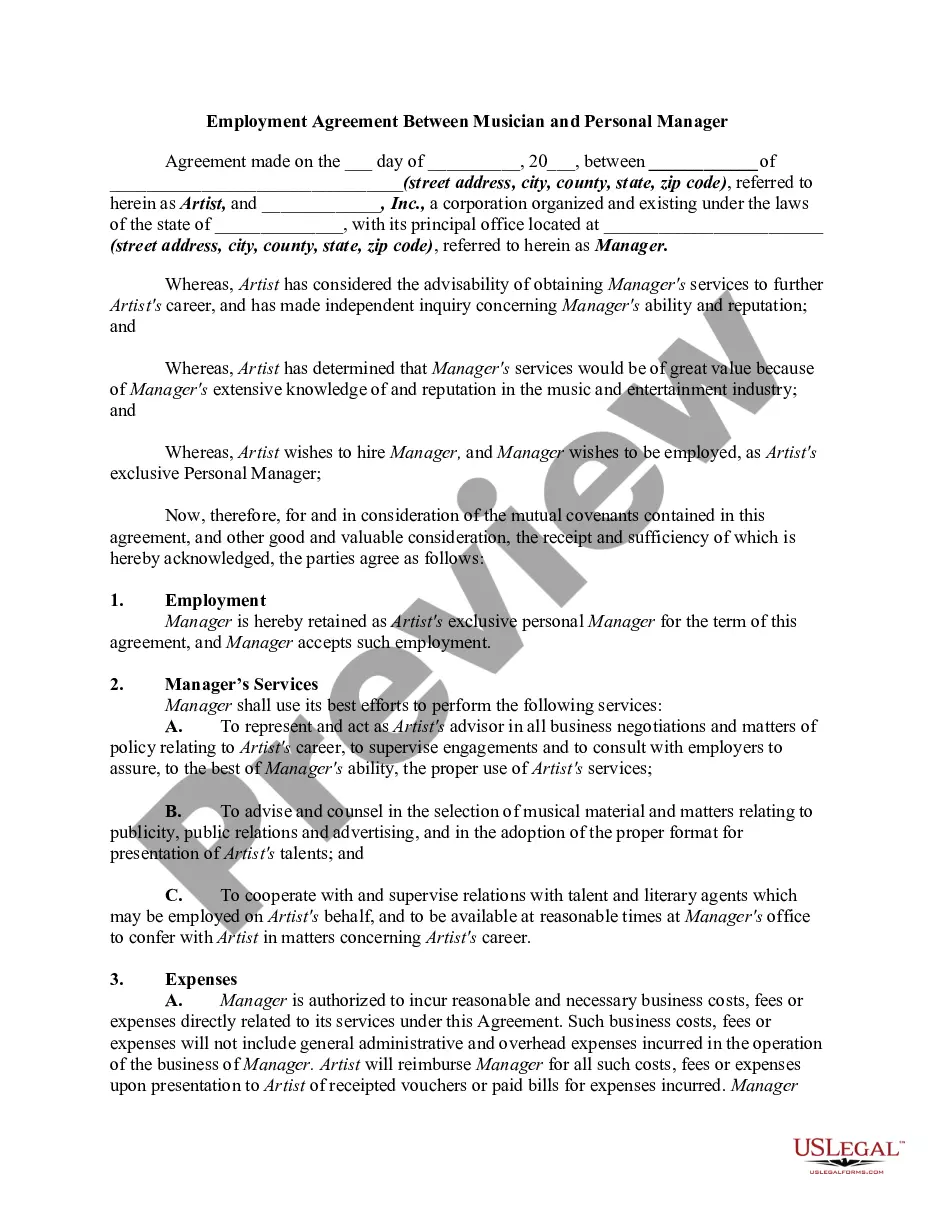
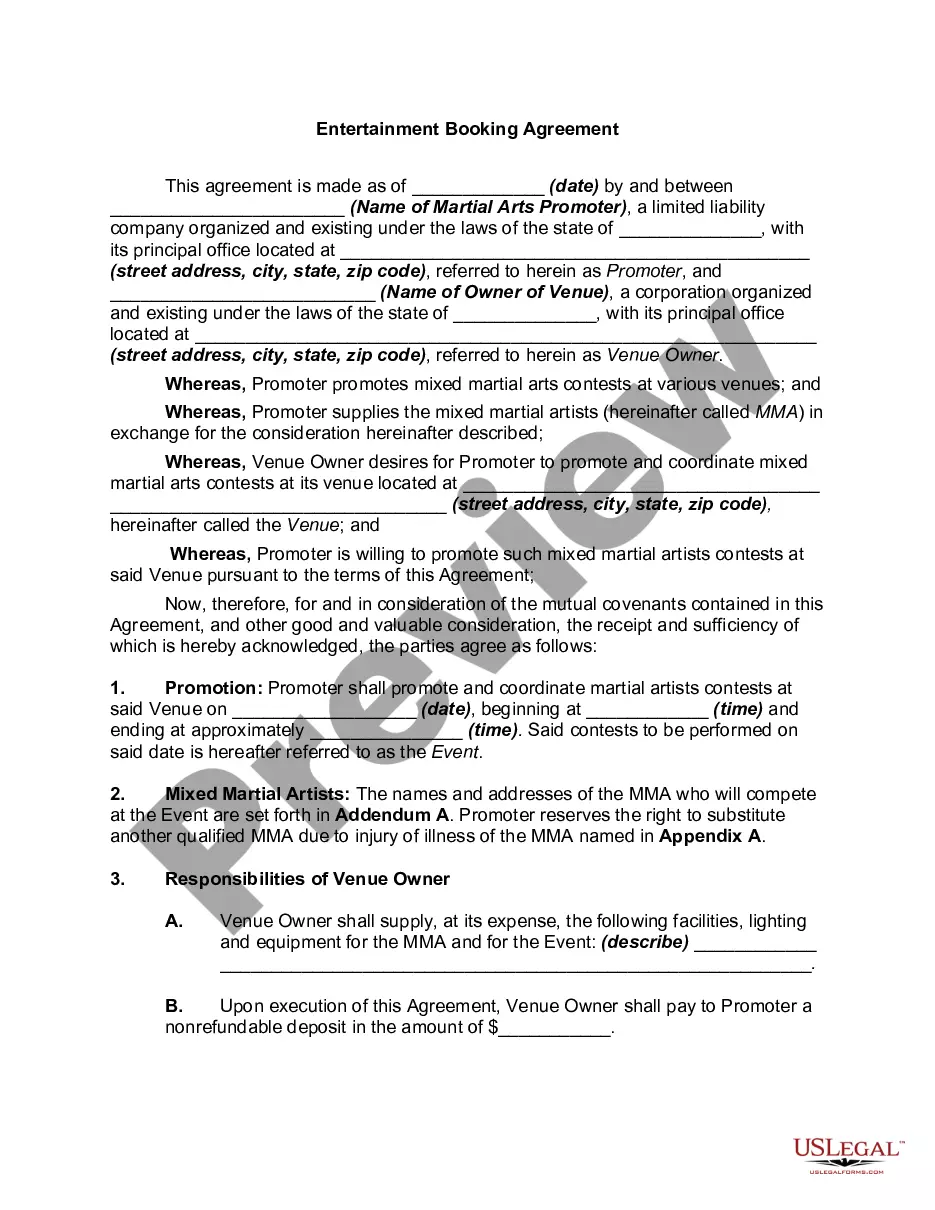
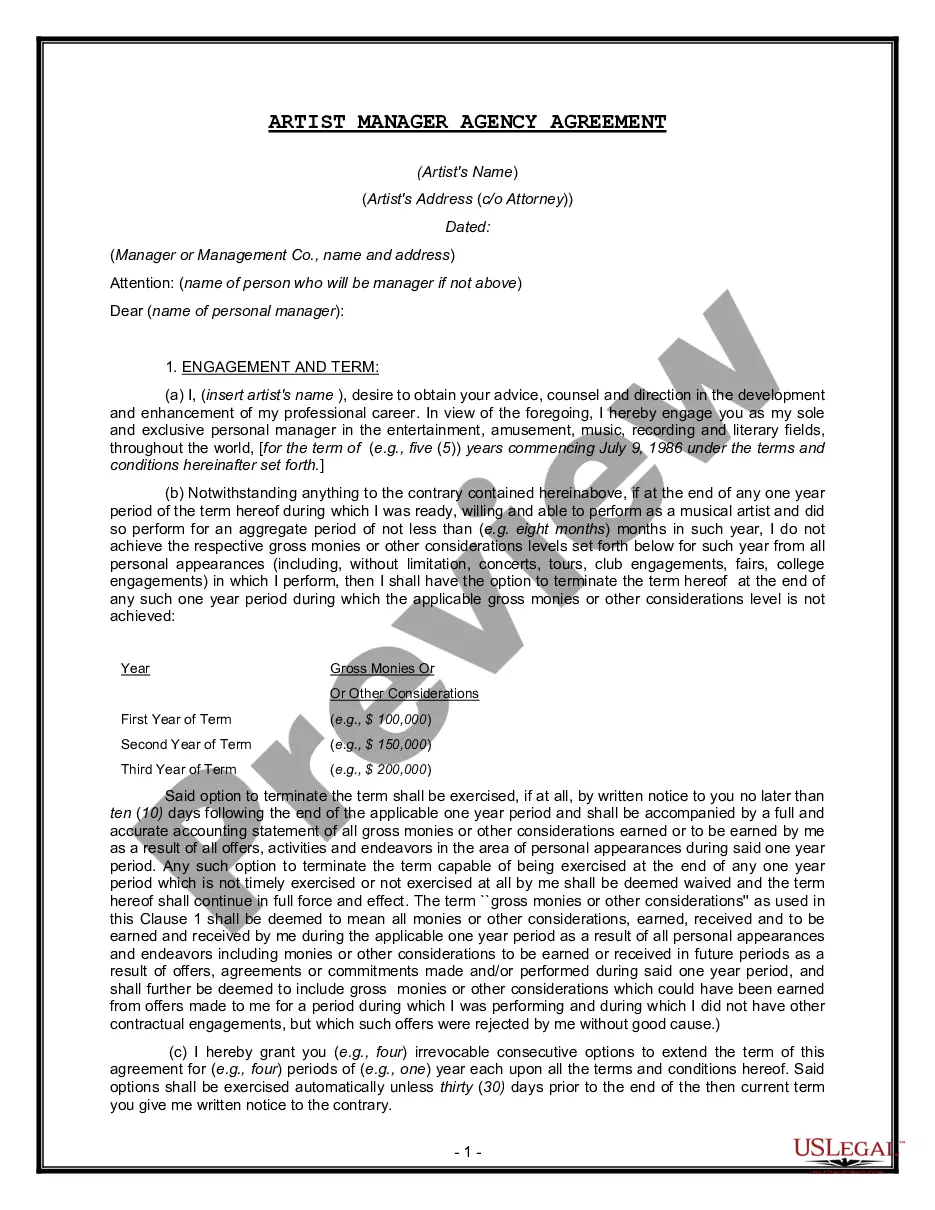
Get your form ready online
Our built-in tools help you complete, sign, share, and store your documents in one place.
Make edits, fill in missing information, and update formatting in US Legal Forms—just like you would in MS Word.
Download a copy, print it, send it by email, or mail it via USPS—whatever works best for your next step.
Sign and collect signatures with our SignNow integration. Send to multiple recipients, set reminders, and more. Go Premium to unlock E-Sign.
If this form requires notarization, complete it online through a secure video call—no need to meet a notary in person or wait for an appointment.
We protect your documents and personal data by following strict security and privacy standards.

Make edits, fill in missing information, and update formatting in US Legal Forms—just like you would in MS Word.

Download a copy, print it, send it by email, or mail it via USPS—whatever works best for your next step.

Sign and collect signatures with our SignNow integration. Send to multiple recipients, set reminders, and more. Go Premium to unlock E-Sign.

If this form requires notarization, complete it online through a secure video call—no need to meet a notary in person or wait for an appointment.

We protect your documents and personal data by following strict security and privacy standards.
Looking for another form?









Form popularity
FAQ
How to create a Music Recording Contract Step 1: Specify where you're creating the Music Recording Contract. Step 2: Provide the recording company's and artist's details. Step 3: Outline the production details. Step 4: Outline the recording details. Step 5: Decide if the contract will include an exclusive agreement clause.
A common split of the profit is an equal 50/50 split between the label and artist, but a higher split may be agreed in favour of either party. The label will traditionally cover all or most costs upfront.
Ok, good. This week, major labels banded together to unveil a revolutionary new type of record deal: the 720 deal. It follows the same basic principles as the 360 deal, but with one groundbreaking twist: record labels are now also allowed to take a cut out of the incomes of family members of signed musicians.
As helpful as natural talent can be, to secure a record deal you're going to also need a strong marketing strategy, a lot of perseverance and determination, and a clear understanding of the music industry landscape.
It outlines the terms and conditions of the artist's recording and distribution of music. This contract specifies the rights and responsibilities of both parties, including details about the production, promotion, and financial aspects of the music released under the label.
A Music Recording Contract is a legal agreement between a music recording company and an artist or group that creates music. Recording companies use the contract to outline the terms for creating recorded music with the artist. Your Music Recording Contract should cover details like: Compensation and royalties.
Whether a record label needs an LLC depends on its size, goals, and risk tolerance. While not mandatory, an LLC offers personal liability protection for owners, enhances credibility, and provides a clear legal structure. Smaller labels may consider budget constraints, annual fees and risk exposure before deciding.
Your record label LLC may require specific permits and licenses to operate legally. At the basic level, you might need a general business license, which gives you the right to operate in your city, county, or state. That said, many record label LLCs don't need a general business license at all.
How to create a Music Recording Contract Step 1: Specify where you're creating the Music Recording Contract. Step 2: Provide the recording company's and artist's details. Step 3: Outline the production details. Step 4: Outline the recording details. Step 5: Decide if the contract will include an exclusive agreement clause.
How to get signed by a record label Define your sound. Build your online presence. Release high-quality music. Develop your industry network. Submit your music. Music managers and music lawyers.
