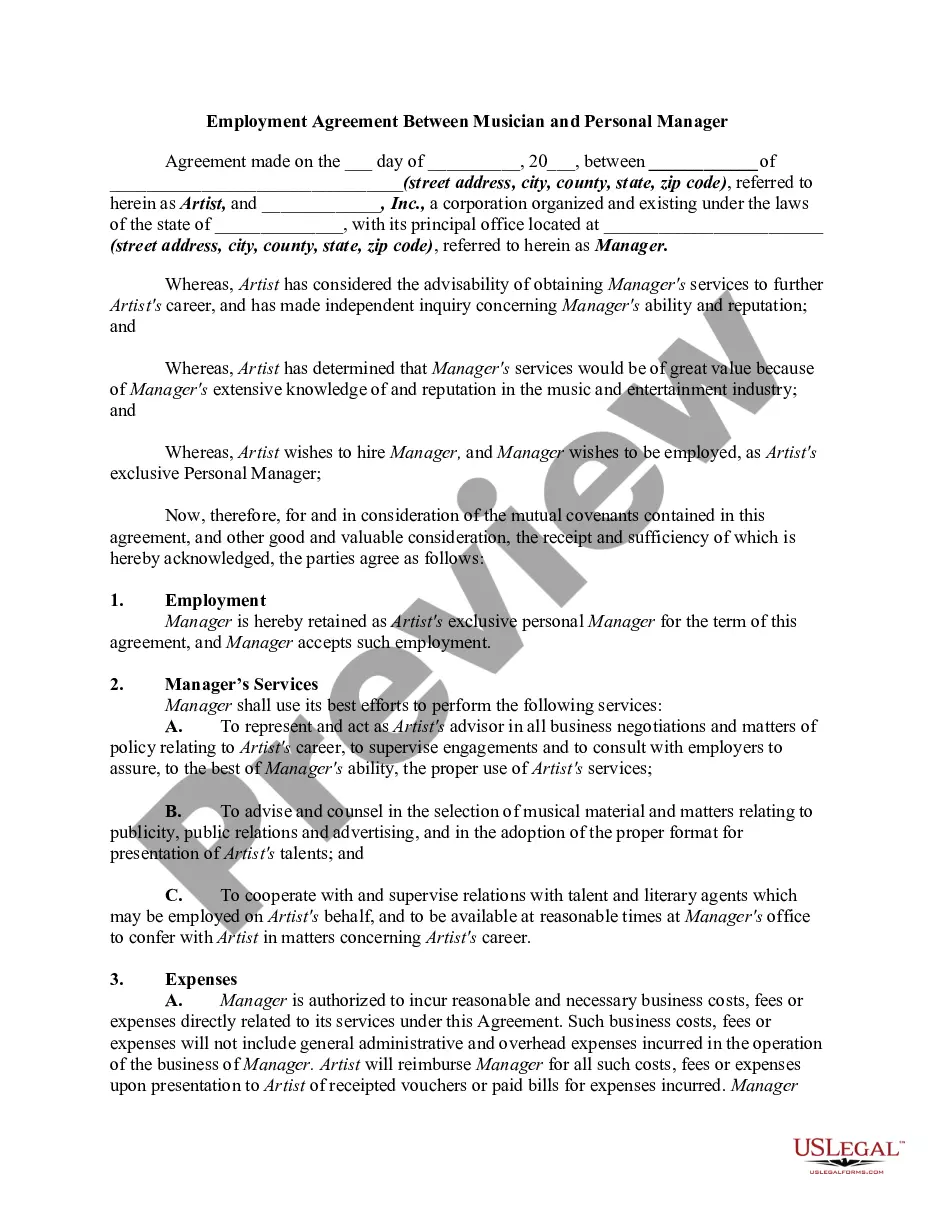
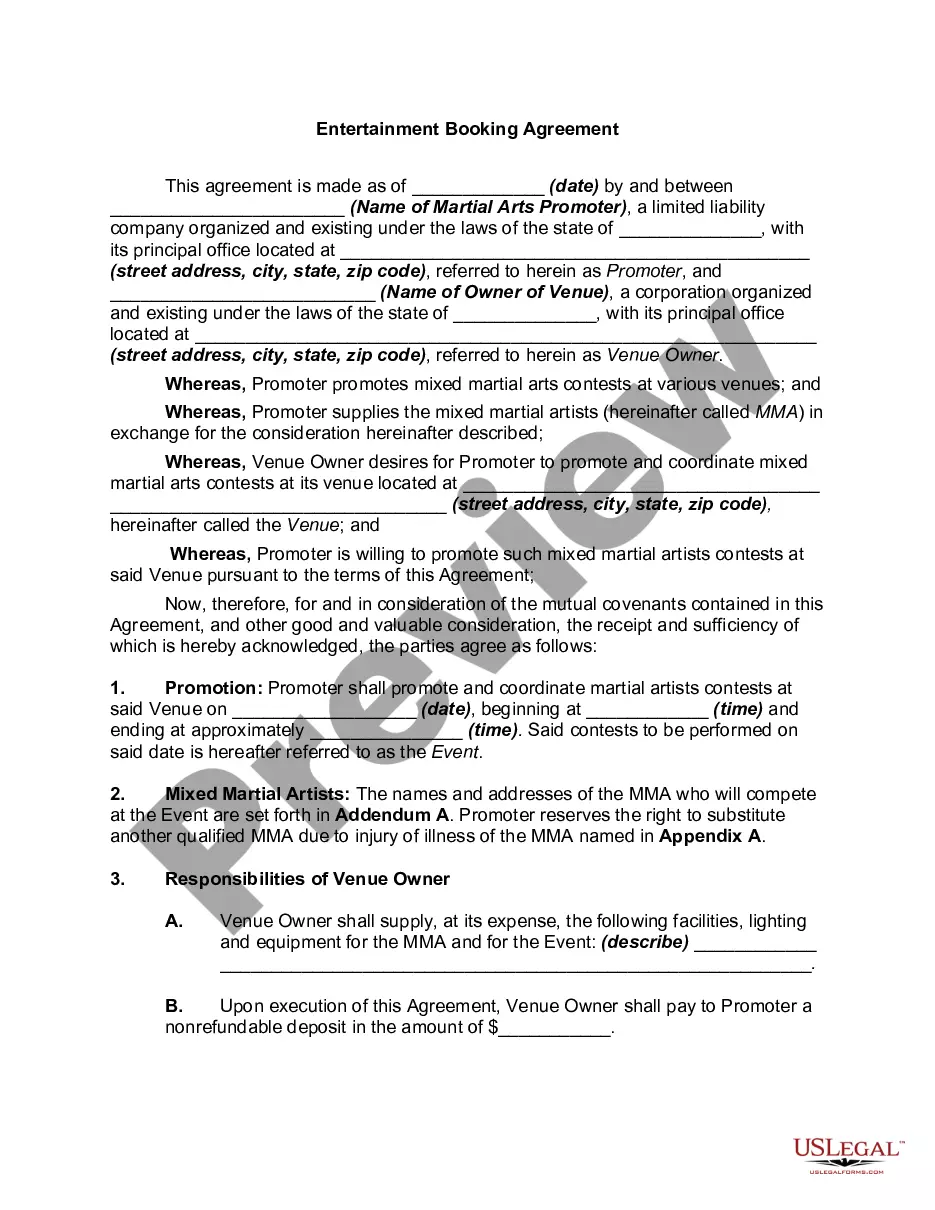
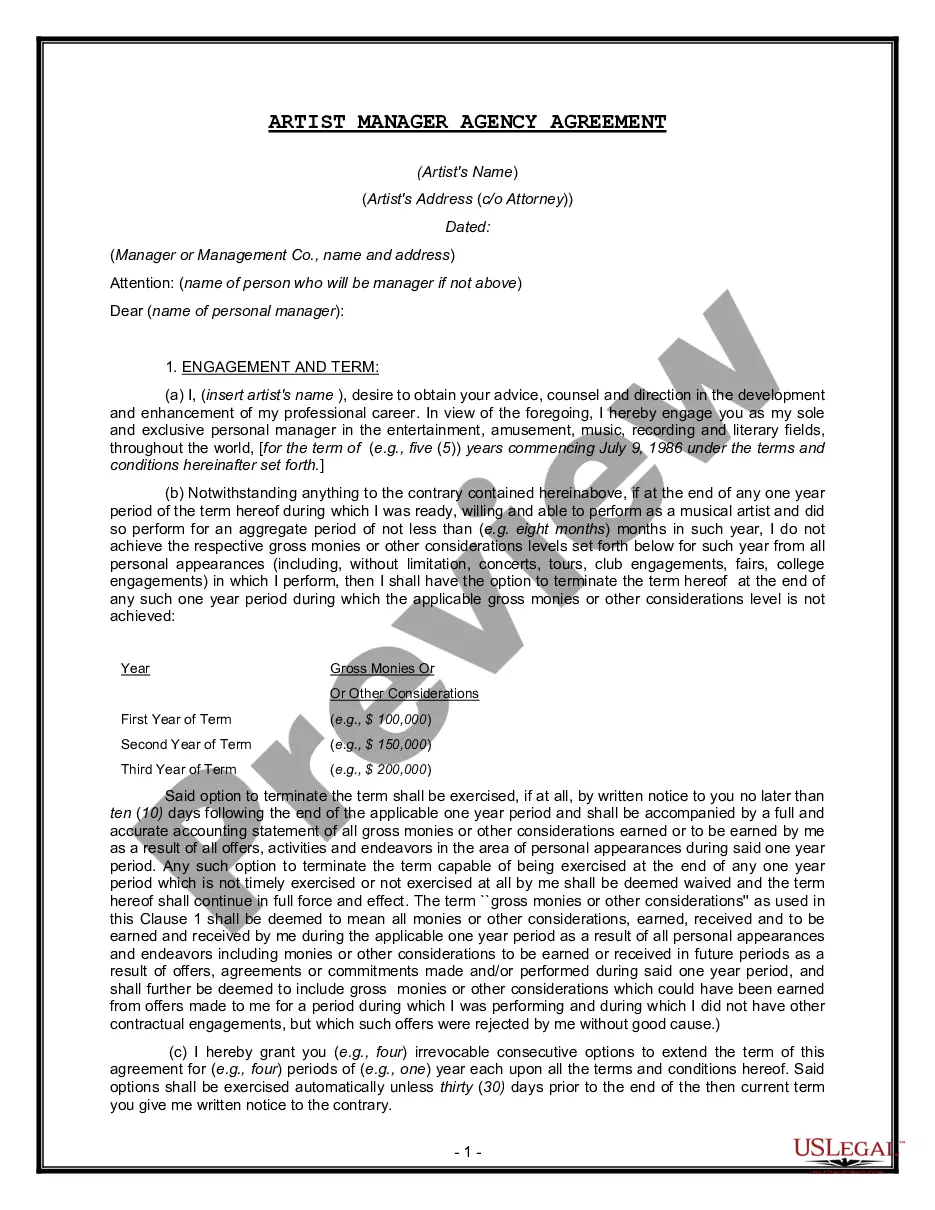
Talent Management Contract For Employees In Texas
Description









Get your form ready online
Our built-in tools help you complete, sign, share, and store your documents in one place.
Make edits, fill in missing information, and update formatting in US Legal Forms—just like you would in MS Word.
Download a copy, print it, send it by email, or mail it via USPS—whatever works best for your next step.
Sign and collect signatures with our SignNow integration. Send to multiple recipients, set reminders, and more. Go Premium to unlock E-Sign.
If this form requires notarization, complete it online through a secure video call—no need to meet a notary in person or wait for an appointment.
We protect your documents and personal data by following strict security and privacy standards.

Make edits, fill in missing information, and update formatting in US Legal Forms—just like you would in MS Word.

Download a copy, print it, send it by email, or mail it via USPS—whatever works best for your next step.

Sign and collect signatures with our SignNow integration. Send to multiple recipients, set reminders, and more. Go Premium to unlock E-Sign.

If this form requires notarization, complete it online through a secure video call—no need to meet a notary in person or wait for an appointment.

We protect your documents and personal data by following strict security and privacy standards.
Looking for another form?






Form popularity
FAQ
The earnings of a talent manager can vary widely based on individual agreements with their clients. Typically, talent managers receive a percentage of their client's earnings, commonly ranging from 10% to 20%. The exact percentage depends on the specific terms negotiated between the talent manager and the client.
Management agreements usually have a term between one and five years. The agreement can also provide for automatic renewals or extensions of the initial term. With agency contracts, the duration of most initial agreements is between one and three years.
This contract outlines the terms and conditions under which the talent agency will represent the talent and seek out opportunities for them to work in their industry. Talent agency contracts are common in the entertainment industry and are designed to protect the interests of both the talent and the agency.
A talent manager typically doesn't receive a regular salary. Instead, they earn a commission when the client books a job.
Managers' commissions are typically between 15 to 20% of an artist's gross income. Whether it's 15% or 20% really depends on the level of the band and the bargaining power of each party. I've seen some net deals, but they are extremely rare. That being said, I always push for a net commission on merchandise.
A talent manager will receive a 15 percent commission on all bookings. This means that if you are working with both a manager and an agent, 25% of your earnings will go to representation.
How to become a talent manager Earn your degree. Many employers might require you to earn a high school diploma, while others may prefer a bachelor's degree. Gain experience in the entertainment industry. Network with industry professionals. Determine your niche. Join an organization for support.
A talent agency contract is a legal agreement between a talent agency and a talent, such as an actor, musician, or model. This contract outlines the terms and conditions under which the talent agency will represent the talent and seek out opportunities for them to work in their industry.
Termination of Agency Contracts The Actor has notified the Agent in writing of his unavailability. The Actor is employed and is therefore unavailable. The Actor is unable to respond to a call for his services by reason of mental or physical incapacity.
Talent agreement means any Contract between a Company Entity or Company Subsidiary, on the one hand, and an individual actor, producer, director, host, judge, performer, athlete, writer or other talent or client, on the other hand.
