Artist Agreement Contract Template For Photography In Suffolk
Description


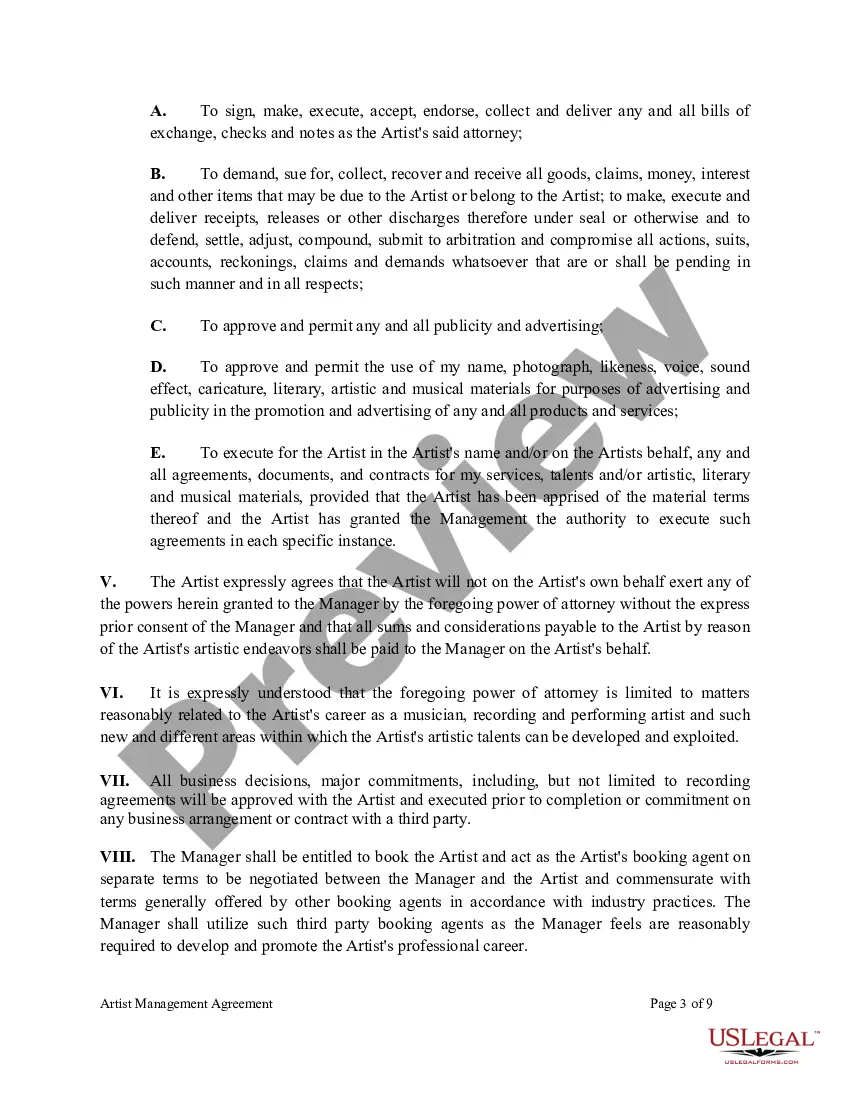

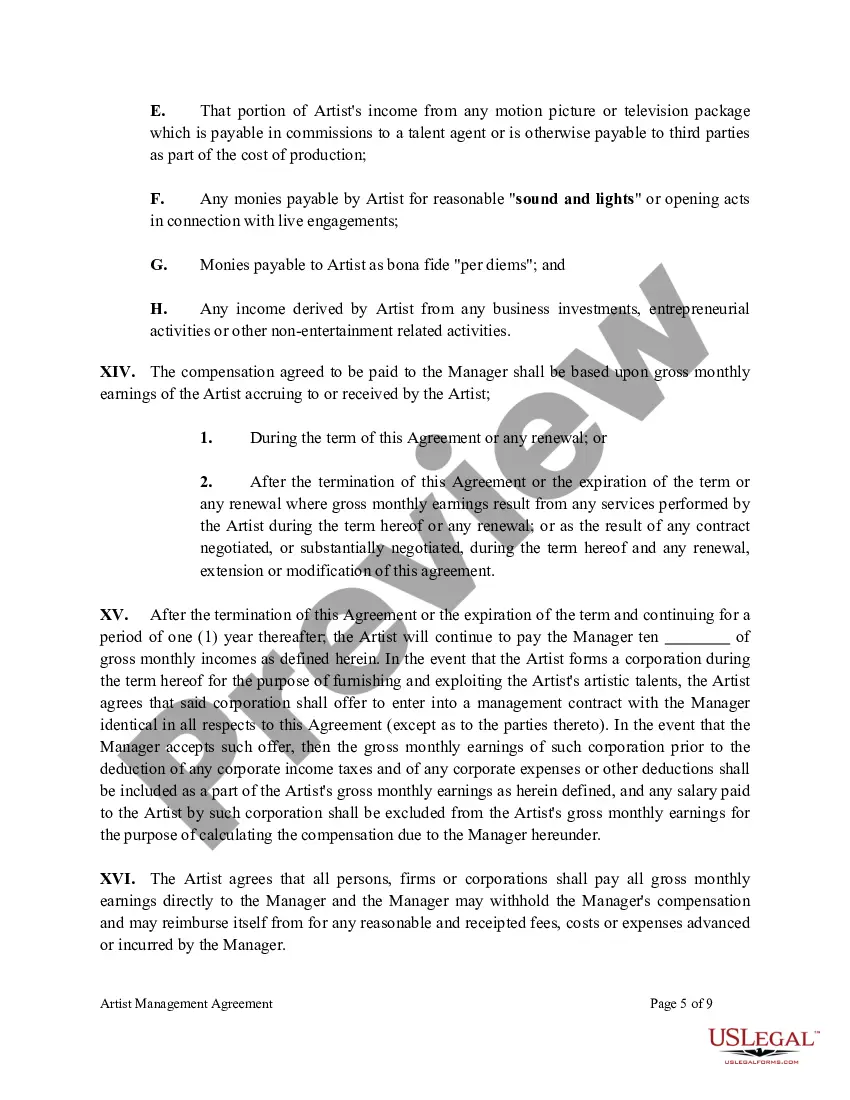

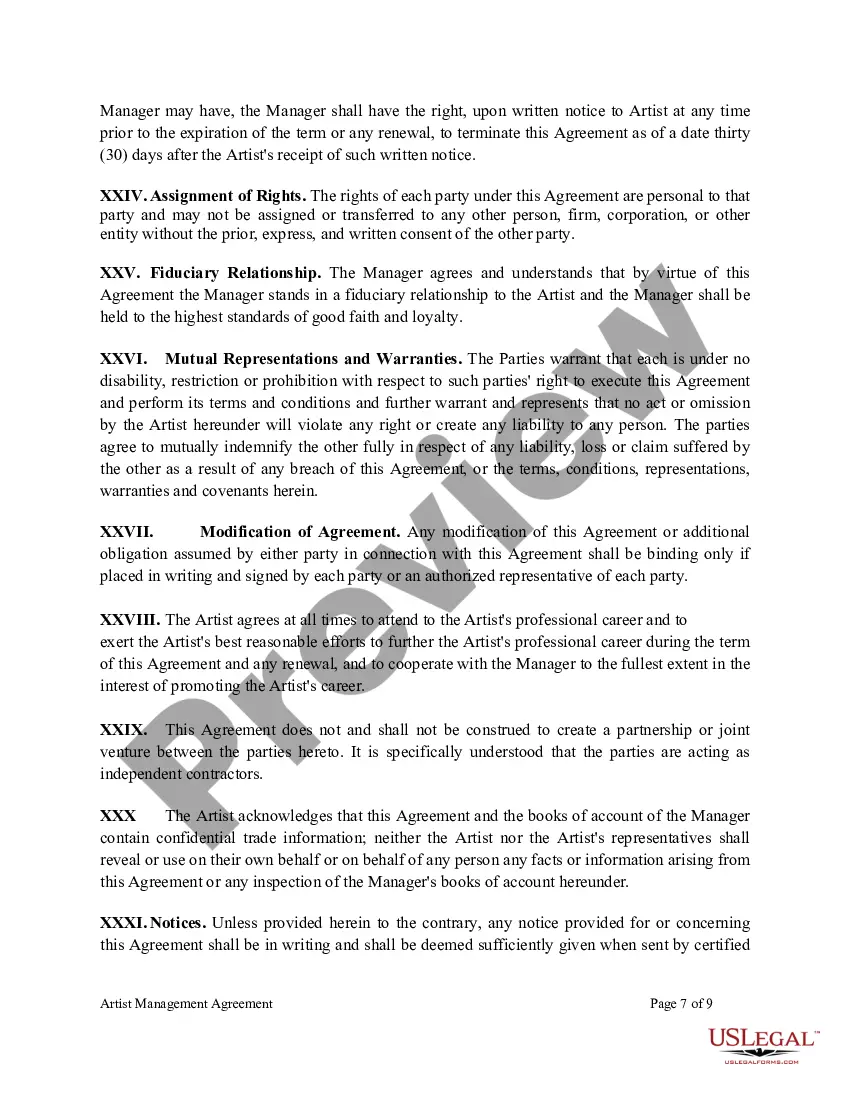
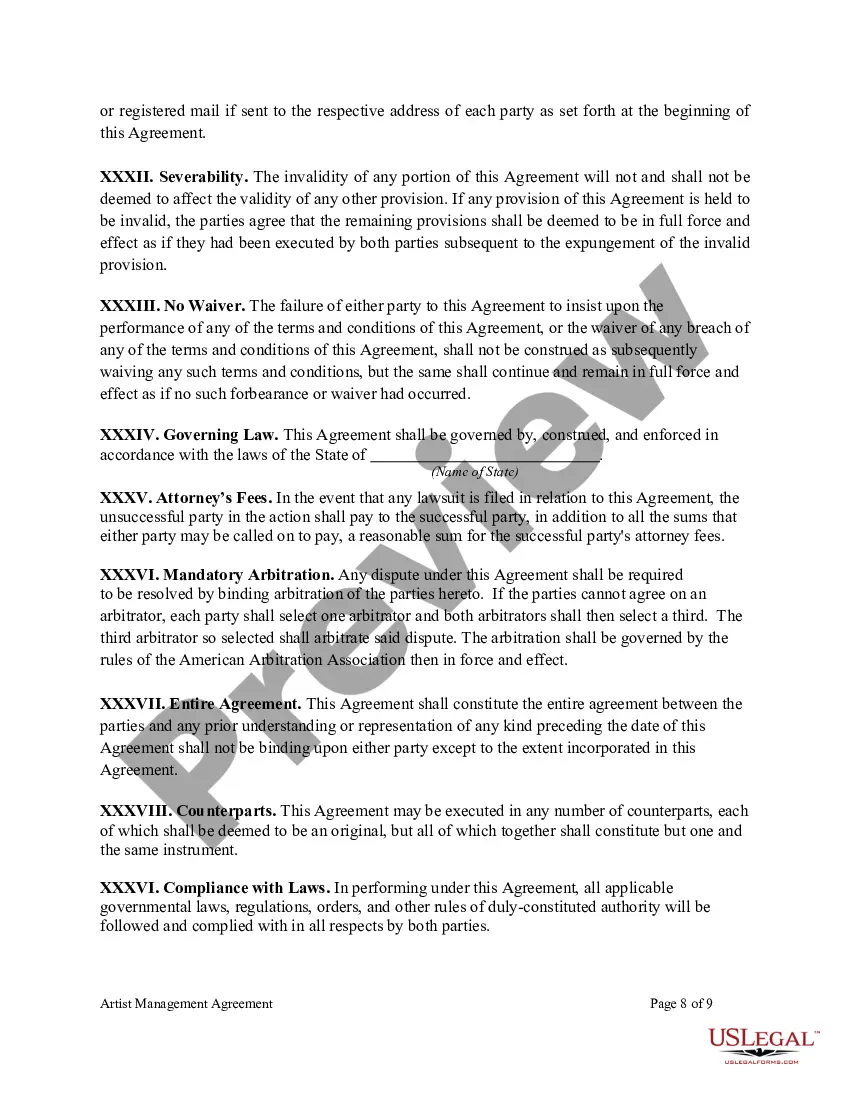



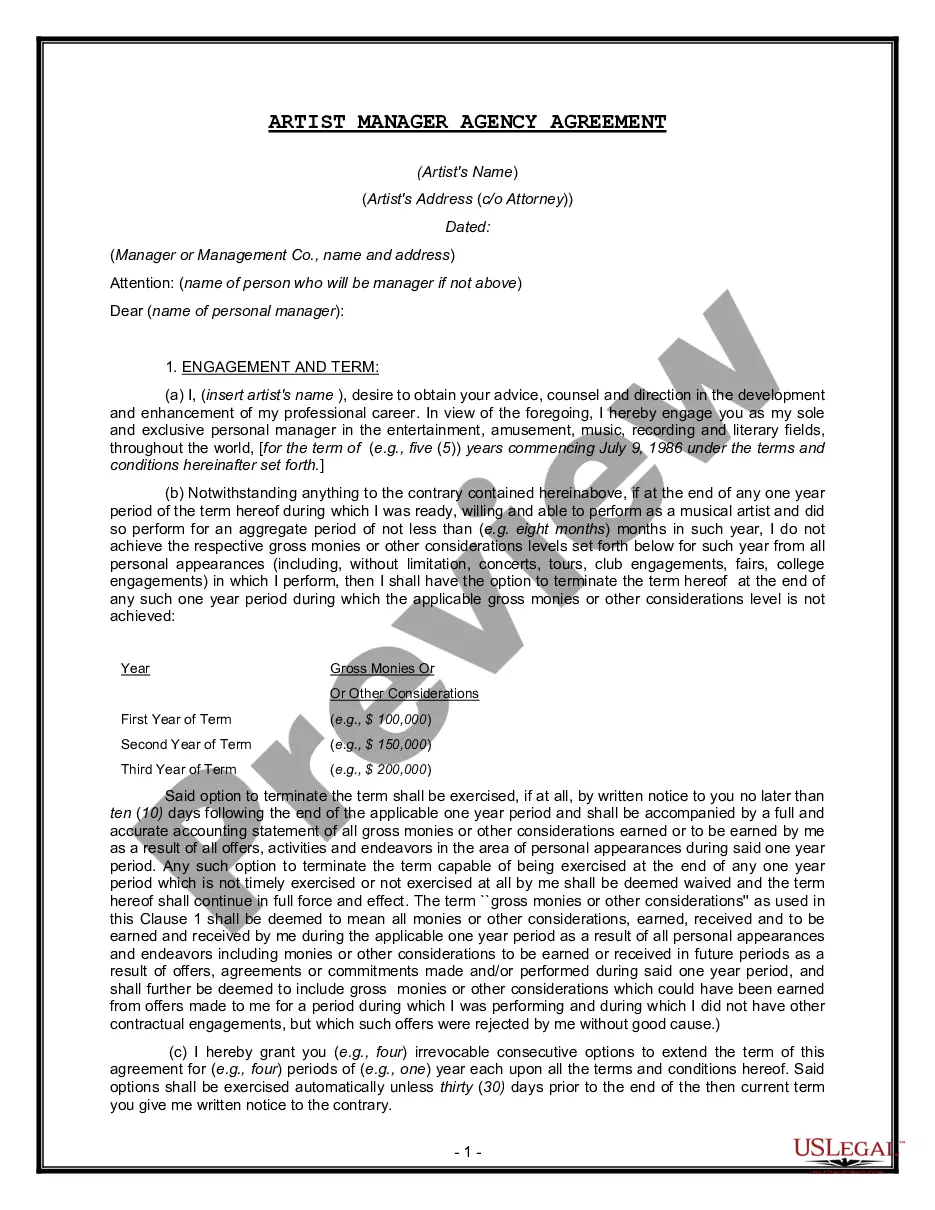
Get your form ready online
Our built-in tools help you complete, sign, share, and store your documents in one place.
Make edits, fill in missing information, and update formatting in US Legal Forms—just like you would in MS Word.
Download a copy, print it, send it by email, or mail it via USPS—whatever works best for your next step.
Sign and collect signatures with our SignNow integration. Send to multiple recipients, set reminders, and more. Go Premium to unlock E-Sign.
If this form requires notarization, complete it online through a secure video call—no need to meet a notary in person or wait for an appointment.
We protect your documents and personal data by following strict security and privacy standards.

Make edits, fill in missing information, and update formatting in US Legal Forms—just like you would in MS Word.

Download a copy, print it, send it by email, or mail it via USPS—whatever works best for your next step.

Sign and collect signatures with our SignNow integration. Send to multiple recipients, set reminders, and more. Go Premium to unlock E-Sign.

If this form requires notarization, complete it online through a secure video call—no need to meet a notary in person or wait for an appointment.

We protect your documents and personal data by following strict security and privacy standards.
Looking for another form?


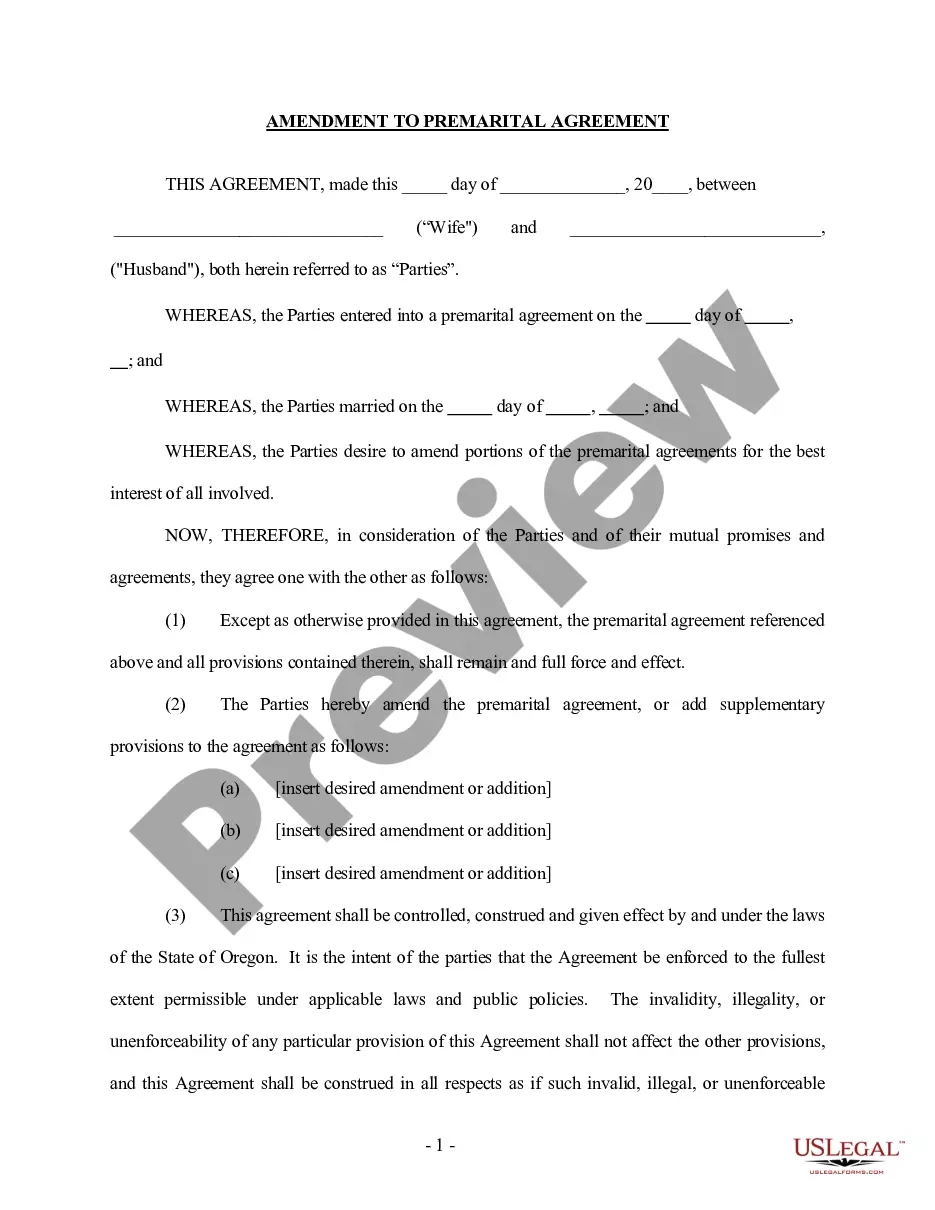






Form popularity
FAQ
14 Things to Include in Your Photography Contract Parties to the contract. This section states who the parties to the contract are, and includes everyone's contact information. Scope and schedule. Permits. Deliverables. Copyright. Usage rights. Releases. Additional services.
A photography contract is legally binding, even if you write it yourself. As long as you and your client sign a contract that meets the basic requirements outlined by contract law, it is considered a legally binding contract. It's important to remember that a contract must be in writing and signed by both parties.
14 Things to Include in Your Photography Contract Parties to the contract. This section states who the parties to the contract are, and includes everyone's contact information. Scope and schedule. Permits. Deliverables. Copyright. Usage rights. Releases. Additional services.
If you want to sue for breach of contract, you will need to show that a contract existed. Do the emails or text back up your claim? Is it worth your time and energy chasing this? You should also know that there are some contracts that need to be in writing in order to be enforced, and you need to know about those!
Yes, you can write your own contract. However, including all necessary elements is crucial to make it legally binding.
Write the contract in six steps Start with a contract template. Open with the basic information. Describe in detail what you have agreed to. Include a description of how the contract will be ended. Write into the contract which laws apply and how disputes will be resolved. Include space for signatures.
Here are the steps to write a letter of agreement: Title the document. Add the title at the top of the document. List your personal information. Include the date. Add the recipient's personal information. Address the recipient. Write an introduction paragraph. Write your body. Conclude the letter.
14 Things to Include in Your Photography Contract Parties to the contract. This section states who the parties to the contract are, and includes everyone's contact information. Scope and schedule. Permits. Deliverables. Copyright. Usage rights. Releases. Additional services.
Generally, to be legally valid, most contracts must contain two elements: All parties must agree about an offer made by one party and accepted by the other. Something of value must be exchanged for something else of value.
