Management Company Names In San Bernardino
Description

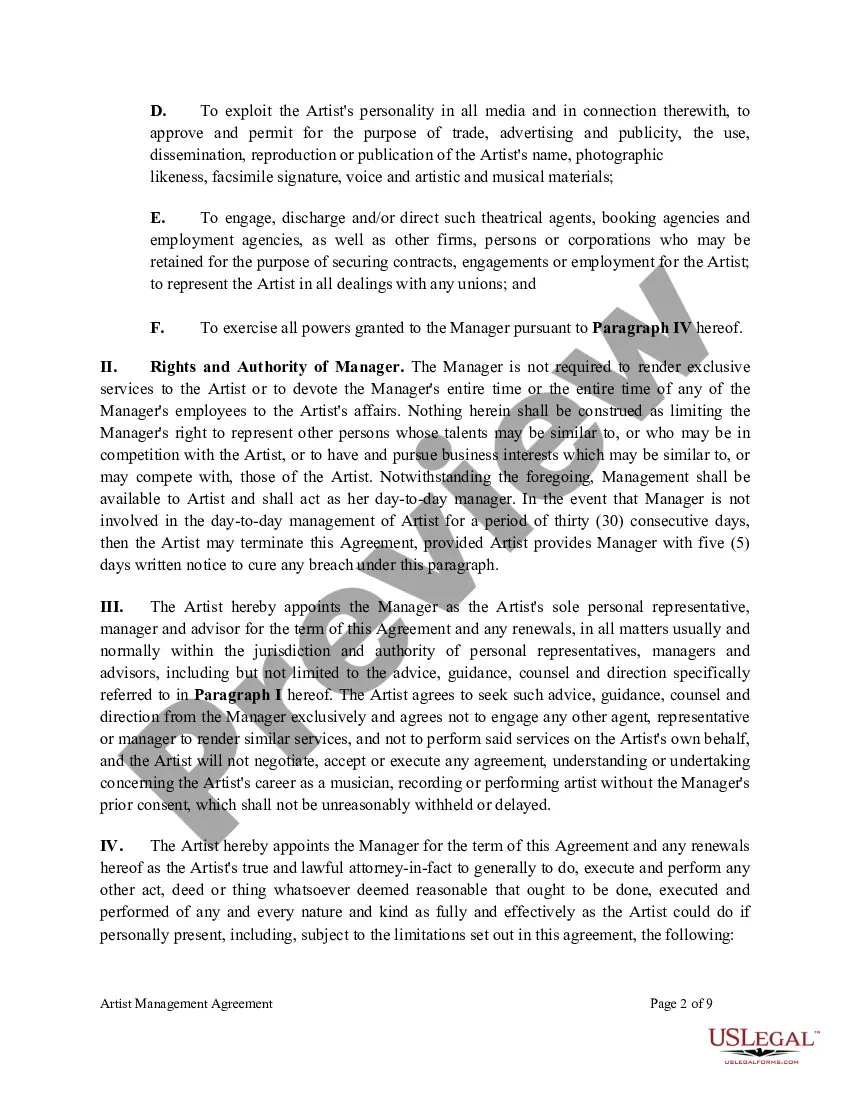
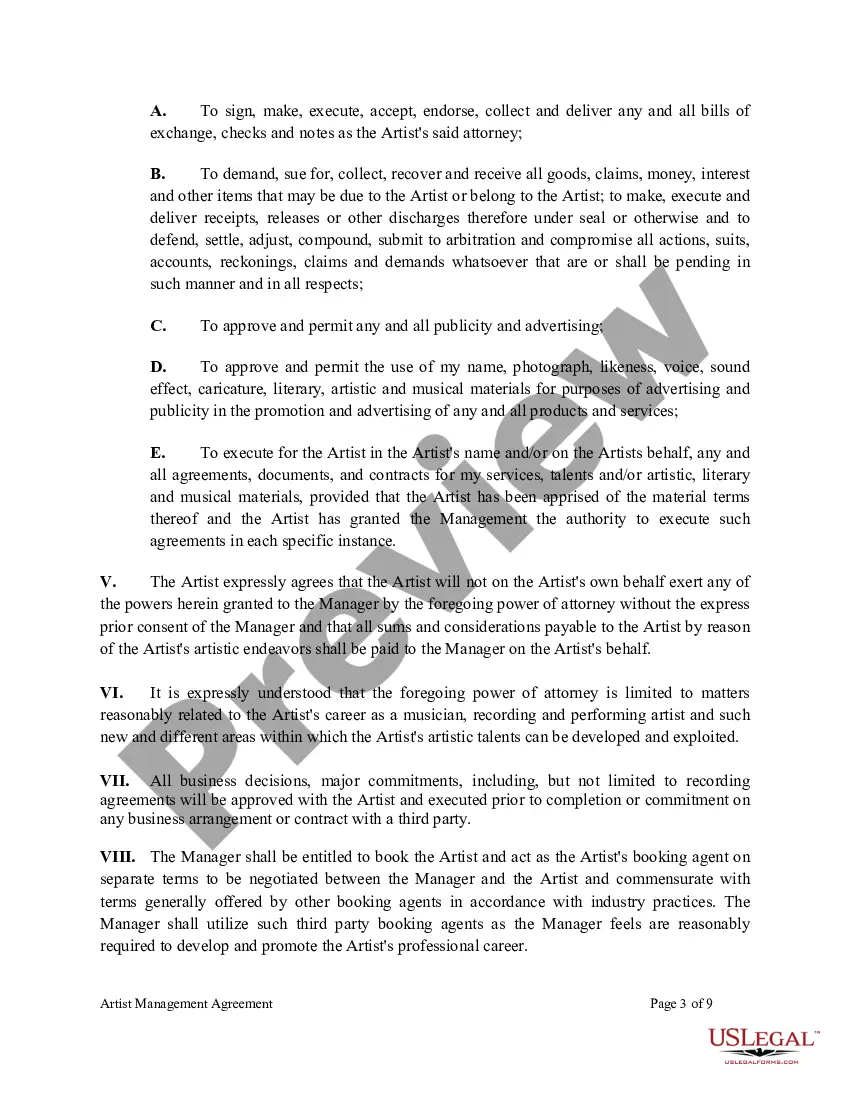
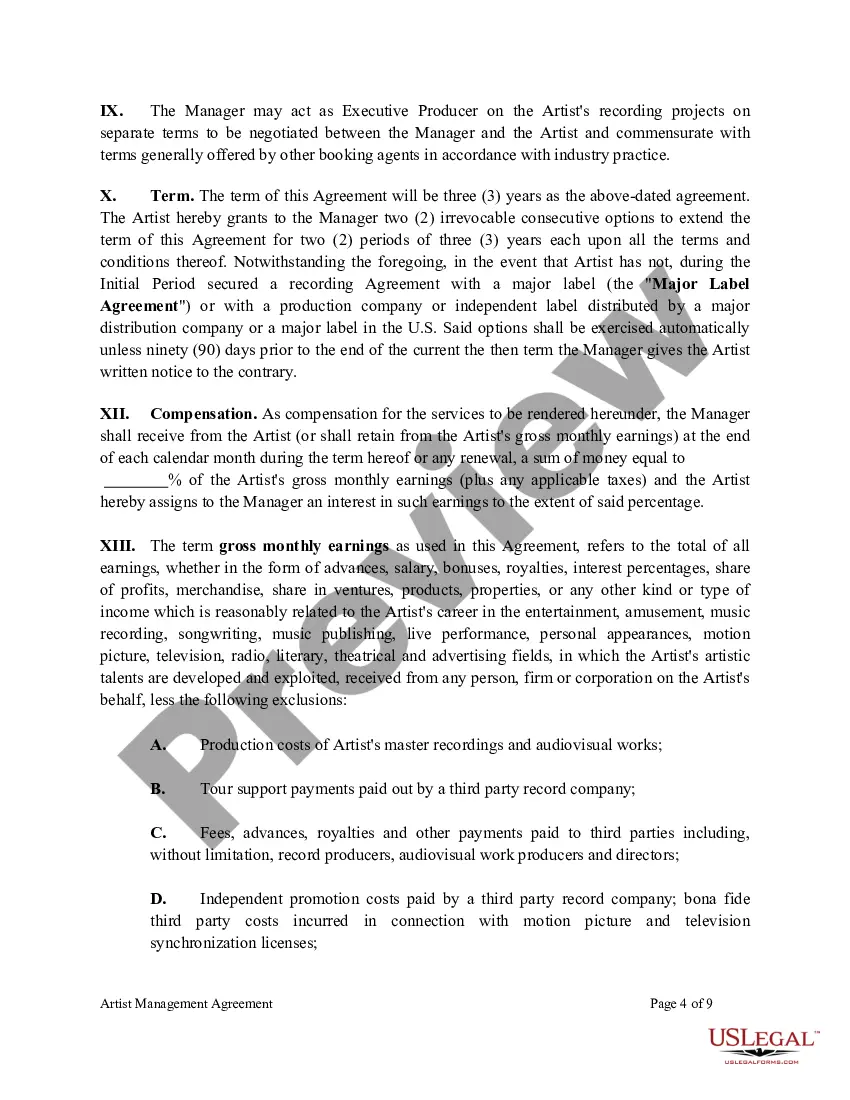
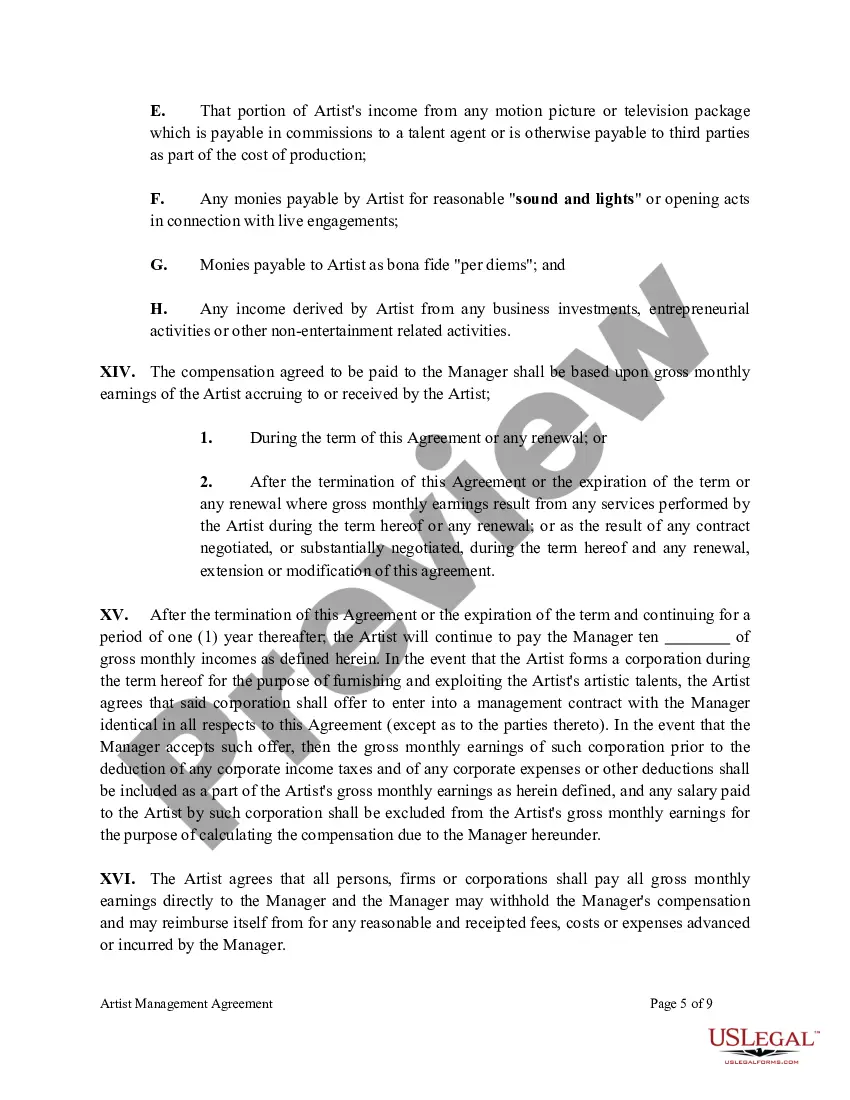
Get your form ready online
Our built-in tools help you complete, sign, share, and store your documents in one place.
Make edits, fill in missing information, and update formatting in US Legal Forms—just like you would in MS Word.
Download a copy, print it, send it by email, or mail it via USPS—whatever works best for your next step.
Sign and collect signatures with our SignNow integration. Send to multiple recipients, set reminders, and more. Go Premium to unlock E-Sign.
If this form requires notarization, complete it online through a secure video call—no need to meet a notary in person or wait for an appointment.
We protect your documents and personal data by following strict security and privacy standards.

Make edits, fill in missing information, and update formatting in US Legal Forms—just like you would in MS Word.

Download a copy, print it, send it by email, or mail it via USPS—whatever works best for your next step.

Sign and collect signatures with our SignNow integration. Send to multiple recipients, set reminders, and more. Go Premium to unlock E-Sign.

If this form requires notarization, complete it online through a secure video call—no need to meet a notary in person or wait for an appointment.

We protect your documents and personal data by following strict security and privacy standards.
Looking for another form?

Form popularity
FAQ
After filing the DBA with the county clerk, a public notice must be published in an approved newspaper to inform the public that the name is being used for business purposes. This notice must typically be published once a week for four consecutive weeks.
An individual or a business entity must file a fictitious business name (FBN) statement with the Registrar-Recorder/County Clerk's office in the county where the business will be located when the name of the business does not include the owner's last name.
A DBA (doing business as) or fictitious business name (FBN) statement allows sole proprietorships, partnerships, and LLCs to run under a name different from their registered name. You can be creative in choosing a business name, with which your company or brand will be known.
How long will it take? Up to 5 workdays to process your application. Publish the statement if required.
Under California state law, a DBA is referred to as a fictitious business name, or FBN. California sole proprietors, general partnerships, LLCs, and corporations can use a California DBA to establish a brand, increase brand awareness, and maintain their business's public image.
The Real Estate Law requires that a fictitious business name (also known as a DBA) must appear. on your broker or corporation license before the name may be used in conducting activities for. which a real estate license is required.
A fictitious business name, a DBA and an assumed business name are all labels that are routinely bandied about when it comes to what you should be calling your company. The big secret? They are all essentially the same, with no real difference between them.
A fictitious business name statement (known as Doing Business As or DBA) must be registered with the city and/or county clerk in the county of the registrant's principal place of business if the business is: A sole proprietorship doing business under a name not containing the owner's surname.
Business entity filing is not necessary for sole proprietors, but if you intend to form a corporation, limited liability company or partnership, you must file with the California Secretary of State (SOS).
O A business with 100 or fewer employees; an average annual gross receipts of $15 million or less, over the last three tax years; o A manufacturer with 100 or fewer employees; or, o A microbusiness.
