Sample Management Contract With Recitals In Salt Lake
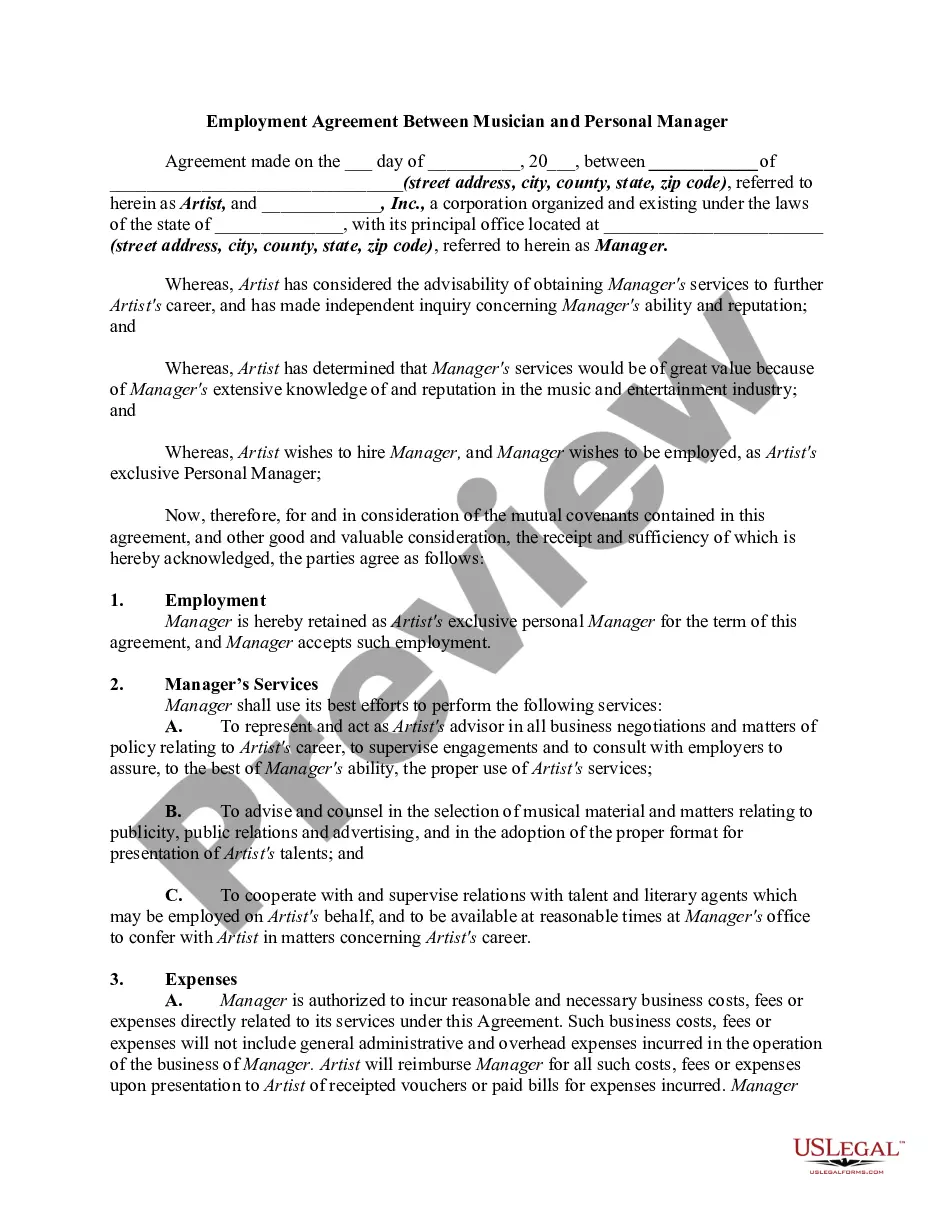
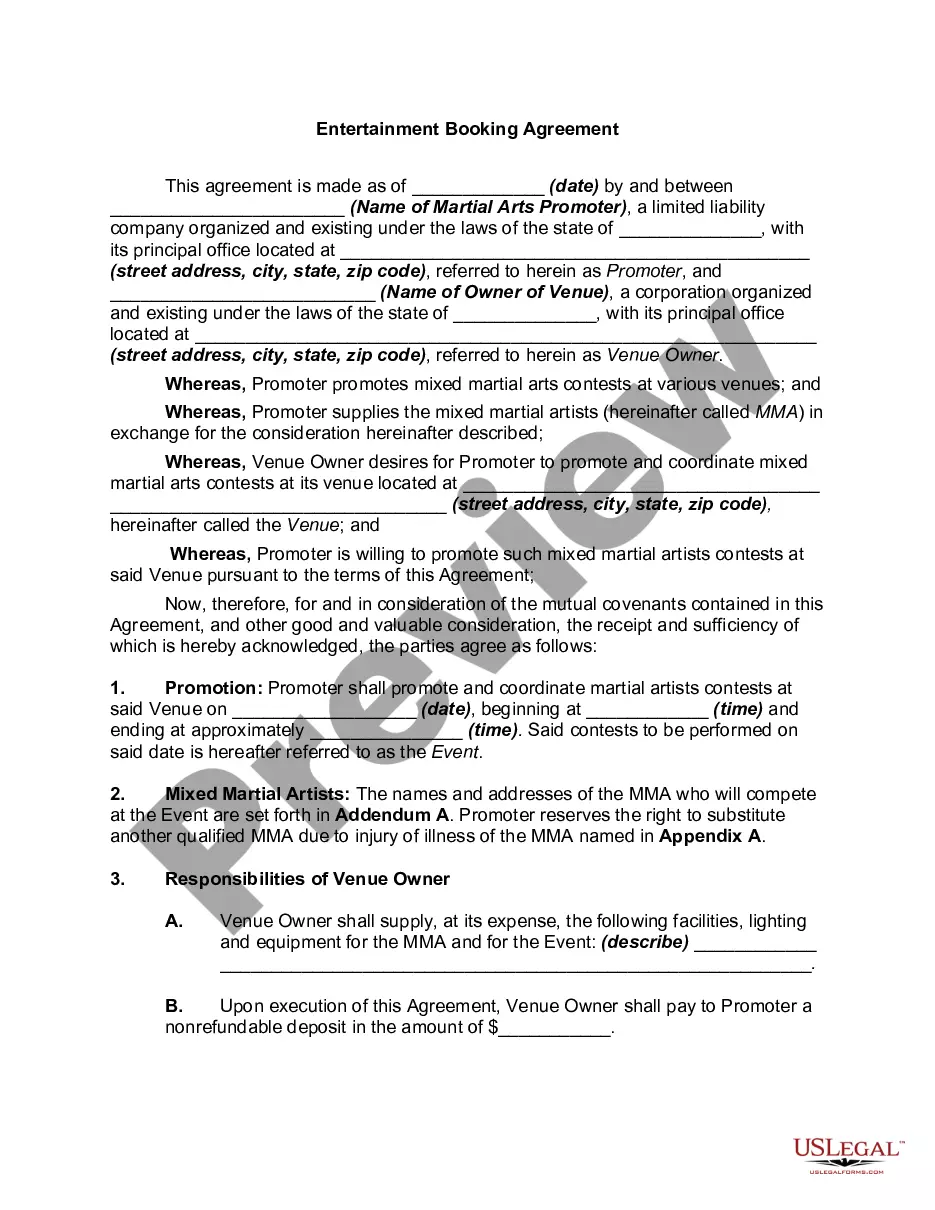
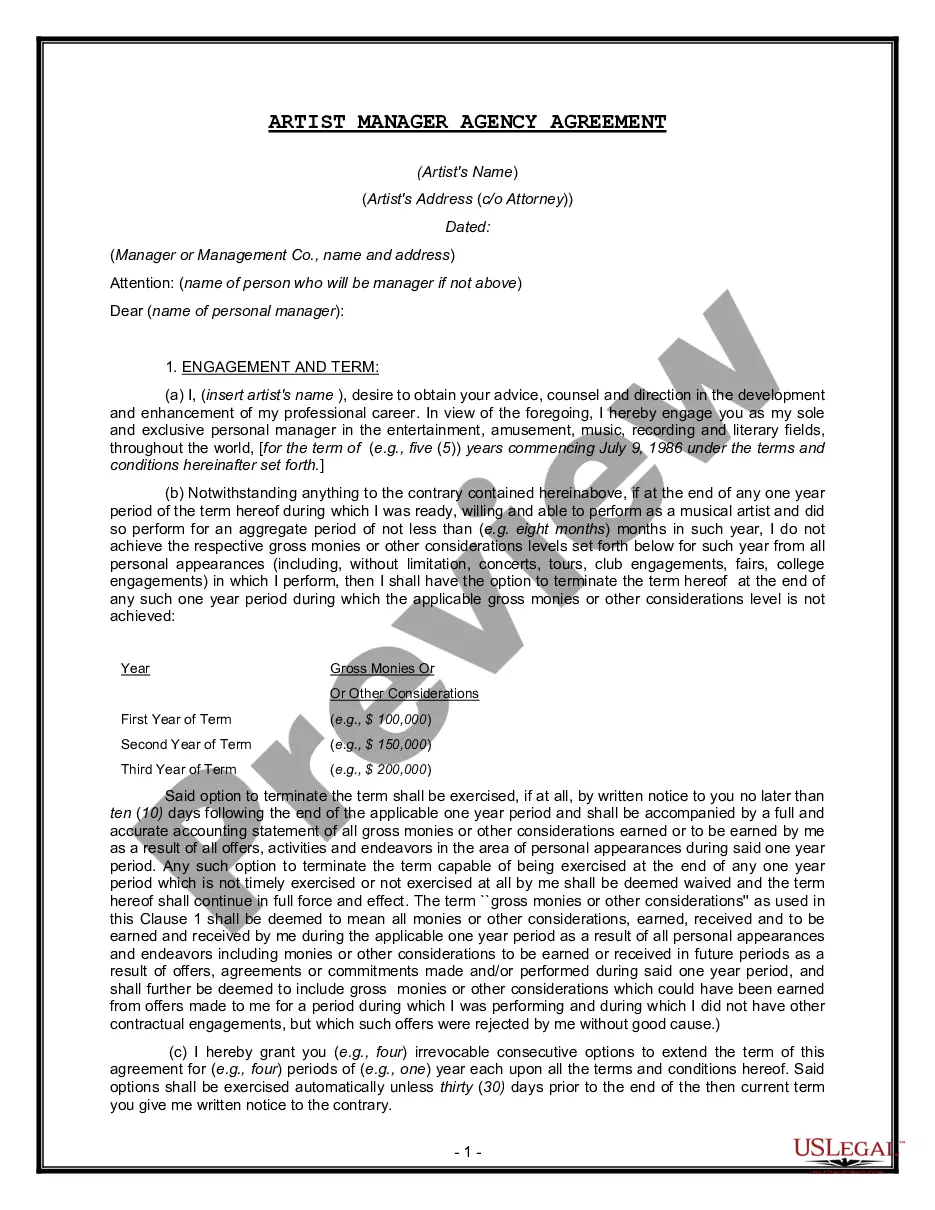
Description









Get your form ready online
Our built-in tools help you complete, sign, share, and store your documents in one place.
Make edits, fill in missing information, and update formatting in US Legal Forms—just like you would in MS Word.
Download a copy, print it, send it by email, or mail it via USPS—whatever works best for your next step.
Sign and collect signatures with our SignNow integration. Send to multiple recipients, set reminders, and more. Go Premium to unlock E-Sign.
If this form requires notarization, complete it online through a secure video call—no need to meet a notary in person or wait for an appointment.
We protect your documents and personal data by following strict security and privacy standards.

Make edits, fill in missing information, and update formatting in US Legal Forms—just like you would in MS Word.

Download a copy, print it, send it by email, or mail it via USPS—whatever works best for your next step.

Sign and collect signatures with our SignNow integration. Send to multiple recipients, set reminders, and more. Go Premium to unlock E-Sign.

If this form requires notarization, complete it online through a secure video call—no need to meet a notary in person or wait for an appointment.

We protect your documents and personal data by following strict security and privacy standards.
Looking for another form?







Form popularity
FAQ
Writing Strong Recitals Clear Purpose. Write specific goals. Connect directly to main contract sections. Keep terminology consistent throughout. Essential Background. Focus on what matters legally. Present events in order. Reference critical documents. Party Details. Use exact legal names. Clarify each party's role.
Write the name of the contract at the top of the page. Follow with the names or company names of all parties, in this format: This agreement is between ____ and ____. Contracts involving a business should include the business' full legal name, including descriptions such as “Ltd.” or “Inc.”
Recitals are typically found after the parties' section and contain a series of sentences that when clearly drafted can provide: context to the contract; explanation of intent; and. guidance on interpretation.
Almost always, recitals occur at the beginning of a written contract and can be considered like a preamble or an explanation. The recitals generally identify the parties to the contract in their specific and correct legal form. For example, corporations — like people — have a specific legal name.
"During the Term, he shall devote substantially all of his business time to the performance of his duties under this Agreement, and shall perform such duties diligently, in good faith and in a manner consistent with the best interests of the Company."
Among the contract terms that too many people skip over are the “contract recitals.” These are more commonly known as the preamble or maybe introductory clauses. They generally aren't legally binding. However, they typically address the intent of the agreement.
Following this step-by-step checklist will mean that you can write your contract with confidence: Know your parties. Agree on the terms. Set clear boundaries. Spell out the consequences. Specify how you will resolve disputes. Cover confidentiality. Check the legality of the contract. Open it up to negotiation.
The recitals set forth in this Amendment are incorporated herein by reference and made a part hereof as if fully set forth as paragraphs in this Agreement. Capitalized terms used in this Amendment not otherwise defined herein shall have the meanings when used herein ascribed to such terms in the Agreement.
Recitals, often introductory, provide background information, context, and the overarching intent of the agreement but are generally non-enforceable.