Personal Manager Contract With Property In Salt Lake
Description

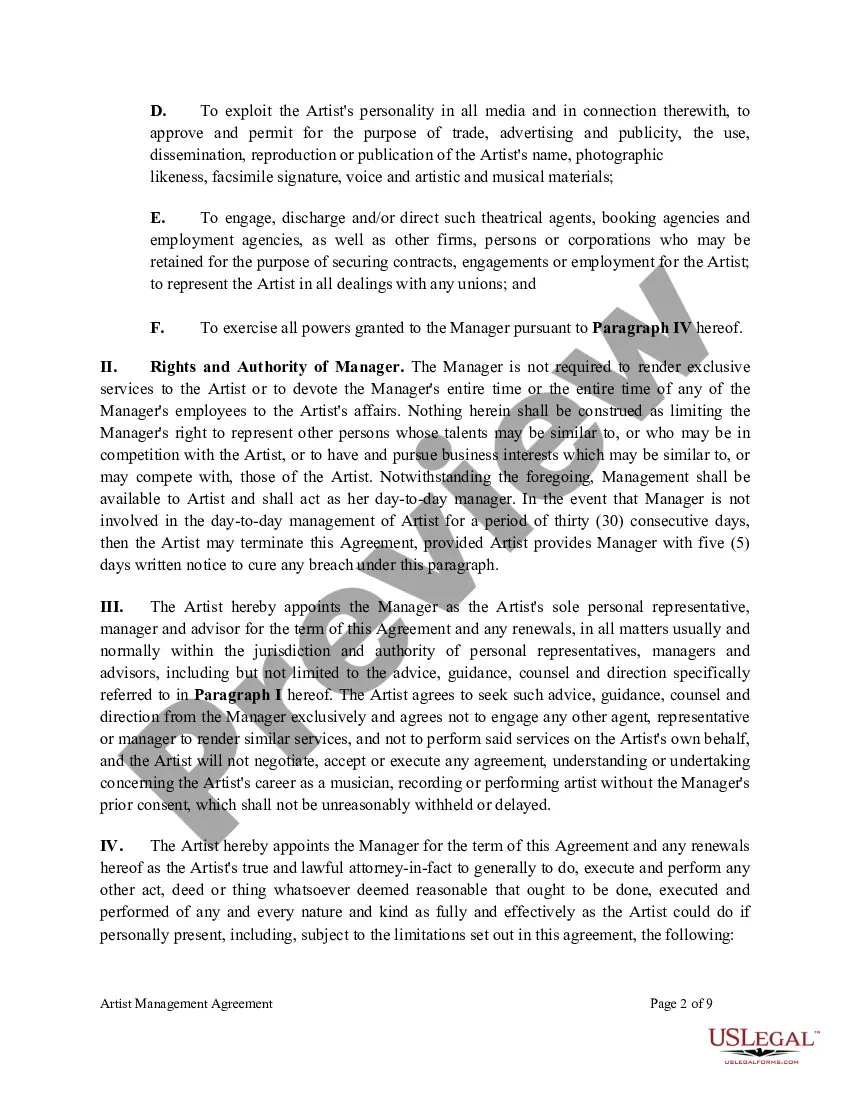
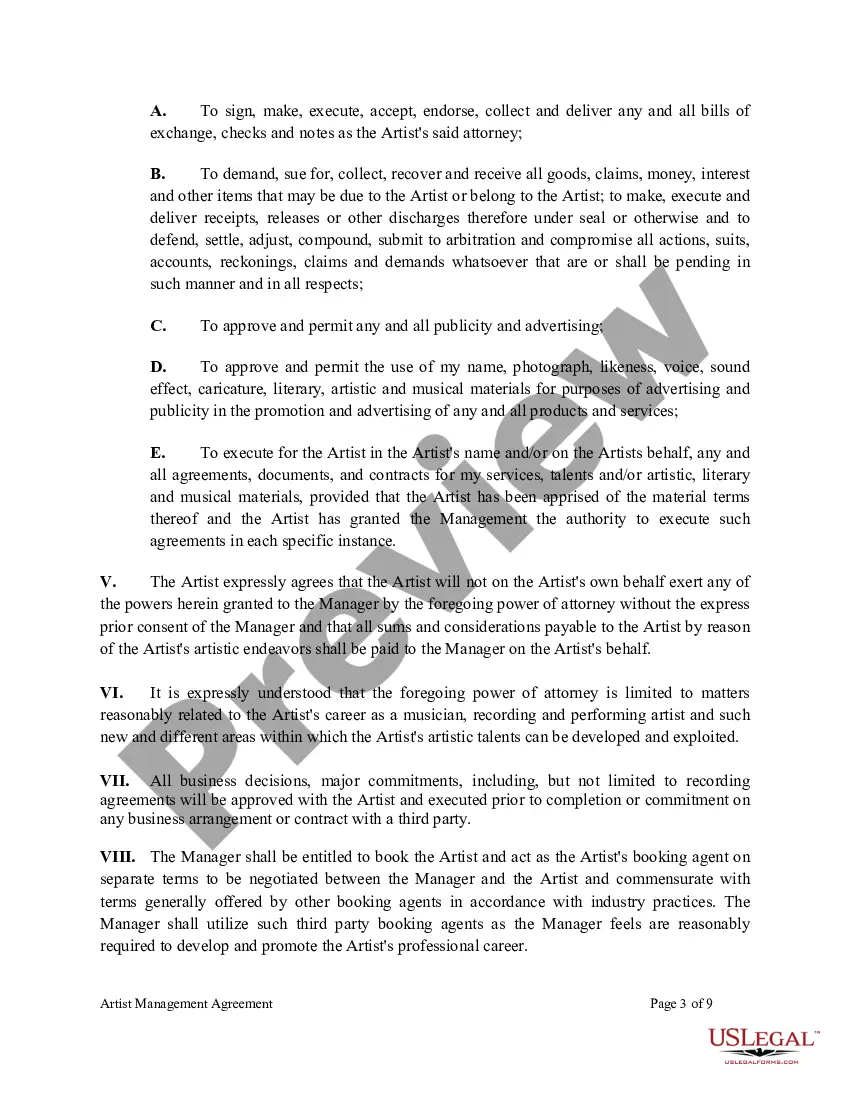
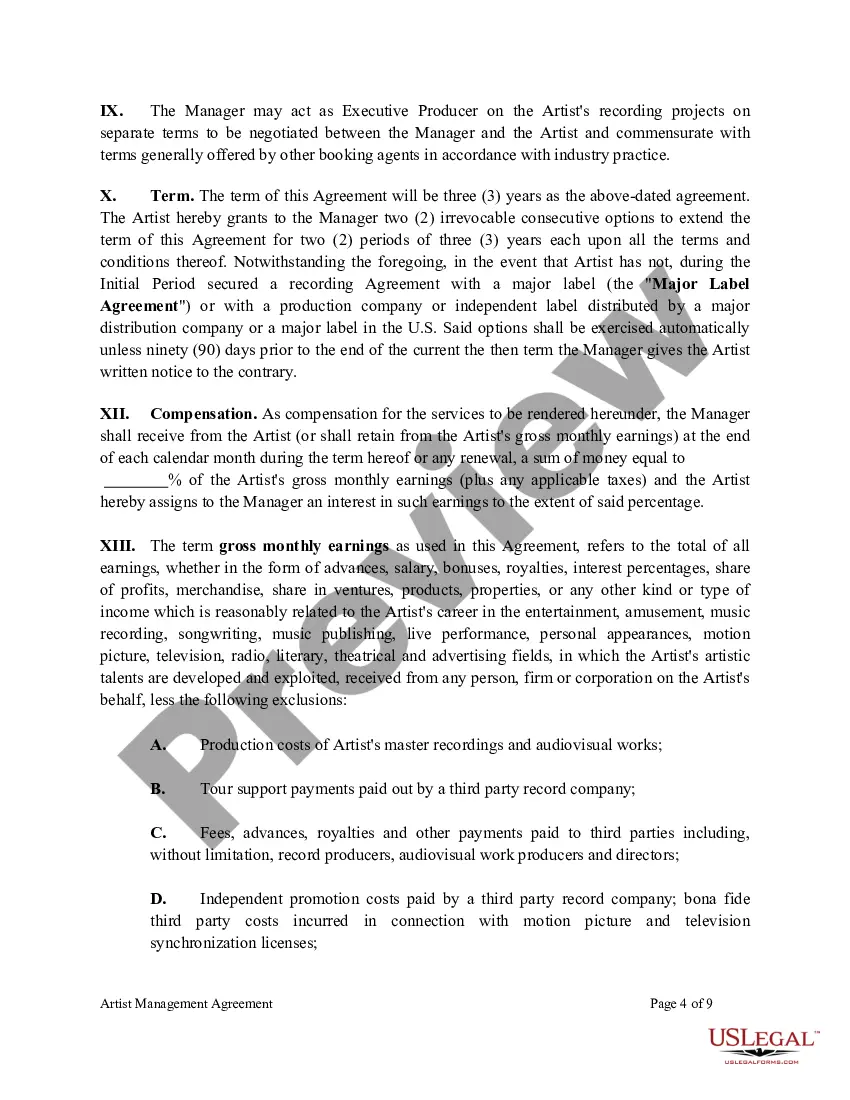
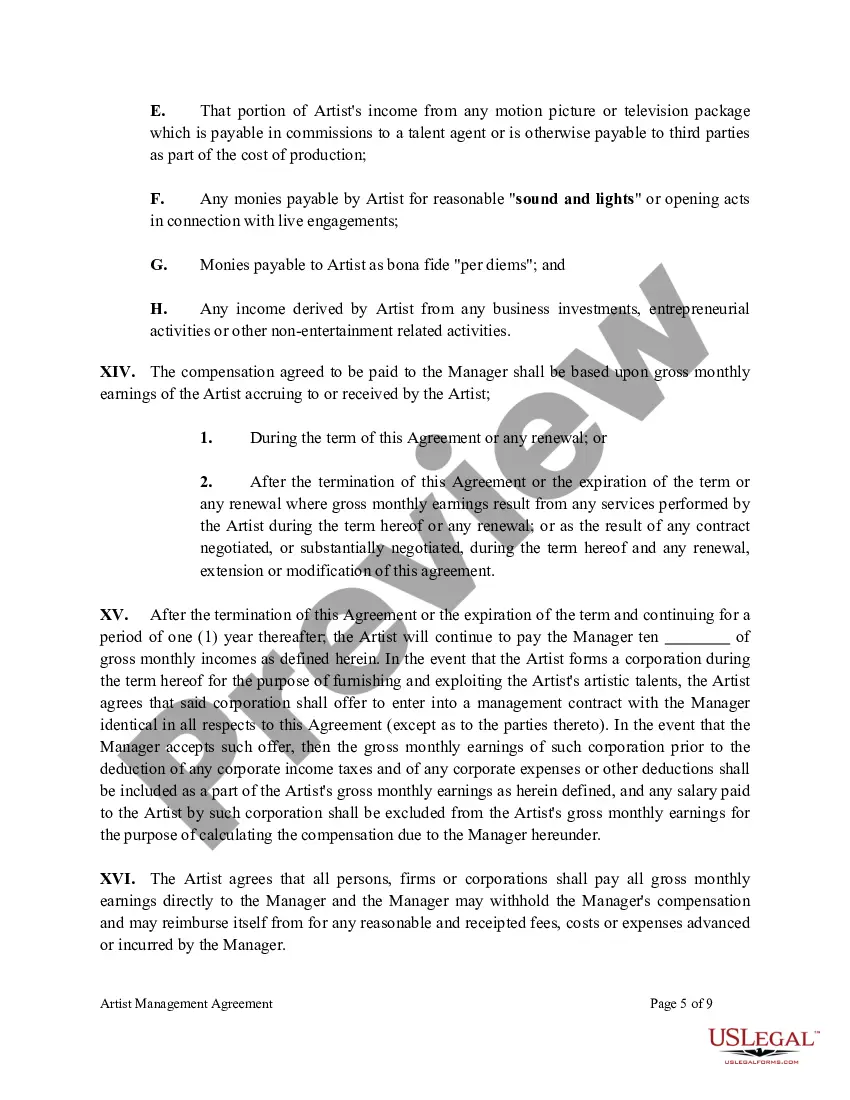
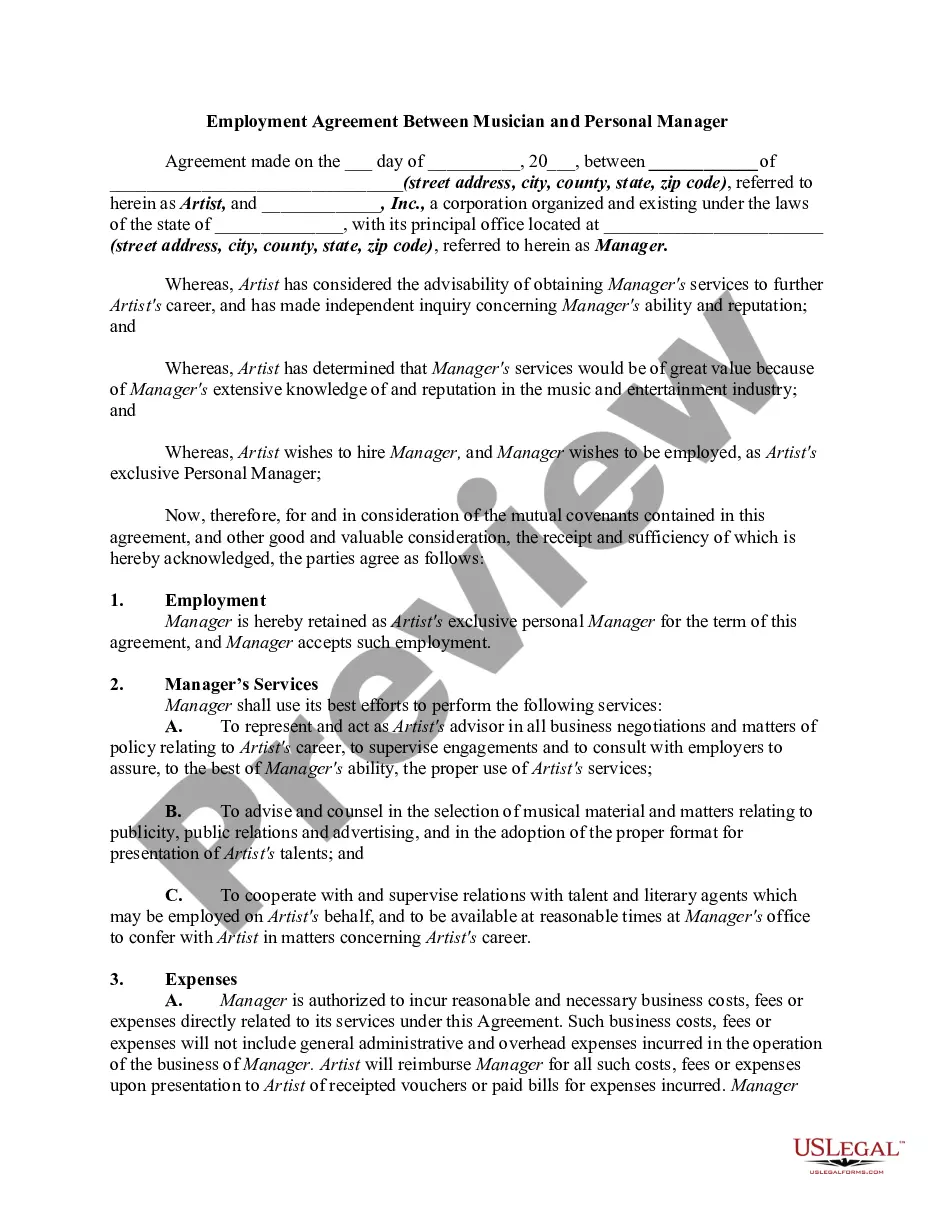
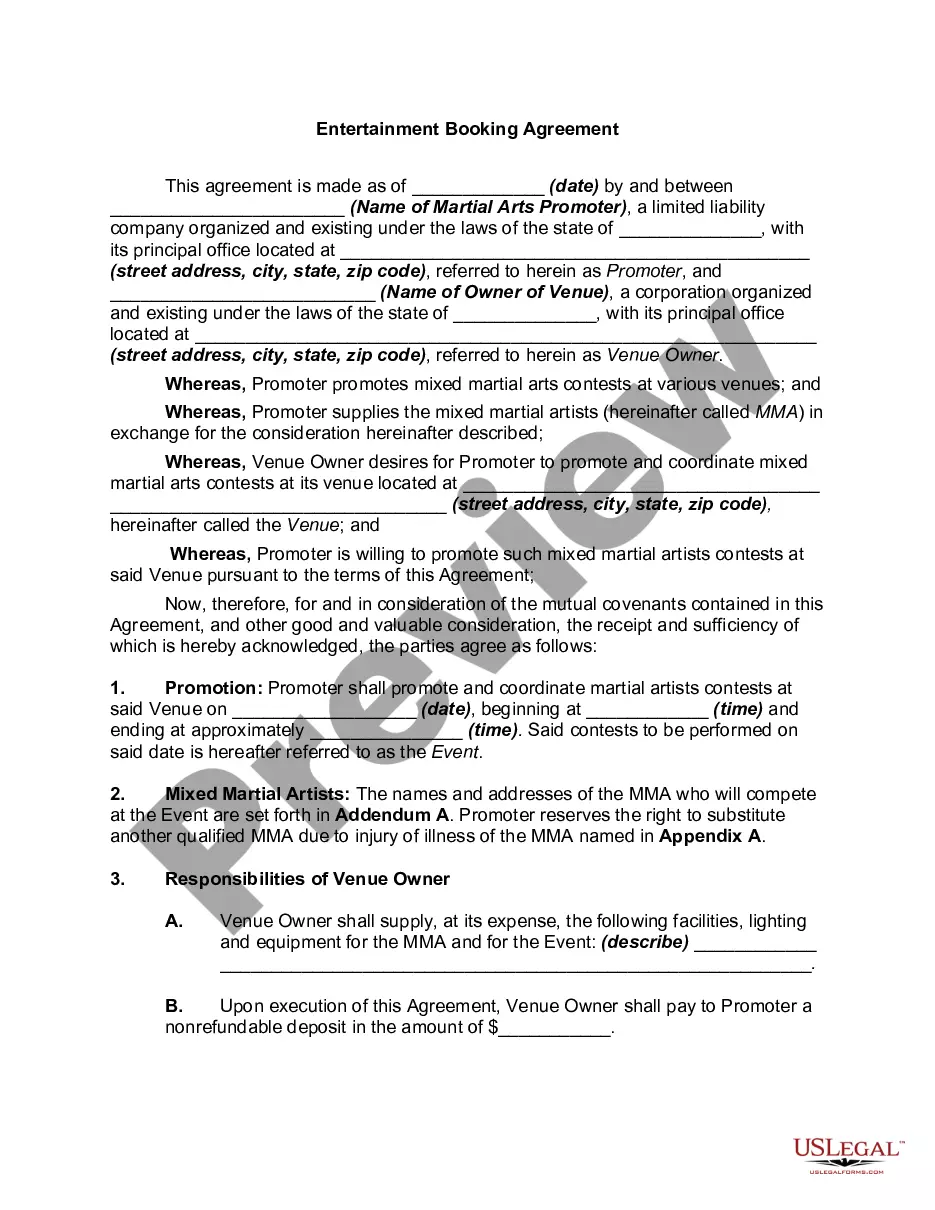
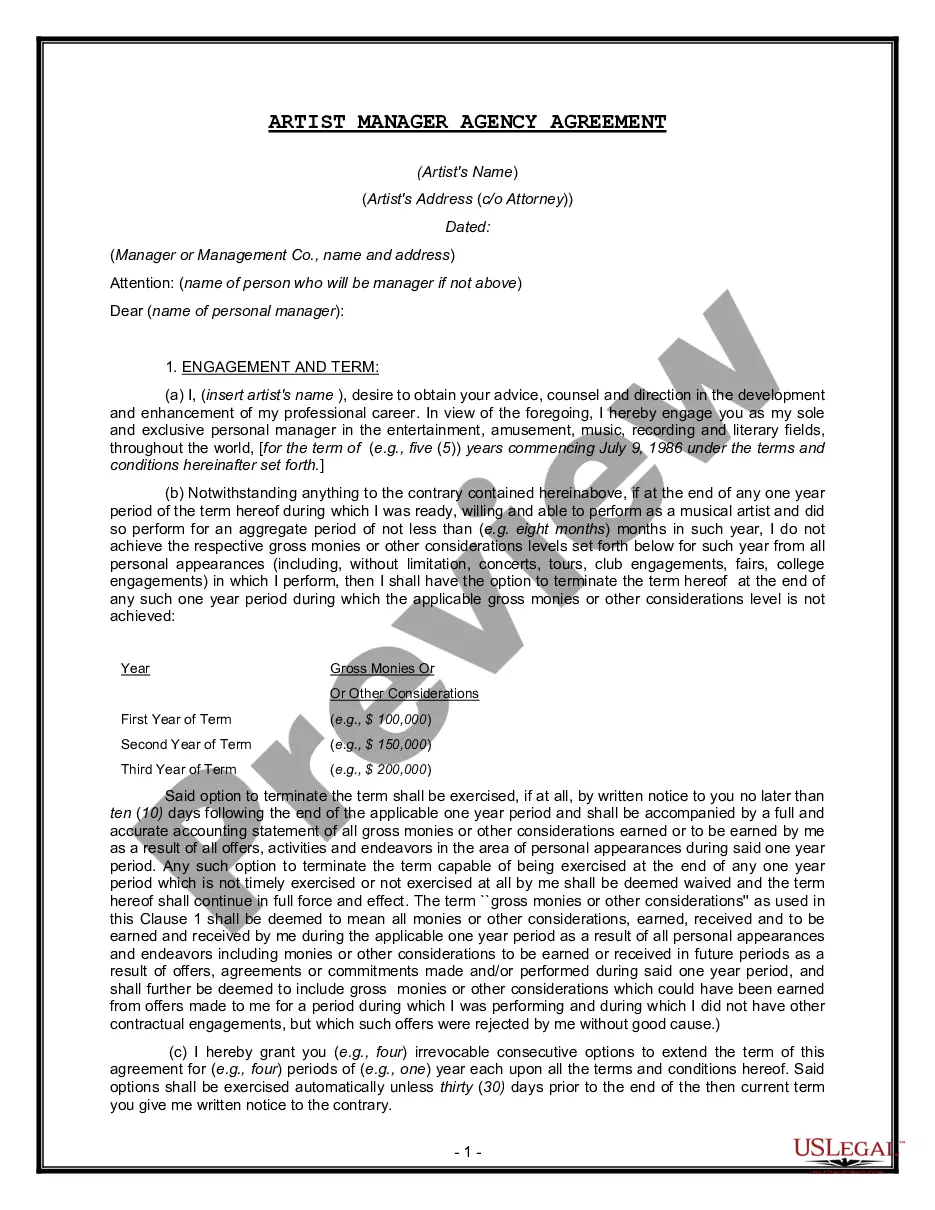
Get your form ready online
Our built-in tools help you complete, sign, share, and store your documents in one place.
Make edits, fill in missing information, and update formatting in US Legal Forms—just like you would in MS Word.
Download a copy, print it, send it by email, or mail it via USPS—whatever works best for your next step.
Sign and collect signatures with our SignNow integration. Send to multiple recipients, set reminders, and more. Go Premium to unlock E-Sign.
If this form requires notarization, complete it online through a secure video call—no need to meet a notary in person or wait for an appointment.
We protect your documents and personal data by following strict security and privacy standards.

Make edits, fill in missing information, and update formatting in US Legal Forms—just like you would in MS Word.

Download a copy, print it, send it by email, or mail it via USPS—whatever works best for your next step.

Sign and collect signatures with our SignNow integration. Send to multiple recipients, set reminders, and more. Go Premium to unlock E-Sign.

If this form requires notarization, complete it online through a secure video call—no need to meet a notary in person or wait for an appointment.

We protect your documents and personal data by following strict security and privacy standards.
Looking for another form?


Form popularity
FAQ
Here are some of the basics. In Utah, one item on the list of landlord requirements is that all landlords are required to have a business license. So filing for a business license through the state is your first step.
Utah mandates that individuals offering property management services obtain a real estate license. The Utah Division of Real Estate oversees the licensing process for both sales agents and brokers. It is essential for those interested in property management to have either a Sales Agent or Broker license.
A property manager becomes an authorized representative when the property owner & manager execute a legally binding property management agreement, a legal contract that details a manager's responsibilities and the owner's expectations regarding the property's managerial tasks.
Essential clauses of a property management agreement Introduction. The intro part identifies the document as a property management agreement. Recitals. Description of rental property. Property manager's duties; obligations. Owner's obligations. Reimbursement of expenses. Term. Compensation.
To legally manage property in Utah, one must hold either a Real Estate Broker license or operate as a Salesperson under a licensed Broker. This requirement ensures that property managers are qualified to conduct tasks such as advertising homes for lease or rent, securing tenants, and negotiating leasing arrangements.
(3) An unlicensed individual employed by a real estate or property management company may perform the following services under the supervision of the principal broker without holding an active real estate license: (a) providing a prospective tenant with access to a rental unit; (b) providing secretarial, bookkeeping, ...
A property management agreement is a contract between a property owner and the management firm. It outlines how that company will run the rental property's daily operations. Therefore, this document aims to define what services are the responsibility of the property manager and what tasks remain with the owner.
Essential clauses of a property management agreement Introduction. The intro part identifies the document as a property management agreement. Recitals. Description of rental property. Property manager's duties; obligations. Owner's obligations. Reimbursement of expenses. Term. Compensation.
Utah mandates that individuals offering property management services obtain a real estate license. The Utah Division of Real Estate oversees the licensing process for both sales agents and brokers. It is essential for those interested in property management to have either a Sales Agent or Broker license.
Property management companies are profitable since they typically operate at 10-15% profit rates. While this is a general industry standard, you'll want to ensure the company's profit margin doesn't go below 10%, even if a lower value doesn't mean the company is financially unhealthy.
