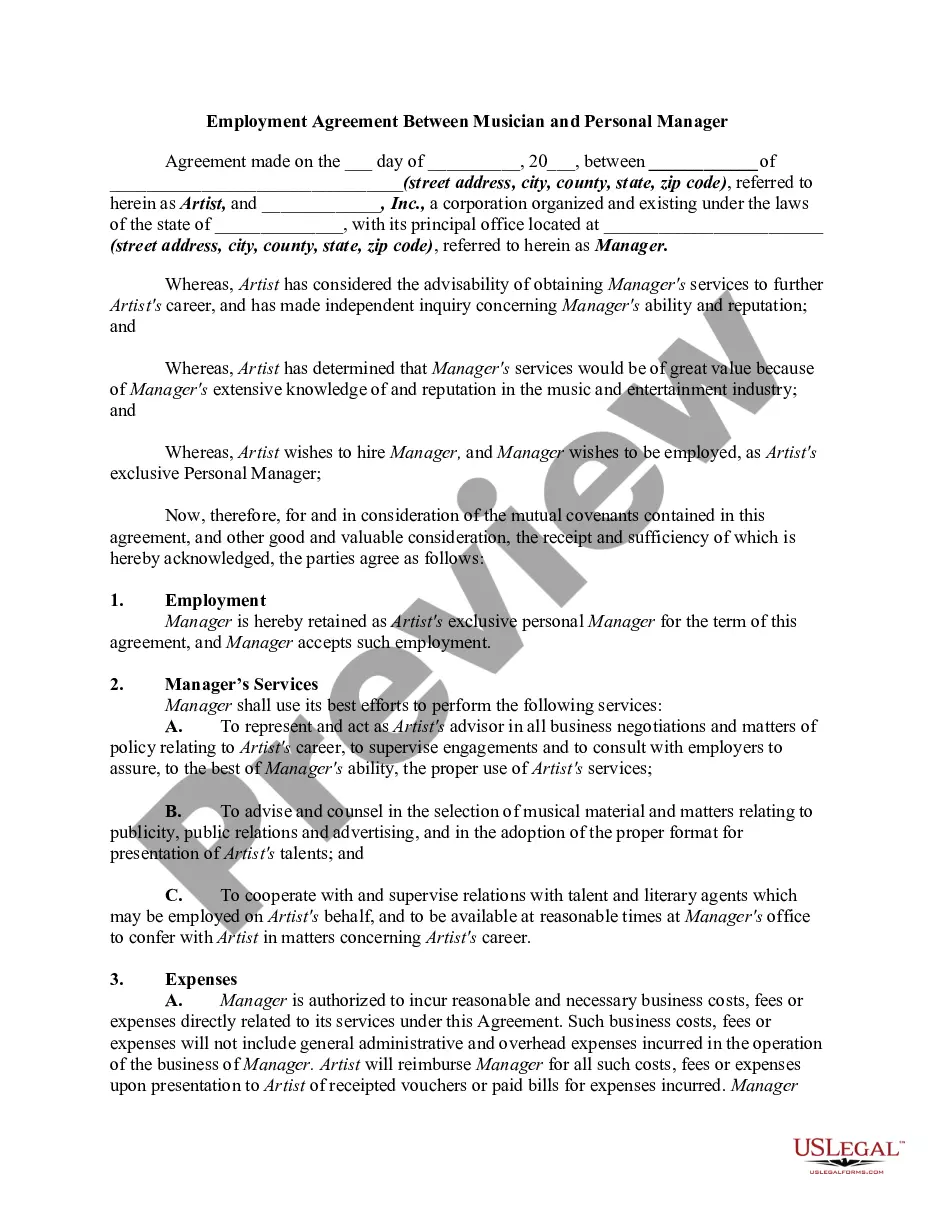
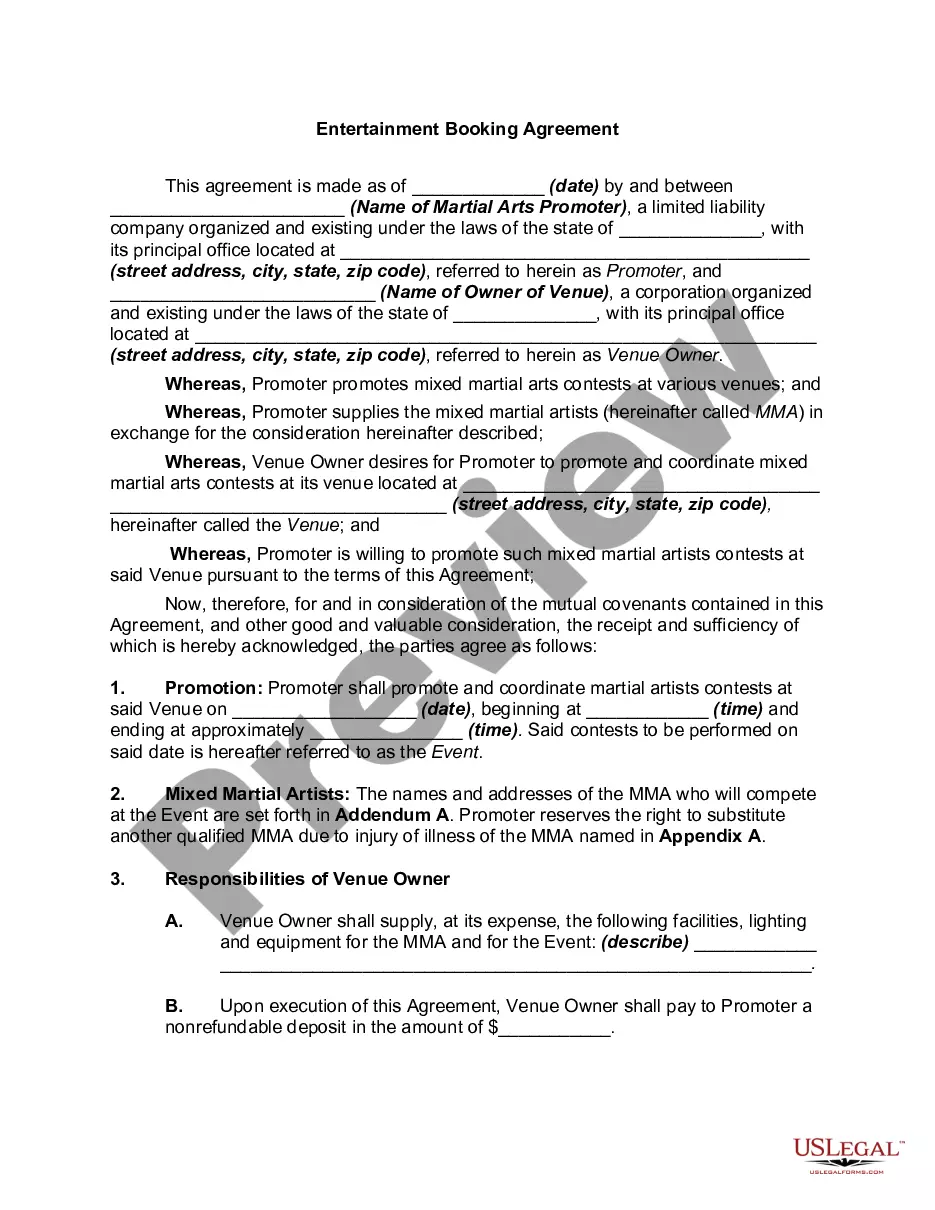
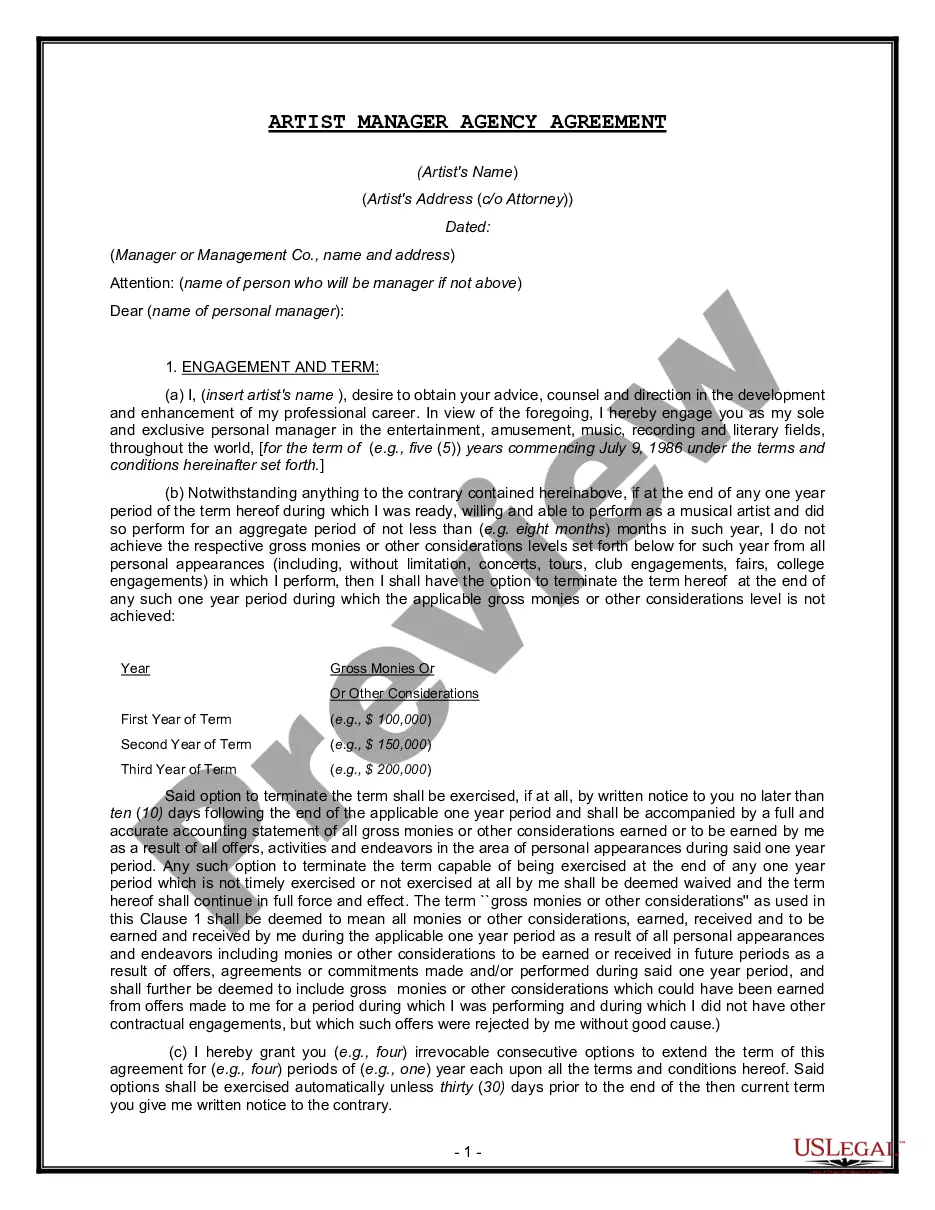
Artist Agreement Form Document With Signature In Queens
Description

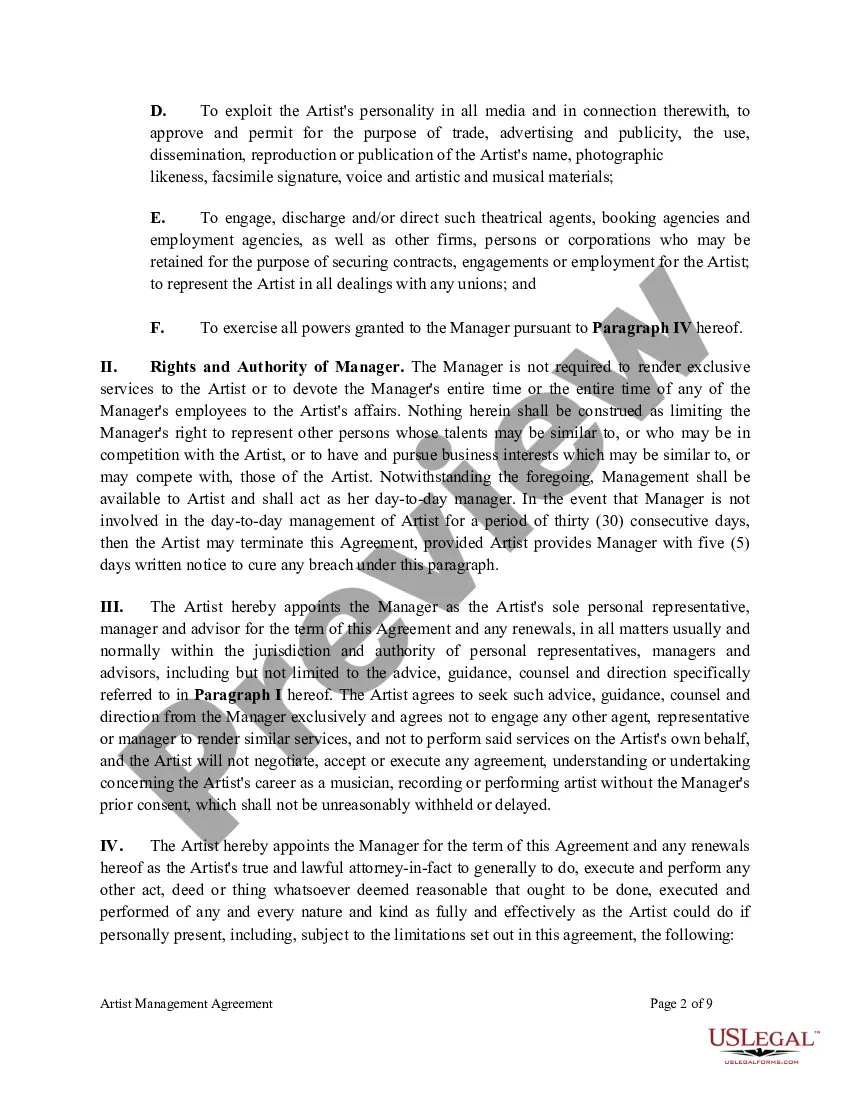
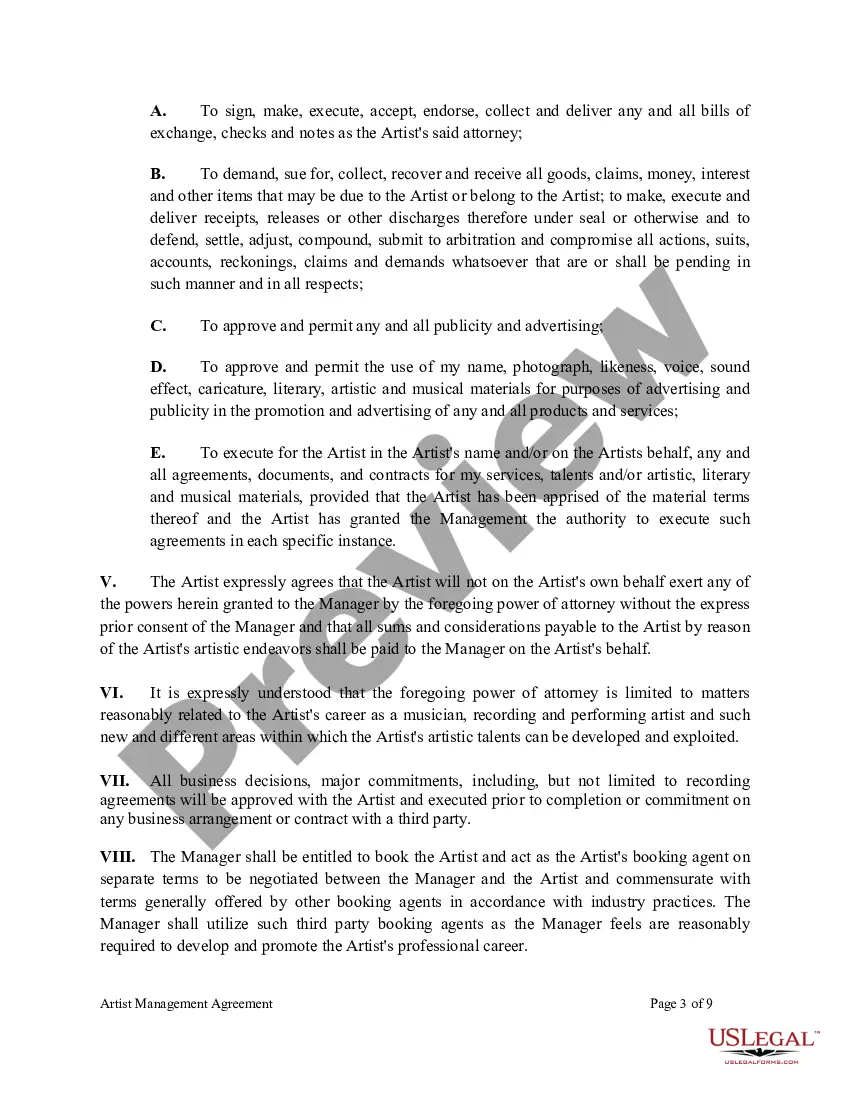
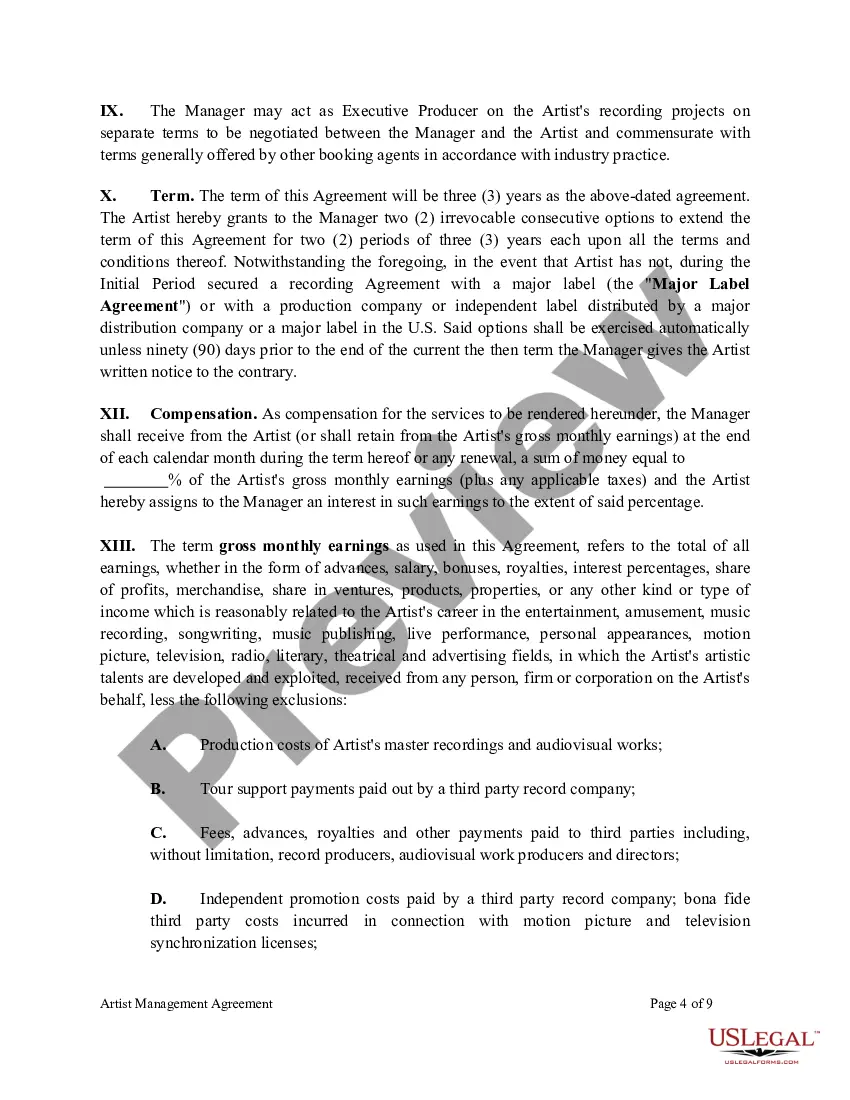
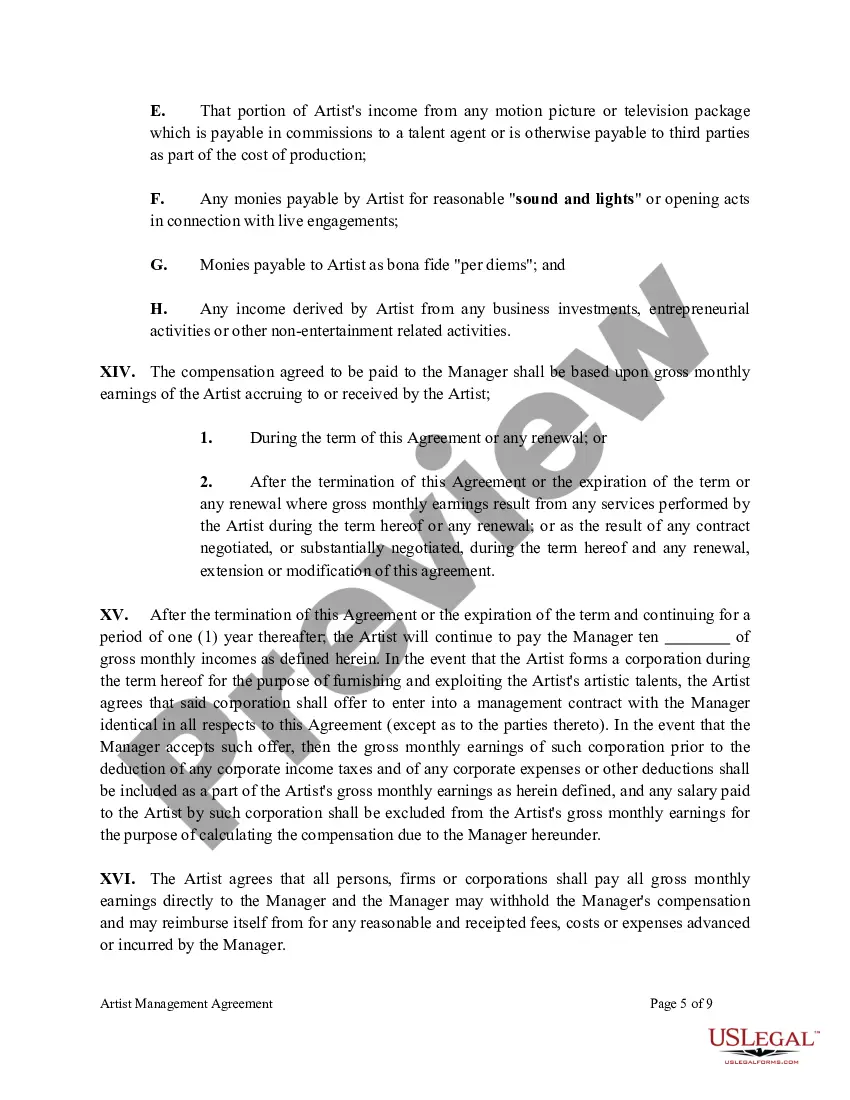
Get your form ready online
Our built-in tools help you complete, sign, share, and store your documents in one place.
Make edits, fill in missing information, and update formatting in US Legal Forms—just like you would in MS Word.
Download a copy, print it, send it by email, or mail it via USPS—whatever works best for your next step.
Sign and collect signatures with our SignNow integration. Send to multiple recipients, set reminders, and more. Go Premium to unlock E-Sign.
If this form requires notarization, complete it online through a secure video call—no need to meet a notary in person or wait for an appointment.
We protect your documents and personal data by following strict security and privacy standards.

Make edits, fill in missing information, and update formatting in US Legal Forms—just like you would in MS Word.

Download a copy, print it, send it by email, or mail it via USPS—whatever works best for your next step.

Sign and collect signatures with our SignNow integration. Send to multiple recipients, set reminders, and more. Go Premium to unlock E-Sign.

If this form requires notarization, complete it online through a secure video call—no need to meet a notary in person or wait for an appointment.

We protect your documents and personal data by following strict security and privacy standards.
Looking for another form?






Form popularity
FAQ
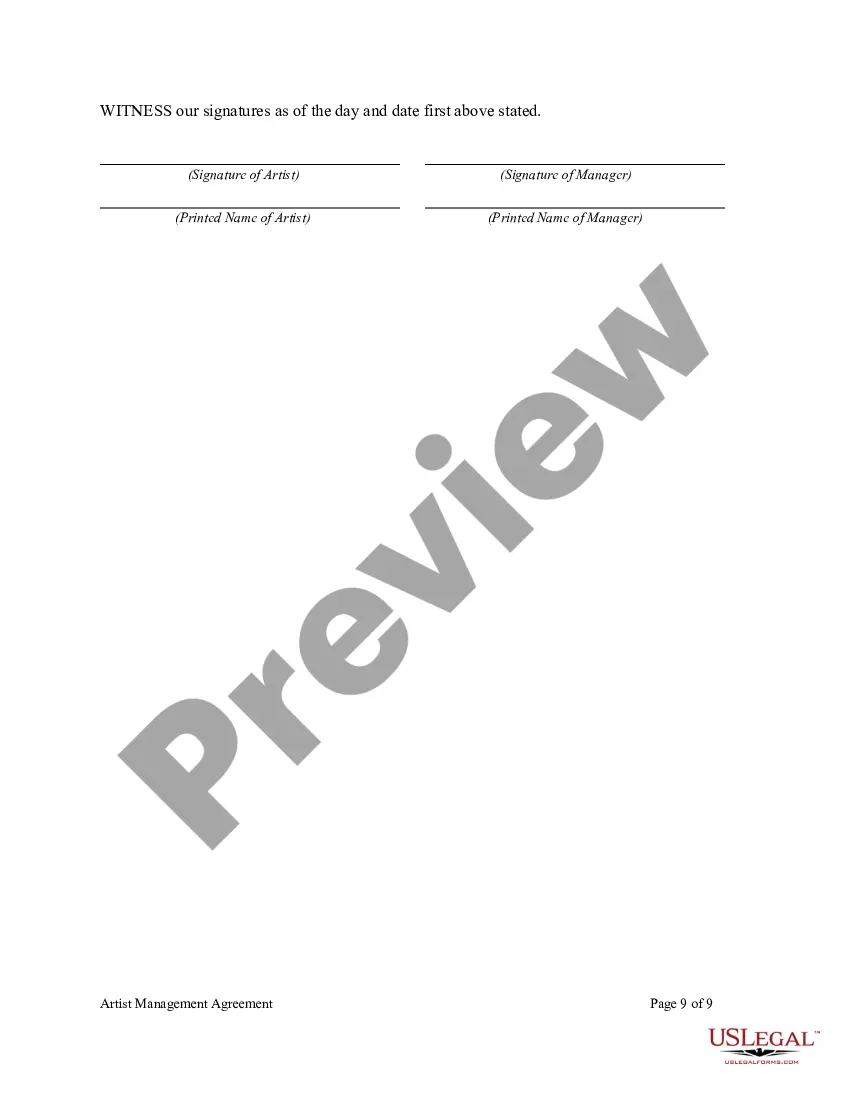
The signature is the most common way to show that you have read and agreed to a contract. This longstanding practice streamlines approval workflows. It's crucial for business owners across various sectors. Even if one's signature is so unique and stylized as to be virtually illegible, it still carries legal weight.
Following this step-by-step checklist will mean that you can write your contract with confidence: Know your parties. Agree on the terms. Set clear boundaries. Spell out the consequences. Specify how you will resolve disputes. Cover confidentiality. Check the legality of the contract. Open it up to negotiation.
How to Properly Sign a Contract So It Will Be Enforceable Make Sure the Contract You're Signing Is the Contract You Agreed to Sign. Date the Contract. Make Sure Both Parties Sign the Contract. Make Sure Any Last Minute Changes to the Contract Are Initialed. The Parties Must Sign the Contract in Their Correct Capacity.
How to Write an Artistic Statement Brainstorm. The first hurdle is to figure out what to write about. Freewrite. The process of writing without judgment or self-editing can help artists get at their basic philosophy. Rewrite what stands out. In general, be specific. Be clear and concise. Proofread. Use your own voice.
Yes, you can write your own contract. However, including all necessary elements is crucial to make it legally binding.
Summary. To summarize, a contract can be considered legally binding even if all signatures are not present, as long as the actions and intentions of the parties involved align with what was agreed upon. While verbal contracts hold legal weight, they often pose challenges in terms of providing evidence in court.
During the Term of this Agreement, you will not enter into. any agreement which would interfere with the full and prompt performance of. your obligations hereunder, and you will not perform or render any services for. the purpose of making Records or Master Recordings for any Person other than. Company.
The ultimate legal test is whether, based on an objective assessment, the parties should be considered to have reached an agreement. If so, then the lack of a signature in order to communicate acceptance of an offer will not of itself be a barrier to a legally binding contract coming into effect.
Although a document must be signed by each party to be considered legally binding, the mere presence of signatures does not guarantee that an agreement is enforceable in court. To be considered a legally binding contract or document, three critical elements must also be present: Subject, Consideration, and Capacity.
Although a document must be signed by each party to be considered legally binding, the mere presence of signatures does not guarantee that an agreement is enforceable in court. To be considered a legally binding contract or document, three critical elements must also be present: Subject, Consideration, and Capacity.
