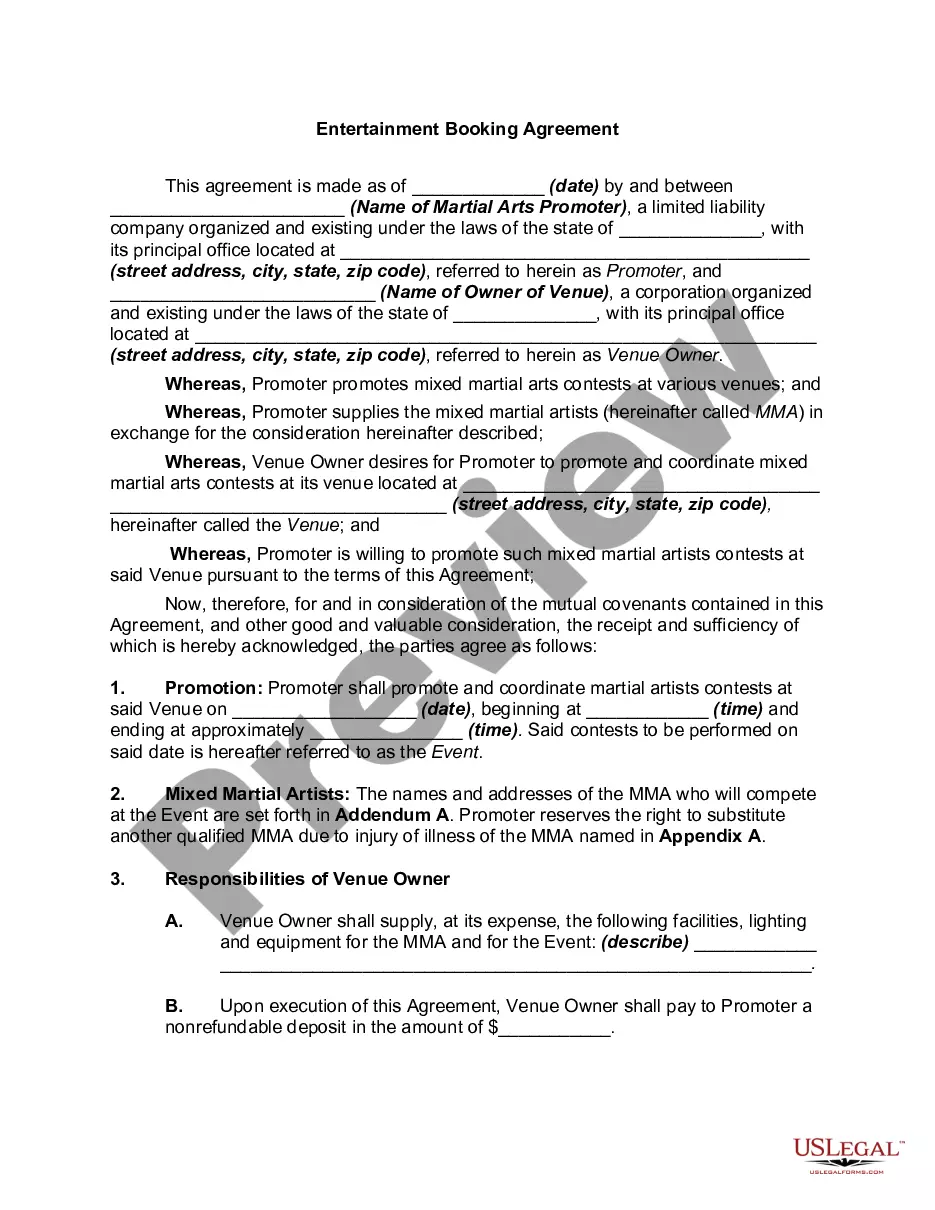
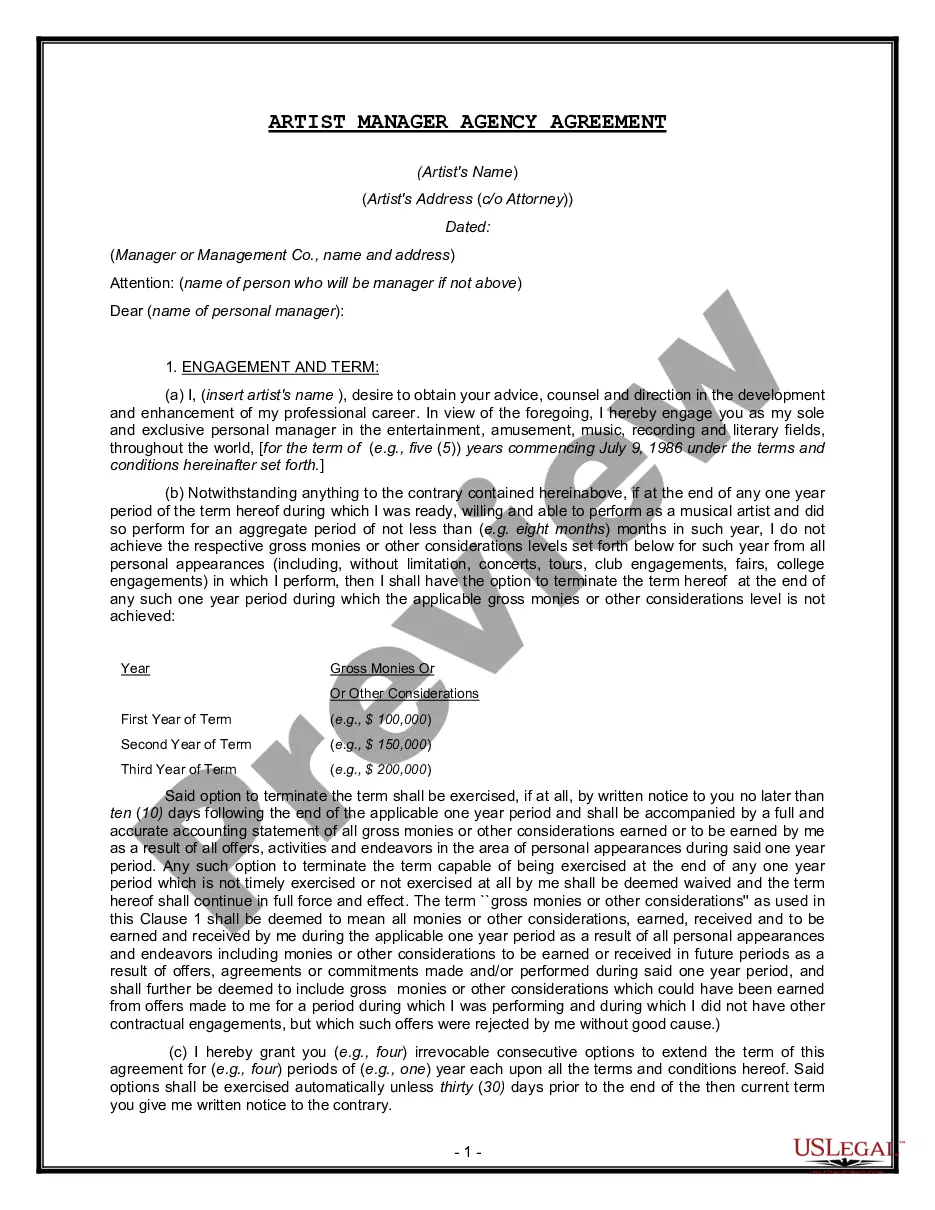
Management Contract For Music Artist In Ohio
Description

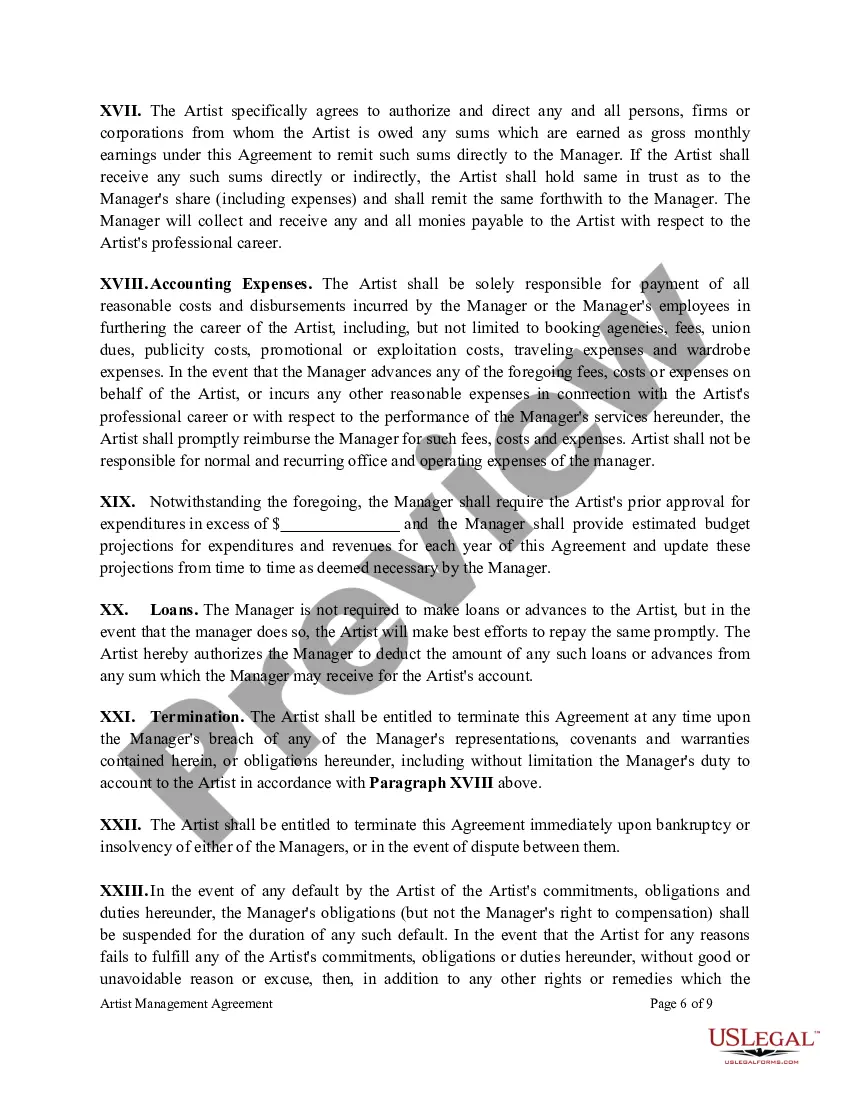
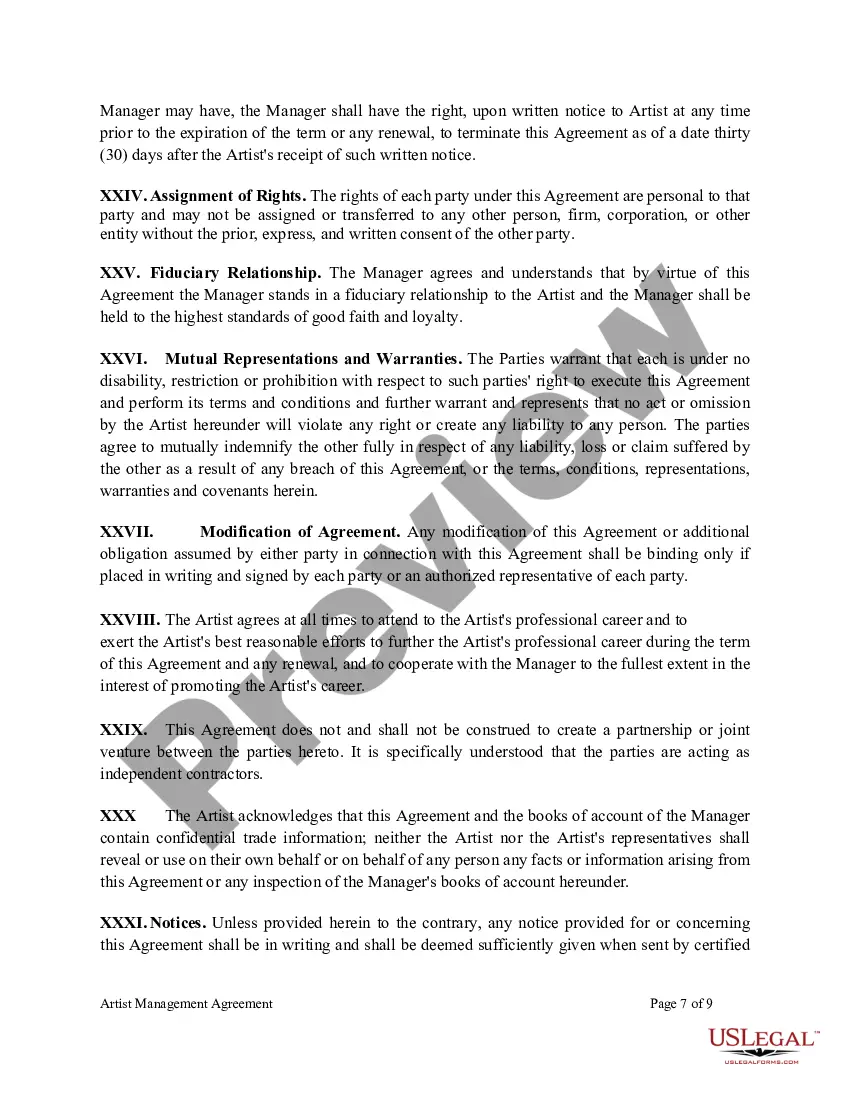
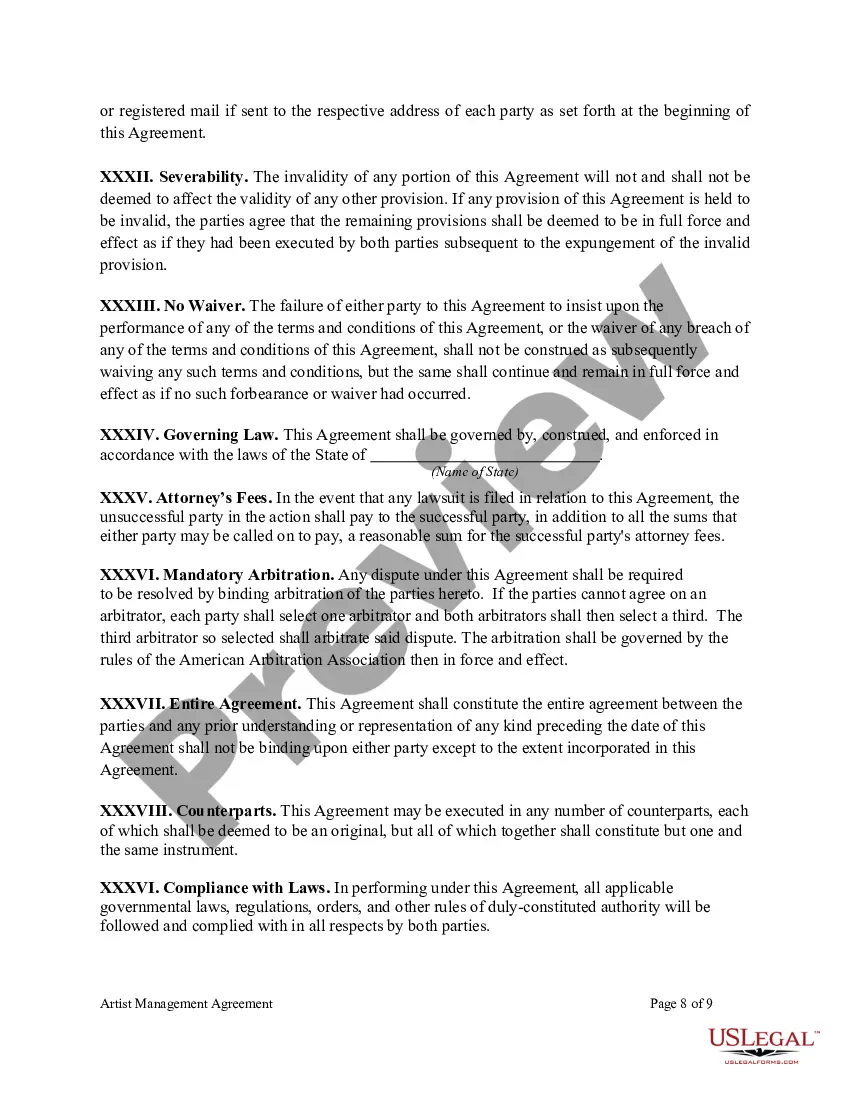

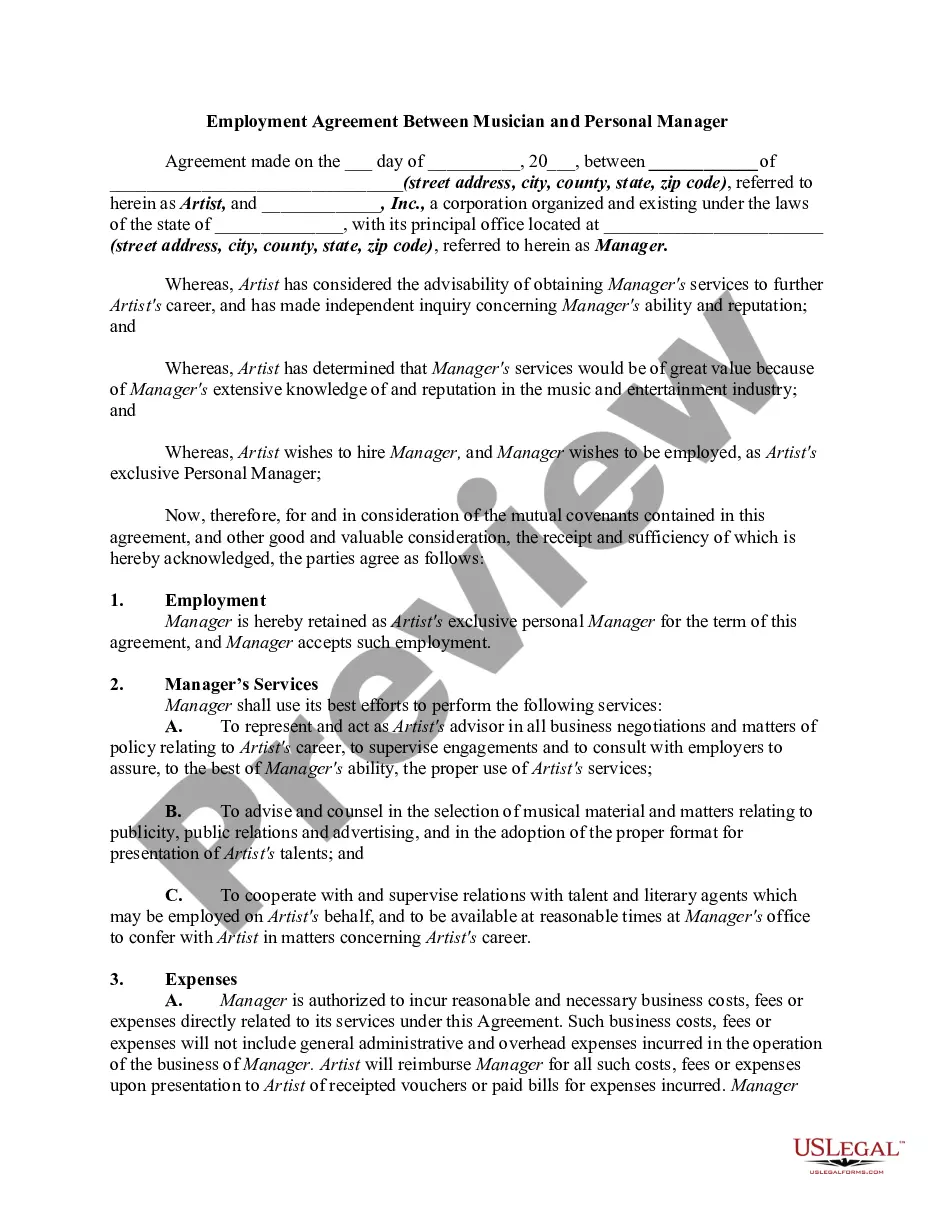
Get your form ready online
Our built-in tools help you complete, sign, share, and store your documents in one place.
Make edits, fill in missing information, and update formatting in US Legal Forms—just like you would in MS Word.
Download a copy, print it, send it by email, or mail it via USPS—whatever works best for your next step.
Sign and collect signatures with our SignNow integration. Send to multiple recipients, set reminders, and more. Go Premium to unlock E-Sign.
If this form requires notarization, complete it online through a secure video call—no need to meet a notary in person or wait for an appointment.
We protect your documents and personal data by following strict security and privacy standards.

Make edits, fill in missing information, and update formatting in US Legal Forms—just like you would in MS Word.

Download a copy, print it, send it by email, or mail it via USPS—whatever works best for your next step.

Sign and collect signatures with our SignNow integration. Send to multiple recipients, set reminders, and more. Go Premium to unlock E-Sign.

If this form requires notarization, complete it online through a secure video call—no need to meet a notary in person or wait for an appointment.

We protect your documents and personal data by following strict security and privacy standards.
Looking for another form?







Form popularity
FAQ
Comments Section Networking: Attend industry events, music conferences, and shows to meet people in the industry. Research: Look for managers who work with artists in your genre and have a track record of success. Referrals: Ask fellow musicians and industry contacts for recommendations.
I would say that having a manager is a necessity when the artist is established enough and is dealing with high fees, lots of press and crazy tour schedules. This is where having a manager is absolutely vital.
Look for Managers with Experience: Find managers who have a track record of working with artists in your genre. Check References: Seek recommendations from other artists or industry contacts. Review Their Roster: Look at the artists they currently manage to see if they align with your style and goals.
If you're contacting them through social media, you'll need to write a small pitch. To attract potential managers, you need to prove yourself and your demand through live performances and online presence. Potential managers look for artists who show promise and have a clear vision for their career.
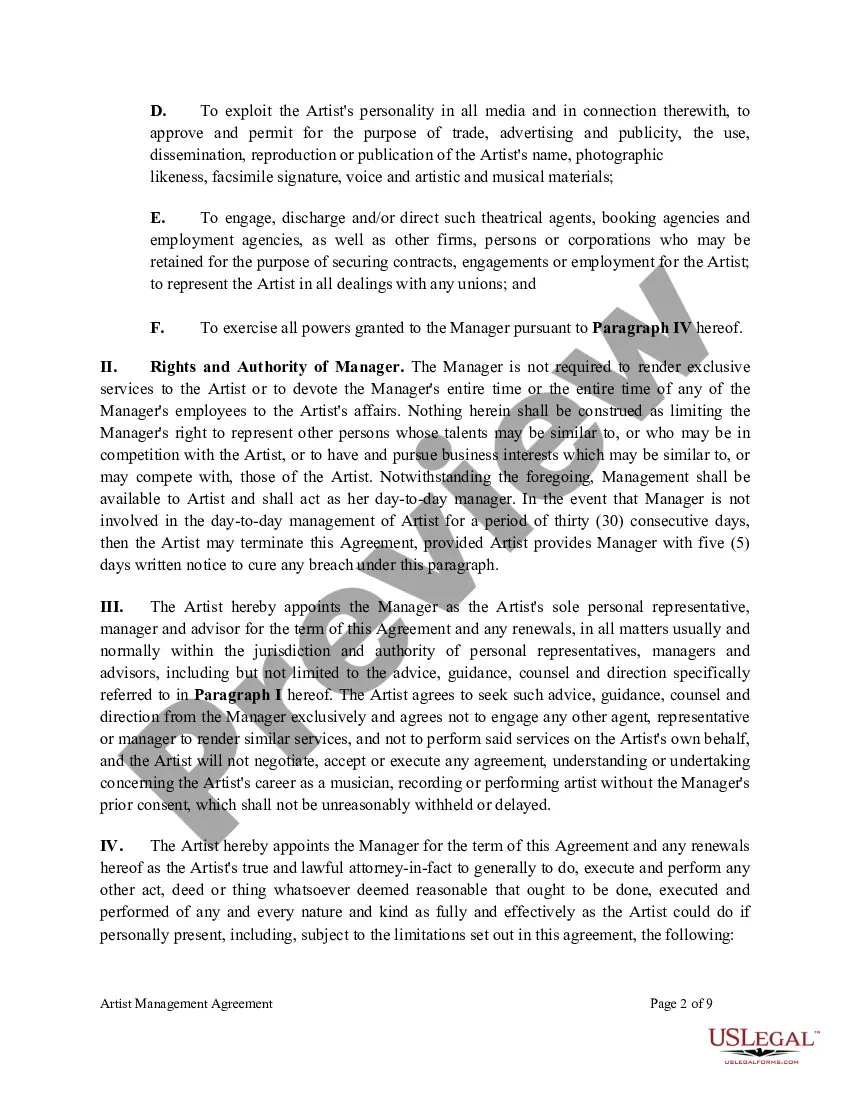
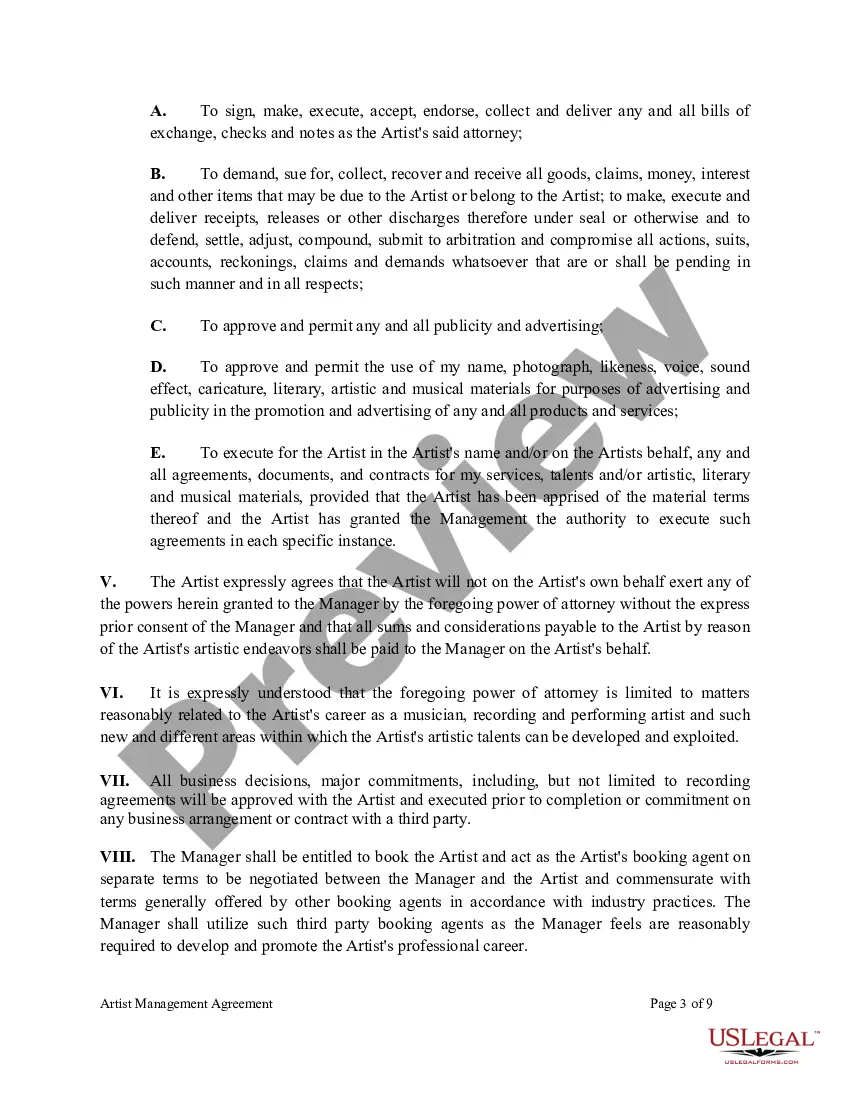
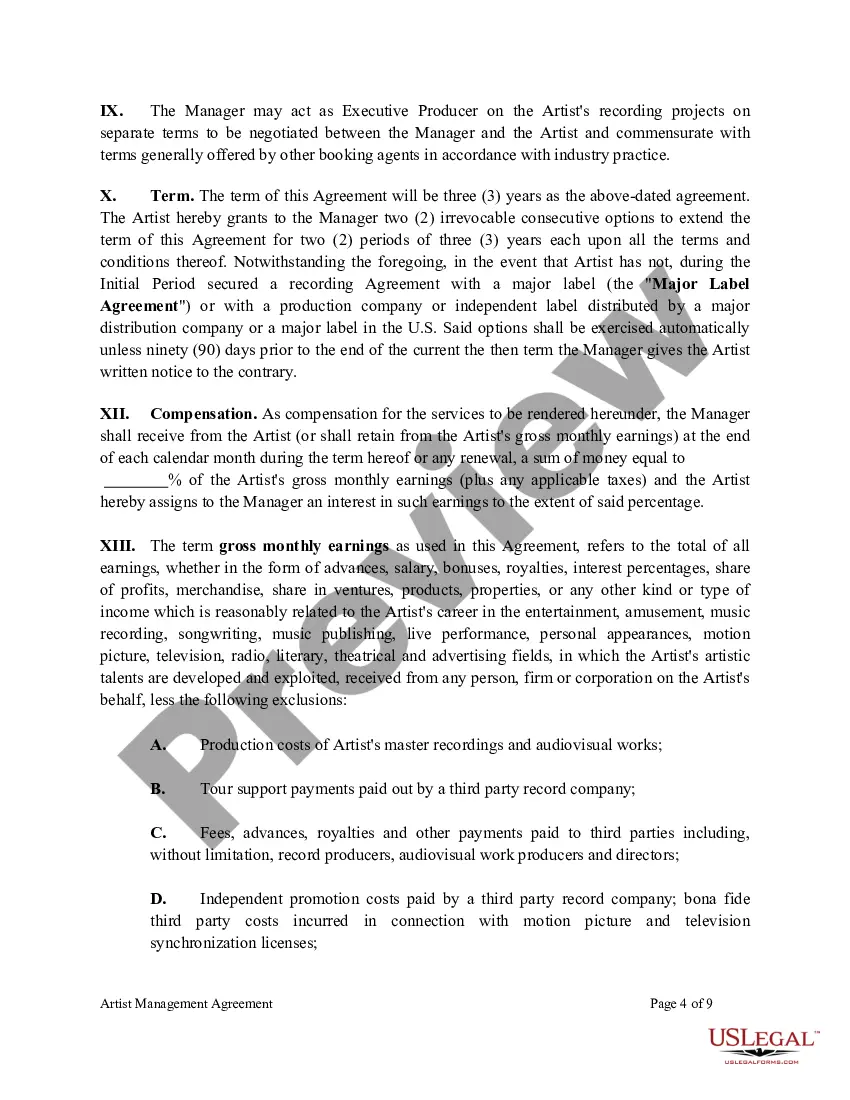
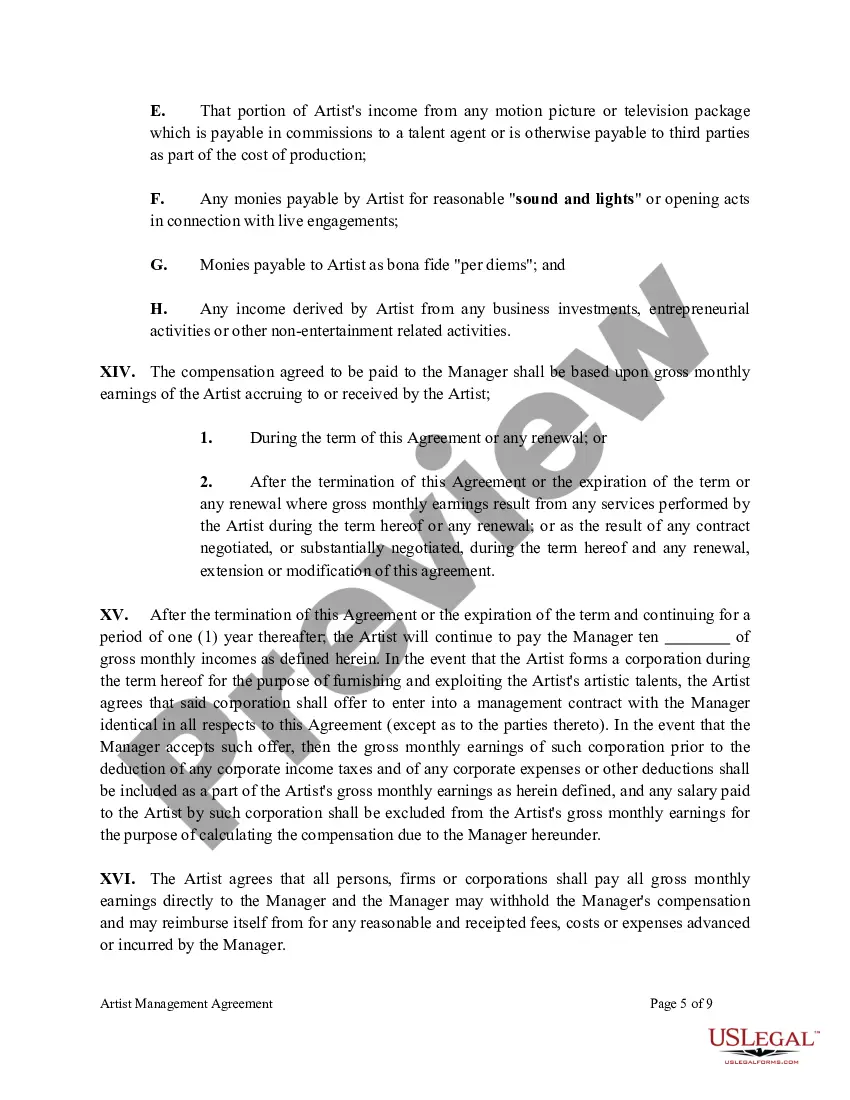
Managers' commissions are typically between 15 to 20% of an artist's gross income. Whether it's 15% or 20% really depends on the level of the band and the bargaining power of each party. I've seen some net deals, but they are extremely rare. That being said, I always push for a net commission on merchandise.
Your manager can earn anywhere between 15 and 25 percent of your earnings. This is fairly standard. Other details that you should look into include the length of the contract and the continuation of payments to your manager after the contract ends.
As a general rule, managers take a percentage of all income generated by the artist in exchange for their management services. Commission rates typically range from 15-25% of the artist's gross income from: Recording royalties: Sales, streaming and licensing of recorded music.
If you've been handling everything on your own and are hitting a wall getting past the proverbial industry waiting room, it might be time to hire a manager. A manager must constantly work at managing your own expectations and goals, while expanding your base of industry relationships, experience and knowledge.
Managers usually takes a percentage of the artist's income. This typically ranges between 10 to 20% and is usually 15% for indie artists in my experience.
Steps To Starting An Artist Management Company Build Your Artist Roster. Sign A Contract. Don't Quit Your Day Job Just Yet. Draft an Artist Management Company Business Plan. Make a Name for Yourself. Get Organized. Work With an Entertainment Accountant. Hire an Entertainment Lawyer.
