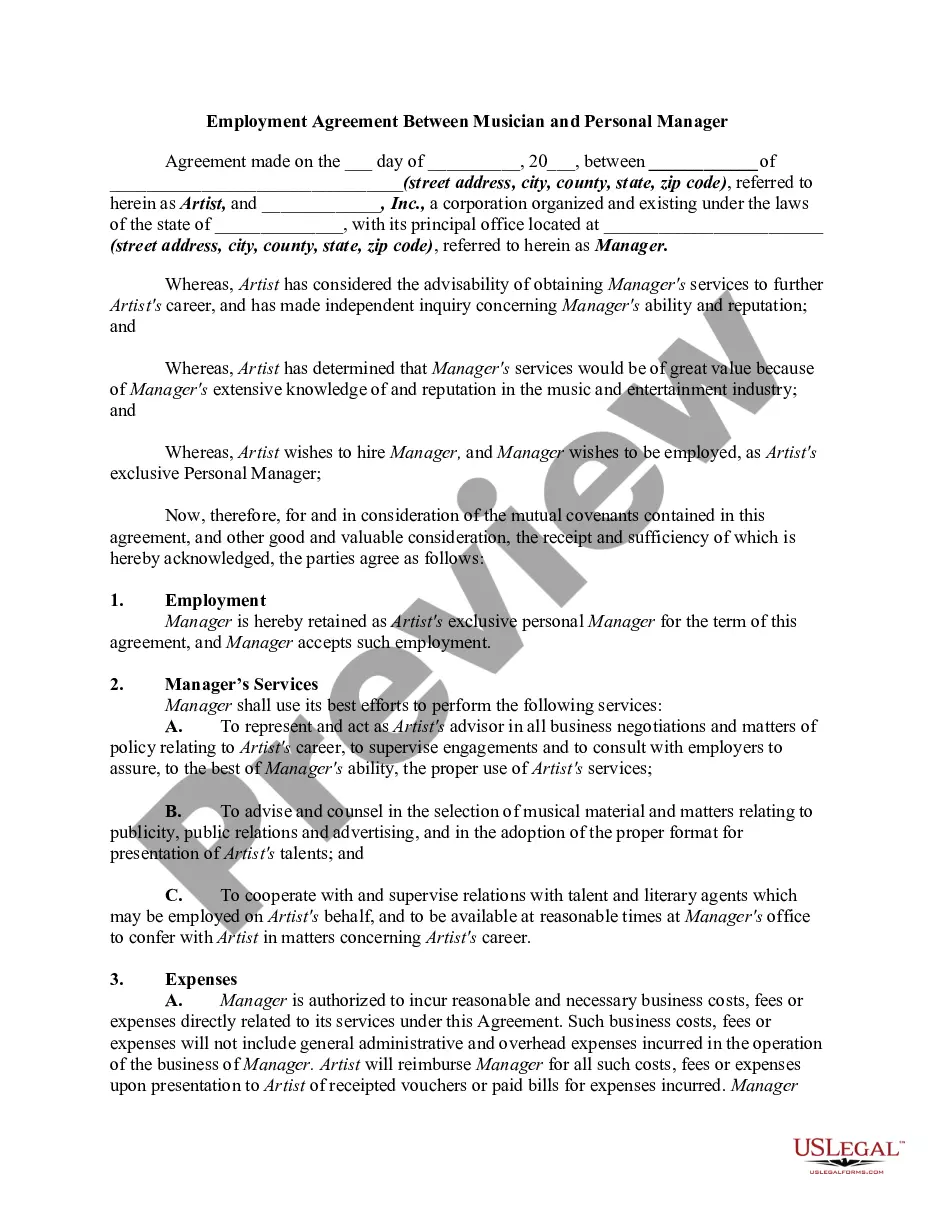
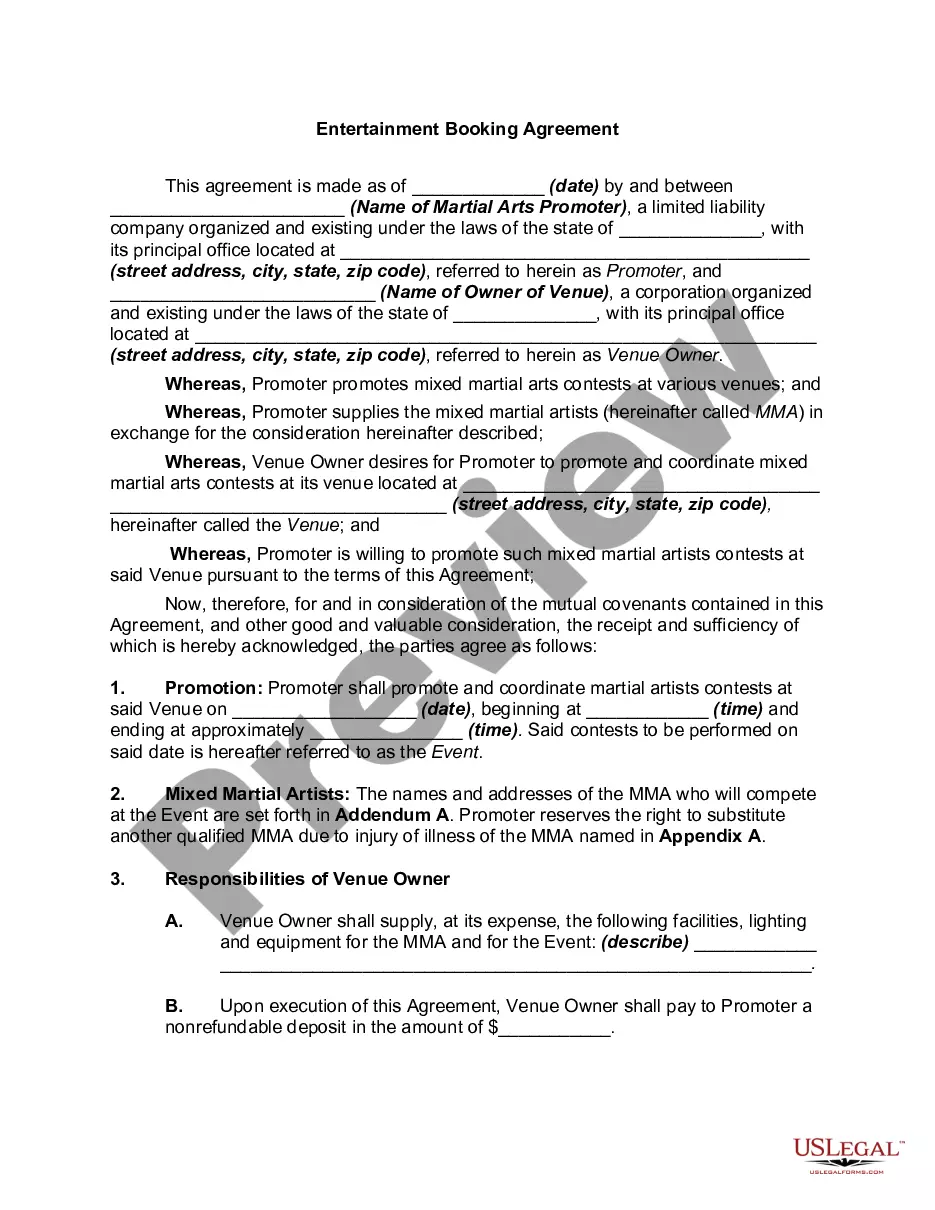
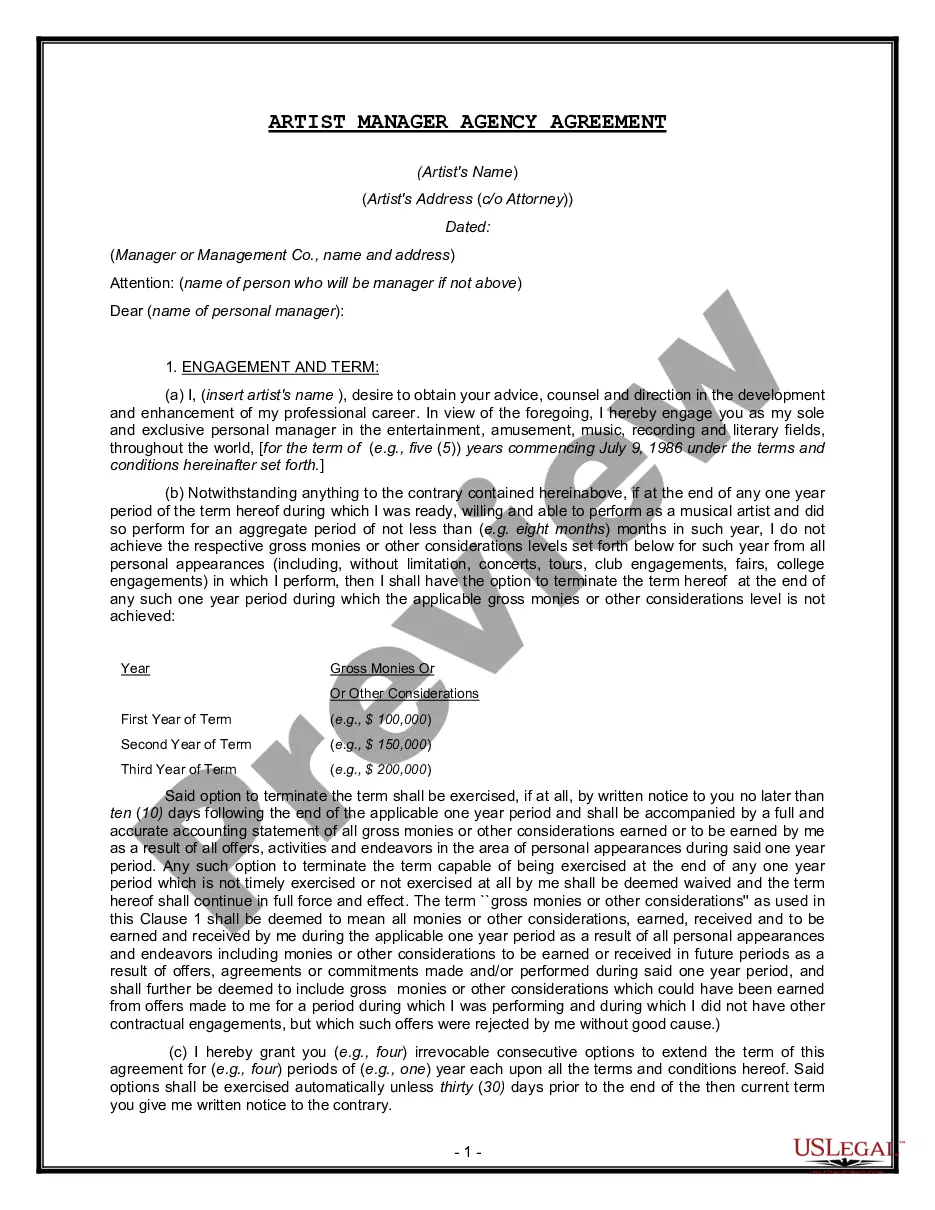
Artist Agreement Form Sample With Art In Oakland
Description

Get your form ready online
Our built-in tools help you complete, sign, share, and store your documents in one place.
Make edits, fill in missing information, and update formatting in US Legal Forms—just like you would in MS Word.
Download a copy, print it, send it by email, or mail it via USPS—whatever works best for your next step.
Sign and collect signatures with our SignNow integration. Send to multiple recipients, set reminders, and more. Go Premium to unlock E-Sign.
If this form requires notarization, complete it online through a secure video call—no need to meet a notary in person or wait for an appointment.
We protect your documents and personal data by following strict security and privacy standards.

Make edits, fill in missing information, and update formatting in US Legal Forms—just like you would in MS Word.

Download a copy, print it, send it by email, or mail it via USPS—whatever works best for your next step.

Sign and collect signatures with our SignNow integration. Send to multiple recipients, set reminders, and more. Go Premium to unlock E-Sign.

If this form requires notarization, complete it online through a secure video call—no need to meet a notary in person or wait for an appointment.

We protect your documents and personal data by following strict security and privacy standards.
Looking for another form?


Form popularity
FAQ
Yes, you can write your own contract. However, including all necessary elements is crucial to make it legally binding.
How to Write an Artistic Statement Brainstorm. The first hurdle is to figure out what to write about. Freewrite. The process of writing without judgment or self-editing can help artists get at their basic philosophy. Rewrite what stands out. In general, be specific. Be clear and concise. Proofread. Use your own voice.
A contract is mandatory for any commission. Write down every detail in the contract, such as the size and media of the artwork, your compensation, due dates for payments, who is responsible for framing, installation, delivery of the artwork, etc. If your client balks at signing a contract, WALK AWAY.
The agreement or contract is the legal document between an artist or owner of an artwork and a borrowing institution, or between an exhibition organiser and the host venue. They are written to specify details about work to be undertaken and the expected outcomes.
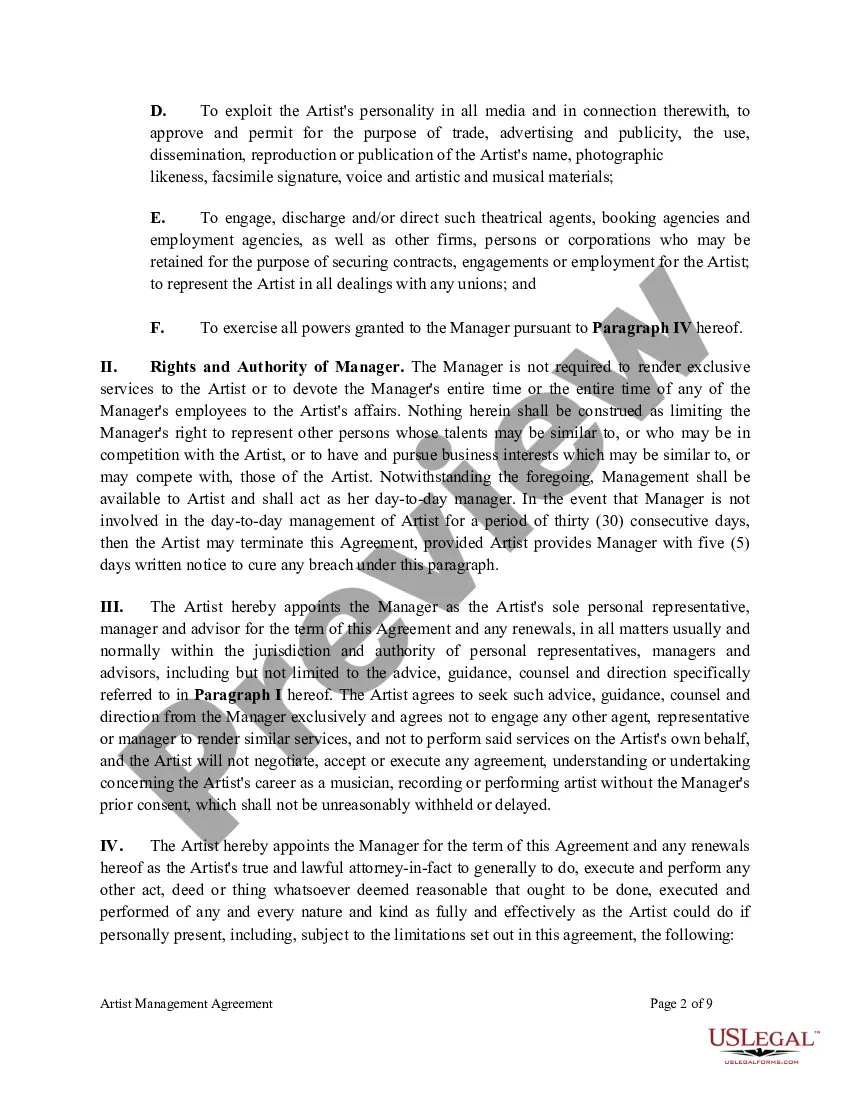
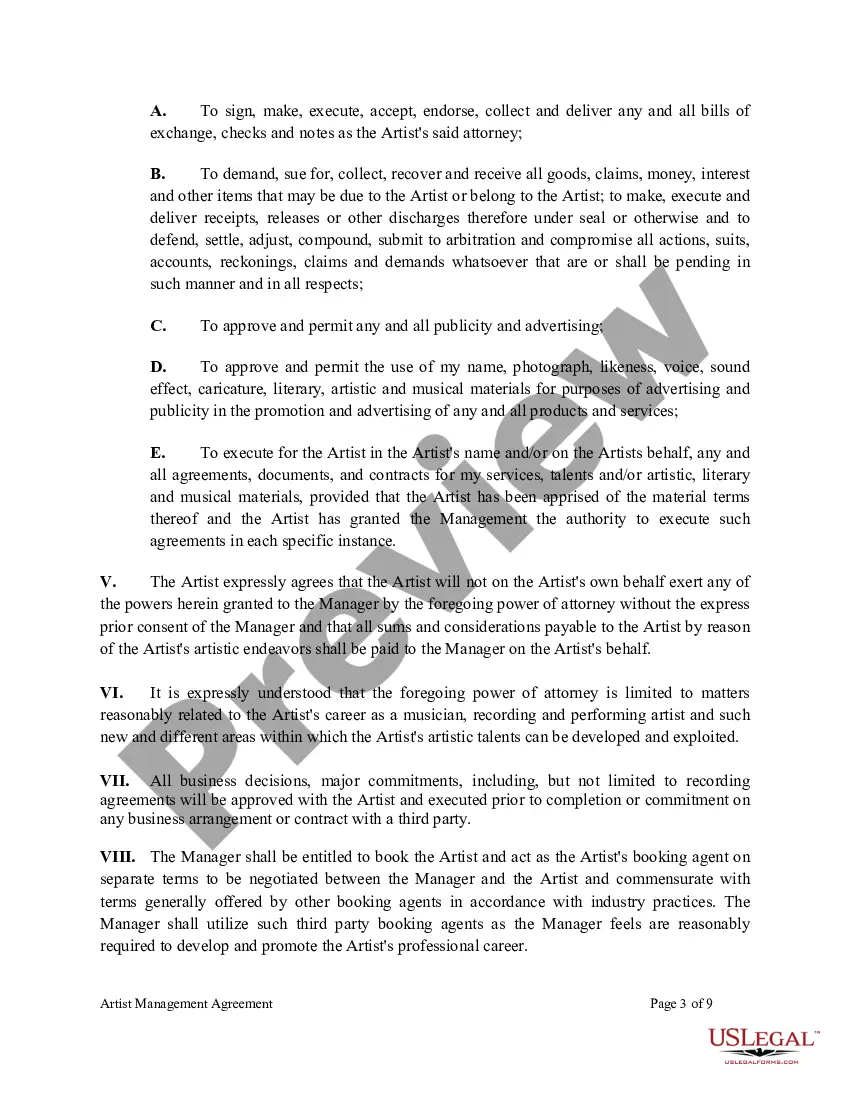
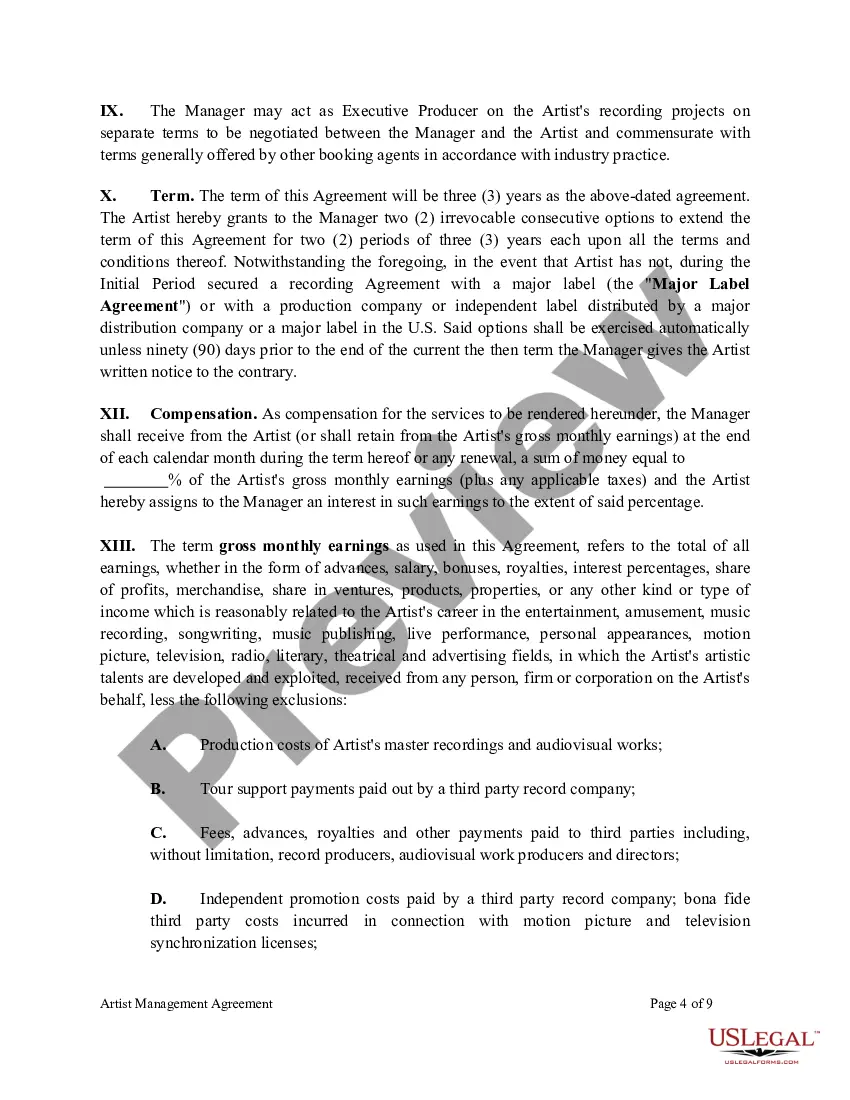
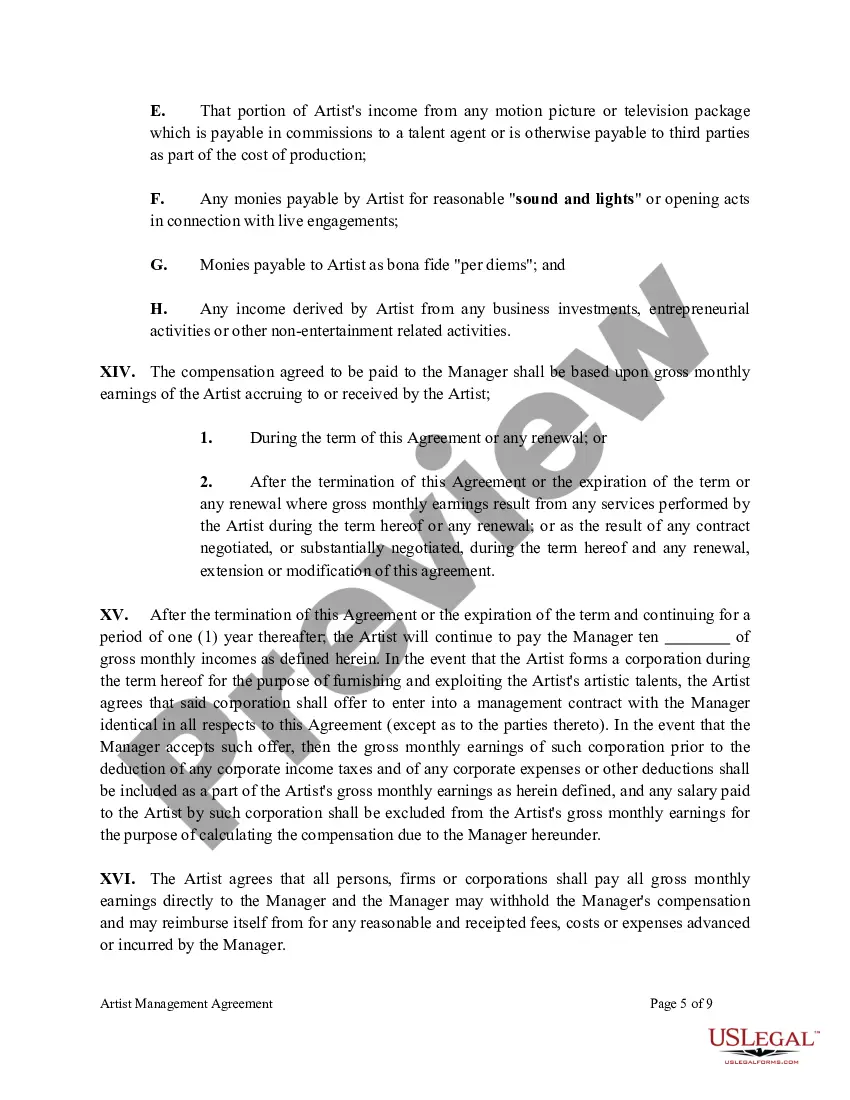
Contracts like an artist agreement help avoid miscommunications and confusion over the rights and responsibilities of both parties involved. Artist agreements typically include availability expectations, performance markers, and licensing or ownership rights of the works created during the partnership.
A contract is mandatory for any commission. Write down every detail in the contract, such as the size and media of the artwork, your compensation, due dates for payments, who is responsible for framing, installation, delivery of the artwork, etc. If your client balks at signing a contract, WALK AWAY.
It is illegal. Once any piece of work is created, it is automatically copyrighted. This includes art, photography, music, etc. You have to have the creator's written permission before you use it anyway at all. If you want more information, you can search for copyright infringement.
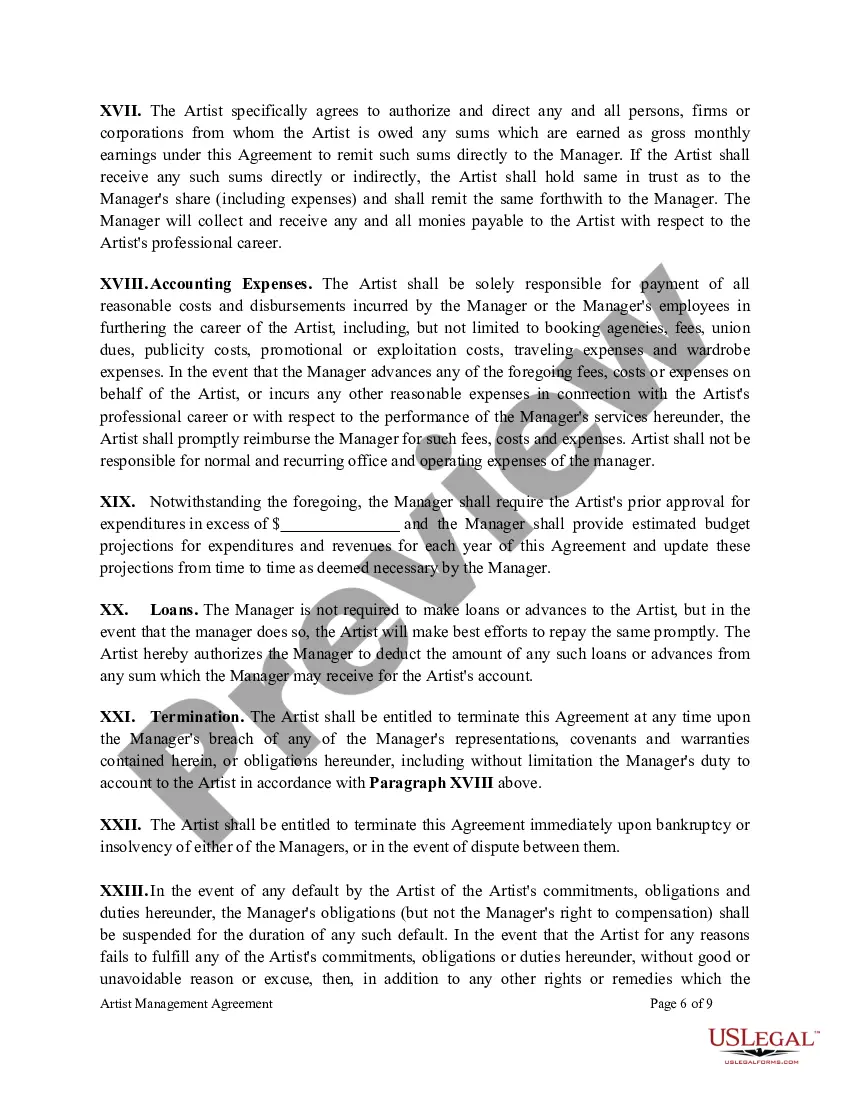
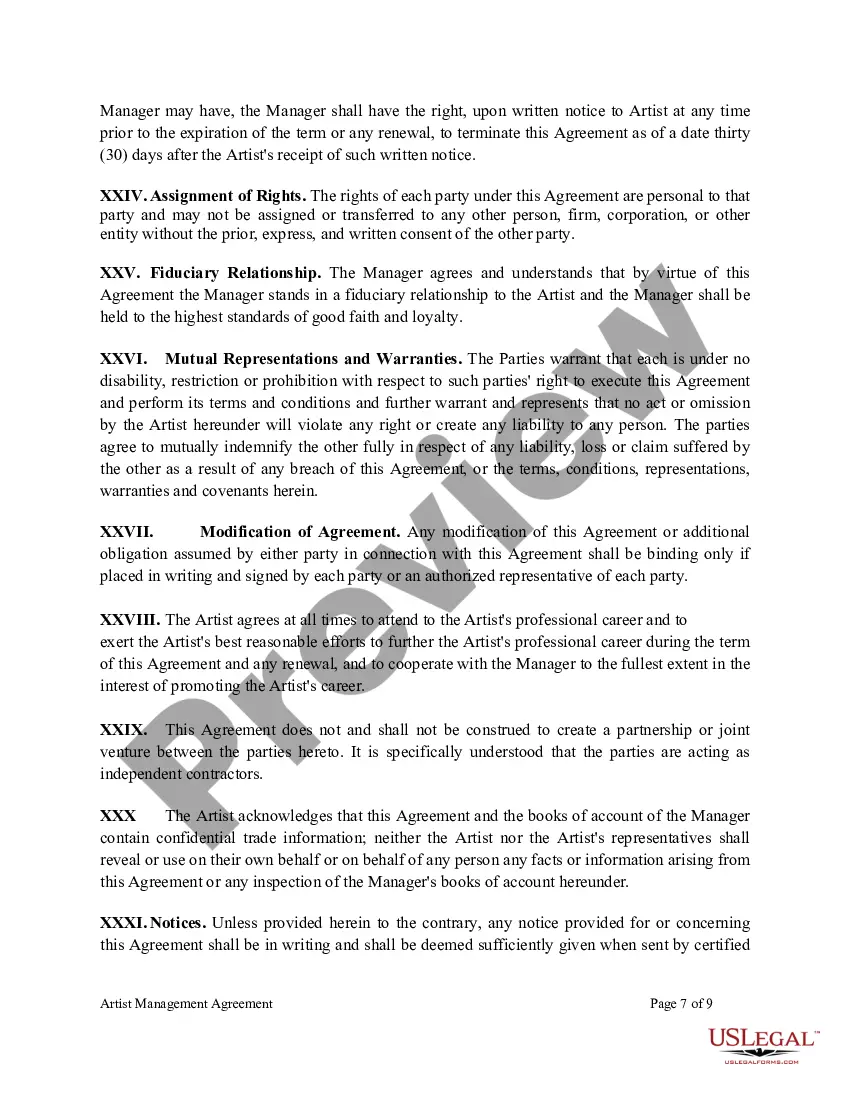
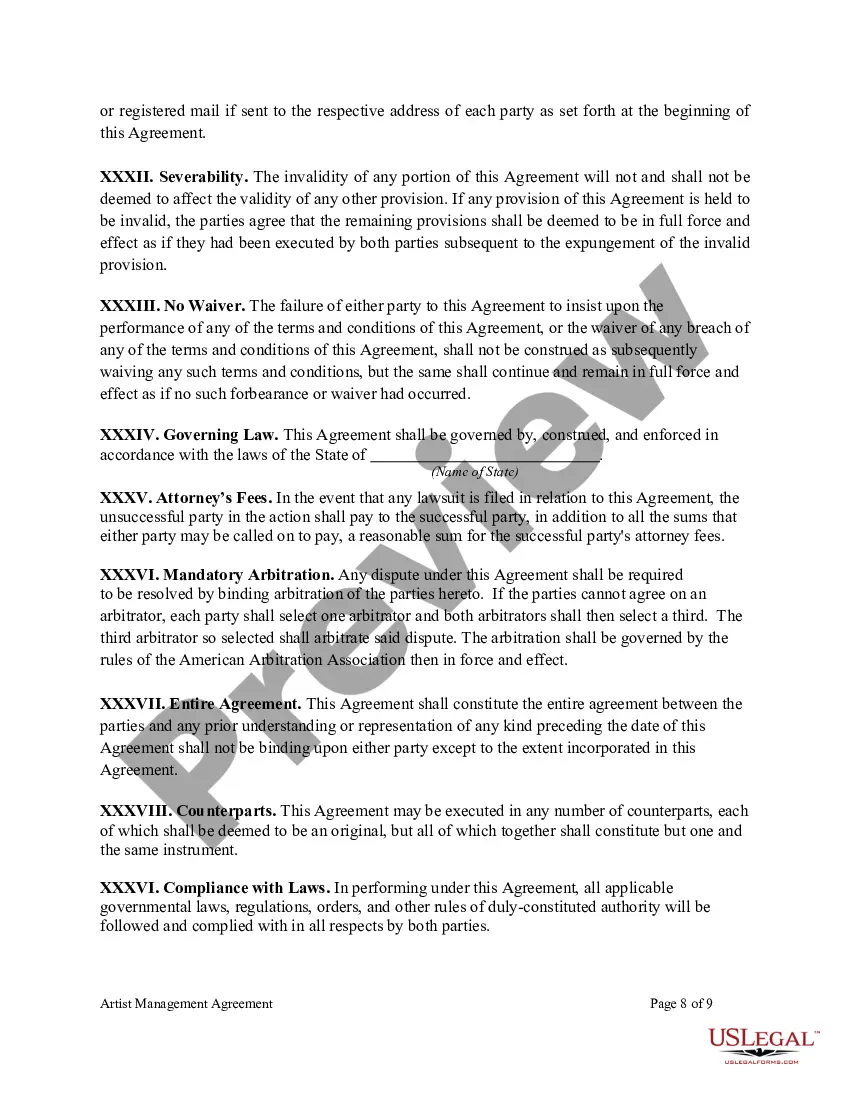
The artist agreement is between two parties who agree to work on specific projects and it governs their relations inter se. It is necessary to have a written agreement with definitive terms to avoid any disputes in the future between the parties.
The rider is a document that outlines the technical and production requirements of the artist's performance, as well as any other requests they may have. The rider should be completed and submitted to the venue or promoter prior to the show in order to ensure that everything is in place for a successful performance.
